Like
Share
멍실장
반려동물 말기 호스피스 케어 완벽 가이드

The Complete Guide to End-of-Life Hospice Care for Pets

ImmunityQ&AMeongsiljang Veterinary Advisory Board

This guide walks you through end-of-life hospice care for pets, step by step—from defining what it entails to pain management, nutritional support, and preparing your heart as a caregiver.

What Is Pet Hospice Care?

An elderly dog and cat resting together on a comfortable cushion
Pet hospice care is a compassionate approach for animals with terminal illnesses that cannot be cured, prioritizing comfort and dignity over curative treatment. Pain management is at the heart of this care. The goal is not to artificially extend life, but to preserve the quality of each remaining day. It involves veterinarians and pet owners working together to create a care plan that attentively addresses pain, nutrition, elimination, and emotional well-being, allowing the pet to spend their final days comfortably at home.

When Should Hospice Care Begin?

Hospice care begins when your veterinarian determines that active treatment is no longer likely to reverse the disease. Common examples include end-stage cancer, late-stage chronic kidney failure, end-stage heart failure, and neurodegenerative disorders. However, the timing should be decided through thorough discussion between you and your veterinarian. Starting too late may subject your pet to unnecessary suffering, while starting too early could mean missing out on potential treatment opportunities. The most reliable approach is to base the decision on a quality-of-life assessment.

Quality of Life Assessment (HHHHHMM Scale)

ItemAssessment ItemGood (High Score)Poor (Low Score)
HurtPain & breathingComfortable pain & breathingPersistent suffering/respiratory distress
HungerFood intakeEats on its ownBarely eats
HydrationWater intakeSufficientDehydrated
HygieneCleanliness & pressure sore carePossibleSoiling accidents/pressure sores
HappinessResponsiveness & bondingRecognizes the ownerUnresponsive
MobilityMovementMoves on its ownUnable to move
More good daysRatio of good daysMore than difficult daysDifficult days outnumber good days

Each of the 7 items is scored from 0 to 10, for a maximum total of 70 points. A total of 35 or higher indicates a relatively good quality of life; if the total is below 35, or if difficult days outnumber good days, active palliative care or a discussion about euthanasia is needed.

Pain Management Is the Core of Hospice Care
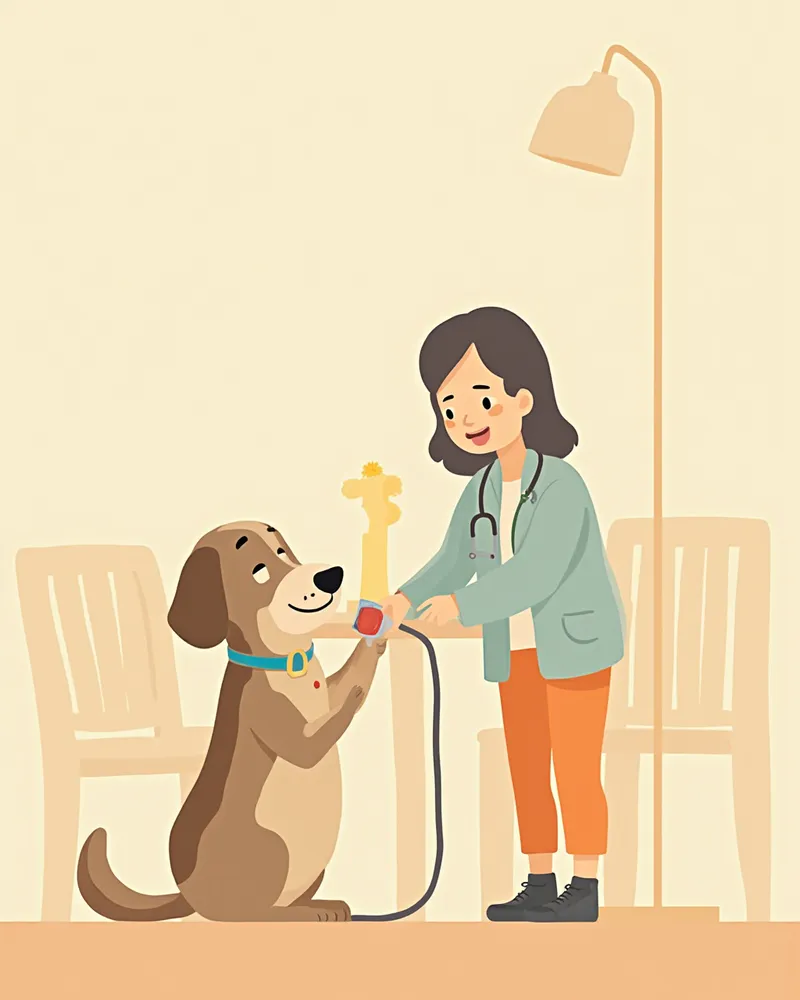
The most significant source of suffering for a pet in the terminal stage is pain. A veterinarian will determine the appropriate type and schedule of pain medication based on the pet’s weight and symptoms. Medications may be combined according to the pet’s condition, including nonsteroidal anti-inflammatory drugs (NSAIDs), opioids, and neuropathic pain medications such as gabapentin. The most important role for pet owners is to monitor for signs of pain daily—such as groaning, curling up, decreased appetite, and lethargy—and share these observations with the veterinarian.
A veterinarian and pet owner examining an elderly dog at home

Consult Your Veterinarian Immediately If You See These Signs

Contact us immediately if your pet develops labored or irregular breathing, refuses to drink water for more than 24 hours, or shows signs of uncontrolled pain, such as continuous whining. Repeated seizures or altered consciousness are also emergencies. At this stage, it may be time to adjust pain management or discuss ensuring a comfortable end-of-life experience.

Nutritional and Hydration Management

In the final stages, a pet’s appetite often declines. Rather than forcing food, offer small amounts of their favorite meals frequently. Slightly warming strongly scented wet food can help stimulate their interest in eating. If they’re unable to drink on their own, gently administer small amounts of water using a syringe along the side of their mouth. For severe dehydration, a veterinarian may prescribe subcutaneous fluids. Prioritize comfort over weight maintenance, as refusing food can be a natural part of this process.
A caregiver offering small portions to an elderly cat

Creating a Hospice-Friendly Home Environment

In the final stages, your pet will spend most of their time lying down. - Soft bedding: Place a memory foam mat to help prevent pressure sores. - Position changes: Gently shift your pet’s position every 2–4 hours. - Quiet space: Choose a calm area away from noise and bright light, but where they can still see family members. - Proximity to litter or potty area: Since moving is difficult, keep the elimination pad close by. - Temperature control: Maintain a comfortable room temperature of 22–24°C and have a light blanket ready.

Making the Euthanasia Decision Without Guilt

Euthanasia isn’t about “giving up”—it can be the final, loving choice for your pet. Key indicators include a low quality-of-life score, unmanageable pain, and when your pet no longer recognizes you. This decision should be made after thorough discussion with your veterinarian and full agreement among all family members. Feelings of grief and guilt are completely natural; seeking pet loss counseling can provide significant support.

Care for the Caregiver’s Emotional Well-Being

Hospice care is a difficult time not only for your pet but also for you. Don’t try to bear it alone—share your feelings with family and friends. Taking photos and videos each day can bring great comfort later on. Often tell your pet “thank you” and “I love you.” Animals sense emotions through the tone of your voice. Creating a calm, peaceful atmosphere until the very end is the greatest gift you can give.
Caring for the paws of senior pets and staying by their side

Reviewed by a veterinarian

Dr. Tony — Punnawat Phongkittirak

Dr. Tony — Punnawat Phongkittirak

Veterinarian

A veterinarian who majored in veterinary medicine at Khon Kaen University, Thailand, and completed the IVSA program at North Carolina State University in the United States. Drawing on clinical experience at animal hospitals, he works in the pet healthcare field and is dedicated to building a digital care environment that connects pet parents with veterinarians.

Frequently Asked Questions

Is hospice care only available at a hospital?
No, many pets receive hospice care at home. A house-call veterinarian visits to prescribe pain medication and monitor their condition. Being in a familiar environment is the most comforting for them.
Should I force my pet to eat if they refuse food during hospice care?
No, a loss of appetite in the final stages is a natural part of the process. Quality of life is more important than extending lifespan, so rather than force-feeding, consult your veterinarian about options such as fluid therapy or appetite stimulants.
How long does hospice care last?
The duration varies depending on the condition and your pet’s overall health, ranging from a few days to several months. There is no fixed timeline; treatment continues as long as your pet maintains a good quality of life.
How can I tell when it’s time to consider euthanasia?
The criteria include a quality-of-life score below 35 out of 70, uncontrolled pain and breathing, and more bad days than good. Please discuss this with your veterinarian to make the decision.
Is professional grief counseling really necessary after losing a pet?
It’s not mandatory, but it can be incredibly helpful. Pet loss syndrome is a real and valid emotional experience. If you find it difficult to cope alone, consider reaching out to a professional counselor or joining a support group for pet owners.

Share

Related Guides

References

[1] Shanan A, Pierce J, Shearer T. Hospice and Palliative Care for Companion Animals: Principles and Practice, 2nd Ed, 2023

[2] Small Animal Critical Care Medicine, 3rd Ed, Elsevier

[3] International Association for Animal Hospice and Palliative Care (IAAHPC) Guidelines

This information is based on veterinary literature and does not replace diagnosis or treatment. Please consult a veterinarian for specific health concerns.

Metapet Co., Ltd. | CEO: Park Sung-yong | Business Reg. No. 417-88-02562 | Seoul, South Korea | Customer Center

The Complete Guide to End-of-Life Hospice Care for Pets | Meongsiljang