Like
Share
멍실장
강아지 치아 파절 자주 묻는 질문 Q&A — 보호자가 꼭 알아야 할 핵심

Dog Tooth Fracture FAQ — Key Information Every Pet Owner Should Know

Oral HealthQ&AMeongsiljang Veterinary Advisory Board

A fractured tooth in your dog is more than just a minor injury—it can lead to infection and pain. Here’s the essential information every pet owner should know.

A dog tooth fracture is a serious dental injury caused by trauma or excessive biting.

An image of the inside of a dog's mouth showing fractured teeth
A fractured tooth in dogs occurs when the tooth cracks or breaks due to trauma, such as falls, collisions, or excessive biting during play. - Main causes of tooth fractures: Trauma (such as car accidents, hitting a wall, or falls) and biting or chewing on hard objects like tough toys, bones, or raw materials are the primary causes. Teeth are especially vulnerable if the dog already has periodontal disease or structural abnormalities. - Risks of tooth fractures: If the inner nerve of the tooth is exposed, it can lead to severe pain and bacterial infection. The infection may spread to surrounding tissues, worsening the condition. - Need for immediate veterinary care: If your dog is in significant pain or bleeding, consult a veterinarian right away. Delaying treatment can result in tooth loss or the spread of infection. - Importance of prevention: Choosing safe toys and preventing trauma can help reduce the risk of fractures. Be cautious, as weakened teeth can easily break under strong pressure.

The main causes of tooth fractures are trauma and excessive biting.
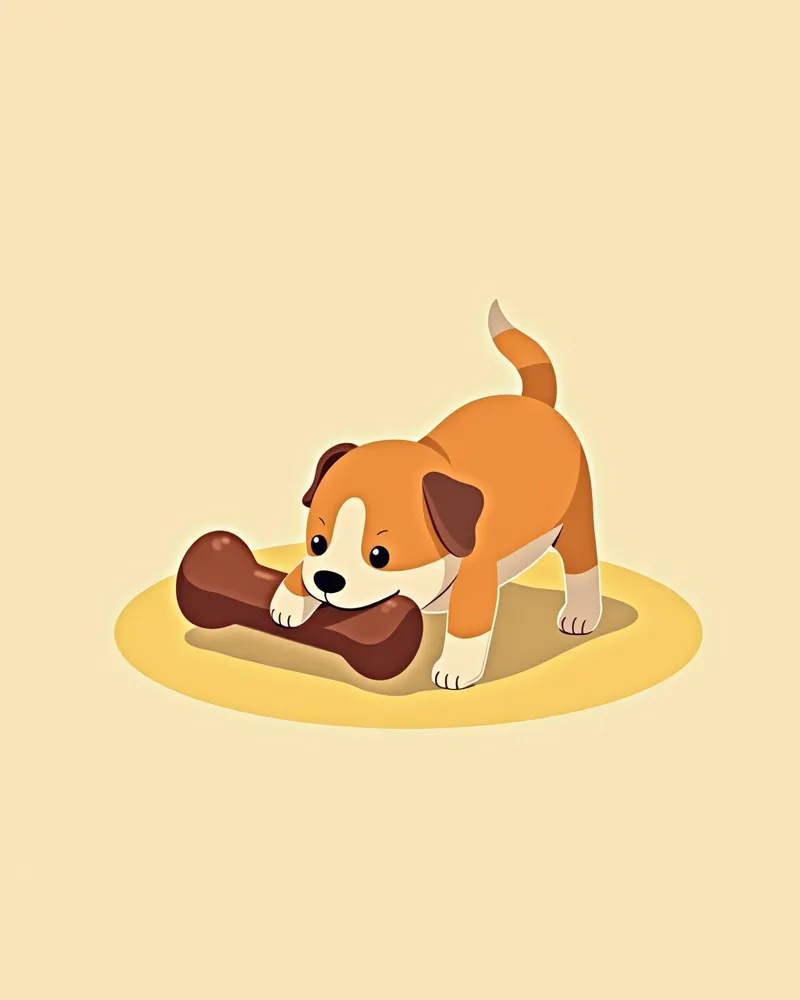
The most common causes of tooth fractures in dogs are falls, collisions, and excessive biting during play. The risk of fracture is particularly high in dogs with structural weaknesses in their teeth or existing periodontal disease. Additionally, teeth that are already weakened can easily break when subjected to strong force. - Circumstances of Trauma: Teeth are easily damaged when a dog falls down stairs or collides with another dog during play. Car accidents or impacts against walls can also cause fractures. - Risks of Excessive Biting: Biting too hard on hard toys, bones, or raw meat places significant stress on the teeth. This can damage the external structure of the teeth and lead to fractures. - Prevention Strategies: Owners should carefully monitor their dog’s play habits and environment. Since prevention is key to avoiding tooth fractures, it is important to provide toys that place less stress on the teeth and create a safe play area.
A small puppy chewing on a hard toy.

The main signs of a tooth fracture are pain and decreased appetite.

The most common signs of a fractured tooth in dogs include reluctance to open the mouth or showing discomfort while eating. - Increased licking or scratching of the mouth: When a tooth is painful, dogs may frequently lick or scratch around their mouth with their paws. This can be a response to pain. - Changes in breath odor: Bacteria can multiply at the site of tooth damage, leading to a stronger odor. This may indicate an infection. - Decreased food intake: Eating can become painful when the affected tooth is touched, causing dogs to avoid food. They may especially refuse meat or hard kibble. - Reluctance to open the mouth: If you notice a broken part of the tooth, it is important to visit the vet immediately. Early diagnosis of tooth damage is crucial. - Risk of infection: If symptoms worsen, an infection can develop in the tissues surrounding the tooth. It is important to seek veterinary care promptly.
Your dog showing signs of pain while eating

When to Seek Immediate Veterinary Care

If your dog’s tooth fracture has exposed the nerve, caused severe bleeding, or is causing significant pain, you should seek veterinary care immediately. This condition can lead to infection and intense discomfort. Delaying treatment may result in tooth loss.

Comparison of Responses Based on the Severity of Tooth Fractures

ItemMildModerateSevere
Nerve ExposureNonePartial exposureFull exposure
Pain LevelMildModerateSevere
Treatment NeededCan be observedTreatment neededImmediate treatment needed
PrognosisGoodFairPoor

If the nerve is exposed, treatment is urgent. Consult a veterinarian immediately.

Treatment for tooth fractures varies depending on the cause and severity.
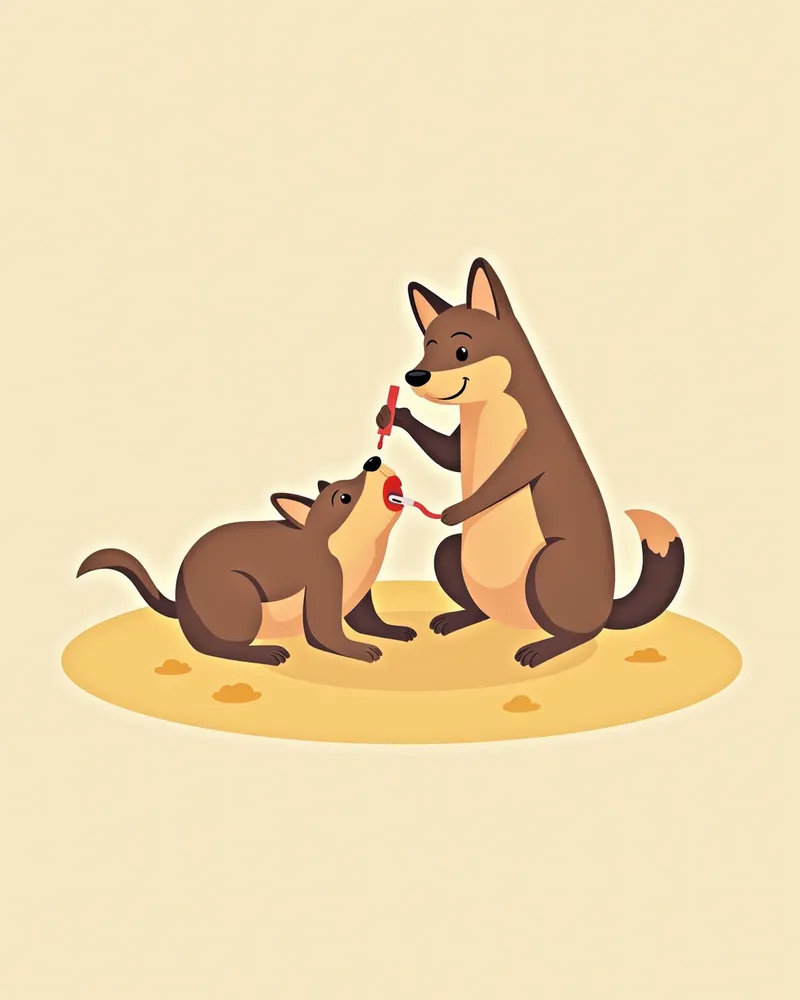
Treatment for tooth fractures depends on the extent of the fracture and whether the nerve is exposed. - Mild fractures: If the tooth is slightly chipped but the nerve is not exposed, the veterinarian will monitor the condition and periodically check for any changes in the tooth. If there are no signs of pain or infection, observation alone may be sufficient. - Moderate to severe fractures: If the nerve (pulp) is exposed, it may be necessary to remove the pulp or save the tooth through pulp-preserving treatments (e.g., pulp therapy). This is an important step in preserving the tooth. - Severe cases: If the tooth is severely damaged or the pulp is significantly injured, extraction surgery may be considered. The decision is made after carefully evaluating the exact condition of the tooth, and surgery may also be necessary if there is accompanying bone loss or if preservation is difficult. - Accurate diagnosis: The veterinarian will use oral (dental) radiographs under general anesthesia to assess the overall condition of the tooth. This is essential for developing a treatment plan. - Developing a treatment plan: The veterinarian will determine the appropriate course of treatment based on the individual case. Early treatment is crucial for preserving the tooth, relieving pain, and maintaining long-term dental health.
A veterinarian performing dental treatment on a puppy.

Home care focuses on pain relief and infection prevention.
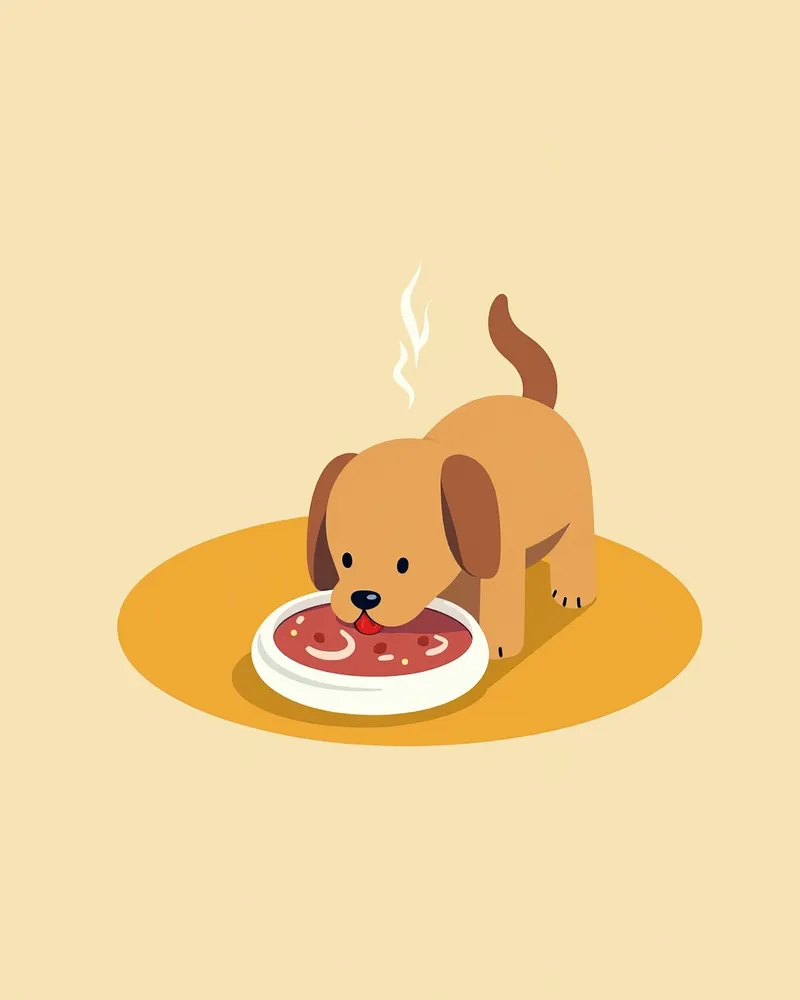
After a tooth fracture in dogs, it’s best to offer soft food. - Dietary adjustments: Choose jelly-like foods, soupy meals, or wet dog food specifically formulated for pets. Avoid hard or crunchy foods that could cause further damage. - Oral care: If your dog frequently licks its mouth, maintain cleanliness to prevent infection. Regular oral cleaning can be helpful. - Medication: Administer painkillers or antibiotics prescribed by your veterinarian exactly as directed. This is essential for pain relief and preventing infection. - Infection prevention: Bacteria can accumulate in the damaged tooth area, potentially leading to severe inflammation. Early management can minimize the risk of infection. - Regular monitoring: Closely observe any changes in your dog’s condition during treatment. If you notice pain, bleeding, or changes in odor, consult your veterinarian immediately.
A puppy enjoying soft food

The key tip for prevention is choosing safe toys.

It’s important to avoid hard toys that dogs are likely to chew on and instead choose soft, flexible options. - Toy Safety: Avoid items like stones, bones, hard plastic, and metal, as they can strain your dog’s teeth. In particular, rigid objects can exert sudden force on the teeth, leading to fractures. - Safe Alternatives: Toys made of rubber or fabric place less stress on the teeth and help prevent excessive force during play. - Environment Check: Make sure your dog’s play area is free of sharp objects or obstacles that could cause collisions. Tidying up the space helps reduce the risk of falls or impacts. - Regular Check-ups: Monitor your dog’s teeth regularly and consult a veterinarian immediately if you notice any abnormalities. Dogs with periodontal disease are at higher risk of tooth fractures. - Owner’s Role: Prevention starts with your attention and observation. Tooth fractures can be largely prevented through trauma prevention and proper dental care.
Safe Dog Toys

Reviewed by a veterinarian

Dr. Tony — Punnawat Phongkittirak

Dr. Tony — Punnawat Phongkittirak

Veterinarian

A veterinarian who majored in veterinary medicine at Khon Kaen University, Thailand, and completed the IVSA program at North Carolina State University in the United States. Drawing on clinical experience at animal hospitals, he works in the pet healthcare field and is dedicated to building a digital care environment that connects pet parents with veterinarians.

Frequently Asked Questions

Do fractured teeth heal on their own?
No, a fractured tooth will not heal on its own. Once the nerve is exposed, infection and pain can worsen, so prompt treatment is essential.
Do I need to extract the tooth after it fractures?
Not every case requires tooth extraction. Your veterinarian will comprehensively evaluate the extent of the fracture, the status of the pulp, and the tooth’s structure to determine whether the tooth can be saved and what treatment is appropriate.
Which breeds are more prone to tooth fractures?
It hasn’t been definitively established which breeds are more commonly affected. Since tooth fractures typically result from trauma or periodontal disease, they are influenced more by the likelihood of injury and the structure of the teeth than by breed.
How much does tooth fracture treatment cost?
Costs can vary depending on the treatment plan, but generally range from a few dollars to tens of dollars, covering procedures such as oral radiographs, pain management, and surgical intervention. The exact cost will be determined after consultation with your veterinarian and may vary based on the complexity of the treatment.
Can a tooth fracture again after it has already fractured?
Yes, a tooth can fracture again even after it has already broken. This is especially true when the tooth structure is weakened, as it becomes more vulnerable to external impacts. To help prevent further fractures, it’s important to provide a safe environment and appropriate toys.

Share

Related Guides

References

[1] Clinical Medicine of the Dog and Cat, 4th Ed, 2023

[2] The Dog Care Handbook, Things I Wish My Vet Had Told Me, 2022

[3] Veterinary Dentistry: Principles and Practice, 2021

This information is based on veterinary literature and does not replace diagnosis or treatment. Please consult a veterinarian for specific health concerns.

Metapet Co., Ltd. | CEO: Park Sung-yong | Business Reg. No. 417-88-02562 | Seoul, South Korea | Customer Center

Dog Tooth Fracture: FAQ for Pet Owners | Meongsiljang