Like
Share
멍실장
반려동물 항생제 내성 주의

What Is Antibiotic Resistance in Pets? — Why Medications Stop Working and How to Prevent It

ImmunityQ&AMeongsiljang Veterinary Advisory Board

Antibiotic resistance can pose a threat to both pets and their owners. Learn about the causes of resistance and the proper way to use antibiotics.

What Is Antibiotic Resistance?
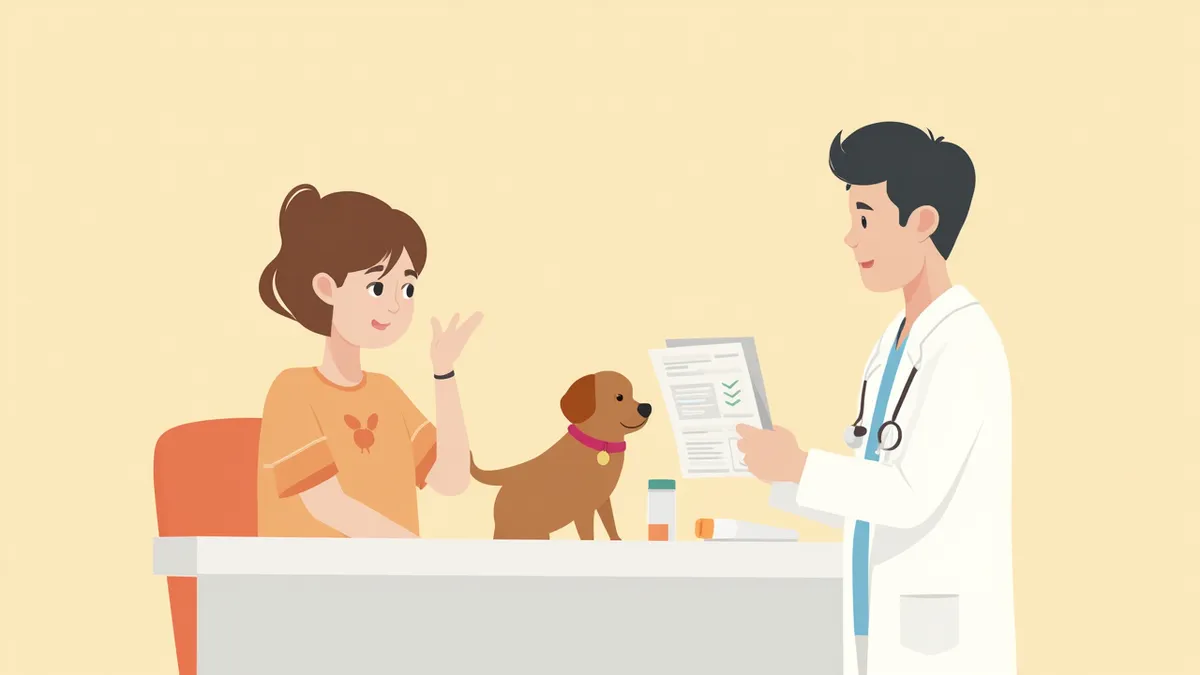
A pet owner and their dog consulting with a veterinarian at an animal hospital
Antibiotic resistance occurs when bacteria in your pet’s body are repeatedly exposed to antibiotics, developing resistance that makes them difficult to treat with standard antibiotics. The most important thing to remember is that simply using antibiotics correctly can significantly reduce the risk of resistance. Resistant bacteria from pets can also spread to humans, making this a critical issue for the health of your entire family.

Causes of Antibiotic Resistance

Antibiotic resistance typically arises in three main scenarios.
Unnecessary antibiotic use: Using antibiotics when they aren't needed, such as for viral infections, can promote resistance in normal, beneficial bacteria.
Incomplete treatment courses: Stopping medication early because symptoms improve allows surviving bacteria to multiply and develop resistance.
Self-medication: Using leftover prescriptions or medications intended for other animals without proper veterinary guidance often results in incorrect dosages or durations, significantly increasing the risk of resistance.

Key Antibiotic-Resistant Bacteria Found in Pets

Here’s a summary of the key antibiotic-resistant bacteria to watch for in pets.
Resistant BacteriaCommonly Affected AnimalsCharacteristics
Methicillin-resistant Staphylococcus aureus (MRSA)Dogs, catsMany strains originate from human hospitals, though some remain susceptible to certain first-line antibiotics.
Methicillin-resistant Staphylococcus (animal-adapted strains)Primarily dogsMultidrug resistance is common, leaving very limited treatment options.
Multidrug-resistant StaphylococcusDogs, catsExhibits resistance to multiple antibiotics simultaneously.

Situations Suspected of Resistant Infection
In such situations, it’s reasonable to suspect a resistant infection.
No improvement despite antibiotic treatment: With appropriate antibiotic therapy, fever typically subsides and symptoms begin to improve within a day. If there’s no improvement at all beyond the expected timeframe despite following your veterinarian’s prescribed regimen, a resistant bacterial strain may be the cause.
Recurrent infections in the same area: If skin inflammation or ear infections frequently recur after treatment, or if wounds fail to heal properly, a resistant bacterium could be responsible.
Lack of response to multiple antibiotics: In this case, bacterial culture and antibiotic susceptibility testing are essential. These tests provide the most reliable way to determine which antibiotic is effective against the specific bacteria involved.
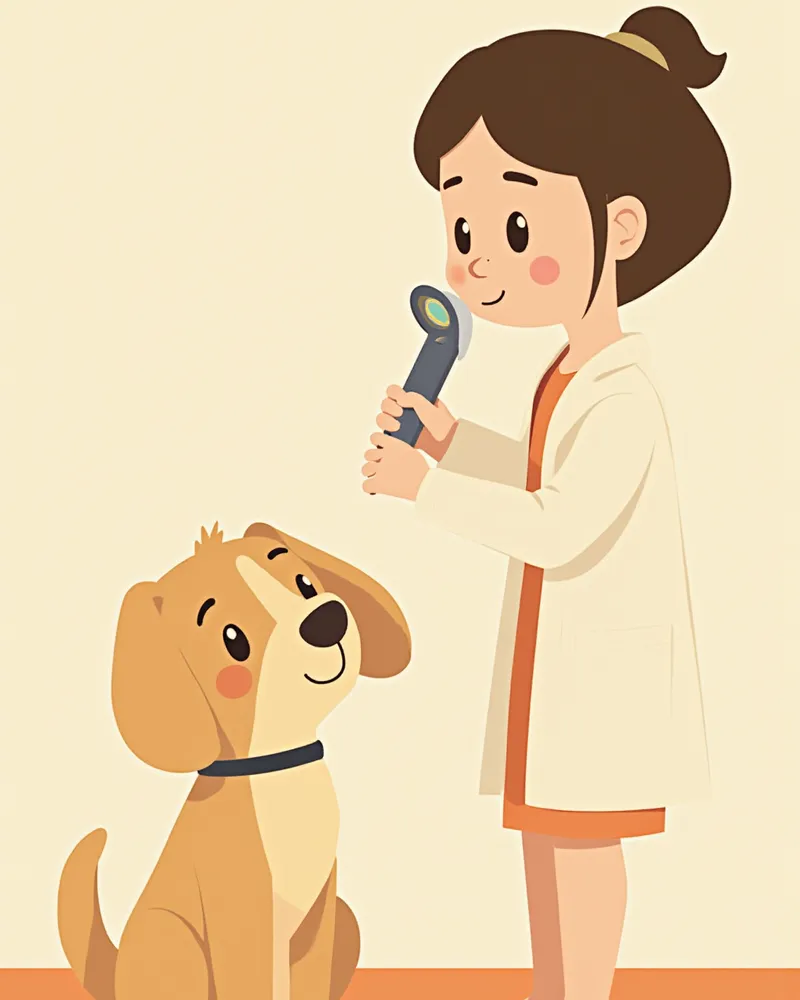
A veterinarian examining a puppy's ears.

Self-Medication Is Strictly Prohibited

Never give your pet human antibiotics without a veterinary prescription or use leftover medications on your own. Incorrect dosages or inappropriate drug choices can lead to the development of antibiotic-resistant bacteria. Even if symptoms appear similar, the underlying causative organisms may differ, so always consult a veterinarian for a proper diagnosis and prescription.

Principles of Proper Antibiotic Use
To help prevent antibiotic resistance, there are a few key principles pet owners should follow.
Complete the full prescribed course: Even if your pet’s symptoms improve, it’s essential to finish the entire course of medication as directed by your veterinarian. Stopping early can allow surviving bacteria to develop resistance.
Stick to the correct dosage: Never adjust the dose prescribed by your vet based on your pet’s weight. Increasing or decreasing it on your own can be harmful.
Do not save leftover medication: Once treatment is complete, discard any unused antibiotics rather than saving them for future use.
Avoid using antibiotics preventively: Giving antibiotics “just in case” when no infection has been confirmed is a direct path to promoting resistance.
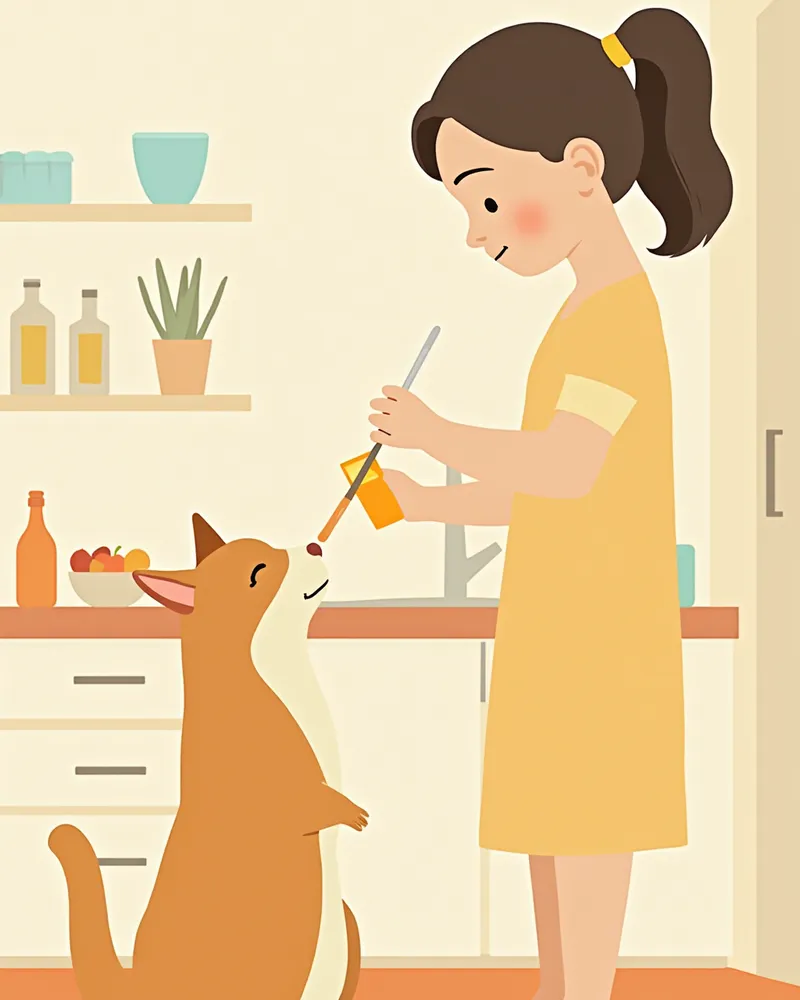
A caregiver administering the correct dosage of medication to a cat.

Alternative Treatments to Antibiotics

Not every infection requires systemic antibiotics. When an infection hasn’t been confirmed or is mild, it’s best to carefully consider whether systemic antibiotics are truly necessary. Reducing unnecessary or excessive antibiotic use helps lower the risk of antibiotic-resistant bacteria. In fact, prior antibiotic use is known to be the strongest factor associated with carrying resistant bacteria. The most appropriate treatment depends on the type and location of the infection, so if your pet experiences recurrent skin infections, consult your veterinarian to determine the best treatment plan for your individual pet.

Transmission of Resistant Bacteria Between Humans and Pets

Antibiotic-resistant bacteria in pets can be transmitted to their owners. According to veterinary dermatology textbooks, methicillin-resistant Staphylococcus aureus (MRSA) found in pets often originates from strains circulating in human hospitals. Conversely, people can also pass resistant bacteria to their pets. When caring for a pet with a confirmed resistant infection, it is essential to practice thorough hand hygiene and avoid direct contact with wound sites. Extra caution is warranted if there are immunocompromised individuals in the household.
A pet owner washing their hands thoroughly next to their dog

Reviewed by a veterinarian

Dr. Tony — Punnawat Phongkittirak

Dr. Tony — Punnawat Phongkittirak

Veterinarian

A veterinarian who majored in veterinary medicine at Khon Kaen University, Thailand, and completed the IVSA program at North Carolina State University in the United States. Drawing on clinical experience at animal hospitals, he works in the pet healthcare field and is dedicated to building a digital care environment that connects pet parents with veterinarians.

Frequently Asked Questions

Is it impossible to treat an infection caused by drug-resistant bacteria?
It’s not untreatable. We can identify an effective antibiotic through bacterial culture and sensitivity testing. However, the choice of antibiotics may be limited, and the treatment course could take longer.
Can drug-resistant bacteria in pets be transmitted to humans?
Yes, it can be transmitted. In particular, methicillin-resistant Staphylococcus aureus (MRSA) can spread bidirectionally between humans and pets. If there are family members with weakened immune systems, extra care should be taken with hygiene.
Can I stop the antibiotics midway if the symptoms improve?
Absolutely not. Even if the symptoms improve, the bacteria may not have been completely eradicated. It is essential to complete the full course of medication as prescribed by your veterinarian to prevent the development of antibiotic-resistant bacteria.
How is an antibiotic susceptibility test performed?
This test involves collecting a sample from the infected area and culturing it to determine which antibiotics are effective against the specific bacteria. Since it takes some time to get the results, it’s a good idea to discuss the timeline and schedule with your veterinarian before submitting the test. Costs vary by clinic, so be sure to ask your vet for details.
Do cats also face the issue of antibiotic resistance?
Yes, antibiotic-resistant bacterial infections have been reported in cats as well. In particular, methicillin-resistant Staphylococcus aureus (MRSA) infections have been confirmed in cats, so if your cat experiences recurrent skin infections, it’s a good idea to have a susceptibility test performed.

Share

Related Guides

References

[1] Jackson H, Marsella R (eds). BSAVA Manual of Canine and Feline Dermatology, 4th Edition. BSAVA, 2021

This information is based on veterinary literature and does not replace diagnosis or treatment. Please consult a veterinarian for specific health concerns.

Metapet Co., Ltd. | CEO: Park Sung-yong | Business Reg. No. 417-88-02562 | Seoul, South Korea | Customer Center

Antibiotic Resistance in Pets: Causes and Prevention | Meongsiljang