

Dog Tongue and Lip Lesions FAQ — Key Information Every Pet Owner Should Know
Lesions on a dog’s tongue and lips may be simple inflammation, but they can also signal malignant tumors or immune-mediated diseases. Here’s a summary of the key information every pet owner should know.
What Are the Common Causes of Lesions on a Dog’s Tongue and Lips?

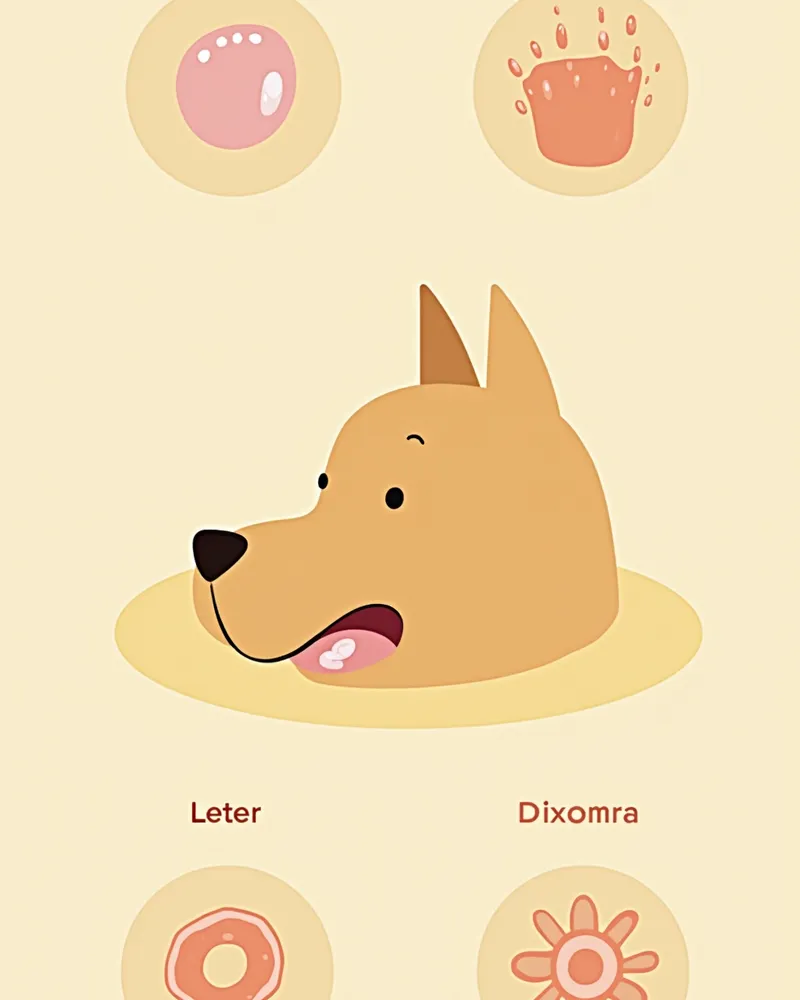
Summary of the Main Causes of Lesions
When Should You Visit the Vet?

Cases Requiring Immediate Veterinary Attention
If the lesion persists, grows larger, or if your dog refuses to eat or drink or shows signs of pain, immediate veterinary attention is necessary. In particular, if the lesion does not heal well and lasts for a long time, or if it grows rapidly, there may be a possibility of a tumor or chronic inflammatory disease, so a veterinarian must make an accurate diagnosis through a biopsy or X-ray. A biopsy may be performed under anesthesia and is the most reliable method for determining the nature of the lesion. Delaying treatment can make recovery more difficult.
Comparison of Management Strategies Based on Lesion Severity
| Item | Mild | Moderate | Severe |
|---|---|---|---|
| Symptoms | Small red spots or mild inflammation | Ulcers, bleeding, difficulty eating | Persistent pain, high fever, rapid weight loss, severe bleeding |
| Possible Causes | Periodontitis, trauma, early infection | Autoimmune disease, spread of inflammation around teeth | Benign/malignant tumors, chronic inflammation, possible metastasis |
| Management Method | Oral rinsing, antibacterial treatment, detailed examination | Tissue biopsy, immunosuppressants, anti-inflammatory therapy | Surgery, radiation therapy, chemotherapy, lesion removal and treatment |
If symptoms worsen or persist, seek specialized veterinary care early.
What Tests Are Needed for an Accurate Diagnosis?
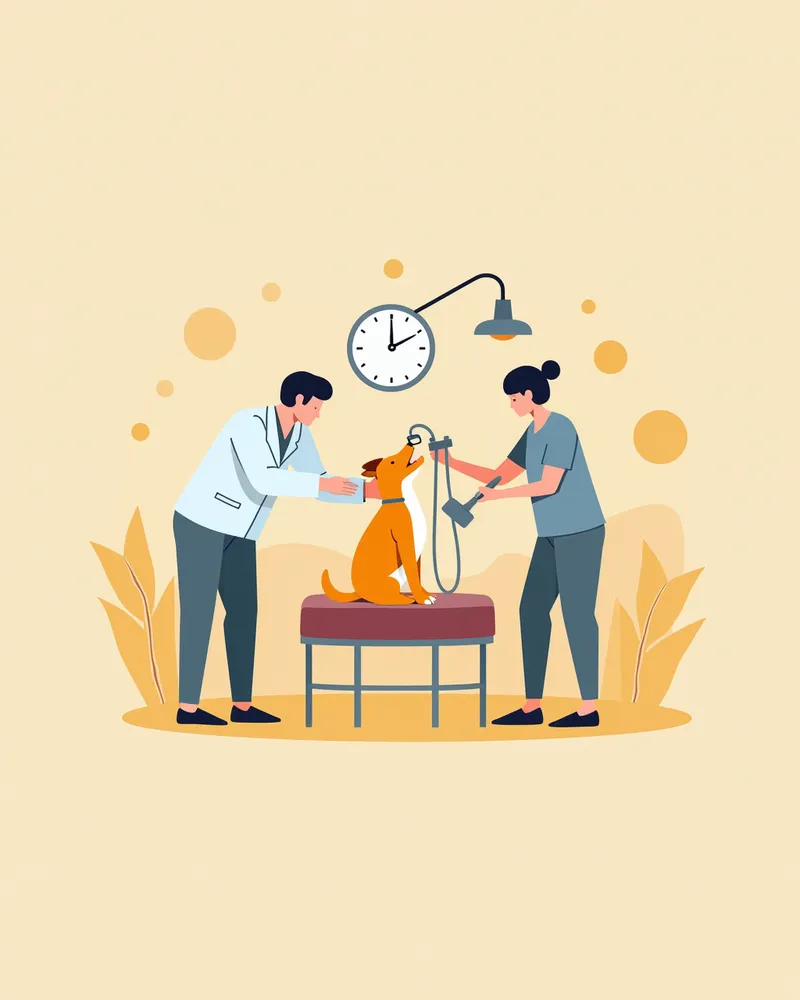
How Does Treatment Vary?

Precautions During Treatment
During treatment, be careful to prevent your dog from licking or scratching its mouth. Constant licking can introduce oral bacteria to the lesions, leading to secondary infections, worsening the condition, and delaying recovery. Do not miss any doses or adjust the dosage on your own; administer the medication exactly as directed by your veterinarian. Offer soft, warm food and frequently refresh the water supply. Additionally, create a low-stress environment for your dog throughout the treatment period.
Reviewed by a veterinarian

Dr. Tony — Punnawat Phongkittirak
VeterinarianA veterinarian who majored in veterinary medicine at Khon Kaen University, Thailand, and completed the IVSA program at North Carolina State University in the United States. Drawing on clinical experience at animal hospitals, he works in the pet healthcare field and is dedicated to building a digital care environment that connects pet parents with veterinarians.
Reviewed 2026-06-29
Frequently Asked Questions
My dog has white spots on its tongue. Is this a cause for concern?
Can oral lesions be prevented?
My pet’s mouth hurts more after taking the medication. What should I do?
The lesion seemed to disappear, but it has come back. Why is that happening?
Are small-breed dogs more prone to developing lesions?
Share
Related Guides

7 Best Cat Dental Chews for Tartar Prevention Recommended by Veterinarians and Selection Criteria

Top 5 Recommended Dental Treats for Dogs in 2026 — VOHC Certification Criteria

7 Criteria for Choosing Dog Tartar Prevention Dental Chews Recommended by Veterinarians

Cat Anticonvulsant Medication: Key Points on Side Effects and Administration Management
The Ultimate Guide to the Causes of Canine Stereotypic Behavior and Behavior Modification/Treatment Methods

What is Canine Compulsive Disorder? — From Causes to Behavioral Modification and Treatment Timing

Dog SDMA Test — Early Detection of Kidney Failure and Cost Guide
Canine Giardia: A Complete Guide to Testing and Treatment for Chronic Diarrhea
Feline Blood Glucose Testing — Stress Hyperglycemia and Accurate Measurement Methods
Home Blood Glucose Monitoring for Dogs — Device Recommendations and Measurement Guide
References
[1] Ribka, E.P. & Niemiec, B.A. (2023). Clinical Medicine of the Dog and Cat, 4th Ed. Elsevier.
[2] Plumb's Veterinary Drug Handbook, 9th Ed. (2022). Wiley-Blackwell.