Like
Share
멍실장
고양이 특발성 방광염 자주 묻는 질문 Q&A — 보호자가 꼭 알아야 할 핵심

Frequently Asked Questions About Feline Idiopathic Cystitis — Key Information for Pet Owners

UrinaryQ&AMeongsiljang Veterinary Advisory Board

Feline idiopathic cystitis is a bladder inflammation of unknown cause, with difficulty urinating and pain as the main symptoms. It's important for pet owners to fully understand the condition and respond appropriately to help reduce the risk of recurrence.

What Is Feline Idiopathic Cystitis?
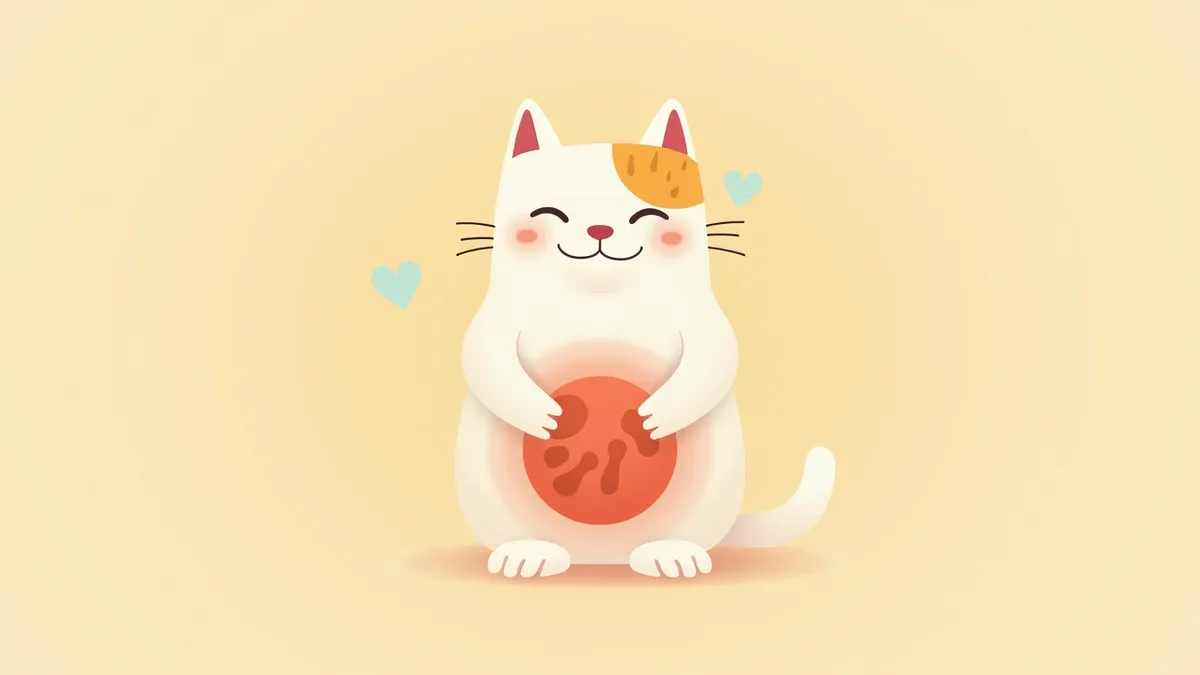
A medical image of an inflamed cat bladder
Feline idiopathic cystitis is an inflammatory condition of the bladder lining with no clearly identifiable cause. - Bladder inflammation: Irritation of the bladder wall causes pain and urinary difficulties, significantly impacting your cat’s daily behavior. - Stress sensitivity: Stressors such as environmental changes or social conflicts are key triggers. - Tendency to recur: Even after treatment, the condition can flare up again due to stress or changes in lifestyle. - Diagnostic criteria: If symptoms of cystitis persist despite ruling out infection, the condition is classified as idiopathic. Early detection and consistent management are essential to preventing recurrence.

What Are the Main Causes of This Condition?

While the exact cause of feline idiopathic cystitis remains unknown, stress is considered the most significant contributing factor. - Stress triggers: Environmental changes, conflicts with other animals, and dissatisfaction with litter box location are common causes. - Neurobiological response: Stress can cause bladder nerves to become hypersensitive, leading to pain and urinary dysfunction. - Genetic predisposition: The condition is more common in certain breeds, suggesting a genetic susceptibility. - Immune response abnormalities: Some studies suggest that inflammation is a characteristic of idiopathic cystitis, but current evidence remains limited. Managing your cat’s living environment is key to prevention and care.
Cats stressed by noisy environments

What Are the Main Symptoms?

The main symptoms of feline idiopathic cystitis include the following:
Difficulty urinating: Your cat may strain in the litter box as if unable to pass urine.
Urination outside the litter box: Your cat may frequently urinate in areas other than the litter box.
Increased urinary frequency: Your cat may visit the litter box more often but pass only small amounts of urine.
Blood in the urine: The urine may appear reddish or contain visible blood.
Signs of pain in the litter box: Your cat may vocalize or tremble while attempting to urinate.
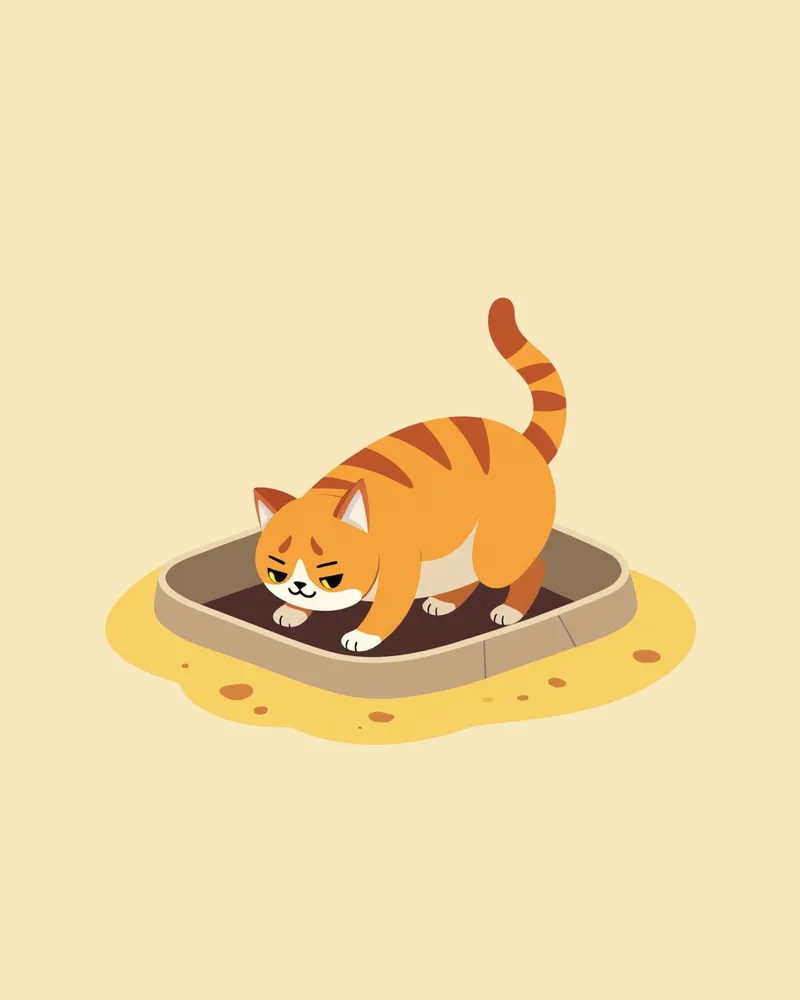
A cat showing signs of distress in the litter box

Signs That Require Immediate Veterinary Attention

If your cat hasn’t urinated for more than 12 hours or is straining painfully in the litter box, their bladder may be blocked. This is a life-threatening emergency, so please consult a veterinarian immediately.

How Is It Diagnosed?
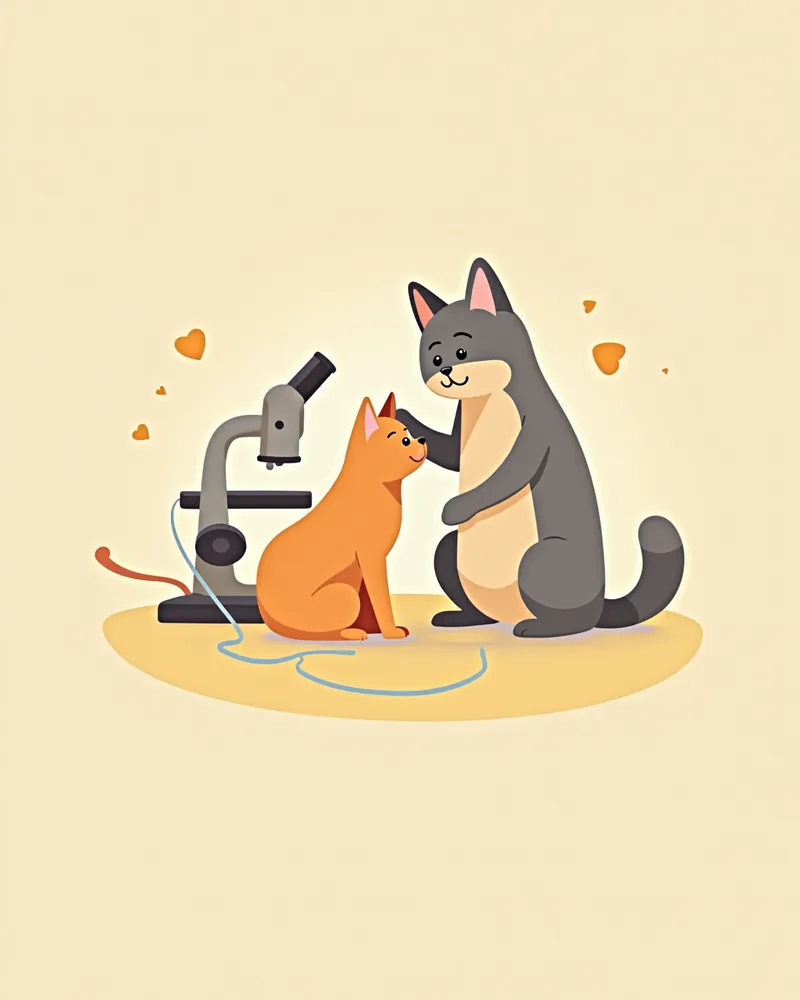
Veterinarians diagnose feline idiopathic cystitis by comprehensively analyzing symptoms, medical history, and test results. - Urinalysis: Checks for signs of inflammation, such as increased white blood cells, hematuria (blood in urine), and proteinuria (protein in urine). - Blood tests: Evaluates for infections or abnormalities in kidney function. - Ultrasound: Examines the bladder wall thickness and checks for stones or tumors. - Ruling out infection: Confirming the absence of bacterial infection is key to diagnosing idiopathic cystitis. - Multidimensional assessment: Combines symptoms and test results to clarify the cause and establish a treatment plan.
A veterinarian performing a urine test on a cat.
Treatment focuses on relieving pain and reducing stress. - Pain medication: Your veterinarian will prescribe appropriate pain relievers to ease discomfort. - Environmental adjustments: Provide a quiet space and maintain a consistent routine to help your cat feel secure. - Increased water intake: Encourage hydration by using water fountains or multiple water bowls. - Litter box management: Offer a clean, easily accessible litter box to minimize stress. - Behavioral modification: Remove stressors and encourage positive interactions. Long-term, regular monitoring and open communication with your veterinarian are essential.
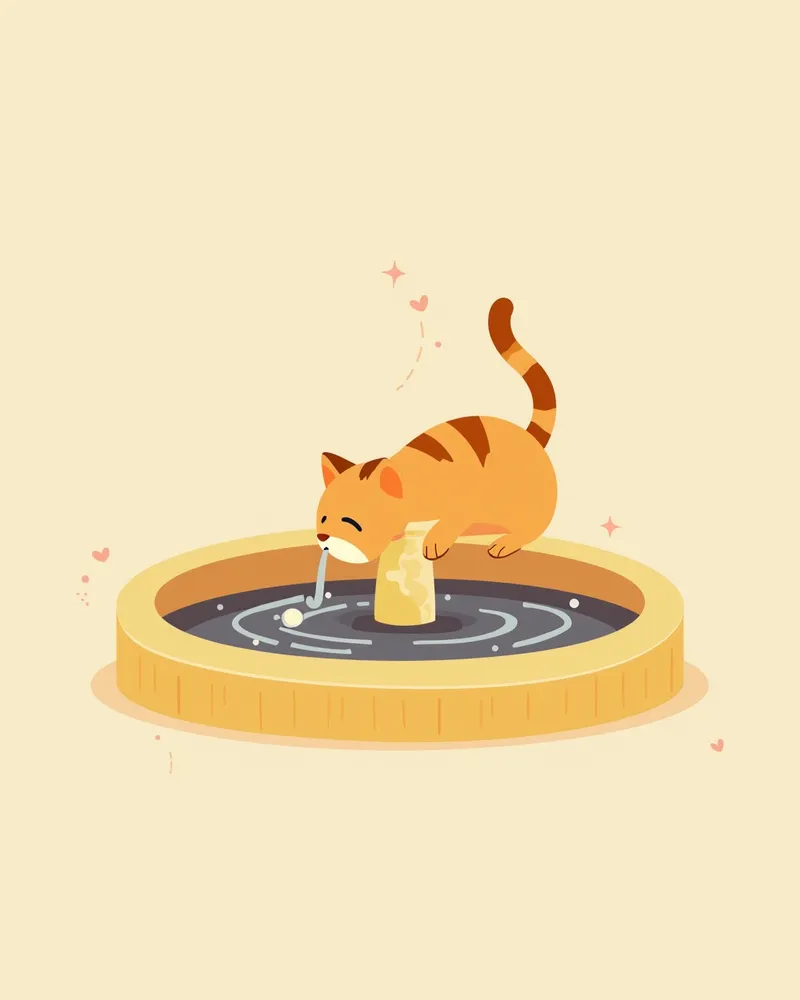
A cat drinking water from a fountain

Home Care Management

Home care is crucial for managing feline idiopathic cystitis.
Improve the litter box environment: Place the litter box in a clean, quiet area and clean it regularly.
Increase water intake: Encourage hydration by providing water fountains or multiple water bowls.
Reduce stress: Avoid changes in your cat’s daily routine and maintain a stable environment.
Increase the number of litter boxes: Providing multiple litter boxes throughout the home can help reduce stress.
Regular monitoring: Carefully track any changes in your cat’s urination habits.
A quiet home with multiple litter boxes set up throughout

Precautions to Prevent Recurrence

Feline idiopathic cystitis tends to recur frequently. It’s important to carefully manage environmental changes, dietary shifts, and stressors. In particular, conflicts with other animals or household noise can be significant triggers, so it’s essential to protect your cat’s personal space.

Comparison of Responses Based on Symptom Severity

ItemMildModerateSeverity
Difficulty UrinatingOccasionally strainingFrequently strainingUnable to urinate for more than 12 hours
Urination Outside the Litter Box1–2 times/week3–5 times/weekOccurs daily
Blood in UrineNoneOccasionallyEvery time
Whether Emergency Response Is NeededNoVeterinary consultation neededVisit hospital immediately

If symptoms worsen, consult a veterinarian immediately.

Reviewed by a veterinarian

Dr. Tony — Punnawat Phongkittirak

Dr. Tony — Punnawat Phongkittirak

Veterinarian

A veterinarian who majored in veterinary medicine at Khon Kaen University, Thailand, and completed the IVSA program at North Carolina State University in the United States. Drawing on clinical experience at animal hospitals, he works in the pet healthcare field and is dedicated to building a digital care environment that connects pet parents with veterinarians.

Frequently Asked Questions

Is feline idiopathic cystitis treatable?
Yes, although the exact cause may remain unknown, the symptoms can be effectively managed. By alleviating pain and reducing stress, most cats can maintain a stable condition. The primary goals of treatment are to relieve symptoms and prevent recurrence.
Can diet affect bladder inflammation?
While diet isn't a direct cause, increasing water intake supports bladder health. Since a diet heavy in dry food has been identified as a risk factor, switching to wet canned food with higher moisture content can help boost hydration. If needed, consult your veterinarian about selecting a urinary prescription diet containing omega-3 fatty acids or L-tryptophan.
Does having multiple litter boxes help?
Yes, providing multiple litter boxes can help reduce your cat's stress and encourage more frequent use. If your home has multiple floors, it's a good idea to place one on each level. It's important to keep the litter boxes in quiet, clean areas.
Why does stress worsen cystitis?
Stress can overstimulate the bladder nerves through the brain-bladder axis, worsening pain and urinary issues, which in turn exacerbates inflammation. Reducing your cat's stress through environmental adjustments is key to treatment.
What can I do to prevent it from coming back?
Regular monitoring, maintaining a stable environment, encouraging increased water intake, and eliminating stressors are the most important steps. It’s best to work with your veterinarian to create a management plan, which may include environmental adjustments, dietary changes, and medication when necessary.

Share

Related Guides

References

[1] Feline Emergency and Critical Care Medicine, 2nd Ed, 2020

[2] The Cat: Clinical Medicine and Management, 2nd Edition, 2019

[3] Plumb's Veterinary Drug Handbook, 9th Edition, 2021

This information is based on veterinary literature and does not replace diagnosis or treatment. Please consult a veterinarian for specific health concerns.

Metapet Co., Ltd. | CEO: Park Sung-yong | Business Reg. No. 417-88-02562 | Seoul, South Korea | Customer Center

Feline Idiopathic Cystitis Q&A: Symptoms, Causes, and Management | Meongsiljang