

Dog Leashes and Harnesses: How Should You Choose?
Dog collars and harnesses each have their own pros and cons. From a veterinary perspective, we’ll guide you on how to choose the right one based on your dog’s breed, age, health status, and walking habits.
What’s the Difference Between Leashes and Harnesses?
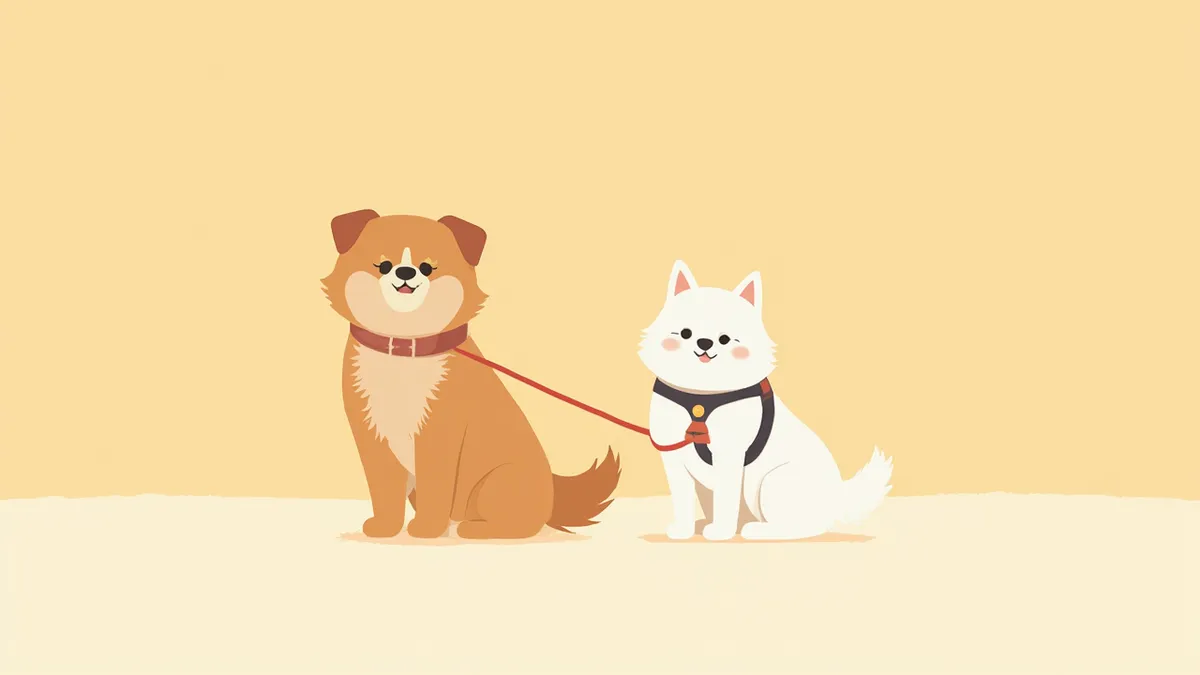
Basic Differences Between Leashes and Harnesses
Leash vs. Harness: A Quick Comparison
| Item | Collar | H-Type Harness | Y-Type Harness |
|---|---|---|---|
| Pressure Point | Neck (trachea) | Chest + shoulders | Chest (sternum) |
| Tracheal Compression Risk | High | Low | Very low |
| Control | Strong | Medium | Medium |
| Shoulder Movement Restriction | None | Possible | Almost none |
| Escape Risk | Low | Medium | Medium |
| Recommended For | Adult dogs needing control | General small/medium dogs | Young puppies, tracheal collapse |
The optimal equipment may vary depending on breed, body type, and health condition.
When a Leash Is Suitable
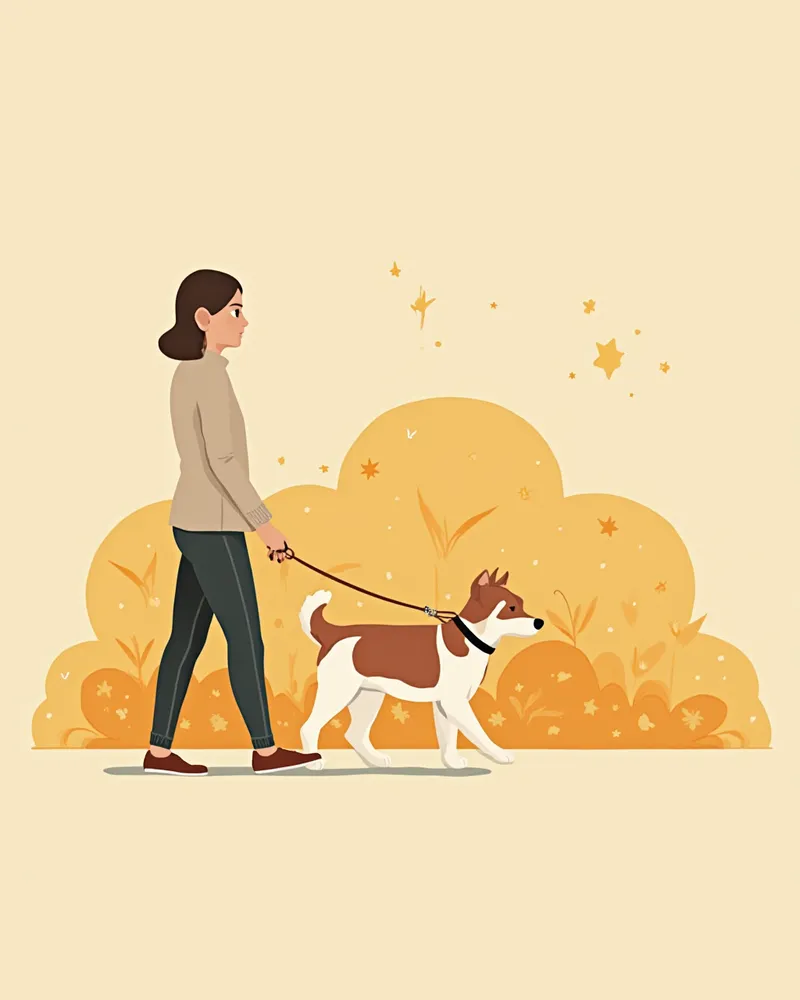
Dogs Who Should Absolutely Avoid Leashes
If any of the following apply, it’s safer to avoid pressure on your dog’s neck. We recommend switching from a standard collar to a front-clip harness that reduces pulling force. - Small breeds with narrow, delicate airways, such as Pomeranians, Yorkshire Terriers, and Chihuahuas - Brachycephalic (short-nosed) breeds like Shih Tzus, Pugs, and Bulldogs, which have narrowed airways and increased respiratory strain - Dogs with a medical history requiring avoidance of neck pressure, such as intervertebral disc disease or cervical spine conditions - Cases involving eye conditions where neck pressure is a concern; consult your veterinarian - Dogs that cough or make choking sounds while pulling on the leash during walks
When a Harness Is Suitable
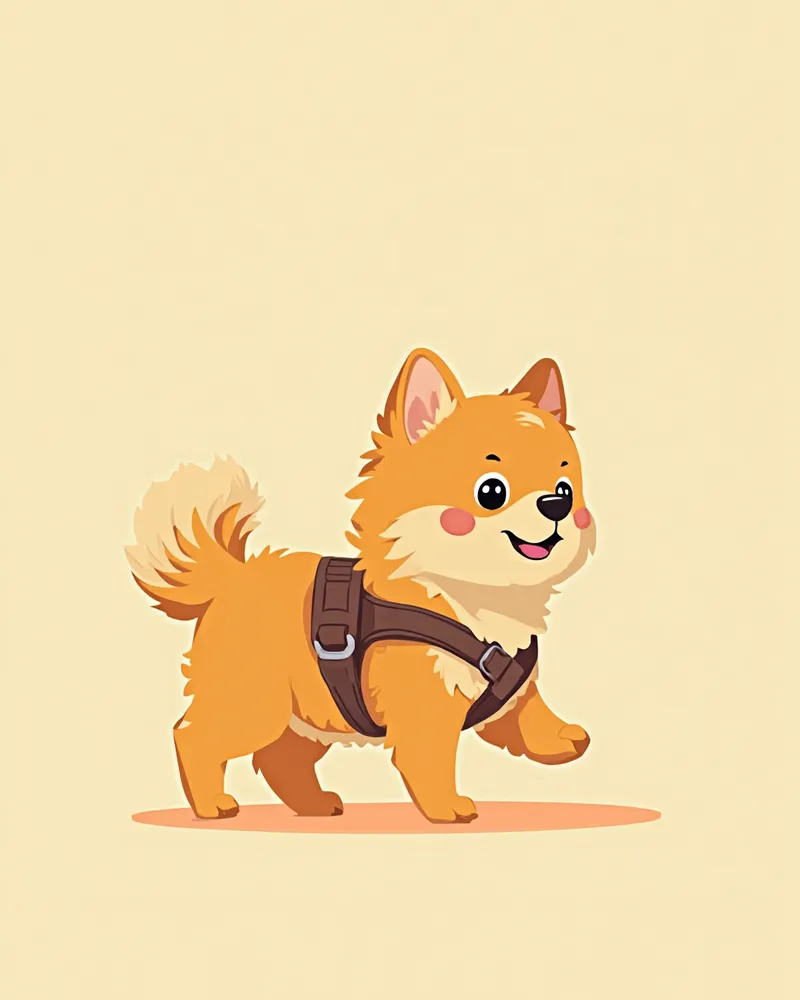
Features of Different Harness Types
Checking for Proper Harness Fit
Even a high-quality harness can be more dangerous than a collar if fitted incorrectly. Please be sure to check the following guidelines: - The Two-Finger Rule: You should be able to comfortably slide two fingers between the harness and your dog’s body. - No Armpit Irritation: If the straps dig into the armpits, they can cause hair loss and dermatitis. - Freedom of Shoulder Movement: The chest strap should not restrict your dog when they extend their front legs. - Secure Fit: The harness should not slip forward over your dog’s head when they lower it. - Regular Checks: Growing puppies require size re-evaluations every 2–3 weeks.
Reviewed by a veterinarian

Dr. Tony — Punnawat Phongkittirak
VeterinarianA veterinarian who majored in veterinary medicine at Khon Kaen University, Thailand, and completed the IVSA program at North Carolina State University in the United States. Drawing on clinical experience at animal hospitals, he works in the pet healthcare field and is dedicated to building a digital care environment that connects pet parents with veterinarians.
Reviewed 2026-04-21
Frequently Asked Questions
Does using a collar really cause airway problems?
Is it true that dogs tend to pull more when wearing a harness?
Can I use a leash and a harness together?
My dog hates wearing a harness. What should I do?
Which is better for a Shih Tzu, a collar or a harness?
Share
Related Guides

Top 7 Short-Legged Dog Breeds

Primary vs. Secondary Veterinary Hospitals: A Comparison

5 Easy-to-Raise Cat Breeds for First-Time Owners — Grooming Difficulty Comparison

Bacterial Culture and Susceptibility Test: When It’s Needed and How to Interpret Results
When should you perform a Vitamin B12 and folate test?

What Are Reticulocyte Counts? — The Key Test to Determine the Cause of Anemia in Pets
Coagulation Time (PT/aPTT) Test: What Does It Mean?

Meaning of the Albumin/Globulin (A/G) Ratio
What is the Puppy Parvo SNAP Test? — From Principles to Result Interpretation

The Complete Guide to Bilirubin Tests and Jaundice Stages
References
[1] Ettinger SJ, Feldman EC, Côté E. Textbook of Veterinary Internal Medicine, 8th Edition. Elsevier, 2017 — Respiratory System Chapter
[2] Carter A, McNally D, Roshier A. Canine collars: an investigation of collar type and the forces applied to a simulated neck model. Veterinary Record, 2020
[3] Pauli AM et al. Effects of the application of neck pressure by a collar or harness on intraocular pressure in dogs. Journal of the American Animal Hospital Association, 2006