Like
Share
멍실장
강아지 종양 영양 지원 자주 묻는 질문 Q&A — 보호자가 꼭 알아야 할 핵심

What Should You Feed a Dog Undergoing Cancer Treatment? — Key Points on Nutritional Support for Tumors

Oncology/CancerQ&AMeongsiljang Veterinary Advisory Board

Proper nutrition is essential for improving treatment outcomes and quality of life in dogs with tumors. Here’s a summary of key nutritional support information that pet owners should know.

Why Is Nutritional Support Important for Dogs with Tumors?
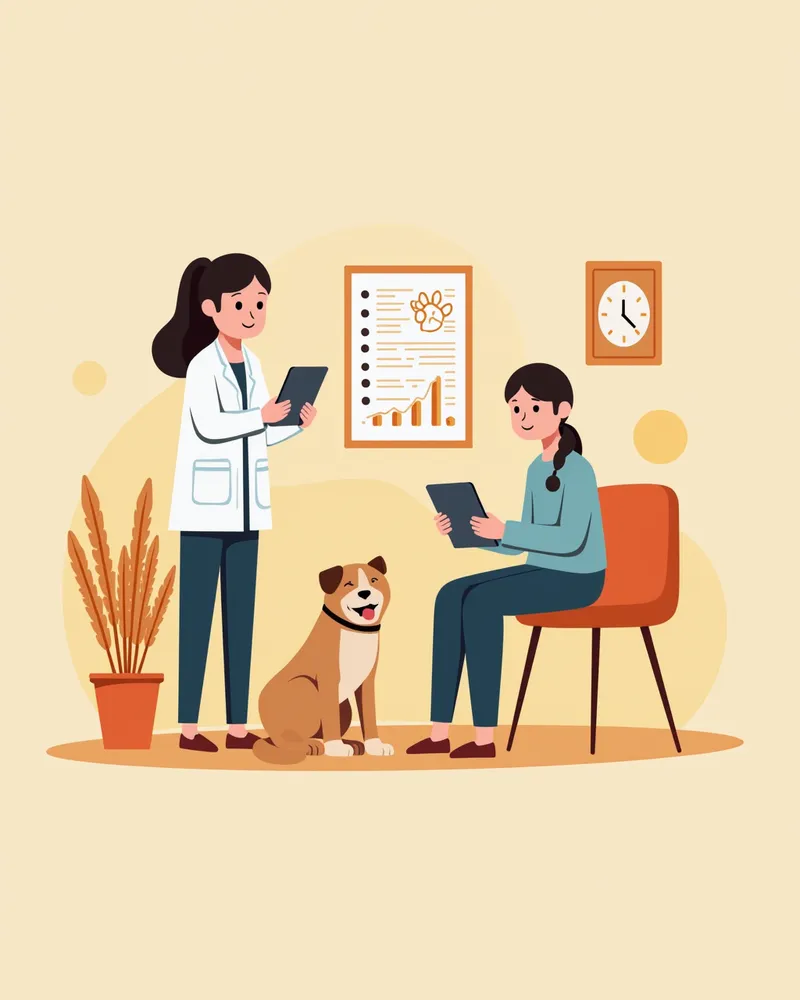
For dogs with tumors, nutritional support is a key factor in building the strength to endure treatment and improving recovery and quality of life. Cancer can lead to a condition called "cancer cachexia," which involves weight loss and muscle (lean body mass) wasting, making proper nutrition essential. Protein and amino acids help prevent muscle loss, while fat serves as a stable energy source, especially when combined with a low-carbohydrate diet. Omega-3 fatty acids and glutamine are nutrients that support immune function and intestinal mucosal health. However, all supplements and dietary changes should be objectively evaluated by a veterinarian for potential interactions with chemotherapy or radiation therapy before being implemented. A customized diet is not just about feeding—it is an integral part of treatment that requires consistent management.
A veterinarian explains a nutritional support plan for a dog with a tumor.

What Nutrients Are Needed for Dogs with Tumors?
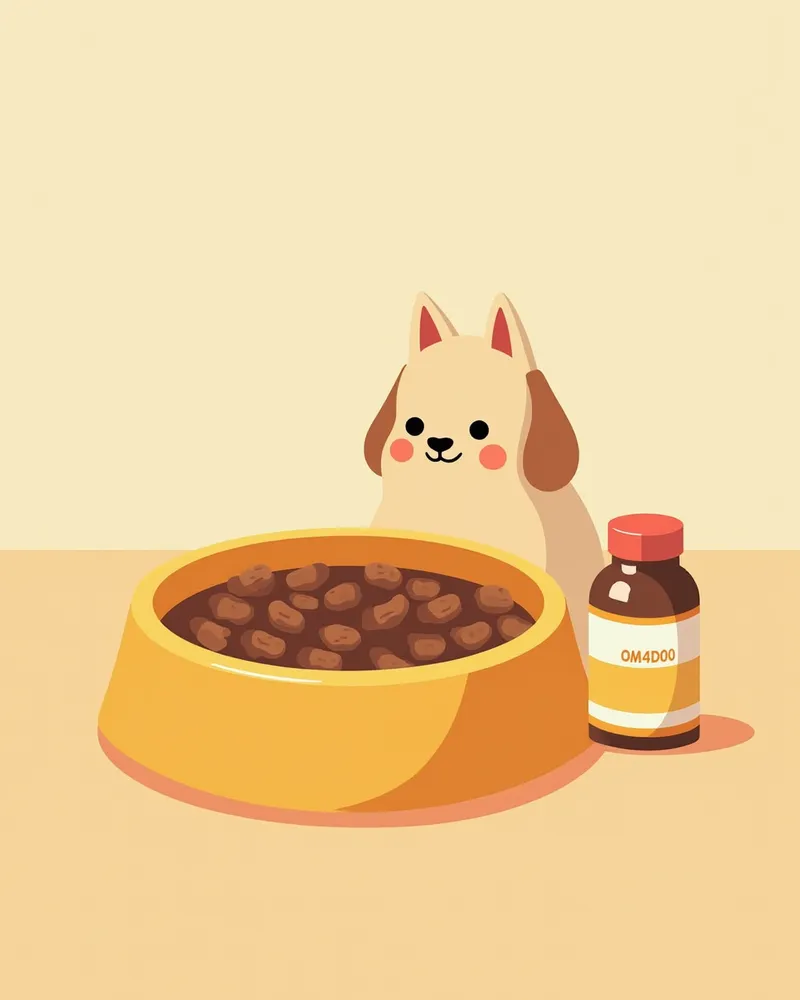
- High-protein diet: Helps prevent muscle (lean body mass) loss and supports the maintenance of physical strength. - High-fat, low-carbohydrate diet: Serves as an efficient, stable source of energy. - Omega-3 fatty acids: Recognized as nutrients that support immune function. - Glutamine: Acts as an energy source for rapidly dividing cells, such as intestinal mucosal cells and lymphocytes, and aids in muscle protein synthesis to help reduce lean body mass loss. - Antioxidants: While often discussed in the context of oxidative stress, potent antioxidant supplements may interfere with the efficacy of chemotherapy and radiation therapy. Always consult your veterinarian to determine whether and when to use them.
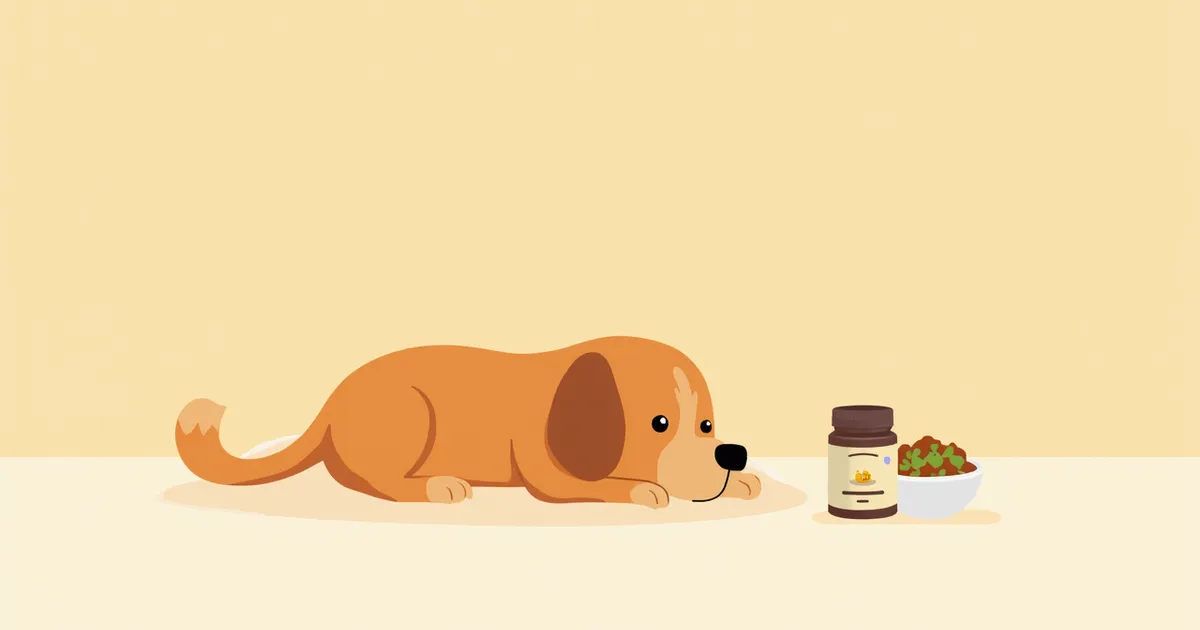
High-protein, high-fat dog food and omega-3 supplements for nutritional support in dogs with tumors

When and How Should Supplements Be Administered?

Supplements can interact with or be contraindicated during chemotherapy and radiation therapy, depending on the type. Therefore, it is best to start taking them only after a veterinarian has objectively assessed your pet and prescribed them, rather than starting them on your own. In particular, supplements with strong antioxidant effects may reduce treatment efficacy, so you must consult your veterinarian regarding whether to use them and when. Dosages vary based on weight and condition, so follow the amount determined by your veterinarian, as well as their specific instructions on administration, such as giving the supplement with or after meals. If side effects like decreased appetite, diarrhea, or vomiting occur during use, please inform your veterinarian immediately. Consistent care and record-keeping significantly impact treatment outcomes.
A guardian carefully measuring out nutritional supplements for their puppy

Comparison Table of Nutritional Supplements for Dogs with Tumors

ItemOmega-3 fatty acidsGlutamineAntioxidant blend
Main effectDiscussed in relation to supporting immune functionSupports intestinal mucosa and immune cells, contributes to reducing lean-mass lossMentioned in relation to oxidative stress
Recommended timingWhether and when to use is decided after veterinary evaluationWith or after meals per veterinary guidanceMay be contraindicated during chemotherapy/radiation, so always consult your veterinarian
PrecautionsMay affect bleeding/blood clotting, so needs to be verified at the clinicOverdose may cause indigestionMay impair the efficacy of chemotherapy/radiation, so always consult before concurrent use

All supplements should be taken under veterinary guidance. Always consult before use.

Caution: Overdosing on Supplements Is Dangerous

Overdosing on nutritional supplements for dogs with tumors can cause digestive issues like vomiting and diarrhea. In particular, supplements with strong antioxidant effects may reduce the effectiveness of chemotherapy and radiation therapy, and omega-3 fatty acids can influence bleeding tendencies depending on the dosage. Therefore, it is essential to strictly follow the dosage and administration schedule prescribed by your veterinarian. All supplements should be used only after a veterinarian has evaluated them for potential interactions with ongoing treatments, and you should visit the clinic immediately if any abnormal symptoms occur during use.

How to Manage Feeding Habits

For dogs with tumors, it’s best to maintain a consistent feeding routine and divide meals into small, frequent portions. Feeding three to four times a day in small amounts helps maintain body weight effectively. Warming the food to enhance its aroma can stimulate appetite. Keep meal times consistent and feed in a quiet, calm environment. Simple food modifications or appetite enhancers can also be helpful. After meals, allow plenty of rest time, and keep track of any changes in appetite.
A dog eating in a quiet environment

Nutritional Status Signs Owners Must Check
- Weight Loss: If you notice your pet starting to lose weight, it’s important to check in right away. Weight and muscle loss are common signs of cancer-related cachexia. - Decreased Appetite: Your pet may eat very little or repeatedly refuse food. - Fatigue and Weakness: You might observe a decrease in daily activity, with your pet sleeping most of the day or showing little movement. - Diarrhea or Vomiting: Ongoing digestive issues could indicate problems with nutrient absorption. - Changes in Coat Condition: If your pet’s fur becomes rough or starts falling out, it may be a sign to evaluate their nutritional status.
Dull coat and weight loss that may signal nutritional deficiencies

Practical Tips to Enhance the Effectiveness of Nutritional Support

- Create a calm dining environment: Let your pet eat in a quiet, stable place. - Adjust food temperature: Warm food has a stronger aroma, which can stimulate appetite. - Mix supplements: Adding supplements to their food can reduce resistance to eating. - Keep records: Briefly noting daily food intake and condition makes communication with your vet easier. - Regular check-ups: It’s important to periodically assess your pet’s nutritional status.
A journal and supplements for tracking your dog’s nutritional status

Reviewed by a veterinarian

Dr. Tony — Punnawat Phongkittirak

Dr. Tony — Punnawat Phongkittirak

Veterinarian

A veterinarian who majored in veterinary medicine at Khon Kaen University, Thailand, and completed the IVSA program at North Carolina State University in the United States. Drawing on clinical experience at animal hospitals, he works in the pet healthcare field and is dedicated to building a digital care environment that connects pet parents with veterinarians.

Frequently Asked Questions

Can I administer the supplement at home?
No. Supplements should be given according to the dosage and schedule prescribed by your veterinarian. Overdosing can actually harm your pet’s health, so never administer them on your own without professional guidance.
Can I feed my pet only supplements instead of regular meals?
No. Supplements are meant to complement, not replace, meals. A balanced diet should always be the foundation, and supplements should only be used as an additional support.
Does it become harder for pets to get enough nutrients as their tumor progresses?
Yes. As the tumor progresses, appetite loss and impaired digestive function worsen, making it difficult for your pet to get adequate nutrition. At this stage, it’s important to work with your veterinarian to adjust the nutritional support strategy.
Can nutritional support enhance the effectiveness of treatment?
Yes. Proper nutrition significantly improves treatment tolerance, recovery speed, and quality of life. Nutrition should be considered an integral part of treatment.
What should I do if my pet gets diarrhea after taking the supplement?
Stop giving the supplement right away and contact your veterinarian. The ingredients or dosage may not be appropriate for your pet, so adjustments may be necessary.

Share

Related Guides

References

[1] Glenna E. Mauldin. (2023). Nutritional Management of Oncologic Diseases in Dogs. Applied Veterinary Clinical Nutrition, 2nd Ed.

[2] Richardson, R.A. and Davidson, H.I.M. (2003). Nutritional demands in acute and chronic illness. Proc. Nutr. Soc. 62: 777–781.

[3] Remillard, R.L. et al. (2010). Glutamine and immune function in dogs with cancer. Journal of Veterinary Internal Medicine, 24(3): 567–573.

This information is based on veterinary literature and does not replace diagnosis or treatment. Please consult a veterinarian for specific health concerns.

Metapet Co., Ltd. | CEO: Park Sung-yong | Business Reg. No. 417-88-02562 | Seoul, South Korea | Customer Center

What to Feed a Dog During Cancer Treatment: Tumor Nutrition Guide | Meongsiljang