
Feline Calcium Oxalate Uroliths FAQ — Key Information Pet Owners Must Know
Feline calcium oxalate uroliths are stones that form in the urinary tract and can cause pain and urinary difficulties. Here’s a summary of the key information pet owners should know.
What Are Feline Calcium Oxalate Uroliths?
Why Do Cats Develop Calcium Oxalate Uroliths?
What Are the Main Symptoms When Uroliths Form?
Symptoms Requiring Immediate Veterinary Attention
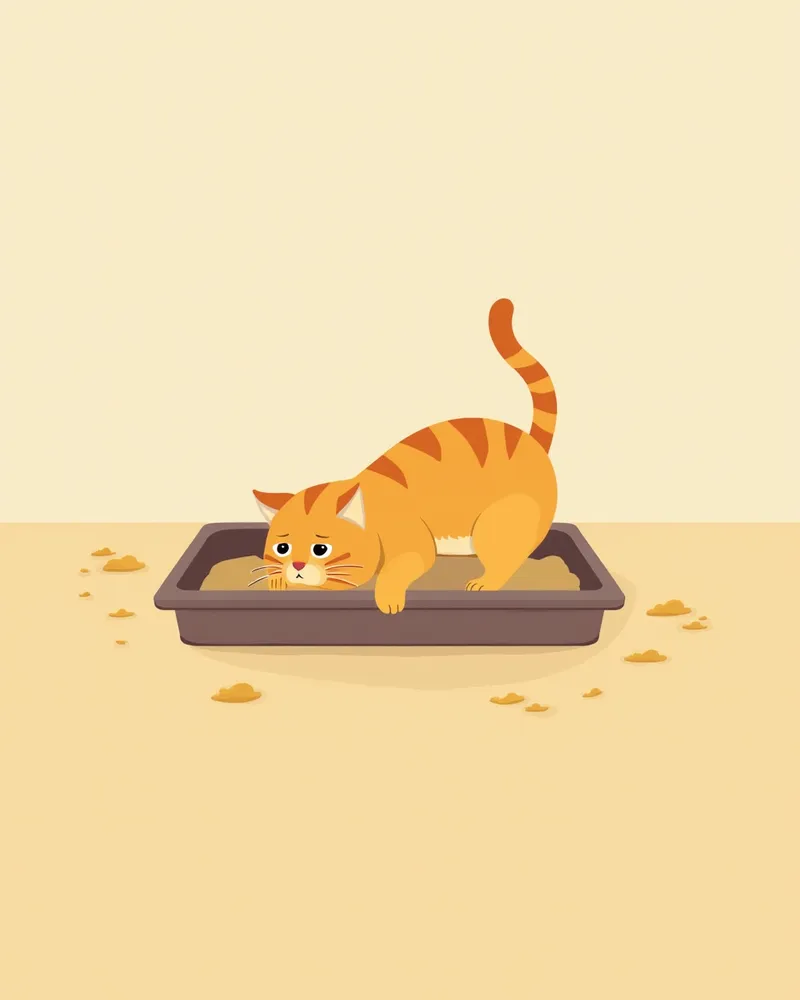
If your cat strains to urinate but produces no urine, or shows signs of distress such as excessive licking of the lower back or crying out in pain, it may be suffering from a urinary tract obstruction. This is a life-threatening emergency that requires immediate veterinary attention. A veterinarian will urgently relieve the blockage and remove any urinary stones.
Comparison of Urolith Types by Characteristics
| Item | Type | Main Cause | Characteristics | Treatment Direction |
|---|---|---|---|---|
| Calcium Oxalate Urolith | High urine concentration, insufficient water intake, excessive calcium and oxalate intake | Small, sharp shape, severe pain, high recurrence probability | Common in cats. Cannot be dissolved with special diet. | Surgery, laser lithotripsy, increased water intake, dietary control, maintaining veterinarian-recommended diet |
| Struvite Urolith | Alkaline urine (high pH), may accompany infection | Smooth surface, easily crumbles | Common in cats, and differs from calcium oxalate in that dietary dissolution is sometimes possible | Acidifying diet, drug-therapy focused |
| Urate Urolith | Increased uric acid concentration in urine, related to hepatic metabolic abnormalities | Relatively uncommon but can cause urethral obstruction in males | Genetic and metabolic predisposition | Focused on low-protein, alkalinizing, diuretic diet; surgical removal if necessary |
Since treatment differs depending on the type of urolith, accurate diagnosis is essential.
What Are the Treatment Options?
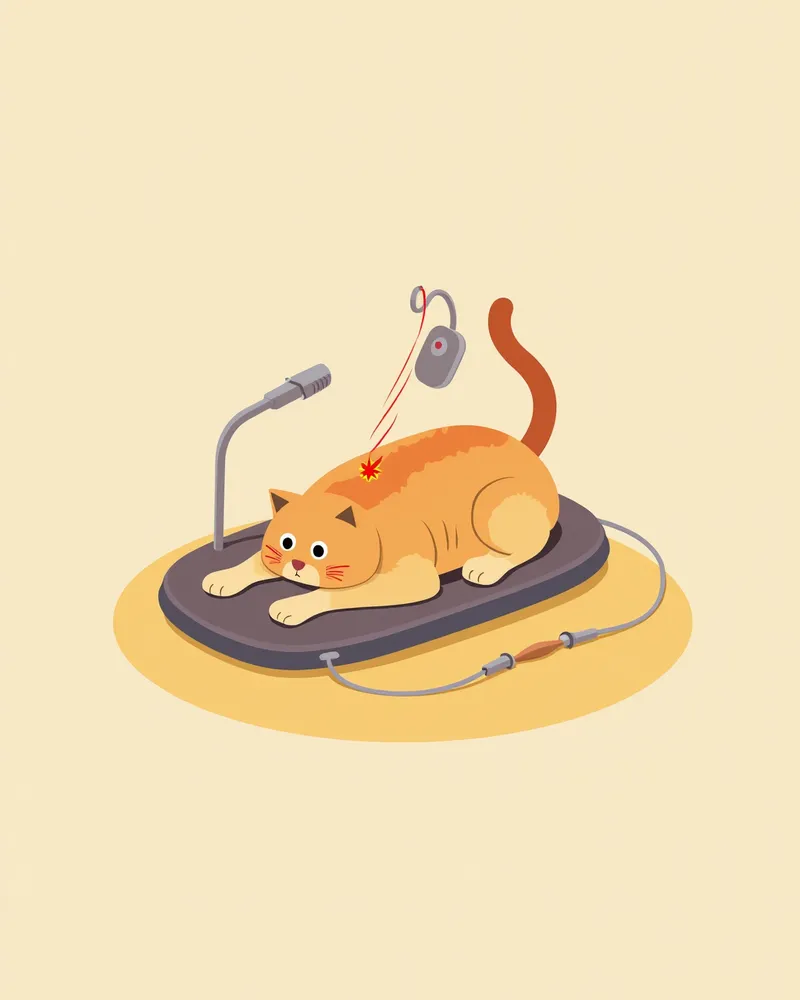
Home Management Strategies
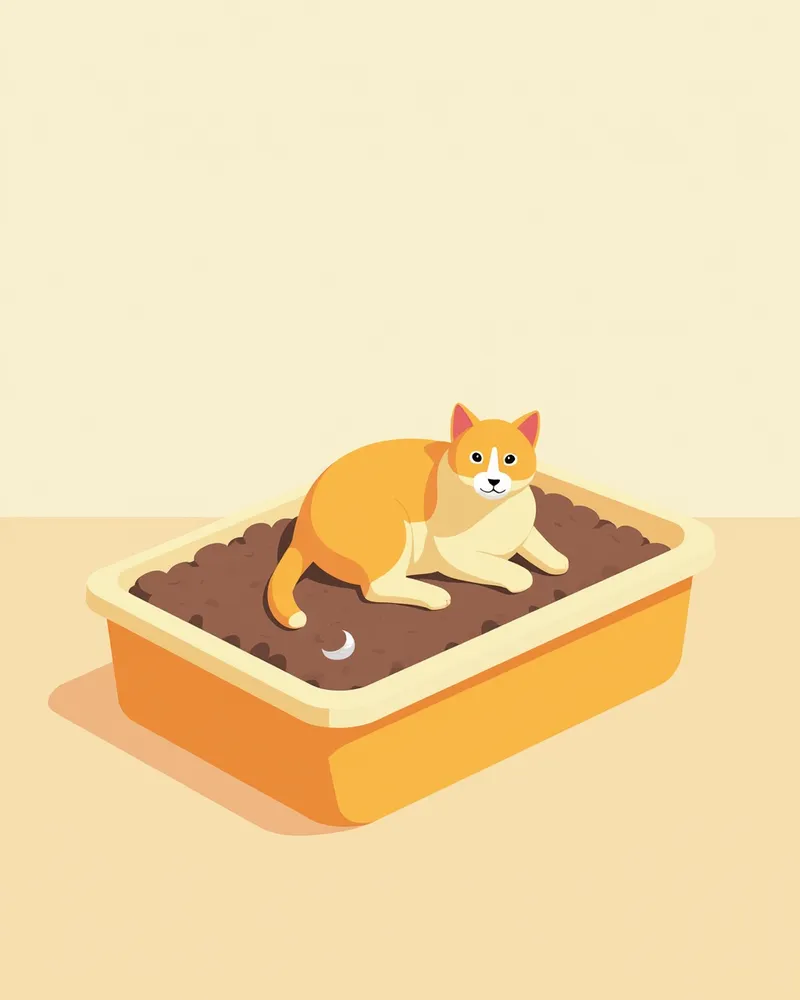
Caution: Risk of Recurrence Due to Improper Diet
Feeding regular pet food or human meals increases the risk of urinary stone recurrence. In particular, avoid foods high in calcium and oxalate. The safest approach is to feed only the diet recommended by your veterinarian. Dietary management is not a short-term fix but a lifelong part of care.
Reviewed by a veterinarian

Dr. Tony — Punnawat Phongkittirak
VeterinarianA veterinarian who majored in veterinary medicine at Khon Kaen University, Thailand, and completed the IVSA program at North Carolina State University in the United States. Drawing on clinical experience at animal hospitals, he works in the pet healthcare field and is dedicated to building a digital care environment that connects pet parents with veterinarians.
Reviewed 2026-06-29
Frequently Asked Questions
Can calcium oxalate urinary stones in cats be cured?
Won’t drinking plenty of water prevent urinary stones?
Is surgery the only option for treating kidney stones?
Are male cats at higher risk?
What kind of food should I feed my pet to help prevent health issues?
Share
Related Guides
Top 5 Prescription Diets for Feline FLUTD — Comparison by Struvite and Calcium Oxalate Stones
Top 7 Prescription Diets for Feline Bladder and Urinary Tract Health Recommended by Veterinarians — Including Selection Criteria

Top 5 Cranberry Urinary Supplements for Dogs — Preventing Cystitis
Dog's Belly Is Bloated — Is It Ascites? Liver Disease Signs and When to Visit the Vet
What Is Canine Acute Liver Failure? — Jaundice, Loss of Appetite, and When to Go to the Vet
Feline Portosystemic Shunt: Should Surgery Be Performed? — Frequently Asked Questions on Timing, Success Rates, and Prognosis
If Your Cat Keeps Acting Dull — Causes of Portosystemic Shunt (PSS) and When to Visit the Vet
What Is Feline Hepatic Lipidosis? A Must-Read for Owners: Symptoms, Treatment, and Recovery
What is Canine Renal Dysplasia? — From Genetics to Diagnosis and Management
Is Proteinuria in Dogs Really Dangerous? — Q&A on Interpreting and Managing the UPC Ratio
References
[1] Bartges, J.W. et al. (2004). Influence of alkalinization and acidification on urine saturation with calcium oxalate and struvite and bone mineral density in healthy cats. Am J Vet Res, 65(1), 138–142.
[2] Lulich, J.P. et al. (2009). Efficacy and safety of laser lithotripsy in fragmentation of urocystoliths and urethroliths for removal in dogs. J Am Vet Med Assoc, 234(1), 76–82.
[3] Osborne, C.A. et al. (2008). Epidemiologic study of risk factors for lower urinary tract diseases in cats. J Am Vet Med Assoc, 232(5), 700–708.