Like
Share
멍실장
고양이 배뇨 곤란(스트레인거리아) 자주 묻는 질문 Q&A — 보호자가 꼭 알아야 할 핵심

Frequently Asked Questions About Feline Dysuria (Straining to Urinate) — Key Points Every Pet Owner Should Know

UrinaryQ&AMeongsiljang Veterinary Advisory Board

Feline dysuria is a life-threatening emergency. Here’s a summary of key questions and responses every pet owner should know.

What Is Feline Dysuria (Straining to Urinate)?
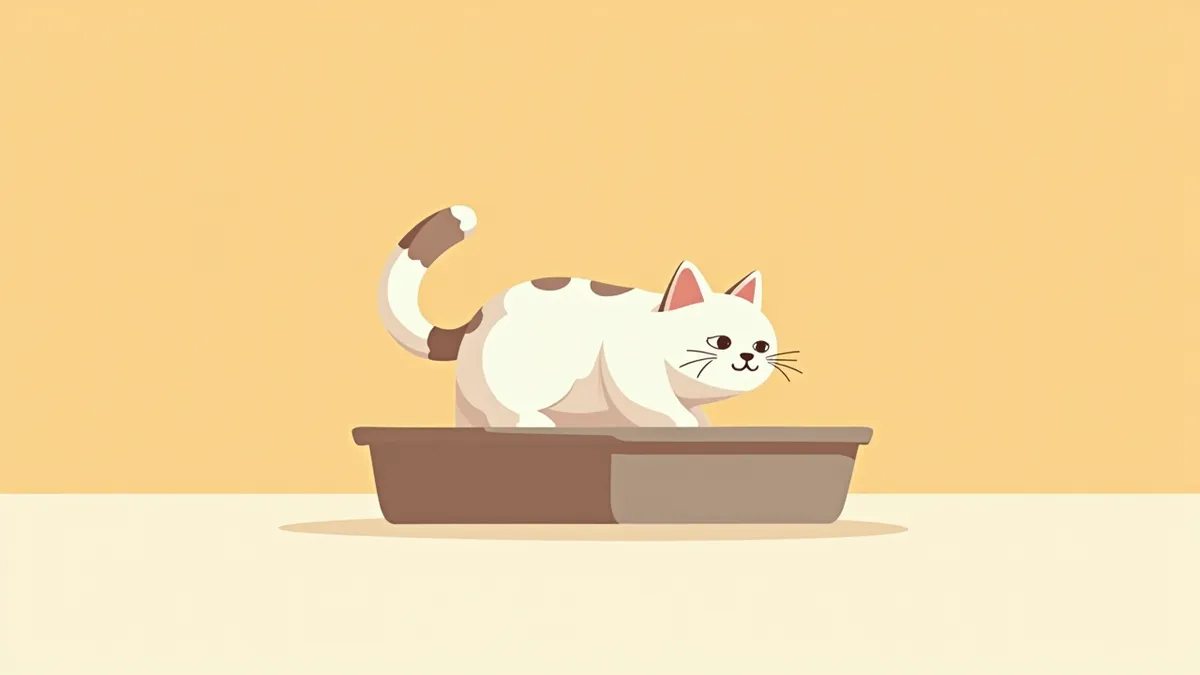
A male cat experiencing difficulty urinating, with a tense expression.
Feline dysuria, or straining to urinate, is a condition where a cat experiences significant difficulty passing urine. Male cats are especially prone to urinary blockages due to their longer, narrower urethras. - Urinary blockage: Little to no urine is passed. - Repeated attempts at the litter box: The cat tries to urinate but is unsuccessful. - Signs of distress: The cat may crouch or show facial expressions indicating pain. A complete urinary blockage is a life-threatening emergency requiring immediate veterinary care. Blocked urine can lead to kidney damage and, in severe cases, death. Prompt action can save your cat’s life.

Why Do Cats Experience Difficulty Urinating?
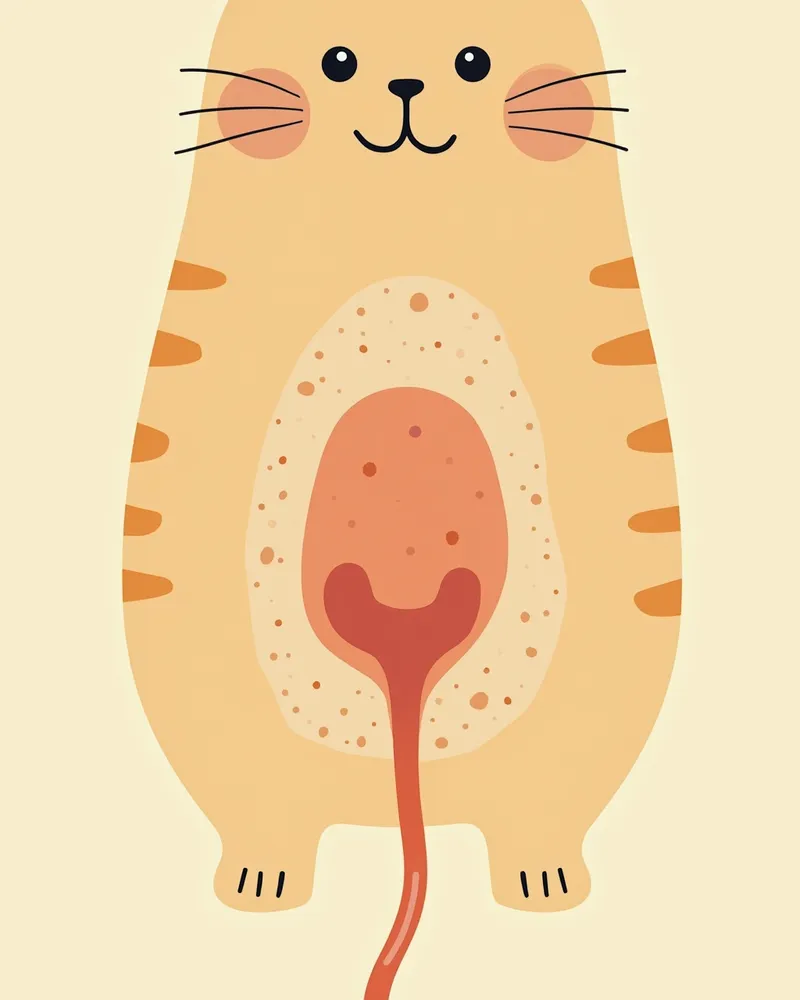
The main cause of difficulty urinating is a blockage in the urinary tract. - Urinary stones: Stones formed by the coagulation of minerals such as calcium and magnesium can obstruct the urinary tract. In cats, struvite and calcium oxalate stones are the most common types. - Mucus plugs (urethral plugs): Mucus produced in the urinary tract, along with crystals, can clump together and block the urethra. - Feline idiopathic cystitis (FIC): This is a sterile form of cystitis not caused by bacterial infection, resulting in inflammation of the bladder. It is diagnosed after ruling out other causes and is the most common cause of feline lower urinary tract disease (FLUTD). - Insufficient water intake: Drinking too little water or eating only dry food can lead to concentrated urine, increasing the risk of stone formation. These factors can also interact in combination.
An anatomical diagram illustrating the structure of the male cat’s urinary tract and the causes of urinary blockage

What Are the Main Symptoms of Difficulty Urinating?
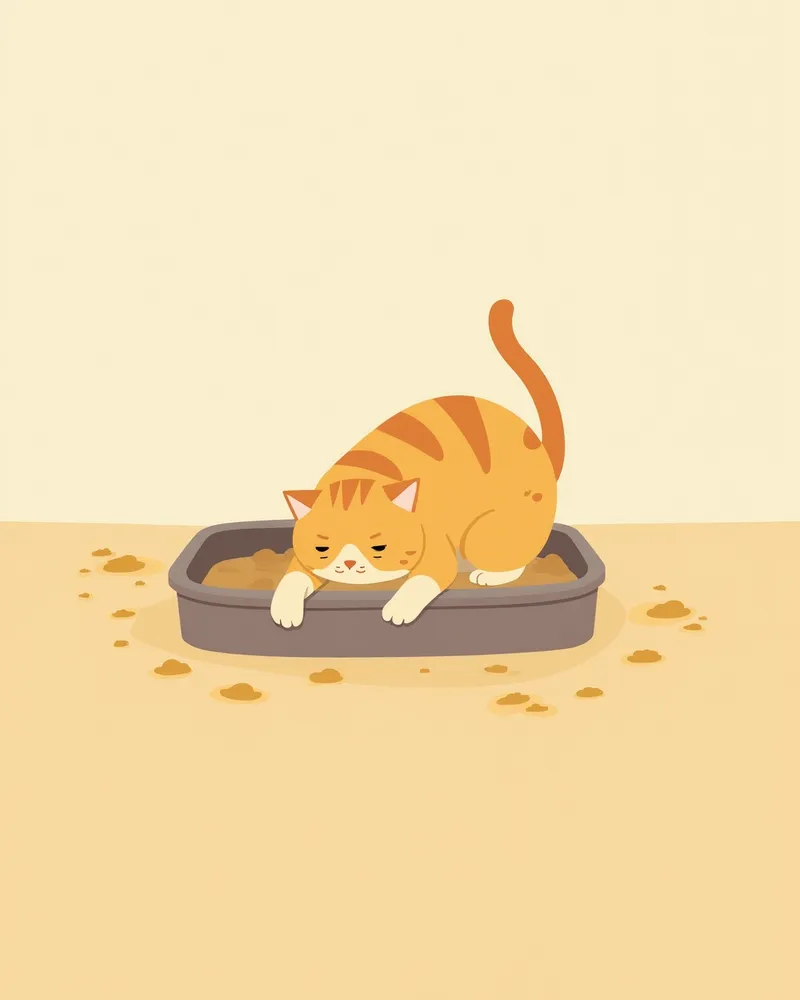
There are several signs that a cat may exhibit when experiencing difficulty urinating. These behaviors indicate an immediate need for a veterinary visit.
Urinary tract obstruction: The cat attempts to urinate but produces little to no urine.
Repeatedly waiting at the litter box: The cat repeatedly sits and stands in the litter box while attempting to urinate.
Vocalization or signs of pain: The cat cries out in distress due to pain during urination and frequently licks the genital area.
Distended abdomen: The bladder becomes hard and swollen due to retained urine, and the abdomen is painful to the touch.
Lethargy and shock symptoms: The cat may collapse weakly, and extremities such as the ears may become cold. Urinary obstruction is life-threatening, so immediate veterinary care is essential.
A cat suffering from difficulty urinating, exhibiting repetitive behavior in front of the refrigerator.

Emergency Situations Requiring Immediate Veterinary Visit

If your cat is unable to urinate at all and its abdomen feels hard or distended when touched, you should take it to the vet immediately. Urinary tract obstruction is a life-threatening emergency; when urine flow is blocked, electrolyte and acid-base imbalances can develop, leading to kidney damage and, in severe cases, death. This is a condition that requires immediate emergency treatment without any delay.

Symptoms and Responses Based on Severity of Difficulty Urinating

ItemMildModerateSeverity
Urination FrequencyFrequent but small amountsTries but almost nothing comes outNone at all
Behavioral ChangesAnxious, waiting in front of the litter boxCrying, expression of painLethargy, state of shock
Immediate ResponseObserve and recordVisit the hospital as soon as possibleVisit the emergency room immediately

If the urinary tract is completely blocked, it is a life-threatening emergency, so if no urine comes out at all, go to the hospital immediately without a moment's delay.

Initial Home Care Measures
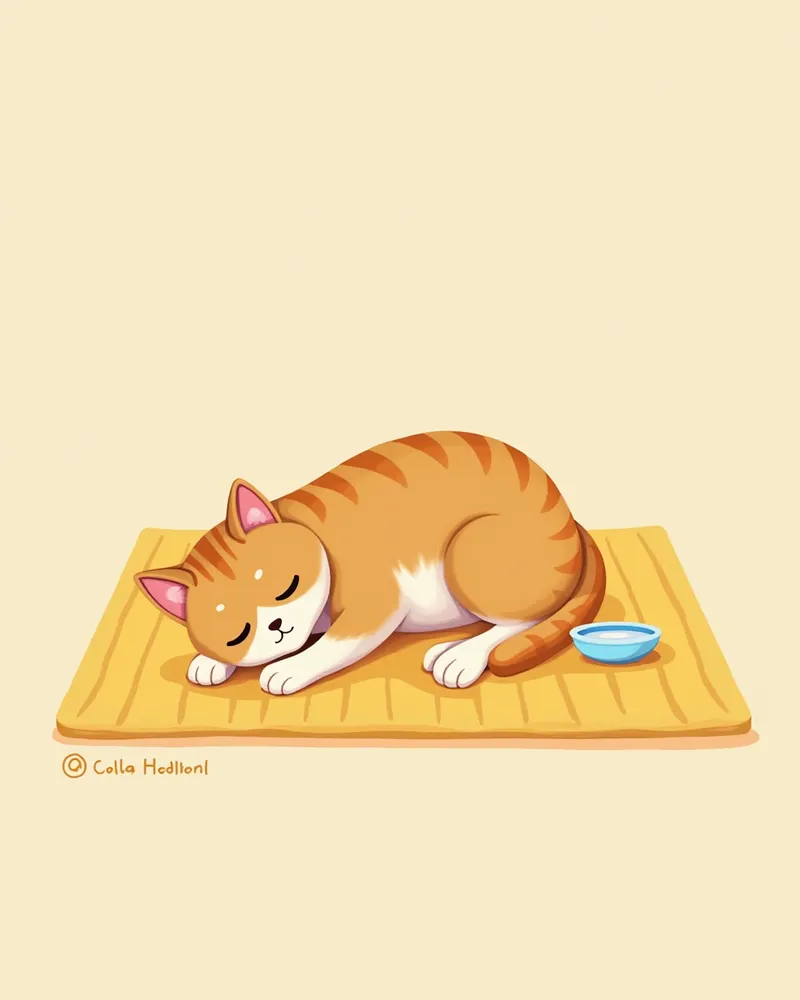
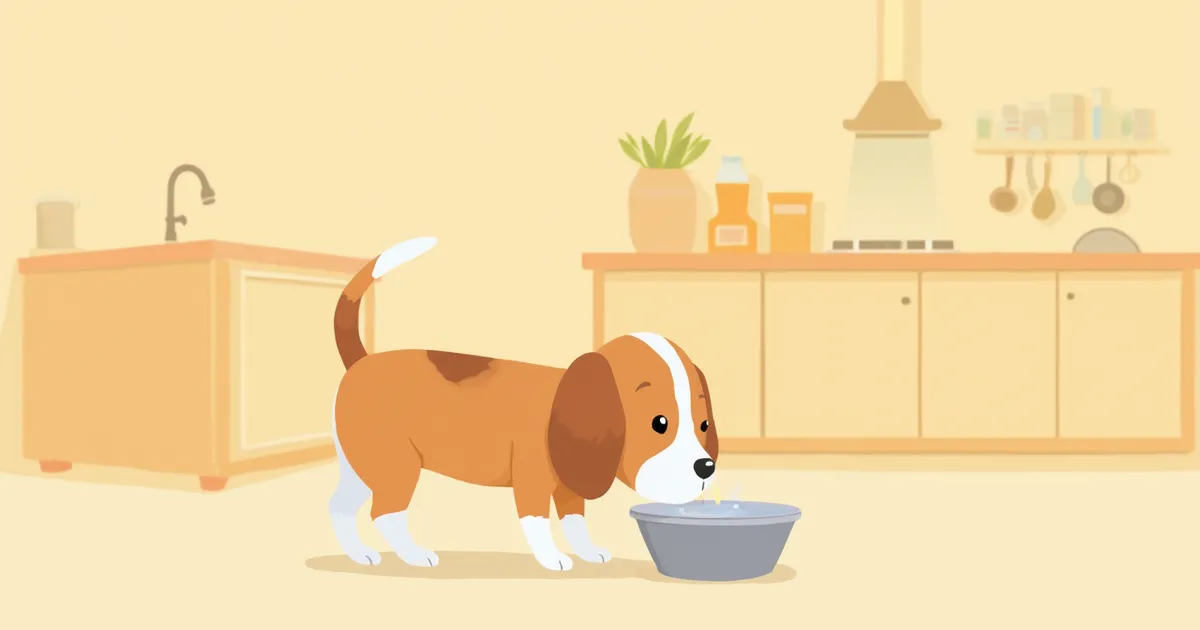
When a cat has difficulty urinating, the owner must take immediate action. - Calm the cat: Place the cat in a quiet, secure area to minimize stress. - Prepare for transport: Get ready to take the cat to the veterinary clinic as soon as possible. - Provide fresh water: Change the water frequently and place multiple water bowls around the home. - Offer warm water: Cats are often more inclined to drink warm water than cold. - Do not administer medication: Never give any medications found at home. Professional veterinary prescription is required. Please note that all these steps are temporary measures only until you reach the clinic.
Giving water to calm down a cat

Daily Management Tips for Prevention

Preventing difficulty with urination requires consistent daily care, particularly in managing your cat’s diet and hydration.
Increase water intake: Change the water frequently and place multiple bowls around the home.
Dietary management: Choose food that supports urinary tract health. Incorporating wet food, which has a higher moisture content, is more beneficial than feeding only dry kibble.
Regular check-ups: Schedule routine urine tests.
Stress management: Minimize environmental changes and conflicts with other animals, as stress increases the risk of feline idiopathic cystitis and urinary blockages.
Litter box hygiene: Clean the litter box daily to maintain a clean environment.
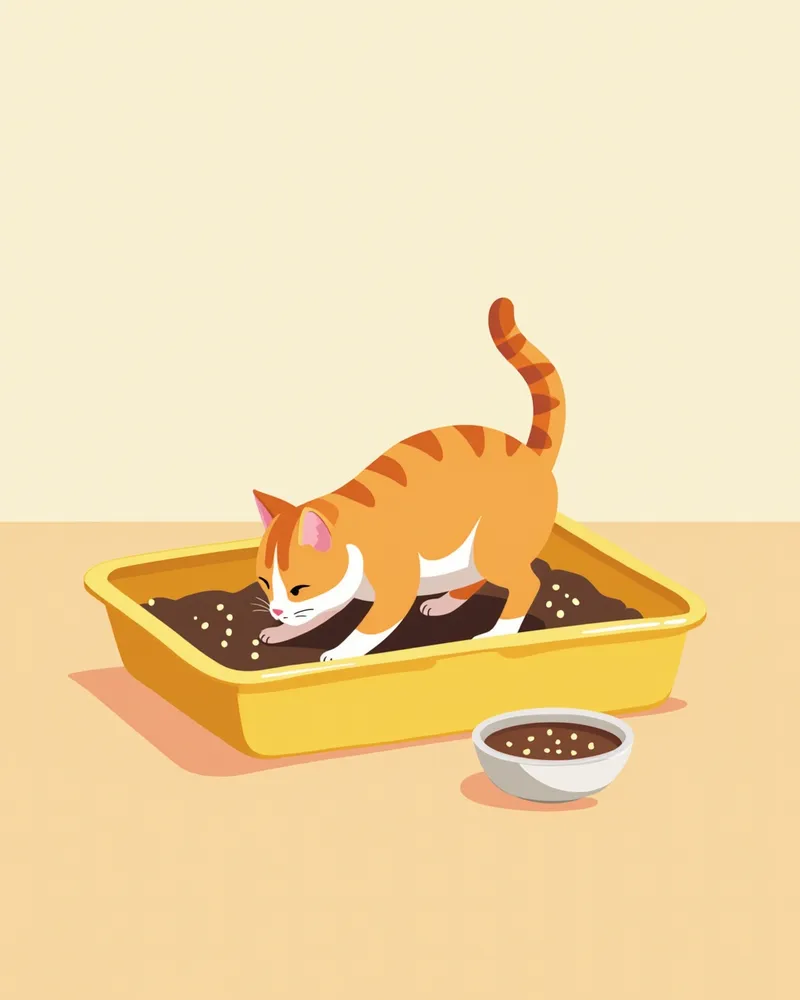
A cat-friendly environment with a clean litter box and fresh water bowl

Male Cats Require Extra Attention

Male cats have longer and narrower urethras, making them more prone to urinary tract obstructions and difficulty urinating. However, female cats can also experience urinary difficulties due to bladder stones, urinary tract infections, or cystitis. Therefore, careful attention is needed for all cats, regardless of gender.

Reviewed by a veterinarian

Dr. Tony — Punnawat Phongkittirak

Dr. Tony — Punnawat Phongkittirak

Veterinarian

A veterinarian who majored in veterinary medicine at Khon Kaen University, Thailand, and completed the IVSA program at North Carolina State University in the United States. Drawing on clinical experience at animal hospitals, he works in the pet healthcare field and is dedicated to building a digital care environment that connects pet parents with veterinarians.

Frequently Asked Questions

How dangerous is it when a cat can't urinate?
A complete urinary blockage is a medical emergency that can rapidly lead to kidney damage or even death due to electrolyte imbalances and other complications. Immediate veterinary care is essential if you suspect this condition.
Is difficulty urinating common in cats?
Feline lower urinary tract disease is relatively common, and among these conditions, urinary obstruction—where the urinary tract becomes blocked—is a dangerous acute condition that occurs more frequently in male cats due to their narrower urethra. Female cats can also experience similar symptoms caused by bladder stones or inflammation.
What should I do if my pet can’t urinate at home?
You need to go to the vet immediately. No matter how hard you try at home, a blocked urinary tract won’t clear itself. The sooner your pet receives treatment, the better their chances of survival.
What can be done to prevent it?
The most effective approach is to encourage increased water intake, feed a diet that supports urinary tract health, and schedule regular veterinary check-ups. Additionally, it’s important to minimize stress and maintain a clean litter box environment.
Is only male cats at risk?
While male cats are at higher risk, female cats can also experience difficulty urinating due to urinary tract infections or bladder stones. All cats require proactive management to mitigate these risks.

Share

Related Guides

References

[1] Carney et al. (2014) A Professional’s Guide to Feline Behaviour. Wiley-Blackwell.

[2] Clinical Medicine of the Dog and Cat, 4th Ed. Elsevier Health Sciences.

[3] The Cat, Clinical Medicine and Management, 2nd Edition. Elsevier.

This information is based on veterinary literature and does not replace diagnosis or treatment. Please consult a veterinarian for specific health concerns.

Metapet Co., Ltd. | CEO: Park Sung-yong | Business Reg. No. 417-88-02562 | Seoul, South Korea | Customer Center

Feline Dysuria FAQ: Emergency Signs & What to Do Now | Meongsiljang