Like
Share
멍실장
자궁축농증 수술 과정 단계별 완벽 정리

Step-by-Step Guide to Pyometra Surgery in Dogs

ImmunityQ&AMeongsiljang Veterinary Advisory Board

Surgery for pyometra in dogs is an emergency procedure that involves removing both the uterus and ovaries. We’ve outlined the process step by step, from diagnosis to anesthesia, incision, and recovery.

What Is Pyometra Surgery?
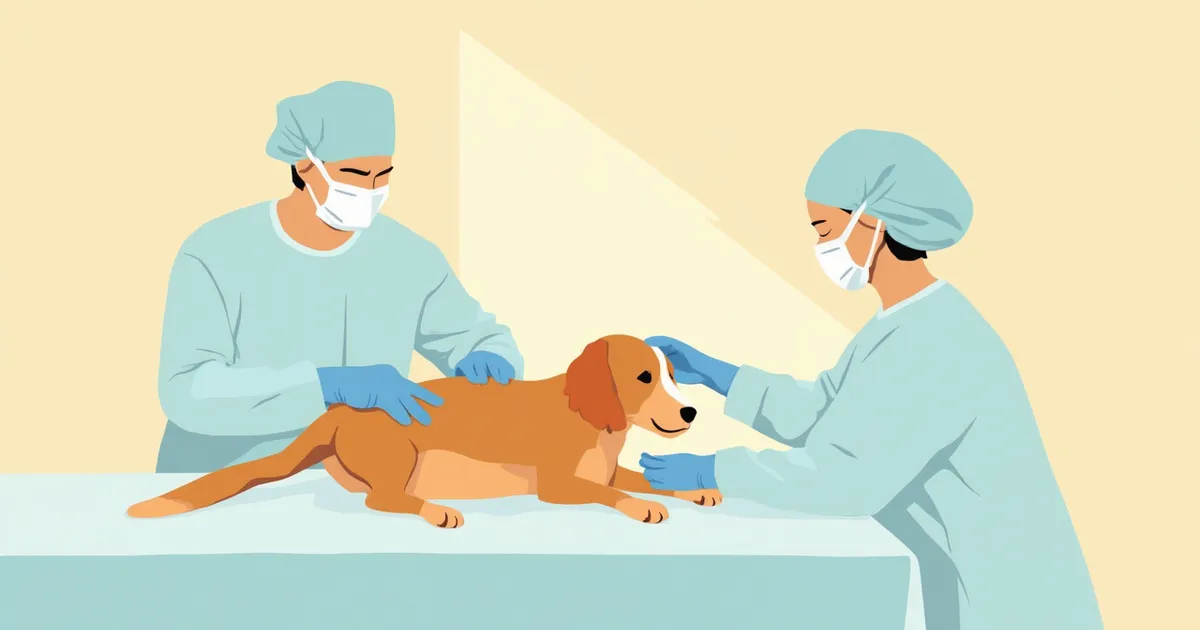
A puppy undergoing a pre-surgical examination
Surgery for pyometra is an emergency abdominal procedure that removes the pus-filled uterus along with the ovaries to eliminate the source of infection. Time is truly of the essence. If the uterus ruptures, it can lead to peritonitis and sepsis, potentially resulting in death within hours. Therefore, once the diagnosis is confirmed, surgery should ideally be performed on the same day or within 24 hours. This is why surgery takes priority over medical management.

Why Is Surgery Necessary?

Pyometra is a condition in which bacteria proliferate and pus accumulates in the uterus of intact female dogs, typically occurring in the post-estrus phase (within approximately two months after heat). Antibiotics alone cannot empty the pus-filled uterus and carry a very high risk of recurrence. According to veterinary internal medicine textbooks, even with medical management, there is a significant risk of symptom recurrence after the next estrus cycle, and this risk increases further in older dogs or those with underlying health conditions, making surgery even more strongly recommended. Therefore, ovariohysterectomy (surgical removal of the ovaries and uterus) to address the root cause is the standard treatment.

Overview of Surgical Steps

Surgery for pyometra involves much more careful steps than a routine spay. Check out the table below to see how each step unfolds.

Step-by-Step Progression of Pyometra Surgery

ItemTime RequiredMain Content
1. Emergency Diagnosis1–2 hoursUltrasound, blood tests, X-ray
2. Preoperative Stabilization2–6 hoursFluids, antibiotics, electrolyte correction
3. Anesthesia Induction20–30 minutesPremedication → intubation → inhalation anesthesia
4. Laparotomy and Resection40–90 minutesLigation and removal of uterus and ovaries
5. Lavage and Suturing20–30 minutesAbdominal lavage, fascia and skin suturing
6. Recovery and Hospitalization2–5 daysPain management, infection monitoring

The time may vary depending on body weight, whether the uterus has ruptured, and underlying conditions.

Steps 1–2: Diagnosis and Preoperative Stabilization
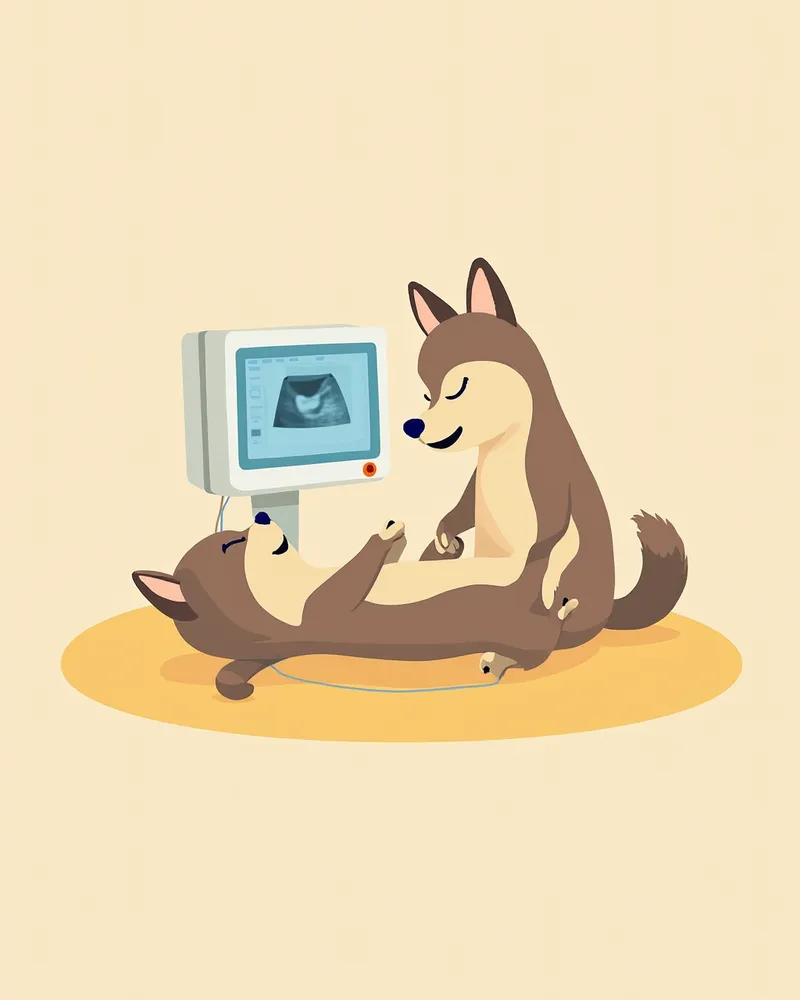
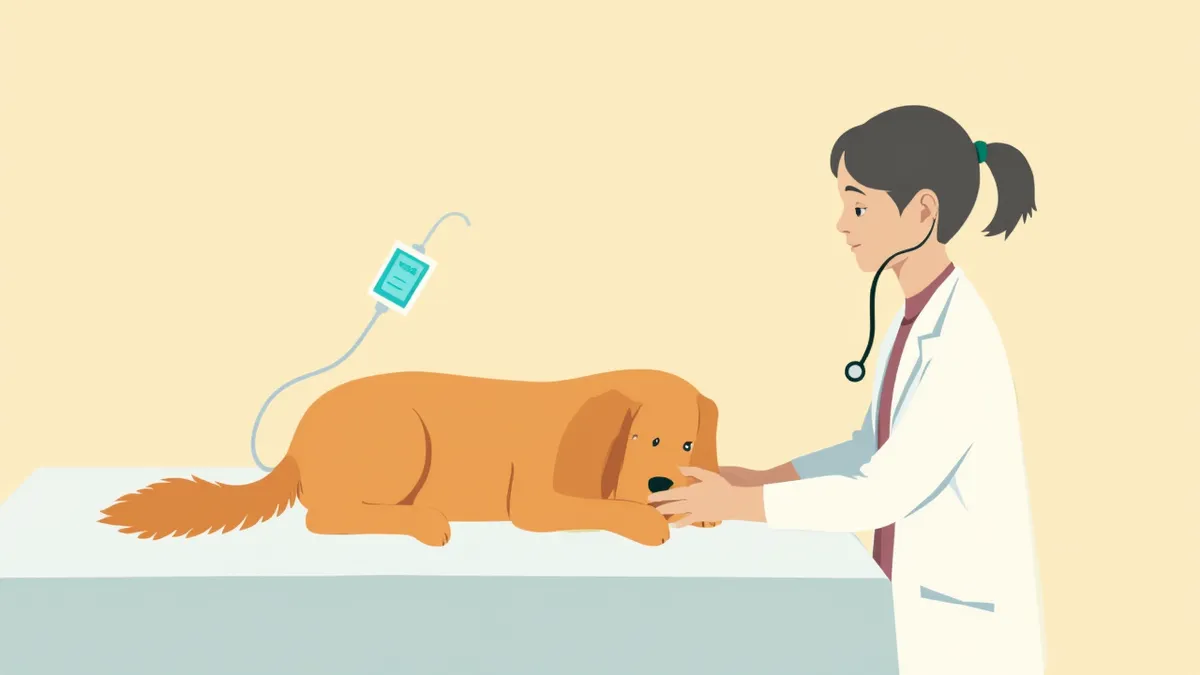
Upon arrival at the clinic, we first confirm the presence of pus in the uterus via abdominal ultrasound and assess the severity of infection (white blood cell count, CRP) and organ function (kidneys, liver) through blood tests. Because many pyometra patients arrive dehydrated or septic, proceeding directly to surgery carries a high anesthetic risk. The standard protocol is to stabilize blood pressure and electrolytes by administering fluids, antibiotics, and pain medication intravenously for 2–6 hours before proceeding with surgery.
A scene of a puppy undergoing an abdominal ultrasound examination.

Steps 3–4: Anesthesia and Actual Resection Process

Anesthesia is induced with a pre-anesthetic to relax the patient, then maintained with oxygen and inhaled anesthetic gas after endotracheal intubation. A 5–10 cm incision is made in the midline of the abdomen, just below the umbilicus, to remove the distended uterus. - Ligation: The uterine and ovarian arteries are securely tied off with absorbable suture material. - Excision: The uterus and both ovaries are removed en bloc, below the cervix. - Verification: The ligation sites are carefully rechecked for any bleeding. Throughout this process, the uterus is handled with extreme care to prevent rupture.

Risks During Surgery

If the uterus has already ruptured, pus can flood the abdominal cavity, sharply increasing the risk of peritonitis and sepsis. For context, pyometra is classified into open and closed forms: in the open form, the cervix is open and discharge exits the body, whereas in the closed form, the cervix is shut and discharge cannot drain. The risk of uterine rupture is higher in the closed form, so extra caution is warranted. Additionally, older dogs and those with diabetes or kidney failure may experience slower recovery from anesthesia and are at risk for hypotension. Be sure to inform your veterinarian of all underlying health conditions and medications before surgery. Your vet will adjust the anesthetic dosage and intravenous fluid rate based on your dog’s weight and blood test results.

Steps 5–6: Flushing, Suturing, and Inpatient Recovery

After removing the uterus, the abdominal cavity is thoroughly flushed with warm sterile saline to wash away any remaining pus and bacteria. The fascia, subcutaneous fat, and skin are then closed in three layers. Once your pet wakes up from anesthesia, they will be moved to a hospitalization ward. The typical hospital stay lasts 2 to 5 days, during which intravenous antibiotics, pain medication, and fluids are continuously administered while monitoring body temperature, appetite, and urination. After discharge, wearing an Elizabethan collar and limiting walks are essential for 10 to 14 days.
A puppy recovering after surgery while wearing a neck collar

What Owners Must Monitor After Surgery

The first two weeks after discharge are the most critical for recovery. - Monitor the surgical site: Check daily for swelling, pus, or bleeding. - Restrict activity: Prevent jumping, climbing stairs, and playing with other dogs. - Manage diet: Feed small, frequent meals of the prescribed food. - Medication: Administer the prescribed antibiotics and pain relievers exactly as scheduled until the course is complete. Sutures are typically removed 10 to 14 days later; if the follow-up examination shows no abnormalities, your pet can return to normal daily activities.

Recurrence and Prevention — Spaying Is the Best Option

When both the uterus and ovaries are removed through an ovariohysterectomy, the likelihood of pyometra recurring is virtually nonexistent. However, if a small portion of the uterine stump near the cervix or ovarian tissue is inadvertently left behind, conditions such as stump pyometra or ovarian remnant syndrome may develop. Therefore, it is crucial to ensure complete removal during the initial surgery. Conversely, intact female dogs face a recurring risk with each heat cycle, making spaying the most reliable preventive measure for those not planning to breed. If you’d like to learn more about the causes of pyometra, please refer to our detailed guide on Symptoms and Causes of Canine Pyometra.

Reviewed by a veterinarian

Dr. Tony — Punnawat Phongkittirak

Dr. Tony — Punnawat Phongkittirak

Veterinarian

A veterinarian who majored in veterinary medicine at Khon Kaen University, Thailand, and completed the IVSA program at North Carolina State University in the United States. Drawing on clinical experience at animal hospitals, he works in the pet healthcare field and is dedicated to building a digital care environment that connects pet parents with veterinarians.

Frequently Asked Questions

How long does a pyometra surgery take?
The entire procedure, from anesthesia preparation to suturing, typically takes about 1.5 to 2.5 hours. However, if the uterus is significantly enlarged or ruptured, it may take over 3 hours.
How many days will my pet need to stay in the hospital after surgery?
Typically, it takes 2 to 5 days. In severe cases of dehydration or sepsis, hospitalization may extend beyond a week. Your pet will be discharged once their appetite, body temperature, and urination have returned to normal.
How much does surgery for pyometra cost?
Costs vary widely depending on the clinic, your pet’s weight, and whether it’s an emergency. They’re significantly higher than routine spay/neuter procedures, and additional charges apply if hospitalization, diagnostic tests, or blood transfusions are needed. It’s best to confirm the exact cost with your visiting clinic.
Can senior dogs undergo surgery?
Yes, surgery is an option. In fact, relying solely on medical treatment carries a higher risk of recurrence, so we generally recommend surgery whenever possible. However, if your pet has any underlying health conditions, we will conduct a thorough anesthesia risk assessment before proceeding.
Can pyometra recur after surgery?
Since both the uterus and ovaries are removed, the risk of recurrence is virtually nonexistent. However, in rare cases, residual tissue may remain at the ovarian or cervical stump, potentially leading to ovarian remnant syndrome or stump pyometra, so follow-up examinations are necessary.

Share

Related Guides

References

[1] Fossum TW. Small Animal Surgery, 5th ed. Elsevier, 2019 — Ovariohysterectomy for Pyometra

[2] Hedlund CS, Fossum TW. Surgery of the Reproductive and Genital Systems. In: Small Animal Surgery Textbook

[3] Hosgood G, Scholl DT. Evaluation of age as a risk factor for perianesthetic morbidity and mortality in the dog. J Vet Emerg Crit Care. 1998;8(3):222-36.

This information is based on veterinary literature and does not replace diagnosis or treatment. Please consult a veterinarian for specific health concerns.

Metapet Co., Ltd. | CEO: Park Sung-yong | Business Reg. No. 417-88-02562 | Seoul, South Korea | Customer Center

Pyometra Surgery in Dogs: A Step-by-Step Guide | Meongsiljang