

What is Canine Uveitis? — Can It Lead to Red Eyes and Blindness?
Canine uveitis is an inflammation of the eye that can lead to vision loss. Early detection and appropriate treatment are essential.
What Is Canine Uveitis?

What Are the Main Causes of Uveitis?
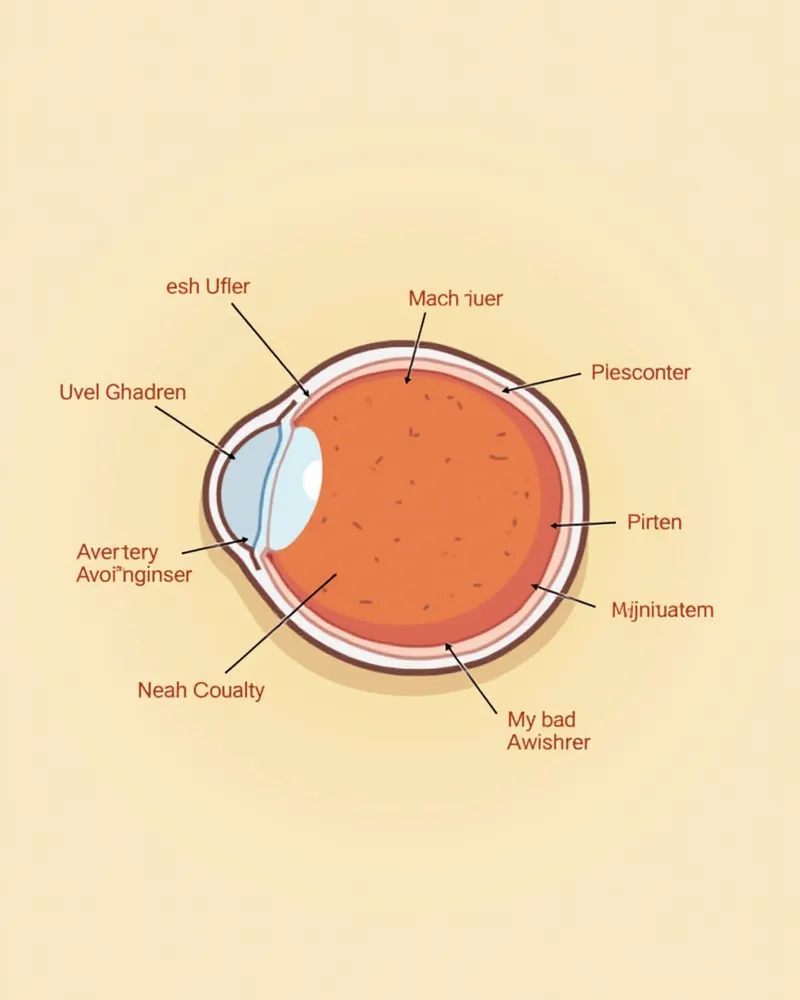
What Are the Main Symptoms of Uveitis?

Signs That Require Immediate Veterinary Visit
If your pet’s eyes become severely red, tear excessively, or remain closed for extended periods, seek veterinary care immediately. Irregular or abnormally constricted pupils, along with a cloudy appearance of the eye, may indicate progressive vision loss. Left untreated, this condition can lead to corneal damage, cataracts, secondary glaucoma, and even blindness. For uveitis, earlier intervention yields better symptom resolution and prognosis, so prompt veterinary evaluation is essential.
How Is Uveitis Diagnosed?
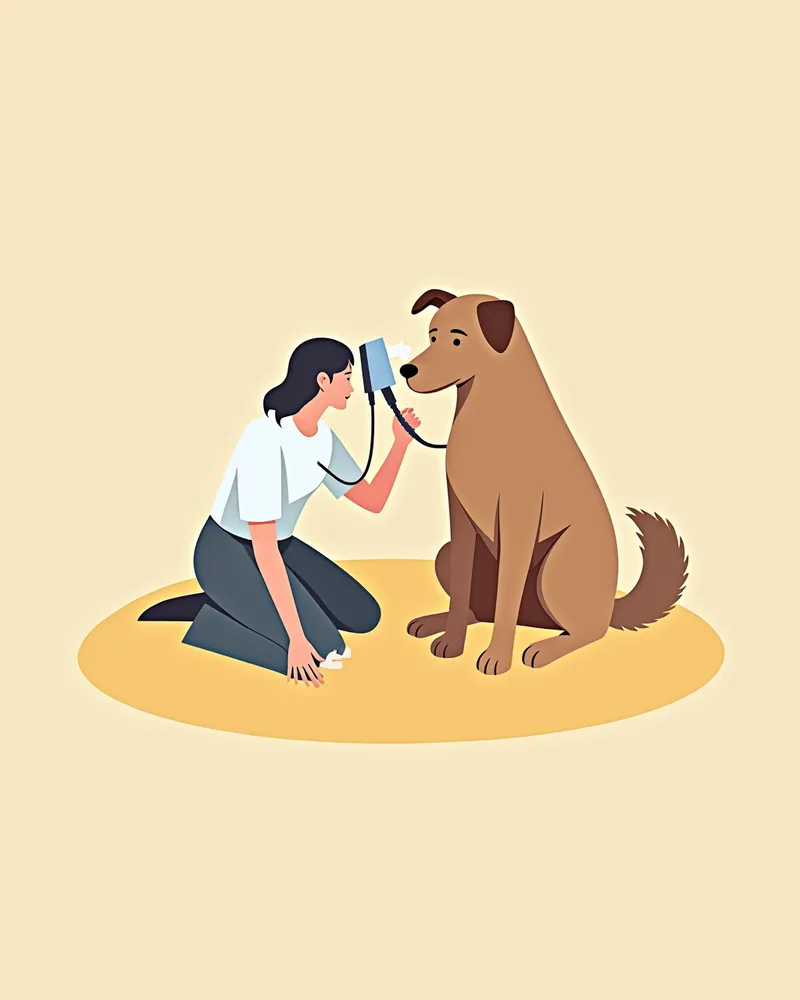
What Are the Treatment Methods for Uveitis?

Management Points at Home

Comparison of Responses by Stage of Uveitis Treatment
| Item | Main Symptoms | Treatment | Prognosis |
|---|---|---|---|
| Early (1–3 days) | Eye redness, tearing, increased blinking | Anti-inflammatory drugs, steroid eye drops | Good (with early treatment) |
| Middle (1–2 weeks) | Reduced vision, pupil abnormalities | Immunosuppressants, antibiotics (if infected) | Fair (ongoing management needed) |
| Chronic (2 weeks or more) | Cataract, risk of blindness | Long-term treatment, consider surgery | Uncertain (possibility of recurrence) |
Prognosis varies depending on the timing of treatment and the cause. Early intervention is key.
Precautions and Contraindications
Steroids reduce inflammation, but they can worsen an infection if one is present. Always use them only after a veterinarian’s diagnosis. When applying eye drops, be careful not to let your finger or the dropper tip touch the eye. Stopping the medication or adjusting the dosage on your own increases the risk of recurrence. Be sure to follow your veterinarian’s instructions for proper management.
Reviewed by a veterinarian

Dr. Tony — Punnawat Phongkittirak
VeterinarianA veterinarian who majored in veterinary medicine at Khon Kaen University, Thailand, and completed the IVSA program at North Carolina State University in the United States. Drawing on clinical experience at animal hospitals, he works in the pet healthcare field and is dedicated to building a digital care environment that connects pet parents with veterinarians.
Reviewed 2026-06-03
Frequently Asked Questions
Can canine uveitis be treated?
Can uveitis recur?
Can uveitis be transmitted to other dogs?
Which breeds are at higher risk for uveitis?
Can my pet’s condition worsen if I stop using the eye drops?
Share
Related Guides

Top 5 Dog Tear Supplements Recommended for 2026

What is Lutein? Effects on Dog Eye Health

The Best Canine Uveitis Management Products and Selection Criteria: A Comprehensive Guide

Dog Portosystemic Shunt Surgery: Is It Necessary? — Key Q&A on Cost, Recovery, and Prognosis

Is My Dog Always Lethargic? — Symptoms and Causes of Portosystemic Shunt (PSS) Q&A

Is a liver biopsy necessary for dogs? — From the procedure to cost and risks

When to Administer SAMe and Milk Thistle for Dogs: Effects and Selection Points

What is Canine Hepatocellular Carcinoma? — Key Points on Benign vs. Malignant, Treatment, and Prognosis

Dog Liver Tumors: Primary vs. Metastatic — Owner Q&A from Diagnosis to Prognosis

Will My Dog’s Bleeding Not Stop If Their Liver Is Bad? — Q&A on Coagulation Abnormality and Bleeding Signs
References
[1] Blackwell's Five-Minute Veterinary Consult Clinical Companion, Small Animal Toxicology, 3rd Edition
[2] The Dog Care Handbook, Things I Wish My Vet Had Told Me
[3] Coyne SR, Landry GM. Tartaric acid induces toxicity in Madin-Darby Canine Kidney cells, but not Human Kidney-2 cells in vitro and is prevented by organic anion transporter (OAT) inhibition and human OAT-4 transfection. J Vet Emerg Crit Care 2023;33(3):298–304.