Like
Share
멍실장
고양이 눈물 과다·눈물 얼룩 자주 묻는 질문 Q&A — 보호자가 꼭 알아야 할 핵심

Why Do Tear Stains Form on My Cat? — Causes and When to Visit the Vet Q&A

Eye HealthQ&AMeongsiljang Veterinary Advisory Board

Excessive tearing and tear stains in cats can be caused by breed-specific traits or underlying health issues. Here’s a summary of the causes, warning signs, and management strategies that pet owners should know.

Excessive tearing and tear stains in cats occur when tears are excessively secreted, leading to pigment deposition on the skin around the eyes.

A close-up shot of a cat with tear stains.
Excessive tearing and tear staining in cats occur when tears continuously overflow or fail to drain properly, leading to brown or reddish-brown discoloration on the skin around the eyes. While tear stains themselves are generally a cosmetic concern and do not directly harm health, they can signal underlying issues such as structural eye abnormalities, eye diseases like conjunctivitis or keratitis, or inflammation of the tear ducts (nasolacrimal ducts). These conditions are particularly common in brachycephalic breeds with short noses or in cats with entropion, where the eyelids roll inward. - Causes of excessive tearing: Entropion (inward rolling of the eyelids), blockage or inflammation of the tear ducts (dacryocystitis), conjunctivitis, keratitis, and other conditions. - Managing tear stains: Persistent moisture around the eyes can lead to dermatitis, and if accompanied by underlying eye disease, it may result in pain or vision problems. Early identification and management of the cause are essential.

The main causes of excessive tearing include eye structure, dermatitis, infection, and diet.
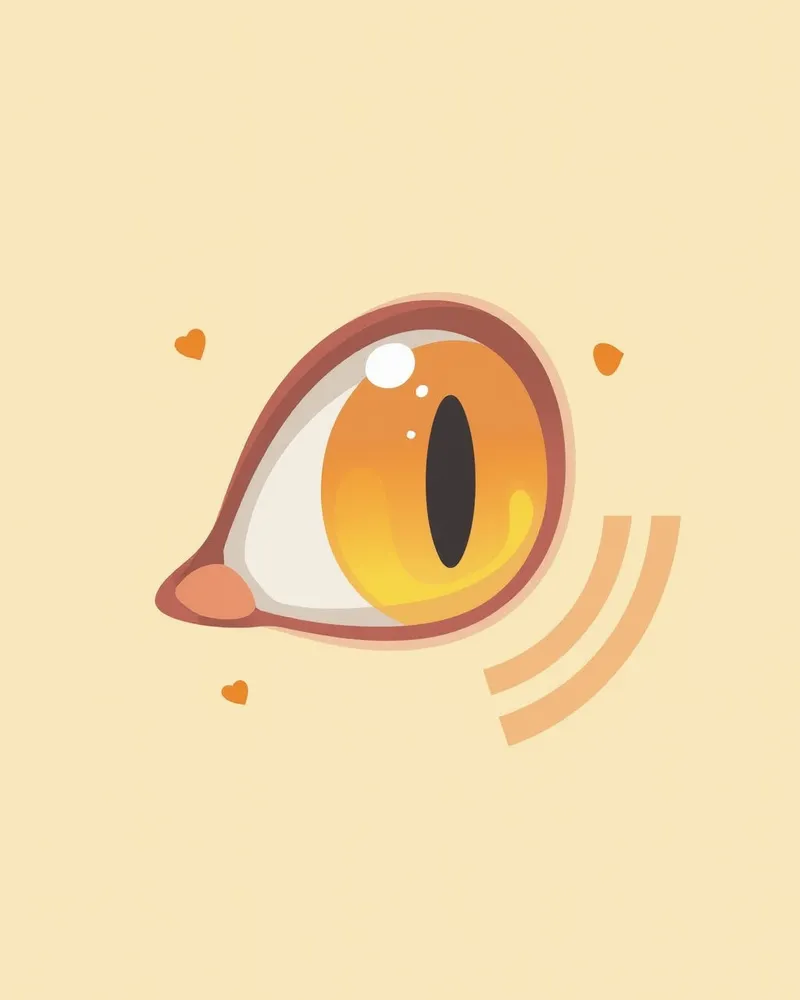
The most common cause of excessive tearing in cats is structural issues around the eyes. This can occur when the eyelids roll inward (entropion), preventing proper tear drainage, or when the tear ducts (nasolacrimal ducts) become blocked or inflamed (dacryocystitis). Inflammation or infections of the eye, such as conjunctivitis or keratitis, can also be culprits. Allergic reactions, including those triggered by environmental allergens or atopy, like allergic conjunctivitis, may increase tear production as well. However, it is difficult to definitively link excessive tearing to specific food ingredients, so accurately identifying the underlying cause is the first step toward effective treatment.
An illustration explaining the structure of a cat’s eye and its tear drainage pathway.

Carefully check for the main signs of excessive tearing.
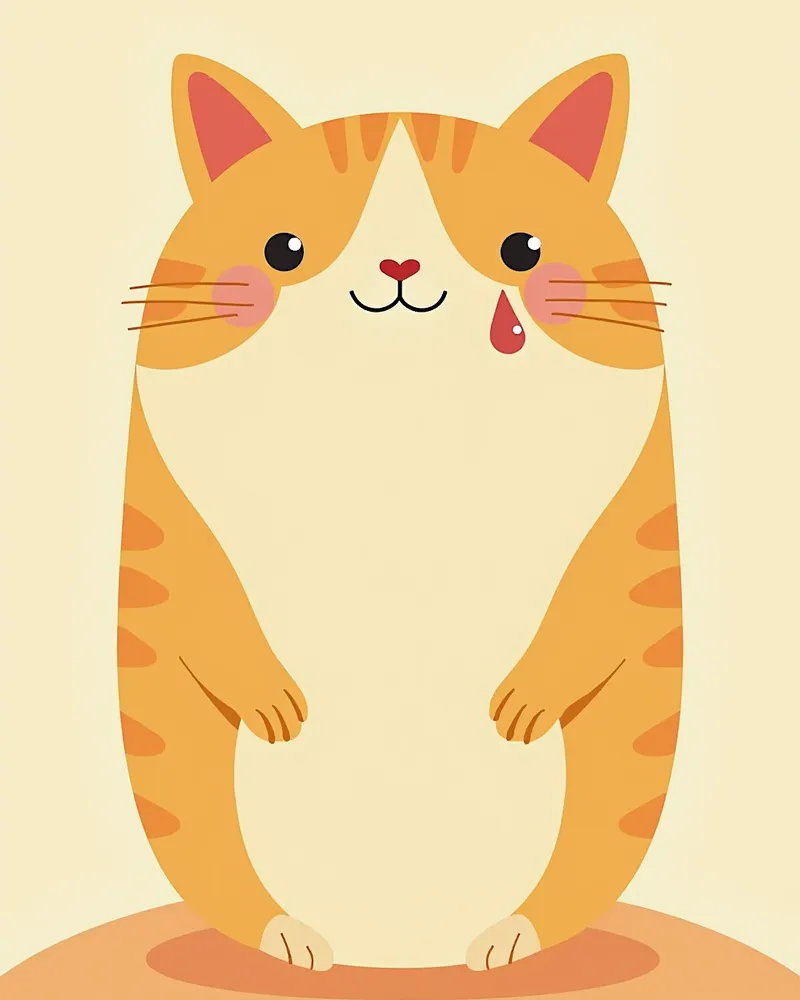
The primary sign of excessive tearing in cats is the appearance of brown or brownish stains around the eyes. These stains tend to darken over time, and the fur around the eyes may appear damp. Additionally, be alert if you notice redness in the eyes, light sensitivity, frequent blinking, or increased eye-rubbing. - Increased tear flow: If tears are flowing multiple times a day, suspect an infection or structural issue. - Changes around the eyes: If the fur darkens or the skin peels, dermatitis may be present. - Behavioral changes: Loss of appetite or decreased activity may indicate pain or discomfort. Consult a veterinarian if you observe these signs.
Photograph of a cat's face with prominent tear stains

If your cat has excessive tearing along with red eyes or light sensitivity, immediate veterinary care is essential.

If your cat has excessive tearing, red eyes, light sensitivity, or keeps its eyes closed, it may indicate an infection or corneal damage. This can lead to vision loss, so immediate veterinary care is essential. Delaying treatment can make it more difficult to manage and may result in long-term complications.

Diagnosing excessive tearing is accurately performed through eye examinations and additional tests.
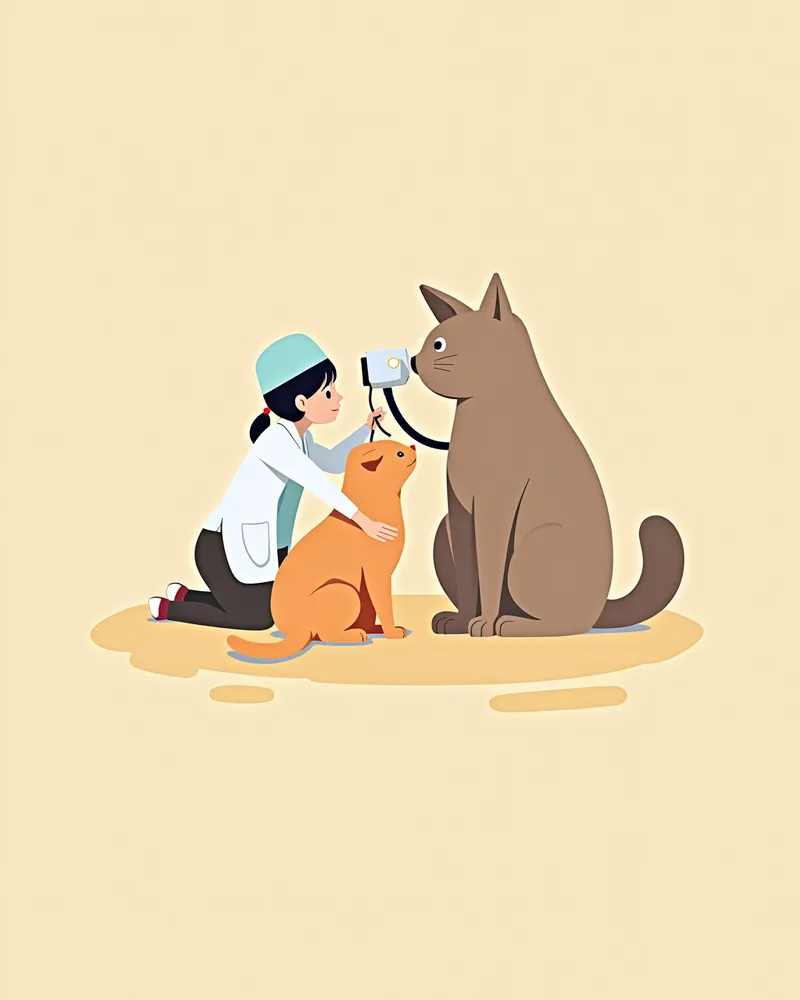
Diagnosing excessive tearing in cats involves a comprehensive health assessment alongside specialized eye examinations. - Eye examination: We check the flow of the tear ducts, the condition of the eyelids, and any corneal damage. - Assessment for conjunctivitis or keratitis: We evaluate for signs such as light sensitivity or squinting. - Internal disease screening: Blood and urine tests help identify underlying allergies, hormonal imbalances, or immune system disorders. - Imaging studies: If necessary, CT or MRI scans can be used to detect structural abnormalities in the eye. A professional evaluation by a veterinarian is essential for an accurate diagnosis.
A scene of a veterinarian examining a cat's eyes.

Treatment methods vary depending on the underlying cause.
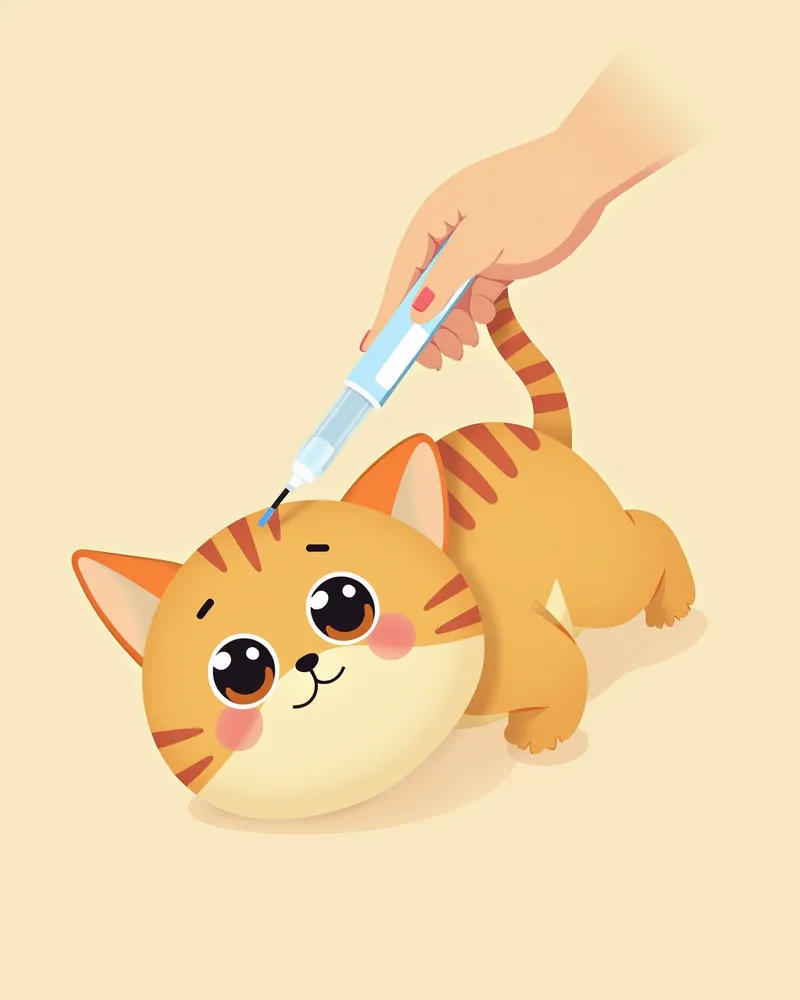
Treating excessive tearing in cats begins with accurately identifying the underlying cause. - Blocked tear ducts (nasolacrimal duct): The duct is reopened or dilated through surgery or a medical procedure. - Conjunctivitis or keratitis: Antibiotic or anti-inflammatory eye drops are used as prescribed by a veterinarian. - Dermatitis: Managed with topical medications containing anti-inflammatory or antibacterial agents. - Allergic causes: Avoid allergens and manage the condition with local or systemic anti-inflammatory medications (steroidal or non-steroidal) as prescribed by a veterinarian. - Preventive care: Keep the hair around the eyes trimmed short and gently wipe the area with a soft cloth once or twice daily. Treatment must be consistently carried out according to the specific cause.
A veterinarian administering eye drops to a cat

Consistently practice home management methods.
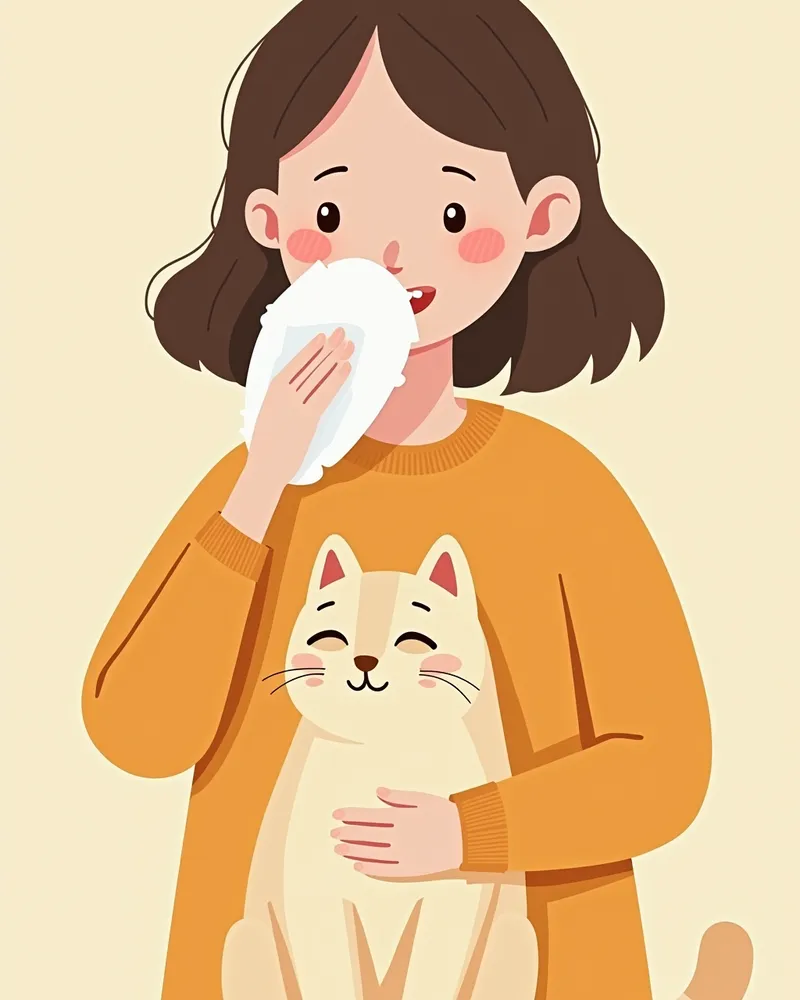
There are several things you can do at home to manage excessive tearing in cats. It’s important to gently wipe the area around your cat’s eyes with a soft cloth once or twice a day. For long-haired cats, trimming the fur around the eyes can also help. Additionally, avoiding allergenic foods and feeding a special diet recommended by your veterinarian can be effective. Consistent care plays a big role in reducing excessive tearing.
A guardian gently wiping away tear stains from a cat’s eyes.

Since diet can be a cause of excessive tearing in cats, consult your veterinarian before adjusting the diet.

Since diet can be a cause of excessive tearing in cats, it’s essential to consult your veterinarian before switching foods or starting a specialized diet. An inappropriate diet may actually worsen the symptoms. Your vet will recommend a diet tailored to your cat’s health status and any allergic reactions.

Reviewed by a veterinarian

Dr. Tony — Punnawat Phongkittirak

Dr. Tony — Punnawat Phongkittirak

Veterinarian

A veterinarian who majored in veterinary medicine at Khon Kaen University, Thailand, and completed the IVSA program at North Carolina State University in the United States. Drawing on clinical experience at animal hospitals, he works in the pet healthcare field and is dedicated to building a digital care environment that connects pet parents with veterinarians.

Frequently Asked Questions

What causes excessive tearing in cats?
Excessive tearing can be caused by structural eye issues, eye inflammation, allergies, or diet. It’s especially common in long-haired breeds or cats with unique eye structures.
Do tear stains affect your pet’s health?
While tear stains themselves don’t directly affect your pet’s health, they can be a sign of skin inflammation or infection around the eyes. If left untreated, they may worsen and lead to more serious skin issues, so it’s important to keep an eye on them.
Can a diet help reduce excessive tearing?
Adjusting your pet’s diet can be effective if allergies are the underlying cause. However, this should be done under veterinary guidance, and you should avoid making sudden changes to their food.
How can I prevent excessive tearing?
Regularly wipe the area around your cat’s eyes, and for long-haired breeds, keeping the fur around the eyes trimmed short can be helpful. It’s also important to feed a veterinarian-recommended diet and have your cat’s health checked regularly.
How long does treatment for excessive tearing take?
The treatment duration varies depending on the underlying cause. For eye inflammation, it may take anywhere from a few days to several weeks, while structural issues can require several weeks to months for full recovery after surgery. An accurate diagnosis and tailored treatment plan are essential.

Share

Related Guides

References

[1] Esson DW, Calvarese S (2022). Clinical Atlas of Canine and Feline Ophthalmic Disease, 2nd Edition. Wiley-Blackwell.

[2] Ny Y et al. (2006). Medial canthoplasty for epiphora in dogs: a retrospective study of 23 cases. Journal of the American Animal Hospital Association, 42(5), 435–439.

[3] Gelatt KN et al. (2013). Veterinary Ophthalmology, 2nd Edition. Wiley-Blackwell, pp. 871–873.

This information is based on veterinary literature and does not replace diagnosis or treatment. Please consult a veterinarian for specific health concerns.

Metapet Co., Ltd. | CEO: Park Sung-yong | Business Reg. No. 417-88-02562 | Seoul, South Korea | Customer Center

Why Does My Cat Have Tear Stains? Causes and When to See a Vet | Meongsiljang