

What is corneal perforation in cats? — How to recognize emergency warning signs
Corneal perforation in cats is an emergency condition that can cause acute pain and vision loss. Here’s a summary of the key information pet owners should know.
What is corneal perforation in cats?

Why do cats develop corneal perforation?

What are the main symptoms of corneal perforation?

Signs that require immediate veterinary visit
If your pet barely opens their eyes, has persistent tearing, cloudy-looking eyes, or excessive eye-rubbing, seek veterinary care immediately. Corneal perforation can lead to vision loss, so prompt treatment is essential.
How is corneal perforation diagnosed?
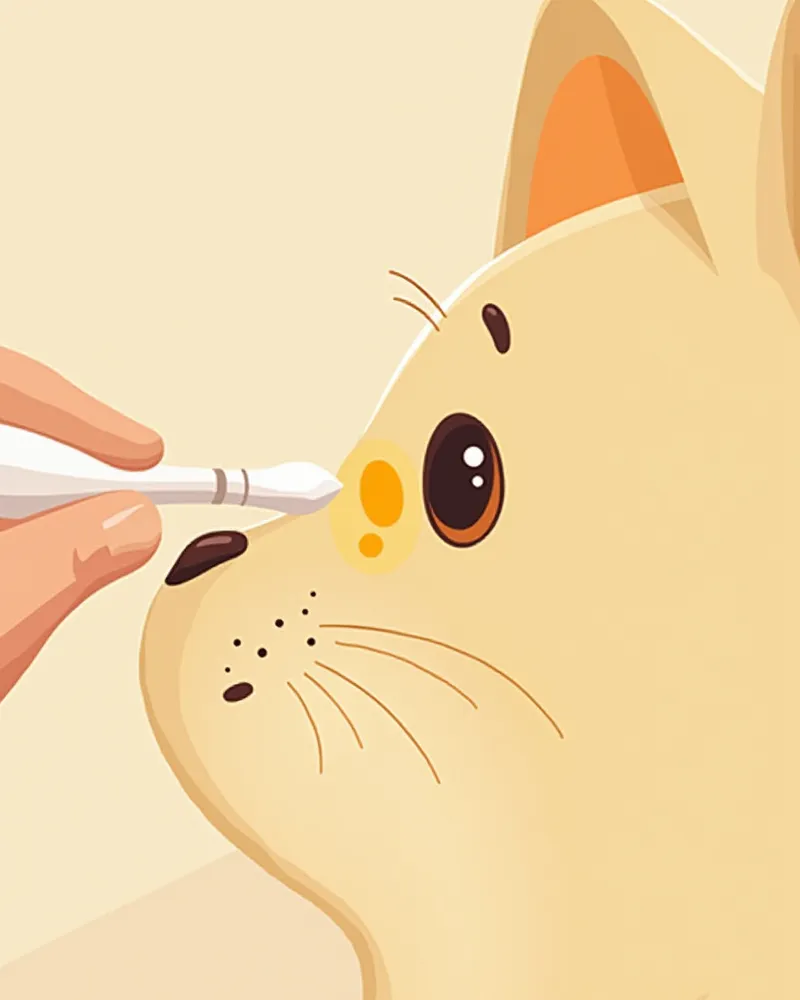
What are the treatment methods?

Comparison of corneal perforation treatment methods
| Item | When Applied | Effectiveness | Precautions |
|---|---|---|---|
| Medical treatment | Small perforation | High | Use of tear substitutes and antibiotics |
| Surgical treatment | Medium to large perforation | Very high | Direct suturing or grafting |
| Observation (watchful waiting) | When complete healing is possible | Low | Continuous monitoring required |
The treatment method is determined by the veterinarian's diagnosis. A consultation after visiting the clinic is needed.
Precautions during treatment
It’s essential to keep your cat wearing an Elizabethan collar to prevent them from scratching their eyes. When administering eye drops, avoid touching the eye with your fingers and follow your veterinarian’s instructions carefully for proper use.
Reviewed by a veterinarian

Dr. Tony — Punnawat Phongkittirak
VeterinarianA veterinarian who majored in veterinary medicine at Khon Kaen University, Thailand, and completed the IVSA program at North Carolina State University in the United States. Drawing on clinical experience at animal hospitals, he works in the pet healthcare field and is dedicated to building a digital care environment that connects pet parents with veterinarians.
Reviewed 2026-06-02
Frequently Asked Questions
Can a cat’s corneal perforation be completely cured?
Can corneal perforation recur?
How do I administer eye drops to my pet at home?
Will a flea collar make my cat uncomfortable?
Can vision return after a corneal perforation?
Share
Related Guides

Top 5 Dog Tear Supplements Recommended for 2026

What is Lutein? Effects on Dog Eye Health

The Best Canine Uveitis Management Products and Selection Criteria: A Comprehensive Guide

The Complete Guide to Fipronil (Frontline) External Parasite Control

Levetiracetam (Keppra) for Epilepsy in Dogs

Everything You Need to Know About Methimazole for Feline Hyperthyroidism

The Complete Guide to Azathioprine Immunosuppressant

Fluoxetine (Prozac) Behavioral Medication Guide

Why Use Benazepril for Dogs? — Heart and Kidney Protection Effects and Precautions

What is Omeprazole for Dogs and Cats? — Effects of the Acid-Suppressing Medication and Precautions
References
[1] Fowler, L.B. et al. (2020). Metastatic digital carcinoma in the cat: A retrospective study of 36 cats (1992–1998). Journal of the American Animal Hospital Association, 36(6), 501–509.
[2] The Cat, Clinical Medicine and Management, 2nd Edition. (2011). Elsevier Health Sciences. Chapter 32: Ocular Surface Disorders.
[3] Plumb's Veterinary Drug Handbook, 9th Edition. (2022). Wiley-Blackwell. Section on Ophthalmic Medications and Corneal Healing Agents.