Like
Share
멍실장
고양이 고혈당증 자주 묻는 질문 Q&A — 보호자가 꼭 알아야 할 핵심

My Cat Has High Blood Sugar — Is This a Sign of Diabetes? Causes and Tests

EndocrineQ&AMeongsiljang Veterinary Advisory Board

Feline hyperglycemia is closely linked to diabetes, making early detection and management crucial. Here’s a summary of the key information every pet owner should know.

What Is Feline Hyperglycemia?
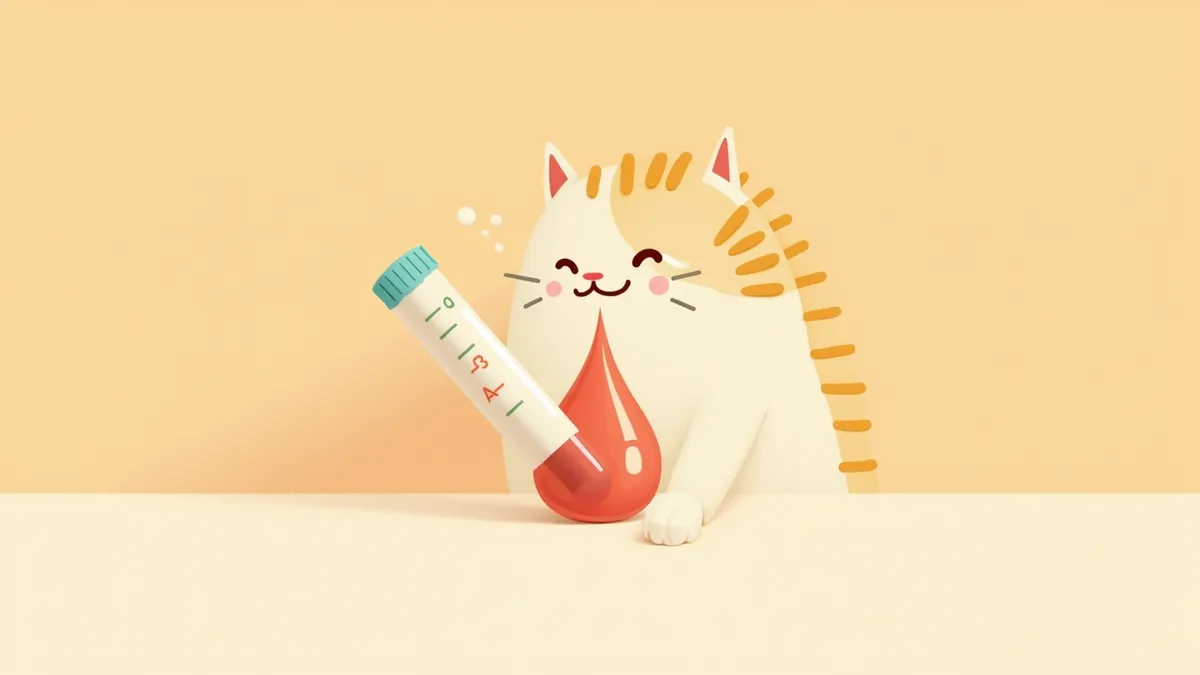
A drop of cat blood on a blood test strip
Feline hyperglycemia is a condition in which blood glucose levels remain persistently elevated. - Elevated blood sugar: When insulin’s action is weakened or its secretion is insufficient, glucose cannot enter cells properly. - Subtle early signs: In the early stages, symptoms such as increased thirst, frequent urination, and weight loss may appear, but owners can easily overlook them. - Long-term risks: If left untreated, the risk of diabetes, kidney damage, and infections increases significantly. - Importance of early management: Early detection is possible through regular check-ups and monitoring of symptoms. - Maintaining quality of life: With appropriate treatment and care, cats can live healthily for many years.

What Are the Main Causes of Hyperglycemia?

The main causes of hyperglycemia in cats are decreased insulin effectiveness or the development of insulin resistance. - Chronic hyperglycemia (glucotoxicity): Persistent high blood sugar can cause structural and functional damage to pancreatic beta cells and insulin-target tissues, potentially leading to diabetes. - Stress-induced hyperglycemia: Cats may experience temporary spikes in blood sugar from physical activity such as struggling or excitement. This is also linked to their lack of hepatic glucokinase. - Adrenocortical hormones (steroids): Glucocorticoids, whether released during stress or administered as medication, can raise blood sugar levels. - Concurrent diseases: Other conditions, such as pancreatitis, can contribute to abnormal blood sugar levels. - Need for repeated testing: Because many factors are transient, a single reading is insufficient for diagnosis; multiple tests are needed to identify the underlying cause.
An anatomical diagram illustrating the pancreas and insulin-secreting cells in cats

What Are the Main Symptoms of Hyperglycemia?

Feline hyperglycemia presents several characteristic signs that every cat owner should recognize. Excessive thirst (polydipsia): Your cat may develop a habit of drinking water multiple times a day. Frequent urination (polyuria): You may notice increased urine volume, more frequent trips to the litter box, or even accidents outside the box. Weight loss: Despite maintaining a normal or increased appetite, your cat may lose weight. Increased appetite (polyphagia): Your cat may constantly beg for food, appearing perpetually hungry. Lethargy: Activity levels may decrease, and your cat might struggle to jump as high or as easily as before. Hind limb gait abnormalities: Neurological signs may appear, such as a plantigrade gait where the cat walks with its hocks touching the ground.
A cat drinking only water

Signs Requiring Immediate Veterinary Visit

If your cat completely loses its appetite, or shows vomiting, diarrhea, difficulty breathing, or decreased consciousness, you should go to the vet immediately. These could be signs of diabetic ketoacidosis or hyperosmolar state. Since these conditions can be life-threatening, prompt action is essential.

How Is Diagnosis Performed?

Feline hyperglycemia is diagnosed by evaluating multiple test results together. - Blood tests: Blood glucose levels are measured after fasting, and persistent hyperglycemia raises suspicion. - Urinalysis: Checks for the presence of glucose in the urine. - Repeated testing is essential: Since stress or temporary factors can cause elevated blood sugar, multiple tests are necessary. - Combined assessment with symptoms: Results are interpreted alongside clinical signs such as decreased appetite, increased thirst, and frequent urination. - Veterinary judgment: A veterinarian analyzes the overall condition to provide an accurate diagnosis.
A veterinarian drawing a blood sample.

What Are the Treatment Methods?

Treating feline hyperglycemia centers on insulin injections and dietary management. - Insulin injections: Your veterinarian will adjust the dosage based on your cat’s weight and condition. Regular injections are essential. - Low-carbohydrate diet: Choose high-protein, low-carbohydrate food to help stabilize blood sugar levels. - Blood glucose monitoring: Monitor blood sugar at home or through regular veterinary check-ups. - Routine management: Keep injection times and meal times consistent. - Long-term care required: Treatment is not temporary; it requires lifelong, ongoing management.
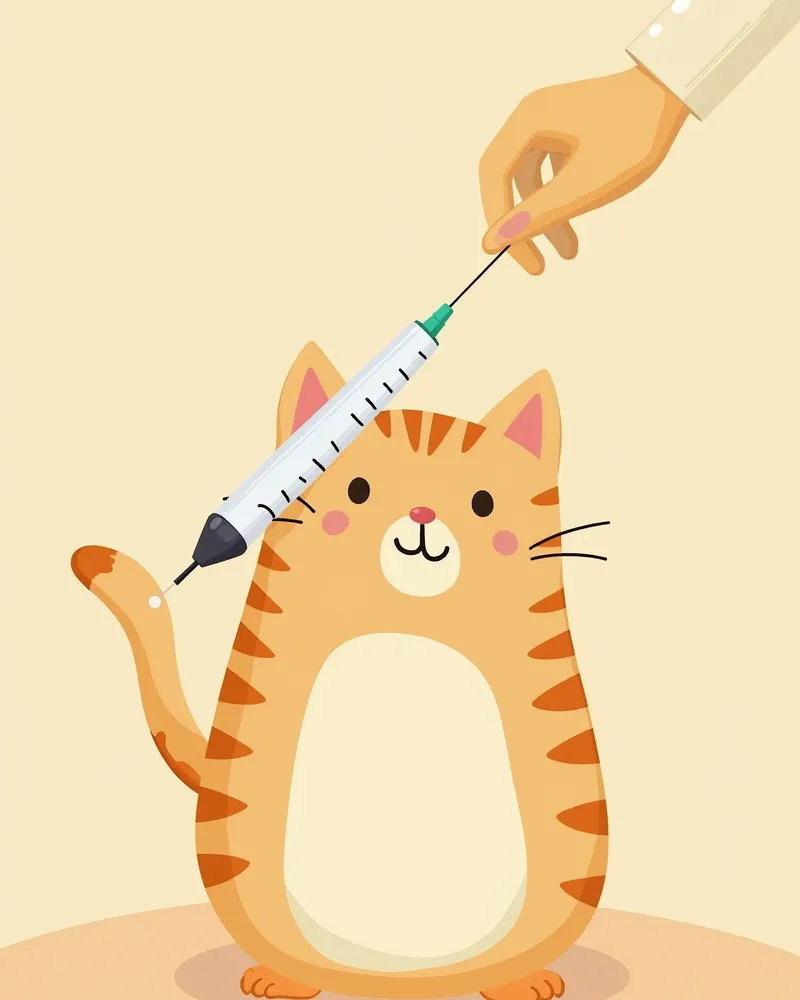
A veterinarian administering an insulin injection to a cat

Home Care Tips

Consistent care at home is the key to successfully managing feline hyperglycemia. Please be sure to follow these guidelines:
Regular injections: Administer insulin at the same time each day.
Dietary management: Choose a low-carbohydrate diet formulated specifically for cats.
Blood glucose monitoring: Record daily blood glucose levels to track any changes.
Water supply: Always provide fresh, clean water.
Encourage activity: Increase physical activity to help with weight management.
Minimize stress: Maintain a quiet and calm environment.
An indoor space where cats can rest comfortably

Caution: Do Not Overdose on Insulin Injections

Never increase the insulin dose on your own or administer the full prescribed amount if your pet has no appetite, as this can lead to hypoglycemia. Hypoglycemia (typically blood glucose below 70 mg/dL) can cause lethargy, seizures, and loss of consciousness, so do not adjust the dosage based on your own judgment. Additionally, if insulin leaks out during injection, do not administer an extra dose; instead, follow your veterinarian’s instructions for proper management.

Reviewed by a veterinarian

Dr. Tony — Punnawat Phongkittirak

Dr. Tony — Punnawat Phongkittirak

Veterinarian

A veterinarian who majored in veterinary medicine at Khon Kaen University, Thailand, and completed the IVSA program at North Carolina State University in the United States. Drawing on clinical experience at animal hospitals, he works in the pet healthcare field and is dedicated to building a digital care environment that connects pet parents with veterinarians.

Frequently Asked Questions

Can feline hyperglycemia be treated?
Yes, with insulin injections and dietary management, most cats can maintain a normal quality of life. Early diagnosis and consistent care are key.
How should I change my cat’s diet if they have hyperglycemia?
Choose low-carbohydrate, high-protein foods. Using a specialized diet recommended by your veterinarian is the safest option. Diets high in carbohydrates can make blood sugar management more difficult.
How can I measure my pet’s blood sugar at home?
You can monitor your pet’s blood sugar at home using a glucometer and test strips recommended by your veterinarian. For the most accurate results, it’s best to have your vet or veterinary nurse show you the proper technique.
Does hyperglycemia increase the risk of death in cats?
With early treatment and consistent management, many cats can live comfortably. While diabetic ketoacidosis generally has a favorable prognosis with treatment, hyperosmolar syndrome requires a more cautious prognosis, making early diagnosis and complication management essential.
Does insulin injection hurt?
The injection needle is so small that cats barely feel it. With proper guidance from your veterinarian, you can administer injections comfortably and with ease.

Share

Related Guides

References

[1] Reusch, C. et al. (2014). Hyperglycemic hyperosmolar state in cats. In: Feline Emergency and Critical Care Medicine, 2nd Ed. Elsevier Saunders.

[2] Anderson, J.D. et al. (2019). Lispro insulin and electrolyte supplementation for treatment of diabetic ketoacidosis in cats. J. Vet. Intern. Med. 33(4): 1593–1601.

[3] Stockham, S.L. and Scott, M.A. (2008). Fundamentals of Veterinary Clinical Pathology, 2e. Blackwell Pub.

This information is based on veterinary literature and does not replace diagnosis or treatment. Please consult a veterinarian for specific health concerns.

Metapet Co., Ltd. | CEO: Park Sung-yong | Business Reg. No. 417-88-02562 | Seoul, South Korea | Customer Center

High Blood Sugar in Cats: Is It a Sign of Diabetes? Causes and Tests | Meongsiljang