Like
Share
멍실장
강아지 고혈당증 자주 묻는 질문 Q&A — 보호자가 꼭 알아야 할 핵심

Canine Hyperglycemia FAQ — Key Information Every Pet Owner Should Know

EndocrineQ&AMeongsiljang Veterinary Advisory Board

Canine hyperglycemia is an endocrine disorder closely linked to diabetes, making early detection and management essential. Here’s a summary of the key information every pet owner should know.

What is Canine Hyperglycemia?

Checking glucose levels in your dog’s blood test results
Canine hyperglycemia refers to a condition in which blood glucose levels rise above the normal range (a state of normal blood sugar is called euglycemia). It can occur in various situations, including diabetes mellitus, and may also appear temporarily due to stress, infections, or hormonal changes such as excess corticosteroids. When hyperglycemia persists chronically, it can damage pancreatic beta cells and insulin-target tissues, a phenomenon known as glucotoxicity. Because persistent hyperglycemia warrants evaluation for diabetes, early detection is crucial. Regular health check-ups are essential to monitor blood glucose levels proactively.

What are the Main Causes of Hyperglycemia?
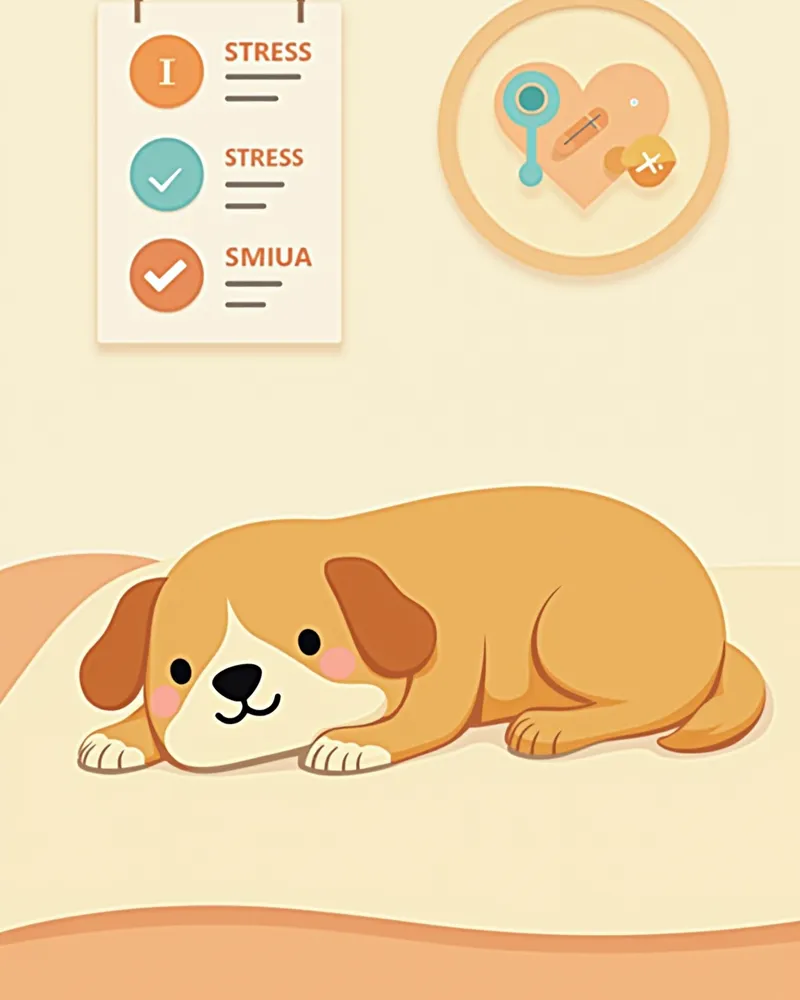
One of the most common causes of hyperglycemia in dogs is diabetes mellitus, which occurs due to insulin deficiency or insulin resistance. Stress, infections, hyperadrenocorticism (excess adrenal cortex hormones), hypothyroidism, pancreatitis, and medications such as steroids can also induce insulin resistance, leading to temporary hyperglycemia. Hormonal imbalances, such as pheochromocytoma (adrenal tumors) or excess growth hormone, can further elevate blood sugar levels. Chronic conditions or prolonged stress, particularly "stress hyperglycemia" associated with severe illnesses, can worsen hyperglycemia. Accurately identifying the underlying cause is the first step toward effective treatment.
An image explaining how stress and medications can cause high blood sugar.

What are the Main Symptoms of Hyperglycemia?

The main symptoms of hyperglycemia in dogs, particularly diabetes mellitus, are polydipsia (excessive thirst), polyuria, polyphagia, and weight loss. When blood glucose levels rise, glucose is excreted in the urine through the kidneys, pulling large amounts of water with it. - Polyuria: Increased urine volume leads to more frequent trips to the bathroom, and the dog drinks more water to compensate for the fluid loss. - Polyphagia: Because the body’s cells cannot properly utilize glucose, appetite increases, yet weight often decreases instead. - Weight loss: Even with adequate food intake, the body fails to efficiently convert nutrients into energy, resulting in weight loss. - Changes in urine: Large volumes of relatively dilute urine containing glucose are excreted. If these symptoms persist, diabetes may be present, making early detection crucial.
When your dog drinks water frequently and goes to the bathroom often

When to Seek Immediate Veterinary Care

If your dog loses consciousness, experiences severe vomiting or diarrhea, has difficulty breathing, or shows muscle spasms, seek veterinary care immediately. These could be signs of diabetic ketoacidosis, a life-threatening condition that requires prompt treatment.

How to Handle Hyperglycemia Symptoms by Severity

ItemMildModerateSevere
Polyuria/PolyphagiaObservation neededConsult a veterinarianSeek immediate care
Weight LossDietary adjustmentBlood testConsider insulin therapy
Decreased ConsciousnessVisit the emergency roomIntravenous injectionHospitalization required

If symptoms worsen, they can progress to diabetes mellitus, so early management is important.

Tests Required for Accurate Diagnosis
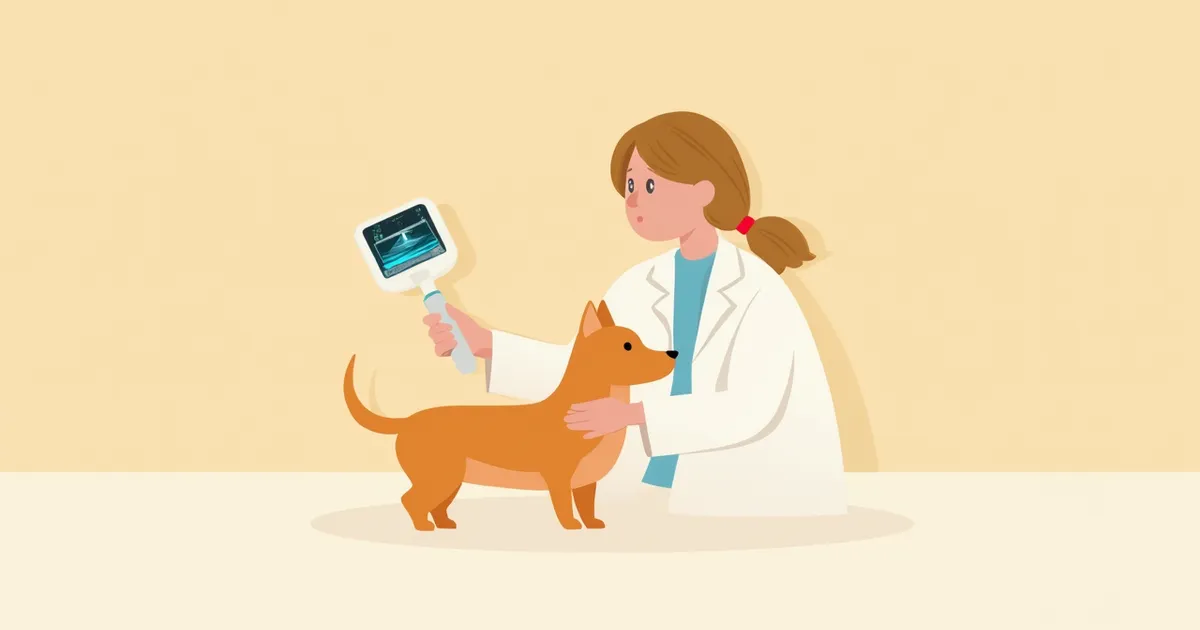
Canine hyperglycemia is accurately diagnosed through blood and urine tests. Blood glucose levels are measured after fasting, and the presence of glucose in the urine is checked. If necessary, insulin level measurements or glucose tolerance tests may also be performed. These tests help identify the underlying cause of hyperglycemia. It is important to undergo professional testing at a veterinary clinic for an accurate diagnosis, as the results form the basis for developing a treatment plan.
A veterinarian performing blood and urine tests.

Treatment Methods and Management Points

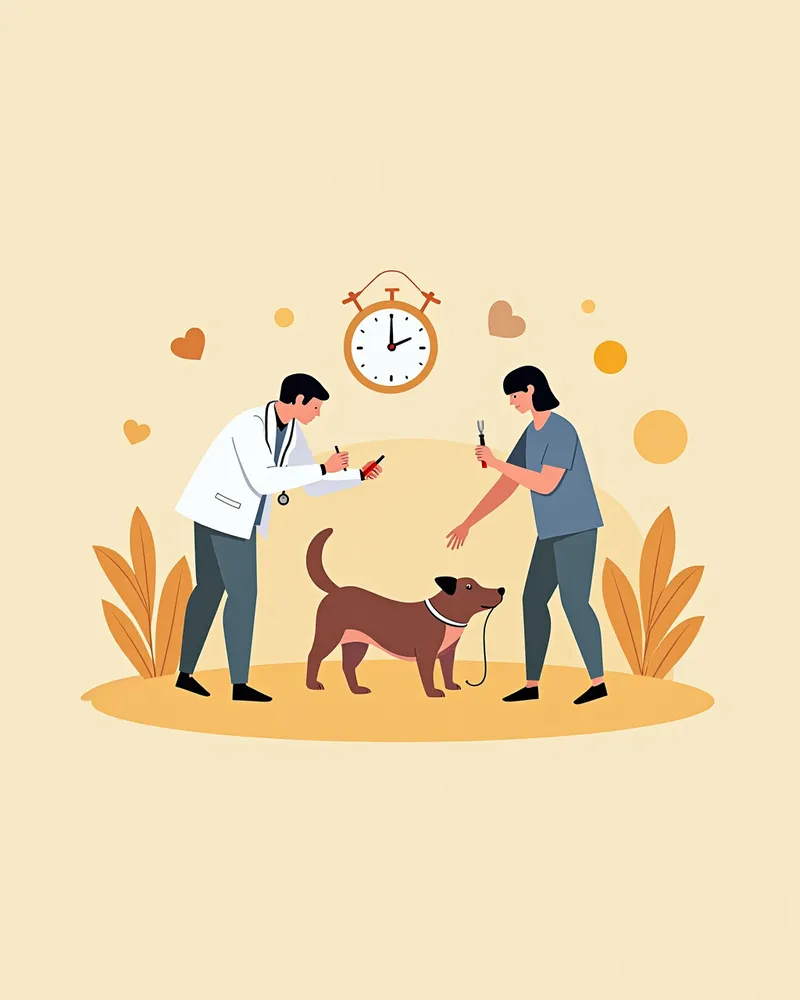
Treatment depends on the underlying cause of high blood sugar. - Insulin therapy: Insulin injections are essential for dogs with diabetes. Insulin is typically administered subcutaneously once or twice daily, usually right after meals. The timing and dosage must be followed precisely as directed by your veterinarian, adjusted according to your pet’s food intake. - Dietary management: Switching to a low-carbohydrate diet helps stabilize blood sugar levels. It’s important to balance meal portions with insulin dosage. - Exercise management: Regular exercise supports metabolism and weight control, but since insulin needs can vary with activity levels, it’s best to keep exercise routines consistent. - Regular check-ups: Routine blood tests help monitor your pet’s condition. - Record keeping: Keeping a daily log of injections, meals, and any behavioral changes makes communication with your veterinarian much easier. Consistency and dedication are key to successful treatment.
A puppy receiving an insulin injection

Management Tips Every Pet Owner Should Know

- Regular check-ups: Monitor blood sugar levels with routine blood tests. - Dietary management: Switch to a low-carbohydrate diet to help stabilize blood sugar. - Exercise maintenance: Support weight and metabolic control with regular walks and exercise, keeping the activity level consistent. - Injection management: Store insulin in the refrigerator, handle it carefully, and accurately record injection times and dosages. - Stress reduction: Stress can cause insulin resistance and high blood sugar, so a calm environment and consistent daily routine are essential. - Emergency preparedness: Be ready to visit the vet immediately if symptoms worsen.
A puppy appearing calm and relaxed during a walk

Breeds and Age Groups to Watch

It’s difficult to say for sure whether certain breeds or age groups are more susceptible to hyperglycemia and diabetes based solely on the evidence presented here. However, underlying conditions such as Cushing’s disease, pancreatitis, or hypothyroidism, as well as steroid use and chronic stress, can increase the risk of hyperglycemia by causing insulin resistance. If any of these risk factors are present, regular blood glucose monitoring is especially important.

Reviewed by a veterinarian

Dr. Tony — Punnawat Phongkittirak

Dr. Tony — Punnawat Phongkittirak

Veterinarian

A veterinarian who majored in veterinary medicine at Khon Kaen University, Thailand, and completed the IVSA program at North Carolina State University in the United States. Drawing on clinical experience at animal hospitals, he works in the pet healthcare field and is dedicated to building a digital care environment that connects pet parents with veterinarians.

Frequently Asked Questions

Can high blood sugar in dogs be treated?
It depends on the underlying cause. Diabetes requires ongoing management, whereas temporary hyperglycemia can resolve once the triggering factor is removed.
Does hyperglycemia require immediate insulin administration?
No. A veterinarian needs to make an accurate diagnosis and then create a treatment plan. Overdosing on insulin can lead to hypoglycemia, which is dangerous.
Can blood sugar levels be controlled through diet alone?
While temporary spikes in blood sugar or mild cases may improve with dietary adjustments, diabetes requires insulin therapy.
What long-term effects can hyperglycemia have?
Persistent hyperglycemia damages pancreatic beta cells and insulin target tissues through glucotoxicity, increases the risk of infections, and in severe cases can lead to life-threatening complications such as diabetic ketoacidosis or hyperosmolar hyperglycemic syndrome. Early management is crucial.
What can you do at home if your dog has hyperglycemia?
Regular meals and exercise, keeping track of vaccinations and symptom changes, and having regular consultations with your veterinarian are the most important things.

Share

Related Guides

References

[1] Clinical Medicine of the Dog and Cat, 4th Ed. (2023). Chapter 12: Endocrine Diseases.

[2] Notes on Canine Internal Medicine, 4th Ed. (2022). Section on Diabetes Mellitus and Hyperglycemia.

[3] American Veterinary Medical Association (AVMA). Canine Diabetes: Diagnosis and Management Guidelines (2021).

This information is based on veterinary literature and does not replace diagnosis or treatment. Please consult a veterinarian for specific health concerns.

Metapet Co., Ltd. | CEO: Park Sung-yong | Business Reg. No. 417-88-02562 | Seoul, South Korea | Customer Center

5 Urgent Questions About Canine Hyperglycemia You Need to Know | Meongsiljang