Like
Share
멍실장
고양이 제한성 심근증(RCM) 증상과 관리

What Is Feline Restrictive Cardiomyopathy (RCM)? — From Symptoms to Management Timing

HeartQ&AMeongsiljang Veterinary Advisory Board

Feline restrictive cardiomyopathy (RCM) is a condition in which the heart muscle becomes stiff and has difficulty relaxing. Early detection and lifelong management are key.

What Is Feline Restrictive Cardiomyopathy (RCM)?

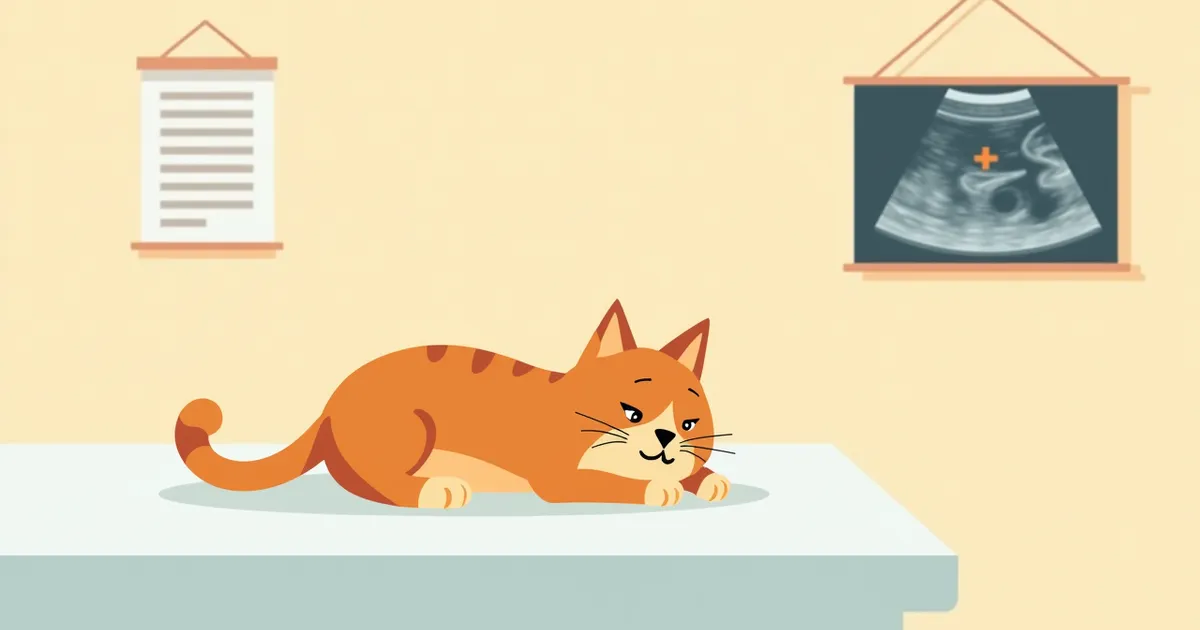
A senior cat receiving a cardiac auscultation from a veterinarian
Restrictive cardiomyopathy (RCM) in cats is a chronic heart condition in which the heart muscle or endocardium becomes stiff, preventing the heart from relaxing and filling properly. Although systolic function usually remains near normal until the later stages of the disease, impaired relaxation causes blood returning to the heart to back up. Early detection is key. If your cat shows signs such as rapid breathing, decreased appetite, or lethargy for several days or more, seek veterinary care immediately. RCM is one form of feline cardiomyopathy and, according to referral hospital data, accounts for approximately 15–20% of all cases, making it a relatively uncommon condition. The average age at diagnosis is about 10 years, with the disease predominantly affecting middle-aged to senior cats.

Causes and Background of Onset

Restrictive cardiomyopathy (RCM) is characterized not by thickening of the ventricular walls, but by fibrosis (scar tissue formation) in the heart muscle or endocardium, which restricts the heart’s ability to stretch. When relaxation is impaired, blood returning to the heart becomes stagnant, causing the left atrium to enlarge significantly and potentially leading to fluid accumulation in the lungs or pleural effusion. The exact cause remains unclear, but it appears to involve a complex interplay of multiple factors. In some cats, myocarditis or inflammatory and immune-mediated causes have been proposed, and in the past, DNA from parvovirus-related viruses was detected in some cats with endocardial fibrosis. However, recent PCR studies have not detected viral genomes in the hearts of cats with RCM, so current evidence is insufficient to support viral infection as a direct cause. Although systematic epidemiological data on the age of onset are limited, the condition is generally more commonly observed in older cats.

How Do HCM and RCM Differ?

One of the most common points of confusion for pet owners is the difference between hypertrophic cardiomyopathy (HCM) and restrictive cardiomyopathy (RCM). While both conditions can ultimately lead to pulmonary edema or blood clots, their underlying causes and structural changes differ, resulting in slightly different diagnostic and management approaches. The table below summarizes the key differences.

Key Differences Between HCM and RCM

ItemHypertrophic cardiomyopathy (HCM)Restrictive cardiomyopathy (RCM)
Affected areaThickening of the ventricular wallFibrosis of ventricular muscle & endocardium
Main functional abnormalityDiastolic dysfunction + left ventricular hypertrophyMainly diastolic dysfunction, normal wall thickness
Predisposed ageAll ages, many in middle ageMainly middle age to senior, average about 10 years
Predisposed breedsMaine Coon, Ragdoll, PersianLow breed specificity (including mixed breeds)
Representative symptomsDyspnea, hind limb paralysisDyspnea, ascites & pleural effusion, lethargy
Diagnostic keyMeasuring wall thickness by echocardiographyEchocardiography + confirming left atrial enlargement

Based on the feline cardiomyopathy classification in veterinary cardiology textbooks

Key Symptoms Not to Miss
In the early stages of RCM, symptoms are often minimal, so the condition is frequently discovered incidentally during routine veterinary checkups. If you notice any of the following signs, have your pet evaluated promptly. - Rapid breathing: A resting respiratory rate exceeding 30 breaths per minute is abnormal. - Open-mouth breathing: Cats do not normally breathe through their mouths. - Lethargy: Increased hiding behavior and avoidance of jumping. - Decreased appetite and weight loss: Seek attention if these persist for several days. - Sudden hindlimb paralysis: May indicate arterial thromboembolism (ATE), which is a medical emergency.
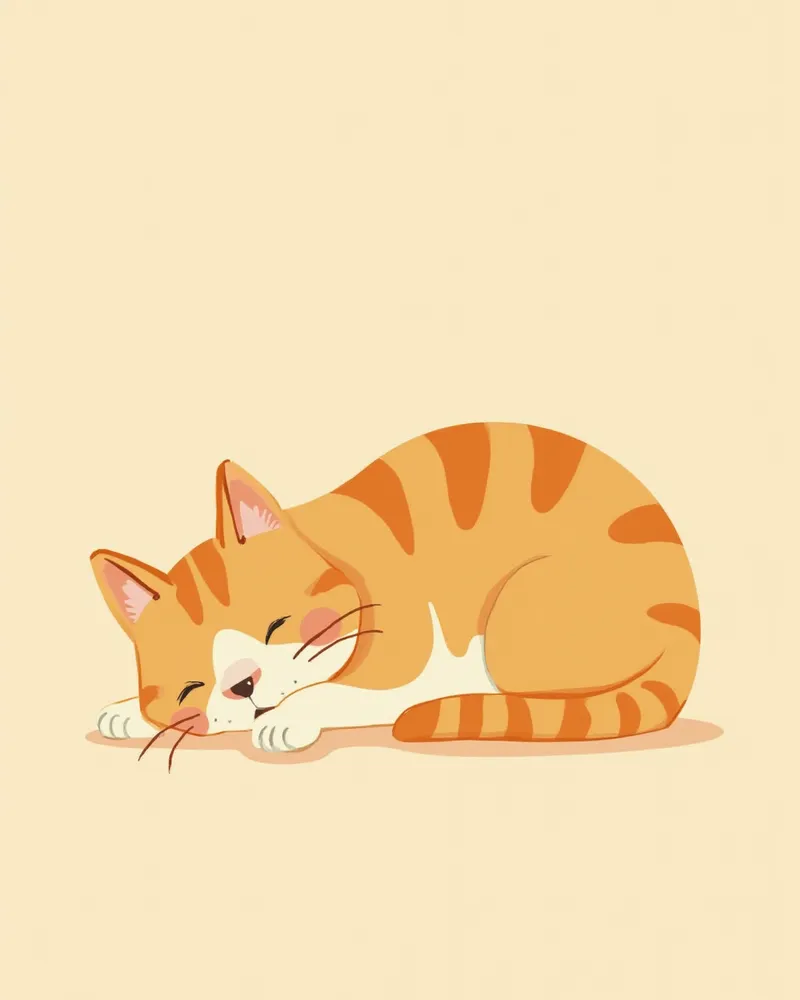
A cat that appears to be breathing heavily even while resting

Emergency Signs Requiring Immediate Veterinary Care

The following situations are emergencies that require treatment within hours. Do not wait—go to an overnight or emergency animal hospital immediately. - When your pet is panting with its mouth open - When the gums or tongue turn blue - When your pet suddenly cannot use its hind legs and they feel cold (suspected arterial thromboembolism) - When there are episodes of fainting or collapsing - When the abdomen suddenly appears distended and breathing seems labored

How Is It Diagnosed?
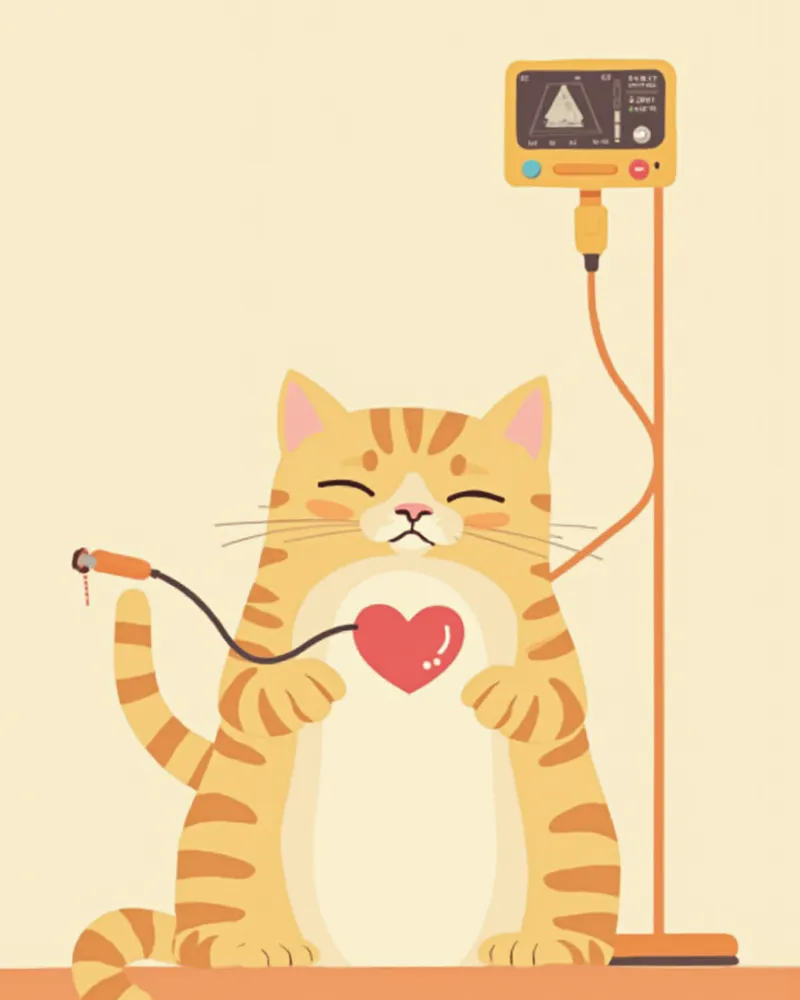
The cornerstone of diagnosing restrictive cardiomyopathy (RCM) is an echocardiogram (echo). RCM is suspected when the echocardiogram shows significant enlargement of the left atrium, with ventricular wall thickness remaining within nearly normal limits, but severely impaired diastolic function. In addition, thoracic radiographs (X-rays) are used to assess heart size and check for pulmonary edema or pleural effusion, while blood tests for cardiac biomarkers such as NT-proBNP provide supplementary evaluation for heart failure. Blood tests and blood pressure measurements are also performed concurrently to rule out other potential causes, such as hyperthyroidism and hypertension.
A cat undergoing an echocardiogram at a veterinary clinic

Treatment and Home Management

Because RCM is a condition that is difficult to cure completely, the goal of treatment is to alleviate symptoms and prevent complications. Your veterinarian will determine the appropriate medications and dosages based on your pet's specific condition, but the following combination is commonly used: - Diuretics: To manage pulmonary edema and pleural effusion - Thrombosis preventatives: Clopidogrel-based medications to reduce the risk of thromboembolism - Medications to reduce cardiac workload: Selected according to your pet's condition At home, please monitor and record your pet's resting respiratory rate daily (aiming for 30 breaths per minute or less) and minimize stress and sudden temperature changes. You should also closely monitor any weight gain or loss.
A pet owner gently holding their cat at home and checking its health status

Key Points to Remember for Management

Although restrictive cardiomyopathy (RCM) can remain stable for several years after diagnosis, missing routine check-ups can lead to rapid deterioration. - Schedule regular re-evaluations, including echocardiograms and blood tests, at intervals determined by your veterinarian (the frequency will vary depending on your pet’s severity and condition). - Do not discontinue prescribed medications without consulting your vet, especially diuretics and blood clot prevention drugs. - Regularly record your pet’s respiratory rate while sleeping at home. - Be aware that dehydration and high temperatures during summer can worsen heart failure. - If anesthesia or surgery is planned, be sure to share your pet’s cardiac history with the veterinary team in advance.

Reviewed by a veterinarian

Dr. Tony — Punnawat Phongkittirak

Dr. Tony — Punnawat Phongkittirak

Veterinarian

A veterinarian who majored in veterinary medicine at Khon Kaen University, Thailand, and completed the IVSA program at North Carolina State University in the United States. Drawing on clinical experience at animal hospitals, he works in the pet healthcare field and is dedicated to building a digital care environment that connects pet parents with veterinarians.

Frequently Asked Questions

Is feline RCM hereditary?
To date, there is no clear evidence linking RCM to specific breeds or genes, as is the case with HCM. However, periodic echocardiographic examinations are recommended for dogs with a history of myocarditis or a family history of the condition.
What is the average life expectancy after diagnosis?
The prognosis for restrictive cardiomyopathy (RCM) is generally poor. Studies show that the median survival time after the onset of clinical signs is approximately 3.4 months, with a wide range of 0.1 to 52 months (over 4 years). Because most cases are diagnosed after heart failure or arterial thromboembolism (ATE) has already progressed, the prognosis is often unfavorable. However, if detected early during the asymptomatic stage, there is a possibility of maintaining stability for a longer period.
How do I measure my pet’s respiratory rate at home?
Count one chest rise and fall as one breath while your cat is in deep sleep. A normal rate is 30 or fewer breaths per minute. If your cat consistently has more than 40 breaths per minute for several days in a row, please contact your veterinarian.
Can it be improved with food or supplements?
To date, no nutritional supplement has been proven to reverse restrictive cardiomyopathy (RCM). Taurine deficiency is primarily associated with dilated cardiomyopathy (DCM), and its role in RCM remains unclear based on current evidence. Consistently feeding a balanced, high-quality cat food is essential, and you should always consult your veterinarian before deciding on any specific supplements.
How much does stress affect the heart?
Sudden stress can raise your pet’s heart rate and blood pressure, worsening heart failure. When visiting the clinic, it’s important to train your pet to get used to the carrier, provide a quiet resting space, and minimize sudden changes in their environment.

Share

Related Guides

References

[1] Textbook of Cardiovascular Medicine in Dogs and Cats, Feline Cardiomyopathies Chapter

[2] The Cat, Clinical Medicine and Management, 2nd Edition, Cardiovascular Disease Chapter

[3] Fuentes VL et al., ACVIM consensus statement guidelines for classification, diagnosis, and management of cardiomyopathies in cats, JVIM, 2020

This information is based on veterinary literature and does not replace diagnosis or treatment. Please consult a veterinarian for specific health concerns.

Metapet Co., Ltd. | CEO: Park Sung-yong | Business Reg. No. 417-88-02562 | Seoul, South Korea | Customer Center

Feline Restrictive Cardiomyopathy (RCM): Symptoms & Care | Meongsiljang