
Why Is Endocrine Hypertension in Dogs Dangerous? — How to Recognize Early Warning Signs
Early detection and management are key to addressing endocrine-related hypertension in dogs. Here’s a Q&A guide with essential information every pet owner should know.
What Is Endocrine Hypertension in Dogs?
What Are the Main Causes of Endocrine Hypertension?
What Are the Main Symptoms of Endocrine Hypertension?

Signs Requiring Immediate Veterinary Visit
If your dog suddenly faints, experiences a rapid decline in vision, or develops labored breathing, seek veterinary care immediately. These symptoms may indicate impending cerebral hemorrhage or heart failure caused by hypertension. Delaying treatment can lead to severe organ damage.
What Tests Are Needed for an Accurate Diagnosis?
What Are the Treatment Options?
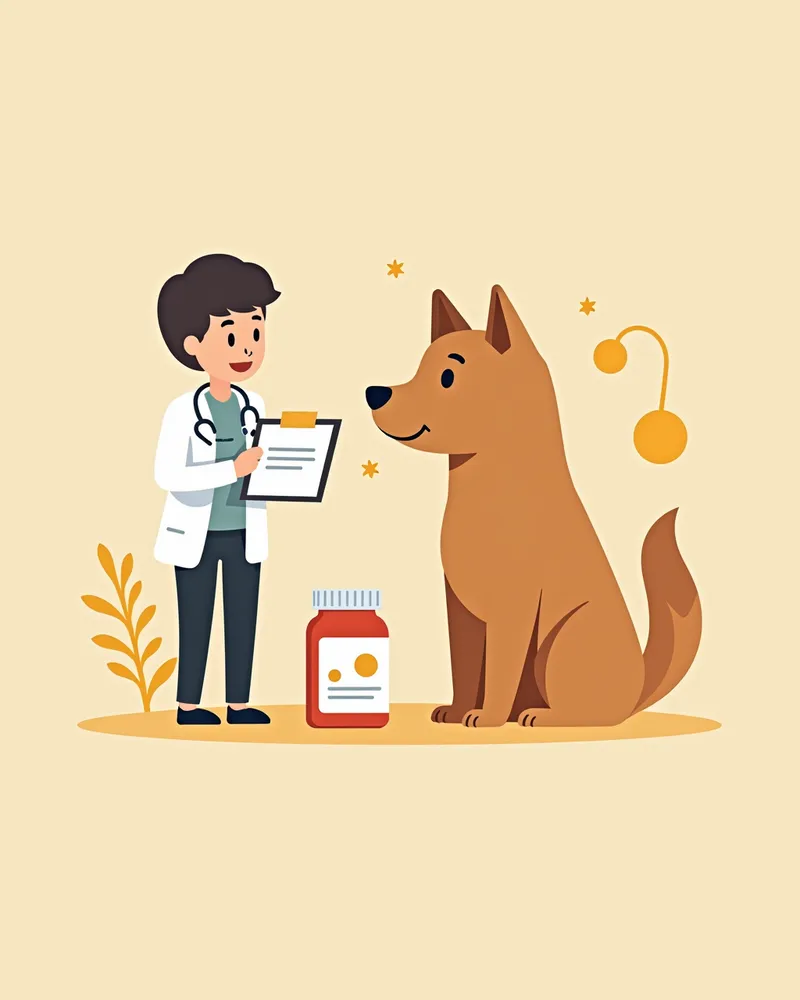
How Can It Be Managed at Home?
Comparison of Characteristics by Endocrine Hypertension Type
| Item | Main cause | Main symptoms | Treatment |
|---|---|---|---|
| Hyperadrenocorticism (Cushing's syndrome) | Excessive cortisol secretion | Polydipsia/polyuria, increased appetite, abdominal distension | Treat the underlying disease (drugs/surgery), combined with antihypertensives |
| Pheochromocytoma (chromaffin cell tumor) | Excessive catecholamine secretion | Paroxysmal hypertension, tachycardia, weakness | Adrenalectomy, combined with antihypertensives |
| Other endocrine disorders | Diabetes mellitus, primary aldosteronism, etc. | Varies by cause | Tailored treatment based on the cause |
Each type is distinguished by hormone tests and imaging, and hypertension due to hyperthyroidism is rare in dogs.
Caution: Drug Interactions
When using other medications (such as anti-inflammatory drugs or antibiotics) alongside treatment for endocrine hypertension, blood pressure control may be affected. It is essential to inform your veterinarian about all medications being used. Sudden changes in blood pressure can be dangerous.
Reviewed by a veterinarian

Dr. Tony — Punnawat Phongkittirak
VeterinarianA veterinarian who majored in veterinary medicine at Khon Kaen University, Thailand, and completed the IVSA program at North Carolina State University in the United States. Drawing on clinical experience at animal hospitals, he works in the pet healthcare field and is dedicated to building a digital care environment that connects pet parents with veterinarians.
Reviewed 2026-06-01
Frequently Asked Questions
Can endocrine hypertension in dogs be genetic?
Can endocrine hypertension be cured?
Can I measure my pet's blood pressure at home?
Which organs can be damaged by high blood pressure?
Is endocrine hypertension more common in older pets?
Share
Related Guides

Top 5 Prescription Dog Foods for Diabetes Recommended by Veterinarians — Blood Sugar-Stabilizing Food Comparison
7 Key Products for Managing Feline Hypercalcemia Recommended by Veterinarians and Selection Criteria
7 Key Points for Canine Thyroid T4 Testing by Veterinarians — From Timing to Result Interpretation

When to Administer SAMe and Milk Thistle for Dogs: Effects and Selection Points
What is Canine Hepatocellular Carcinoma? — Key Points on Benign vs. Malignant, Treatment, and Prognosis
Dog Liver Tumors: Primary vs. Metastatic — Owner Q&A from Diagnosis to Prognosis
Will My Dog’s Bleeding Not Stop If Their Liver Is Bad? — Q&A on Coagulation Abnormality and Bleeding Signs
What Is a Liver Abscess in Dogs? — Key Q&A on Symptoms to Treatment
What is Canine Gallbladder Mucocele? — Symptoms, Diagnosis, and Cholecystectomy
Is the Medicine My Dog Ate Safe for the Liver? — Symptoms and Emergency Response for Drug-Induced Liver Injury
References
[1] Notes on Canine Internal Medicine, 4th Ed. (2023). Chapter 29: Hypertension in Dogs.
[2] Textbook of Cardiovascular Medicine in Dogs and Cats. (2021). Section 4: Systemic Hypertension and Organ Damage.
[3] Clinical Medicine of the Dog and Cat, 4th Ed. (2022). Chapter 28: Endocrine Hypertension in Canine Patients.