

If Your Cat Has Been Diagnosed with Cancer — Nutritional Management Q&A from Diet to Supplements
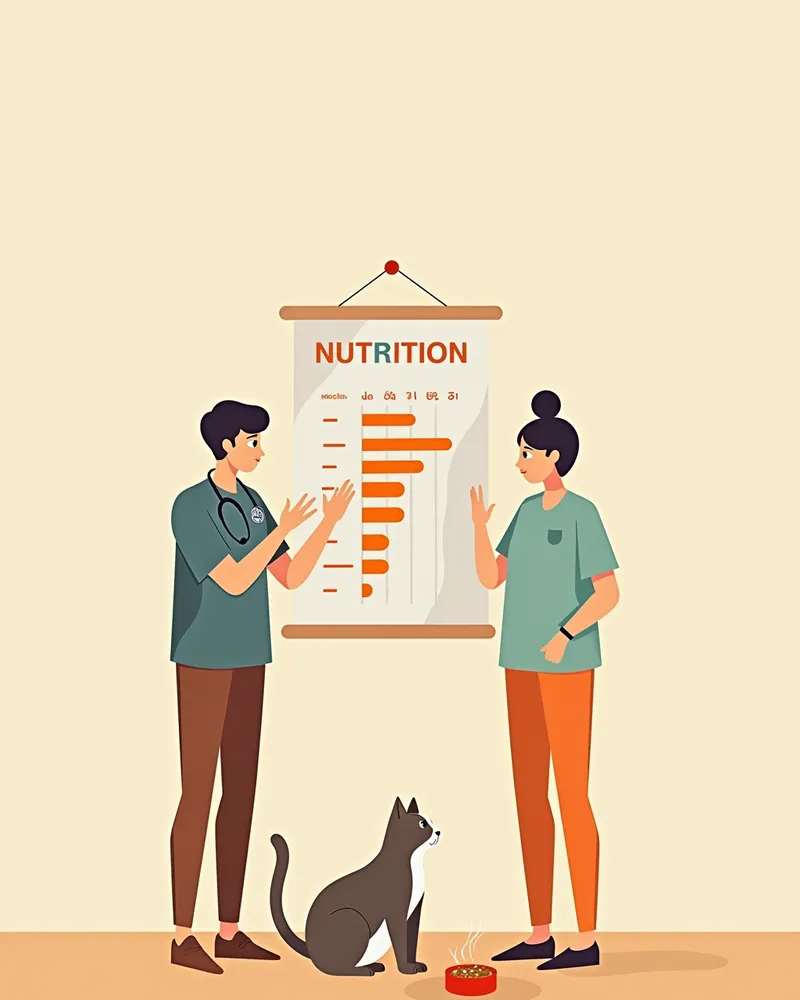
Nutritional support is essential for cats with tumors, as it enhances treatment efficacy and helps maintain their quality of life. Here are answers to the most common questions from pet owners.
Why is nutritional support for cats with tumors important?

What is the cornerstone of nutritional support?
Which supplements are effective?
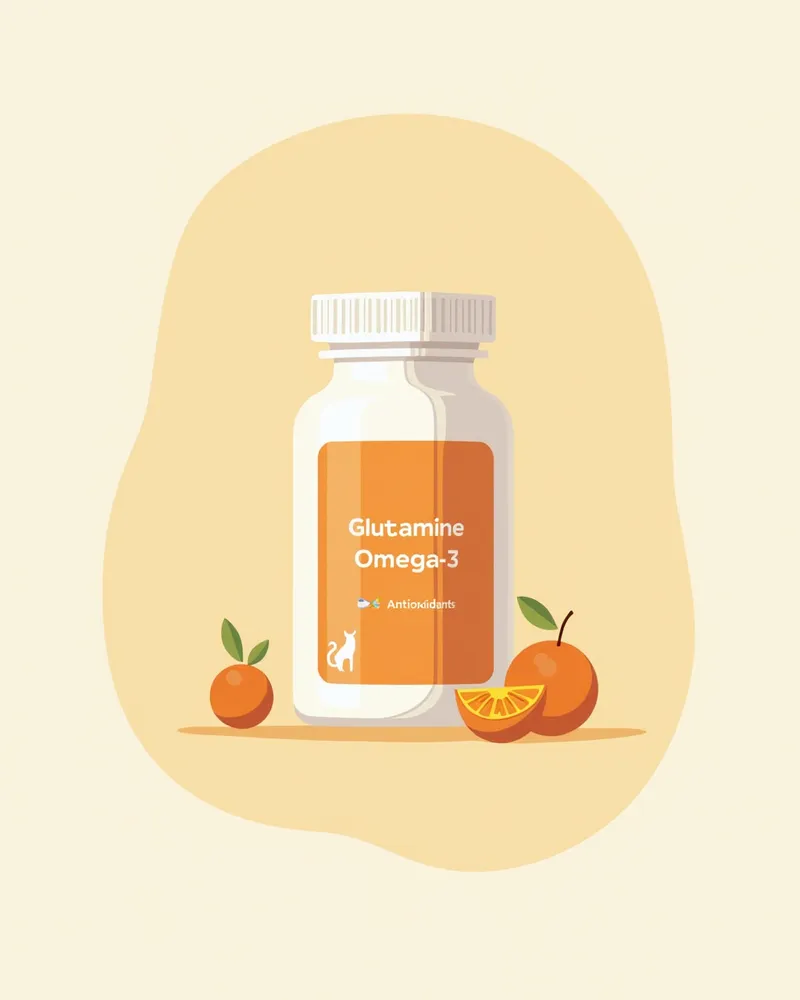
Comparison of supplement types: effects and precautions
| Item | Main Effects | Cautions | Recommended Timing |
|---|---|---|---|
| Glutamine | Supports intestinal mucosal function, helps maintain lean body mass (muscle) | Limited clinical evidence; possible indigestion with excessive intake | Decide after consulting a veterinarian |
| Omega-3 Fatty Acids | The inflammation-regulating mechanism is still being researched | Possible delayed blood clotting | Decide after consulting a veterinarian |
| Antioxidants (Vitamin E, C) | Possible relief of oxidative stress (anti-tumor effect unclear) | At high doses, possible reduced chemotherapy efficacy and toxicity | Avoid high-dose intake during chemotherapy and consult your veterinarian about use |
The clinical efficacy of all supplements has not been sufficiently proven, so always use them under the guidance of a veterinarian; in particular, high-dose antioxidants should be avoided during chemotherapy.
How should feeding habits be changed?
Caution: Excessive supplement intake is dangerous
Supplements can be effective, but excessive intake may cause side effects. In particular, omega-3 fatty acids can inhibit blood clotting, and antioxidants may become toxic when consumed in large amounts. A veterinarian should determine the appropriate dosage based on your pet’s weight and health condition. Self-prescribing is strictly prohibited. If any abnormal symptoms such as vomiting, diarrhea, or shock occur during use, seek immediate veterinary care.
Complementary therapies to consider alongside nutritional support

Reviewed by a veterinarian

Dr. Tony — Punnawat Phongkittirak
VeterinarianA veterinarian who majored in veterinary medicine at Khon Kaen University, Thailand, and completed the IVSA program at North Carolina State University in the United States. Drawing on clinical experience at animal hospitals, he works in the pet healthcare field and is dedicated to building a digital care environment that connects pet parents with veterinarians.
Reviewed 2026-06-07
Frequently Asked Questions
Can I give my pet supplements before starting treatment?
Is a raw food diet better?
What should I do if my pet has no appetite?
My pet vomited after taking the supplement. Is this normal?
How long should nutritional support be continued?
Share
Related Guides

Comprehensive Guide to Recommended Hospice Care and Quality of Life Management for Cats with Tumors

7 Factors Determining Prognosis and Life Expectancy in Dogs with Tumors, According to Veterinarians
7 Key Management Points for Canine Transitional Cell Carcinoma (Bladder Cancer) Recommended by Veterinarians — From Symptoms to Care

When to Let Go of Our Dog with End-Stage Cancer — Hospice Care and the Euthanasia Decision

End-Stage Kidney Failure in Cats — Symptoms and Euthanasia Decision Guide

Tick-Borne Disease Checklist — What to Check After Your Dog’s Walk

Cats and Essential Oil Diffusers — Why Inhalation Alone Causes Liver Damage

Guide to English Abbreviations for Diagnoses

Why Do Dogs and Cats Self-Harm, and How Can You Stop It?

How to Apply Emergency Bandages at Home
References
[1] Stiver, S.L. et al. (2003). Septicemic salmonellosis in two cats fed a raw-meat based diet. J. Am. Anim. Hosp. Assoc. 39: 538–542.
[2] Mauldin, G.E. (2011). Nutritional Management of Oncologic Diseases. In: Applied Veterinary Clinical Nutrition, 2nd Ed. pp. 484–495.
[3] Remillard, R.L. et al. (2005). Glutamine and immune function in cats with cancer. J. Vet. Intern. Med. 19: 123–129.