
Guide to Selecting Senior Cat Food (Age 7 and Older)
This guide outlines evidence-based veterinary recommendations for selecting senior cat food, including key nutritional components and feeding practices for cats aged seven and older.
What Is Senior Cat Food? Why It’s Essential for Cats Aged 7 and Older

Feline Life Stage Classification by Age
Comparison of Feline Nutritional Requirements by Age
| Item | Adult Cat (1–6 yrs) | Mature/Middle-aged (7–10 yrs) | Senior/Geriatric (11+ yrs) |
|---|---|---|---|
| Protein Content (Dry Matter Basis) | Adequate high-quality protein supply | Adequate high-quality protein (no restriction needed) | Adequate high-quality protein (prevents muscle loss · malnutrition) |
| Phosphorus Level | No restriction | Moderate to slightly low | Restricted by veterinary prescription if kidney dysfunction is confirmed |
| Importance of Water Intake | Moderate | High | Very high |
| Fat · Energy | Weight management | Adjust based on body condition | Higher energy density due to reduced digestion/absorption; increase if losing weight |
| Care Focus | Weight management | Monitor kidneys · joints | Prevent muscle loss · dehydration; regular kidney · thyroid checkups |
Based on AAFP (American Association of Feline Practitioners) senior care guidelines and veterinary nutrition textbooks
Key Checkpoints When Choosing Senior Cat Food
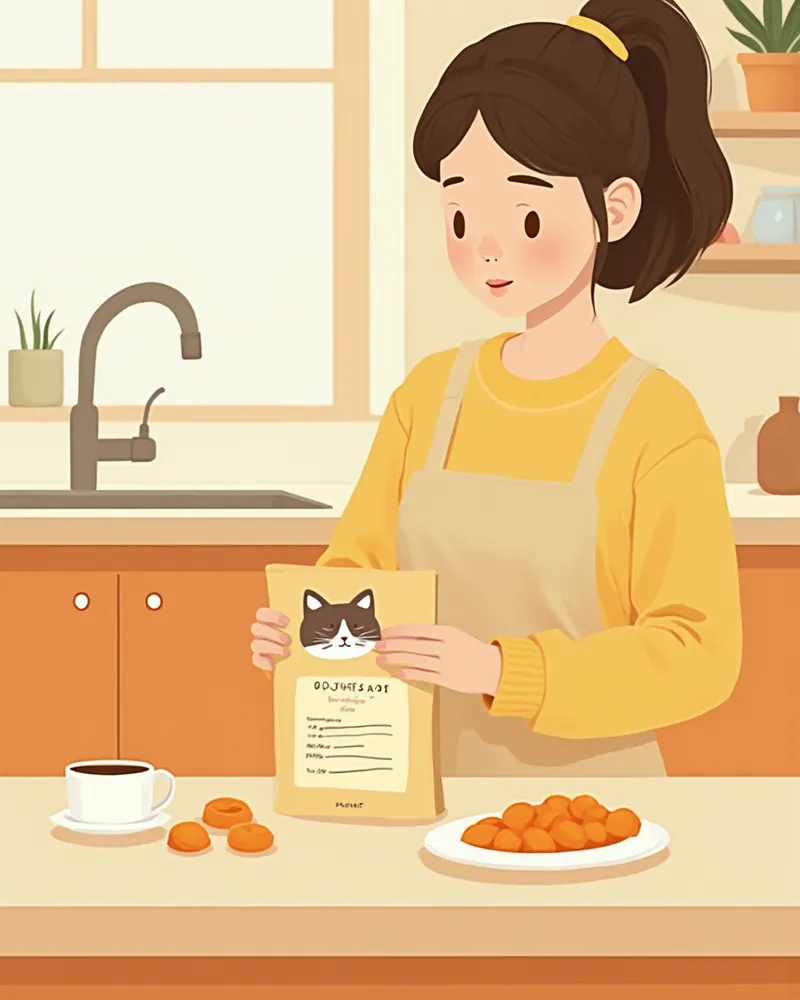
Check These Before Switching Food
If your cat’s kidney markers (BUN, creatinine, SDMA) or thyroid hormone levels (T4) are abnormal, standard senior cat food may actually be harmful. In early-stage kidney disease, phosphorus restriction is essential, while hyperthyroidism requires tailored dietary adjustments based on factors such as weight loss and metabolic changes. After age seven, always consult your veterinarian and decide whether prescription diet is necessary based on blood test results.
Dry Food vs. Wet Food: Which Is Better for Senior Cats?

Transition Food Gradually Over at Least One Week
When Prescription Diets Are Needed
There are specific prescription diets for the various conditions commonly seen in senior cats. Cats with chronic kidney disease are prescribed diets that control phosphorus and protein, those with diabetes receive low-carbohydrate, high-protein formulas, and cats with gastrointestinal issues are given easily digestible options. While these prescription diets are readily available at most pet stores, they should only be selected after a veterinary diagnosis. Feeding a prescription diet long-term to a healthy senior cat can actually lead to nutritional imbalances.
Essential Ingredients in Senior Cat Food
타우린(Taurine)
심장·눈 건강 유지, 고양이 필수 아미노산
Dosage: 건물 기준 0.2% 이상
AAFCO 필수 영양소 지정
EPA·DHA(오메가-3)
관절 염증 감소, 피부·피모 건강
Dosage: 건물 기준 0.1~0.3%
수의영양학 교과서 권장
L-카르니틴
근손실 예방, 체지방 에너지 전환
Dosage: 건물 기준 50~200mg/kg
프리바이오틱스(FOS)
장내 유익균 증식, 변비·설사 개선
Dosage: 건물 기준 0.5~1%
비타민 E
항산화, 면역력 유지
Dosage: 건물 기준 100IU/kg 이상
Reviewed by a veterinarian

Dr. Tony — Punnawat Phongkittirak
VeterinarianA veterinarian who majored in veterinary medicine at Khon Kaen University, Thailand, and completed the IVSA program at North Carolina State University in the United States. Drawing on clinical experience at animal hospitals, he works in the pet healthcare field and is dedicated to building a digital care environment that connects pet parents with veterinarians.
Reviewed 2026-04-21
Frequently Asked Questions
My cat just turned 7. Should I switch a healthy cat to senior formula right away?
I heard that senior cat food should have low protein. Is that true?
Is it okay to feed only wet food?
My senior cat has suddenly stopped eating its food. What should I do?
Do I need to give my pet separate nutritional supplements?
Share
Related Guides
My Senior Cat Won’t Eat — A Complete Guide to Choosing Food for Cats with Weak Digestion
Top 5 Prescription Diets for Feline Pancreatitis Recommended by Veterinarians — Low-Fat, Highly Digestible Food Guide

Royal Canin vs Hill’s vs Purina vs Orijen — Which Brand Is Right for Your Pet, According to Veterinarians?
What Is Feline Tumor Immunotherapy? — Essential Q&A for Pet Owners on Principles to Efficacy
Feline Tumor CT/MRI Staging FAQ — Key Information Every Cat Owner Must Know
Cat Tumor Biopsy and Fine-Needle Aspiration FAQ — Key Information for Pet Owners

What is Feline Squamous Cell Carcinoma? — What Symptoms Should Raise Suspicion?
When to Spay Your Cat to Prevent Mammary Tumors — Key Prevention Q&A

How to Reduce Pain in Cats with Cancer at Home — Key Q&A on Palliative Care

Cat Epistaxis and Nasal Obstruction: Could It Be a Nasal Tumor? — Key Symptoms and Treatment Overview
References
[1] Fascetti AJ, Delaney SJ. Applied Veterinary Clinical Nutrition, 2nd Ed. Chapter 8: Commercial and Home-Prepared Diets
[2] Schaer M, Gaschen F. Clinical Medicine of the Dog and Cat, 4th Ed. Chapter 25: Nutritional Management
[3] Laflamme DP, et al. Nutrition of Aging Cats, Veterinary Clinics of North America: Small Animal Practice, 2014