Like
Share
멍실장
강아지 유선 종양 자주 묻는 질문 Q&A — 보호자가 꼭 알아야 할 핵심

Dog Mammary Tumors FAQ — Key Information Every Pet Owner Must Know

Oncology/CancerQ&AMeongsiljang Veterinary Advisory Board

Mammary tumors are the most common type of tumor in female dogs. We’ve compiled a Q&A covering everything pet owners need to know, from early detection to surgery and spaying for prevention.

What Are Dog Mammary Tumors?

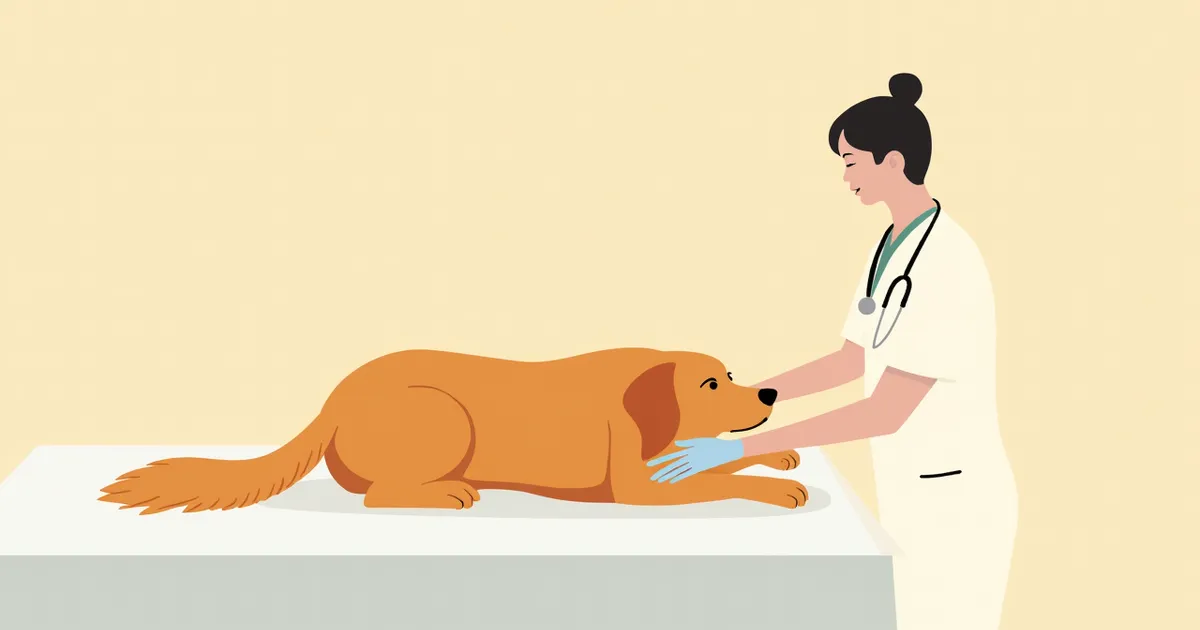
A veterinarian palpating the mammary glands of a female puppy.
Mammary gland tumors in dogs are growths that form when cells in the mammary glands (such as secretory or ductal cells) proliferate abnormally. These tumors are especially common in intact female dogs. According to veterinary textbooks, about one in four (25%) intact females may develop a mammary tumor during their lifetime. The most important thing to remember is that if you feel a lump in your dog’s mammary area, you should have it checked by a veterinarian right away. In intact females, approximately half of all mammary tumors are malignant (cancerous), so it’s far better to get it checked immediately rather than waiting to see if it changes.

Why Do Mammary Tumors Occur? Main Causes and Risk Factors

The biggest risk factor for mammary tumors is hormone exposure. Because these tumors are hormone-dependent, intact females have a much higher risk of developing them. Veterinary textbooks report that spaying before the first heat cycle offers the greatest preventive benefit. The incidence increases with age, and most diagnoses are made in senior females, typically between 10 and 12 years old. These tumors are more commonly reported in certain breeds, including Poodles, Spaniels, English Setters, Dachshunds, Terriers, and German Shepherds, so it’s helpful to consider breed as well. Although rare, male dogs can also develop mammary tumors; in these cases, the tumors tend to be more aggressive and carry a poorer prognosis.

Benign vs. Malignant Tumors — Comparing Characteristics

ItemBenign tumorMalignant tumor
Growth rateGenerally slowMay grow more rapidly
Border definitionClear and movableIndistinct and fixed
Skin changesNormalPossible ulceration or discoloration
Lymph node metastasisNoneMetastasis possible
PainUsually nonePainful as it progresses
Post-surgical prognosisGoodVaries by malignancy grade and stage

Whether a tumor is benign or malignant can only be accurately confirmed by biopsy

What Symptoms Appear? Pet Owner Checklist
If you notice any of the following symptoms during bathing or grooming, a veterinary visit is necessary.
Lumps in the mammary area: A firm or soft mass can be felt on the lower abdomen.
Rapid size change: The lump grows noticeably larger within a few weeks.
Skin ulceration or discoloration: The skin over the lump becomes red or ulcerated.
Nipple discharge: Abnormal fluid is discharged from the nipples.
Decreased appetite or weight loss: These may occur if a malignant tumor has progressed.
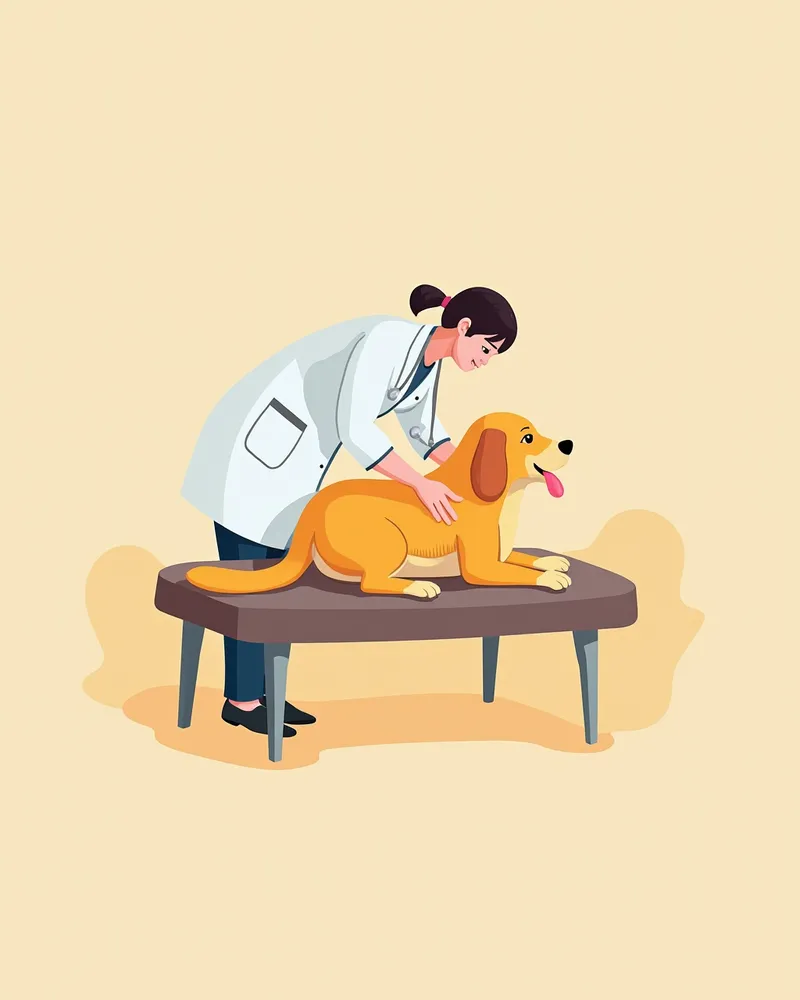
A veterinarian palpating a puppy’s abdominal mammary gland with their hands.

Visit the Clinic Immediately for These Symptoms

If a lump grows rapidly, its surface becomes ulcerated, or your dog shows signs of pain, you should visit our clinic the same day. Labored breathing or limbing may indicate that the condition has metastasized to the lungs or lymph nodes. In such cases, consider seeking care at a 24-hour emergency animal hospital.

How Are They Diagnosed? Guide to the Examination Process
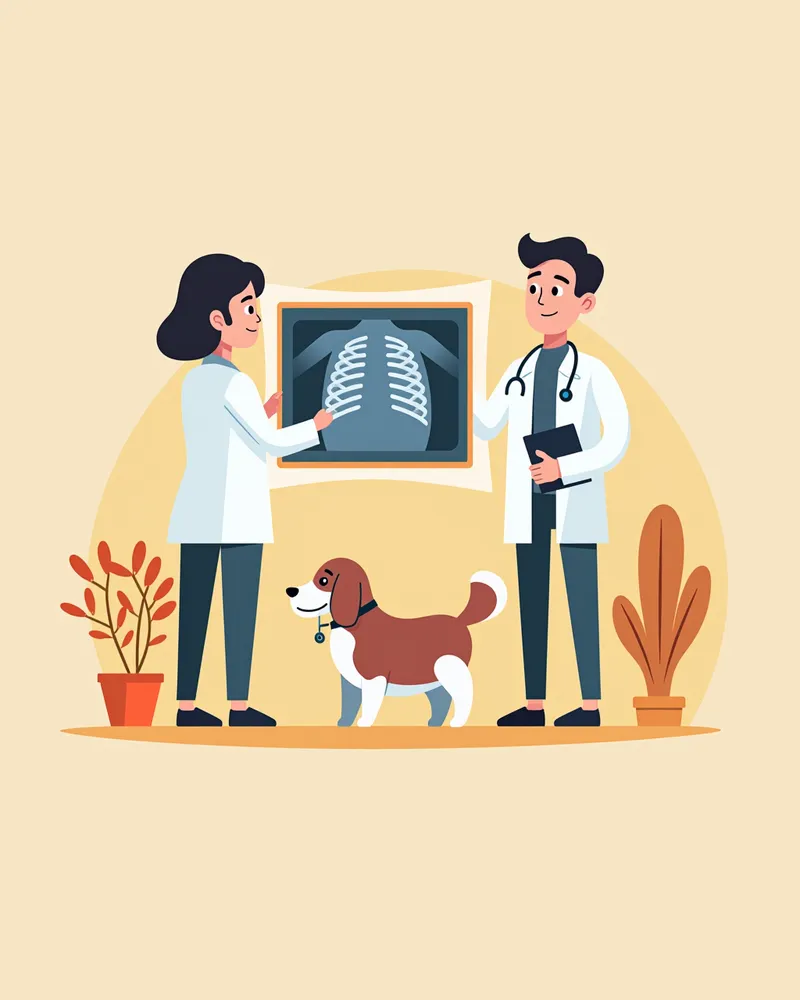
Diagnosing mammary tumors is a step-by-step process. First, the veterinarian performs a physical examination by palpating the lump to assess its location, size, and boundaries. Next, a fine-needle aspiration is conducted to collect cells for microscopic analysis, or a more definitive biopsy may be performed to determine whether the tumor is benign or malignant. A chest radiograph is routinely taken to check for metastasis to the lungs. If necessary, ultrasound or CT scans are added to provide a more detailed evaluation of the tumor’s extent and any potential spread.
A veterinarian analyzing a puppy's chest X-ray.

How Are They Treated? Understanding Surgery and Post-Operative Care

The primary treatment for mammary tumors is surgical removal. Depending on the tumor’s location, number, and whether it is malignant, the surgeon may remove only the tumor, the entire affected mammary gland, or half of the gland. After surgery, the removed tissue is examined in detail to determine malignancy and confirm complete excision. If the tumor is confirmed to be malignant, additional treatments such as chemotherapy or radiation therapy may be considered. The extent of treatment and prognosis vary based on tumor size, degree of malignancy, and presence of metastasis, so please discuss these factors thoroughly with your veterinarian.

Spaying Can Prevent Mammary Tumors

According to veterinary textbooks, spaying before the first heat cycle significantly reduces the risk of mammary tumors. The preventive effect diminishes with each subsequent heat cycle. If a tumor has already been detected, consult your veterinarian about whether to perform spaying at the same time as tumor removal surgery.

How Should You Care for Your Dog After Surgery?

Immediately after surgery, it’s important to keep the incision site clean. Have your dog wear an Elizabethan collar (e-collar) to prevent licking, and avoid vigorous exercise for about two weeks. Regular check-ups every 3 to 6 months are essential post-surgery. Since mammary tumors can recur or develop in the opposite mammary chain, it’s a good habit to gently palpate the mammary area during regular baths.
A puppy recovering at home while wearing a neck collar after surgery

Reviewed by a veterinarian

Dr. Tony — Punnawat Phongkittirak

Dr. Tony — Punnawat Phongkittirak

Veterinarian

A veterinarian who majored in veterinary medicine at Khon Kaen University, Thailand, and completed the IVSA program at North Carolina State University in the United States. Drawing on clinical experience at animal hospitals, he works in the pet healthcare field and is dedicated to building a digital care environment that connects pet parents with veterinarians.

Frequently Asked Questions

I felt a lump in the mammary gland. How soon should I go to the vet?
It's best to visit the vet as soon as you notice a lump. It becomes even more urgent if the lump grows quickly or if there are any changes in the skin. The earlier a mammary tumor is detected, the more treatment options are available and the better the prognosis.
How can you detect mammary tumors at home?
During baths or grooming, gently run your fingers along the teat line on your pet’s belly. If you feel any lumps larger than a pea or notice areas that feel unusually firm compared to normal, it’s time to visit the vet.
My dog is senior, and I’m worried about anesthesia. Is surgery absolutely necessary?
Even senior dogs can safely undergo anesthesia if their overall health is good. Your veterinarian will first assess the anesthesia risk through pre-surgical tests such as blood work and an electrocardiogram (ECG) before making a decision. Discuss both the risks of not having the surgery and the potential benefits with your vet.
Even though the tumor was diagnosed as benign, is surgery still necessary?
Even if a lump is benign, surgical removal is the standard of care. As long as the pet is not extremely elderly, we recommend surgical excision because it is impossible to distinguish between benign and malignant tumors by palpation alone; a biopsy is required for confirmation. This is especially important in unspayed females, where approximately half of mammary tumors can be malignant, making accurate diagnosis crucial.
Can the condition recur even after surgery?
Malignant tumors can recur after surgery or develop anew in the opposite mammary gland. Because the prognosis varies significantly depending on the degree of malignancy and whether metastasis has occurred, regular check-ups and ongoing monitoring are essential even after surgery.

Share

Related Guides

References

[1] Yamagami, T., Kobayashi, T., Takahashi, K., et al. Influence of ovariectomy at the time of mastectomy on the prognosis for canine malignant mammary tumours. J Small Anim Pract 37:462–464. 1996.

[2] Withrow, S.J., Vail, D.M., Page, R. (eds.). Veterinary Surgical Oncology, 2nd Ed. Wiley-Blackwell. 2013.

[3] Nelson, R.W., Couto, C.G. Notes on Canine Internal Medicine, 4th Ed. Wiley-Blackwell. 2014.

This information is based on veterinary literature and does not replace diagnosis or treatment. Please consult a veterinarian for specific health concerns.

Metapet Co., Ltd. | CEO: Park Sung-yong | Business Reg. No. 417-88-02562 | Seoul, South Korea | Customer Center

Dog Mammary Tumors FAQ: Causes, Signs, Surgery & Prevention | Meongsiljang