
Like
Share
멍실장
강아지 복강 내 종양 감별 자주 묻는 질문 Q&A — 보호자가 꼭 알아야 할 핵심

Dog Abdominal Tumors: What to Suspect — Key Q&A on Intra-abdominal Tumor Differential Diagnosis

Oncology/CancerQ&AMeongsiljang Veterinary Advisory Board

Abdominal tumors in dogs often lack early symptoms, which can delay diagnosis. We’ve compiled essential information on how to identify and manage these conditions, so pet owners can stay informed.

Why is Differential Diagnosis of Intra-abdominal Tumors in Dogs Important?

A veterinarian performing an abdominal ultrasound on a puppy.
In the early stages, tumors within a dog’s abdominal cavity often show few to no symptoms, making early detection extremely difficult. Therefore, precise differentiation through abdominal ultrasound or CT scans is essential. - Early Diagnosis: Regular check-ups can detect tumors even when symptoms are absent, significantly increasing treatment success rates. - Accurate Differentiation: Histological analysis via biopsy is key to determining whether a tumor is benign or malignant. - Treatment Planning: Accurately identifying the tumor’s nature enables tailored treatments such as surgery or chemotherapy. Early detection and precise differentiation play a decisive role in saving lives.

What Are the Main Causes of Intra-abdominal Tumors?
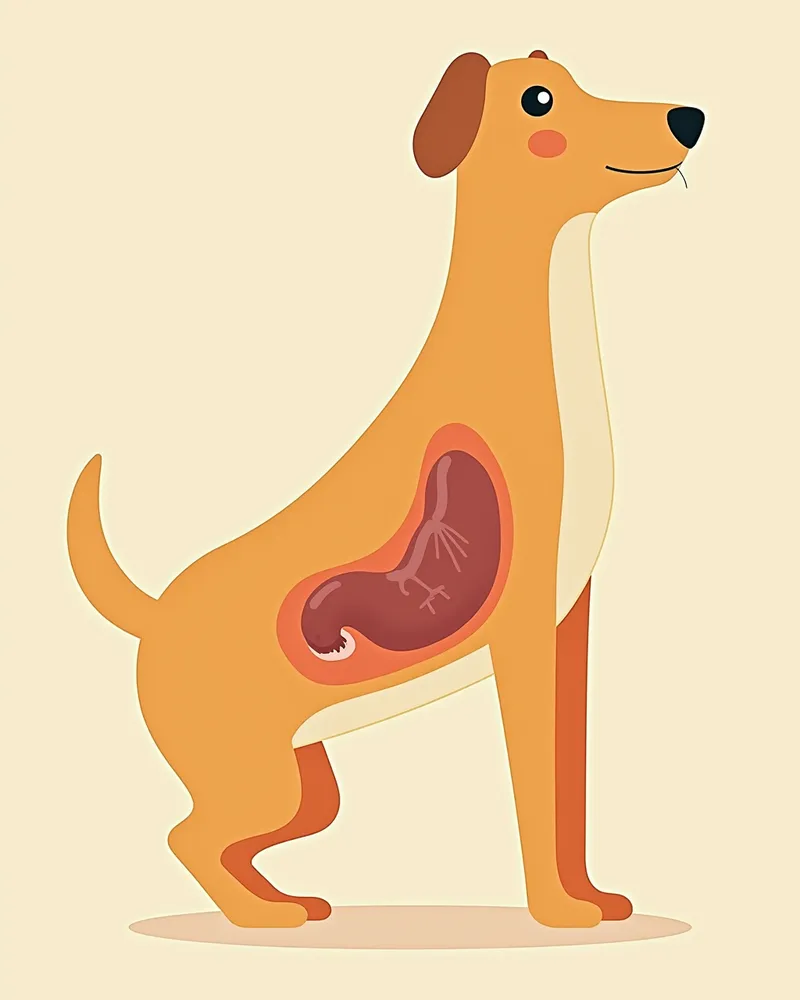
While the exact cause of abdominal tumors in dogs is often not clearly identified, several risk factors are known. - Age: Senior dogs, particularly those in middle age and older, tend to have a higher predisposition to developing tumors. - Breed Predisposition: Certain breeds have been reported to have a predisposition to specific types of tumors. - Existing Lesions: It is difficult to distinguish between benign and malignant masses in abdominal organs based solely on imaging tests, so further diagnostic testing is necessary. - Nonspecific Progression: Abdominal tumors often present with vague and nonspecific symptoms, meaning they are frequently discovered only after the condition has progressed. - Importance of Regular Check-ups: Rather than pinpointing a single definitive cause, early differentiation based on risk factors is crucial. Regular health check-ups are essential for this early detection.
An anatomical diagram highlighting the most common sites of abdominal tumors in dogs

Key Diagnostic Methods for Differential Diagnosis of Intra-abdominal Tumors
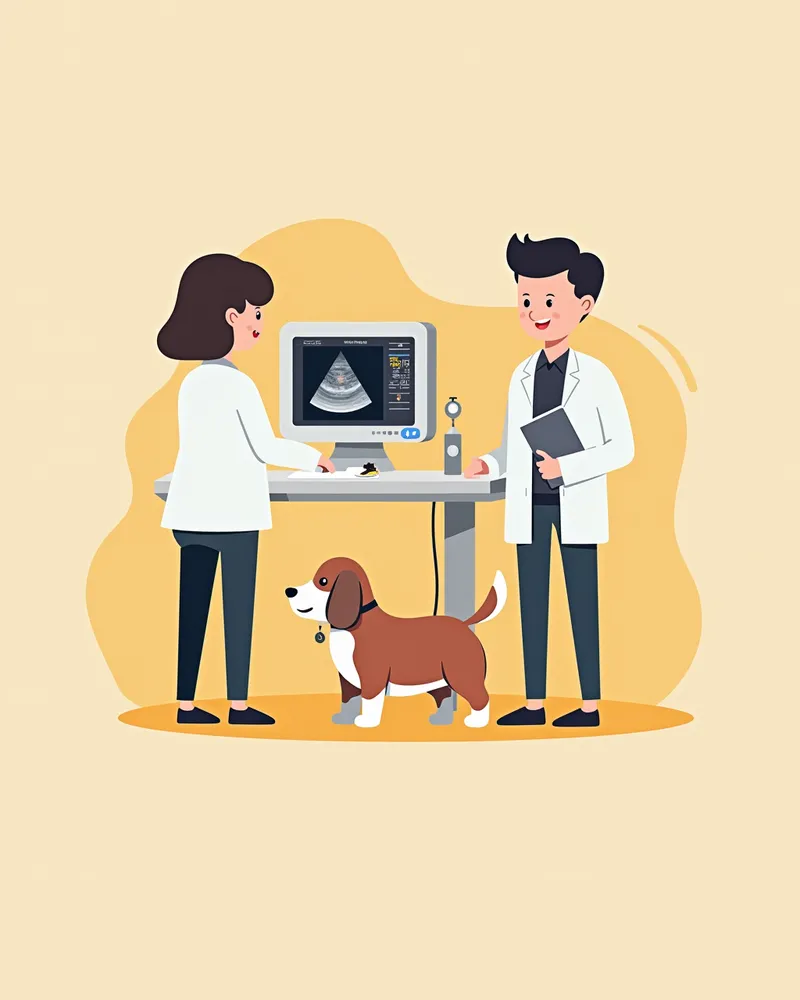
Differentiating tumors within the abdominal cavity cannot be achieved with a single test; multiple diagnostic methods must be used in combination. - Abdominal ultrasound: Allows for rapid assessment of the tumor’s location, size, shape, and blood flow. - CT scan: Effective for detailed structural analysis and determining whether metastasis has occurred. - Biopsy: The most reliable method for confirming the nature of the tumor by directly sampling tissue. - Blood tests: Helpful in evaluating overall health status, including liver function. - Clinical symptom analysis: Involves comprehensively considering symptoms such as abdominal distension and decreased appetite. Only by combining all these tests can an accurate diagnosis be made.
Screen showing a tumor detected during an abdominal ultrasound in a dog

Comparison of Diagnostic Methods for Tumor Differential Diagnosis

ItemAccuracyCostKey Advantage
Abdominal ultrasoundIntermediateLowEnables rapid diagnosis
CT scanHighIntermediatePrecise structural analysis
BiopsyVery highHighAccurate confirmation of tumor type

Biopsy is the gold standard for differentiating tumors. Decide after consultation at the clinic.

Points for Pet Owners to Note During the Differential Diagnosis Process

During the differential diagnosis process, pet owners should not neglect communication with their veterinarian. - Interpreting test results: Misunderstanding results can increase anxiety. Always ask for a clear explanation. - The necessity of biopsy: Although it may cause discomfort, a biopsy is essential for an accurate diagnosis. - Changes in treatment direction: If the tumor is malignant, the treatment plan may change significantly. - The importance of patience: Do not overlook scheduled tests, as early detection is crucial. - Collaboration with your veterinarian: Decisions should be made jointly by the pet owner and the veterinarian. Trust and open communication throughout this process are key to successful treatment.
A puppy recovering after surgery, with its owner by its side.

Signs Requiring Immediate Veterinary Visit

If your dog shows signs of abdominal distension, loss of appetite, weight loss, vomiting, diarrhea, or blood in the stool, seek veterinary care immediately. These are nonspecific symptoms that could be related to an intra-abdominal tumor. We especially recommend regular check-ups for middle-aged and senior dogs. Early detection significantly improves treatment outcomes, while delays can make treatment more difficult.

How Is the Treatment Direction Determined After Differential Diagnosis?

Once a differential diagnosis is established, the treatment plan is determined by comprehensively evaluating the tumor’s characteristics and the dog’s overall health. - Benign tumors: Surgical removal typically leads to a complete cure. - Malignant tumors: Treatment usually involves a combination of surgery, radiation therapy, and/or chemotherapy. - Metastasis: If metastasis is confirmed, the goal of treatment shifts to symptom management and extending survival time. - Individualized care plans: Your veterinarian will recommend a plan tailored to the tumor’s specific features, as well as your dog’s age and any underlying health conditions. - Discussion with pet owners: We explain all available treatment options and respect your choices. Treatment is not just a medical procedure; it is a journey we share together.
A veterinarian discussing the treatment plan with the pet owner.

5 Frequently Asked Questions During the Differential Diagnosis Process

Here are the most common questions pet owners ask during the differential diagnosis of abdominal tumors in dogs. - What is the likelihood that the tumor is malignant?: Abdominal tumors can be either benign or malignant, making it difficult to determine which type it is based on imaging alone. - Is an ultrasound sufficient?: While useful for initial detection, a biopsy is required for a definitive diagnosis. - Is a biopsy absolutely necessary?: A biopsy and histological examination are essential to accurately determine the nature of the tumor. - What is the recovery period after treatment?: Recovery time varies depending on the type of tumor, the extent of surgery, and the dog’s overall health, so please consult your veterinarian for specific guidance. - Can the risk of recurrence be reduced?: Regular check-ups and adherence to the treatment plan are key to detecting recurrence early. Be sure to discuss these questions with your veterinarian.
Checklist of Frequently Asked Questions Regarding Differential Diagnosis of Abdominal Tumors in Dogs

Reviewed by a veterinarian

Dr. Tony — Punnawat Phongkittirak

Dr. Tony — Punnawat Phongkittirak

Veterinarian

A veterinarian who majored in veterinary medicine at Khon Kaen University, Thailand, and completed the IVSA program at North Carolina State University in the United States. Drawing on clinical experience at animal hospitals, he works in the pet healthcare field and is dedicated to building a digital care environment that connects pet parents with veterinarians.

Frequently Asked Questions

Why is it difficult to detect intra-abdominal tumors at an early stage?
Intra-abdominal tumors often show no symptoms in the early stages or present with non-specific signs such as decreased appetite and weight loss, which can lead to delayed detection. Regular health check-ups are essential.
Can an abdominal ultrasound definitively confirm the presence of a tumor?
Ultrasound is very useful for determining the presence, location, size, and shape of a tumor. However, a biopsy is necessary to accurately determine the nature of the tumor.
How painful is a biopsy?
Biopsies are performed under anesthesia, so your pet won’t feel any pain during the procedure. There may be some discomfort after the surgery, but your veterinarian will prescribe appropriate pain medication to keep your pet comfortable.
If a tumor is malignant, is it untreatable?
Even with malignant tumors, survival time can be extended and quality of life improved through various treatments such as surgery, radiation therapy, and chemotherapy. Early treatment is key.
What management steps are needed to prevent recurrence?
Regular check-ups, a balanced diet, stress management, and strict adherence to prescribed medications are all essential. It’s best to work with your veterinarian to create a personalized care plan.

Share

Related Guides

References

[1] Penninck, D.G. et al. (1998). Ultrasonography of canine gastric epithelial neoplasia. Veterinary Radiology & Ultrasound, 39(5), 342–348.

[2] Terragni, R. et al. (2012). Stomach wall evaluation using helical hydro-computed tomography. Veterinary Radiology & Ultrasound, 53(4), 402–405.

[3] Withrow, S.J. & MacEwen, E.G. (2013). Perianal tumors. In Small Animal Oncology, 5th ed., pp. 423–431. Saunders.

This information is based on veterinary literature and does not replace diagnosis or treatment. Please consult a veterinarian for specific health concerns.

Metapet Co., Ltd. | CEO: Park Sung-yong | Business Reg. No. 417-88-02562 | Seoul, South Korea | Customer Center

Dog Abdominal Tumors: What to Suspect—Key Diagnosis Q&A | Meongsiljang