Like
Share
멍실장
고양이 피하수액 자가 투여 자주 묻는 질문 Q&A — 보호자가 꼭 알아야 할 핵심

How to Administer Subcutaneous Fluids to Cats at Home: Key Steps and Precautions for Self-Administration

KidneyQ&AMeongsiljang Veterinary Advisory Board

Subcutaneous fluid therapy at home is essential for managing chronic kidney disease in cats. We’ve compiled the key questions and answers every pet owner should know.

What Is Subcutaneous Fluid Self-Administration in Cats?
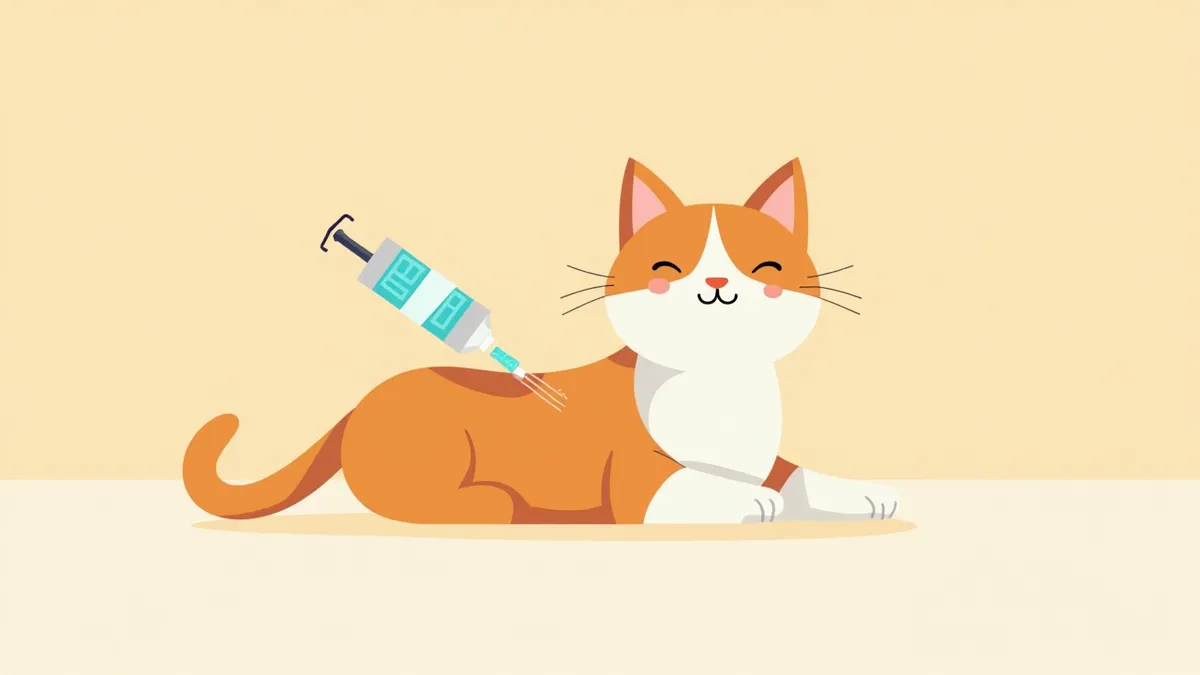
A veterinarian administering subcutaneous fluids to a cat
Subcutaneous fluid administration at home involves giving isotonic fluids prescribed by a veterinarian—such as isotonic crystalloid solutions like Lactated Ringer’s solution—directly under the skin of cats prone to dehydration due to conditions like chronic kidney disease. This helps prevent dehydration and maintain the body’s fluid balance. However, subcutaneous fluids are suitable only for cats in relatively mild condition and are not appropriate for severe dehydration, hypotension, or critical cases. In such situations, alternative treatments such as intravenous fluids administered by a veterinarian are necessary, so always follow your veterinarian’s guidance and prescriptions to ensure safe administration. - Subcutaneous Fluid Administration: Replenishes bodily fluids to prevent dehydration and supports kidney health. - Home Care: Owners can perform this regularly at home. - Ensuring Safety: Risks can be minimized by using proper techniques, having the right supplies, and following veterinary instructions.

Why Do Cats Need Subcutaneous Fluids?

Cats with chronic kidney disease often become dehydrated because their kidneys can’t properly retain fluids, which can further worsen kidney function. Subcutaneous fluid therapy is a key treatment that replenishes body fluids, prevents dehydration, and reduces the burden on the kidneys. A veterinarian will regularly monitor and adjust the dosage. With adequate hydration, your cat’s activity level and appetite may improve. - Hydration benefits: Helps prevent dehydration and supports kidney function. - Slows disease progression: Early management can slow the rate of kidney damage. - Improves quality of life: Restored energy and better appetite enhance overall well-being.
A scene showing a cat drinking water alongside a subcutaneous fluid administration tool.

What to Prepare Before Administering Subcutaneous Fluids

It’s best to use the kit prepared by your veterinarian before administering subcutaneous fluids. The basic supplies include the fluid bag provided by your vet, an IV administration set (line), a needle of appropriate gauge, and a dedicated sharps container for safely disposing of used needles. It’s recommended to warm the fluids to body temperature before administration, as cold fluids can make your cat uncomfortable. You can warm the fluid bag in the microwave or with warm water, but always check the temperature on the inside of your wrist to ensure it feels comfortably warm. - Prepare the fluids: Warm them to near body temperature and check on the inside of your wrist to ensure they’re not too hot. - Check the equipment: Use a new, clean, and undamaged IV administration set and needle. - Prepare the environment: Choose a quiet place where your cat feels secure. - Calm your cat: If needed, gently wrap your cat in a towel, leaving only the head and shoulders exposed, to help soothe them.
A table with all the supplies needed for subcutaneous fluid administration neatly arranged

Step-by-Step Guide to Administering Subcutaneous Fluids
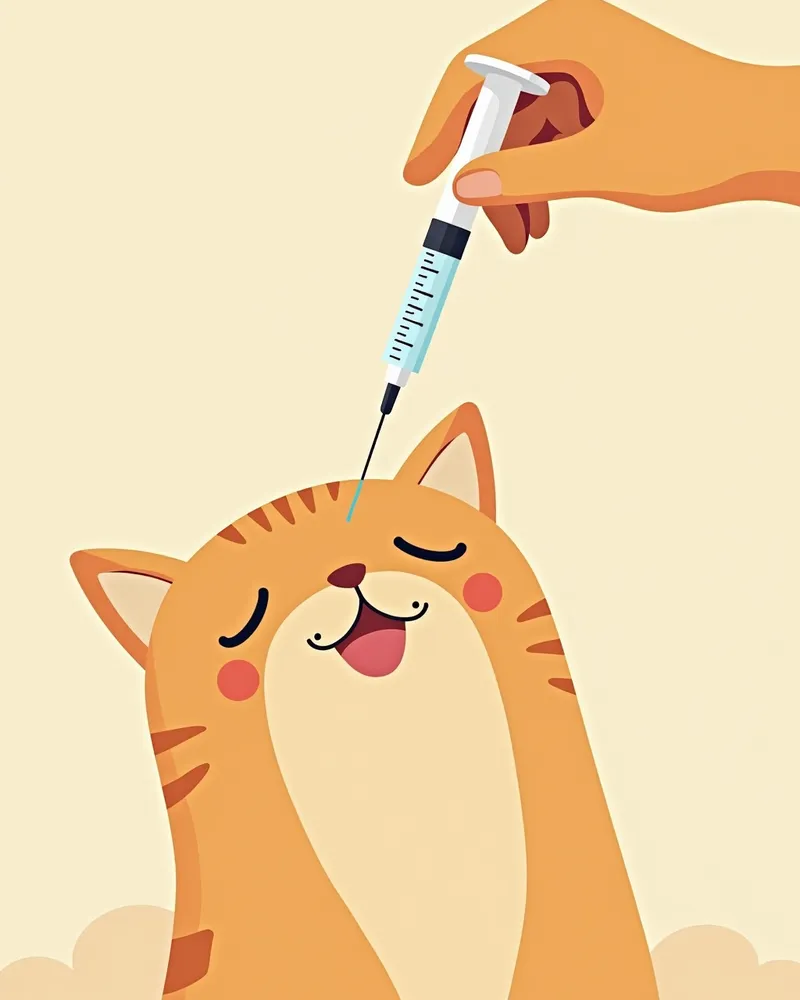
Subcutaneous fluid administration involves four steps. First, place your cat comfortably on the floor or your lap to help them feel secure; if needed, wrap them in a towel, leaving only their head and shoulders exposed. Second, gently lift the skin between the shoulder blades on the back to form a small tent, and carefully insert the needle underneath. Third, hold the fluid bag elevated so gravity allows the fluids to flow in slowly, while monitoring the volume being administered. Fourth, once the prescribed amount has been delivered, remove the needle and gently press the site for a moment. The volume, duration, and rate of administration vary by cat, so always follow your veterinarian’s specific instructions.
A scene showing an intravenous catheter being inserted into a cat’s skin to administer fluids.

When to Visit the Vet Immediately

If your cat experiences severe difficulty breathing, sudden weakness, pale gums, bleeding, or persistent, severe swelling during or after subcutaneous fluid administration, contact your veterinarian immediately. Cats are particularly sensitive to fluid overload, so administering too much fluid or too quickly can place a significant burden on their system. While it is common for some of the administered fluid to temporarily pool under the skin before being absorbed, rapid breathing, lethargy lasting more than one hour after administration, or a complete loss of appetite may indicate complications and require immediate consultation with your veterinarian.

5 Frequently Asked Questions About Subcutaneous Fluid Administration

How should I store the IV fluids? Cold fluids can be uncomfortable for your cat since they’re below body temperature. Warm them to body temperature using a microwave or warm water, then test the temperature on the inside of your wrist to ensure it feels comfortably warm before use. Why isn’t the IV fluid flowing properly? The needle may be incorrectly positioned, or the skin may not be properly secured. Try gently adjusting the needle or attempting a different site. If the issue persists, consult your veterinarian. What should I do if my cat is stressed and moving around? Administer the fluids in a quiet space. Gently wrapping your cat in a towel or having someone assist you can help keep them calm and still. Is it okay if swelling occurs after administration? It’s common for the administered fluid to temporarily pool under the skin before gradually being absorbed. However, if the swelling persists or your cat appears to have difficulty breathing, contact your veterinarian. What if the IV fluid is infusing too quickly? Cats are sensitive to fluid overload, so adjust the height of the IV bag to slow the infusion rate. Consult your veterinarian to determine the appropriate volume and infusion speed for your cat.
Administering subcutaneous fluids to a cat while it lies quietly

Comparison of Precautions for Subcutaneous Fluid Administration by Stage

ItemPrecautionsResponse
During First AdministrationThe cat may become tense or react stronglyStart slowly in a quiet place, and wrap the cat in a towel or have the owner stay with them
During AdministrationThe fluid may not go in well, or the injection site may swellCheck the needle position and try moving it to a different site
After AdministrationThe cat may breathe rapidly (fluid overload) or show reduced energyIf there is severe difficulty breathing or lethargy lasting more than 1 hour, consult your veterinarian immediately

Perform safely under the guidance and prescription of your veterinarian. Cats are sensitive to fluid overload, so be sure to follow the prescribed amount and rate.

Tips for Successful Subcutaneous Fluid Administration

Subcutaneous fluid administration becomes easier with time. Giving fluids at the same time each day helps your cat get into a routine. Calm your cat before giving fluids and offer treats to create positive associations. When warming fluids, do not heat them directly from refrigeration, as excessive heat can injure the skin. Instead, place the fluid bag in warm water for just 1–2 minutes. Always follow your veterinarian’s instructions.
A calendar for recording subcutaneous fluid administration schedules, alongside a cat.

Reviewed by a veterinarian

Dr. Tony — Punnawat Phongkittirak

Dr. Tony — Punnawat Phongkittirak

Veterinarian

A veterinarian who majored in veterinary medicine at Khon Kaen University, Thailand, and completed the IVSA program at North Carolina State University in the United States. Drawing on clinical experience at animal hospitals, he works in the pet healthcare field and is dedicated to building a digital care environment that connects pet parents with veterinarians.

Frequently Asked Questions

How many times a day should subcutaneous fluids be administered?
There is no fixed standard number of treatments; instead, you should follow the frequency and dosage prescribed by your veterinarian based on your cat’s weight, overall condition, and stage of kidney disease. Please adhere strictly to your vet’s instructions and avoid arbitrarily increasing or decreasing the treatment amount.
Can’t the IV fluids be given too quickly?
Yes, cats are particularly sensitive to fluid overload, so administering fluids too quickly or in excessive amounts can place a strain on their bodies. Adjust the height of the IV bag to ensure a slow infusion rate, and consult your veterinarian to determine the appropriate speed.
Where is the best place to administer subcutaneous fluids?
Areas where the skin is easily pinched, such as the back between the shoulder blades, are ideal. Slightly changing the injection site each time helps minimize skin irritation.
The IV fluid isn’t flowing. What should I do?
The needle may not be positioned correctly. Try adjusting it slightly or moving it to a different spot. If the issue persists, consult your veterinarian.
My cat doesn’t like getting IV fluids. What should I do?
Cats can become stressed, making administration difficult. To help, wrap your cat gently in a towel in a quiet place to calm them, start slowly, and create positive associations with treats and praise. Your veterinarian can also assist with the process.

Share

Related Guides

References

[1] The Cat, Clinical Medicine and Management, 2nd Edition, 2020

[2] Feline Emergency and Critical Care Medicine, 2nd Ed, 2019

[3] American Association of Feline Practitioners (AAFP) Guidelines on Chronic Kidney Disease Management, 2022

This information is based on veterinary literature and does not replace diagnosis or treatment. Please consult a veterinarian for specific health concerns.

Metapet Co., Ltd. | CEO: Park Sung-yong | Business Reg. No. 417-88-02562 | Seoul, South Korea | Customer Center

How to Give Cats Subcutaneous Fluids at Home: Steps and Cautions | Meongsiljang