Like
Share
멍실장
강아지 영양 상담 및 식이 선택 자주 묻는 질문 Q&A — 보호자가 꼭 알아야 할 핵심

Frequently Asked Questions on Puppy Nutritional Counseling and Diet Selection — Key Information Every Pet Owner Should Know

Lifestyle & Age CareQ&AMeongsiljang Veterinary Advisory Board

We’ve compiled frequently asked questions about why proper diet selection and nutritional counseling are essential for your puppy’s healthy growth. Here’s a quick overview of the key information every pet owner should know.

Why Are Nutritional Counseling and Diet Selection Important for Puppies?

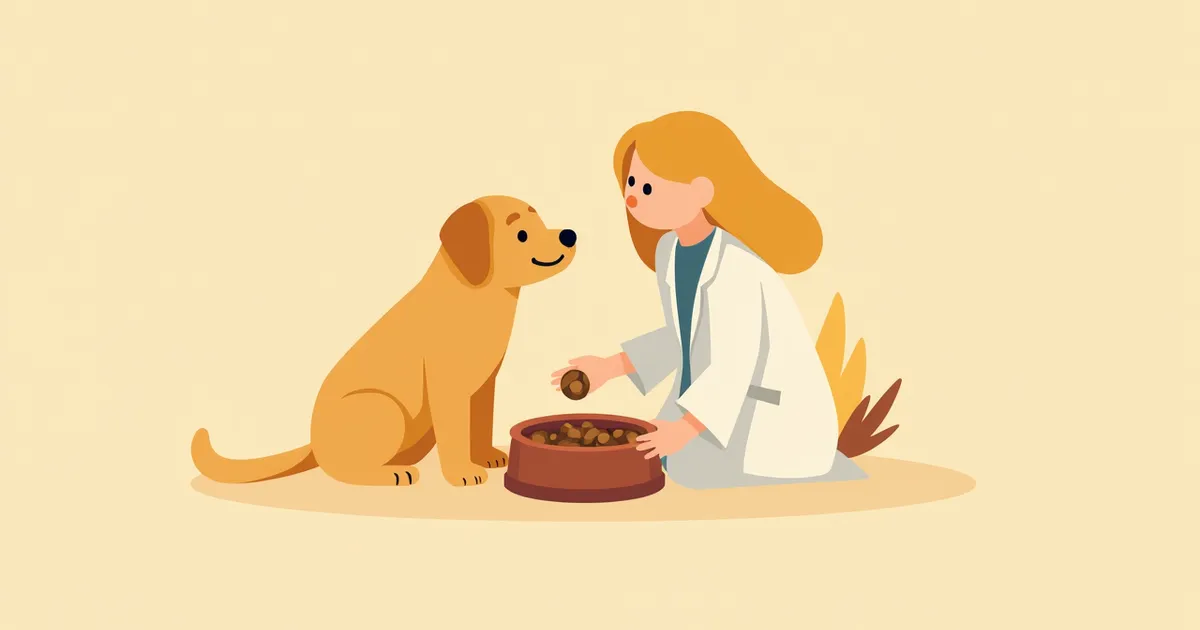
Nutritional counseling and diet selection are essential for your dog’s growth and long-term health. Poor dietary choices can lead to chronic gastrointestinal issues, obesity, and a weakened immune system. Working with a veterinarian to design a customized diet ensures precise nutritional balance. This is especially important for dogs with genetic conditions or allergies, where dietary management plays a critical role. When a pet owner’s care is combined with professional veterinary guidance, your dog’s quality of life can improve significantly.
A scene where the veterinarian and the pet owner discuss a customized diet for the puppy.

What Is the Key to Nutritional Counseling?
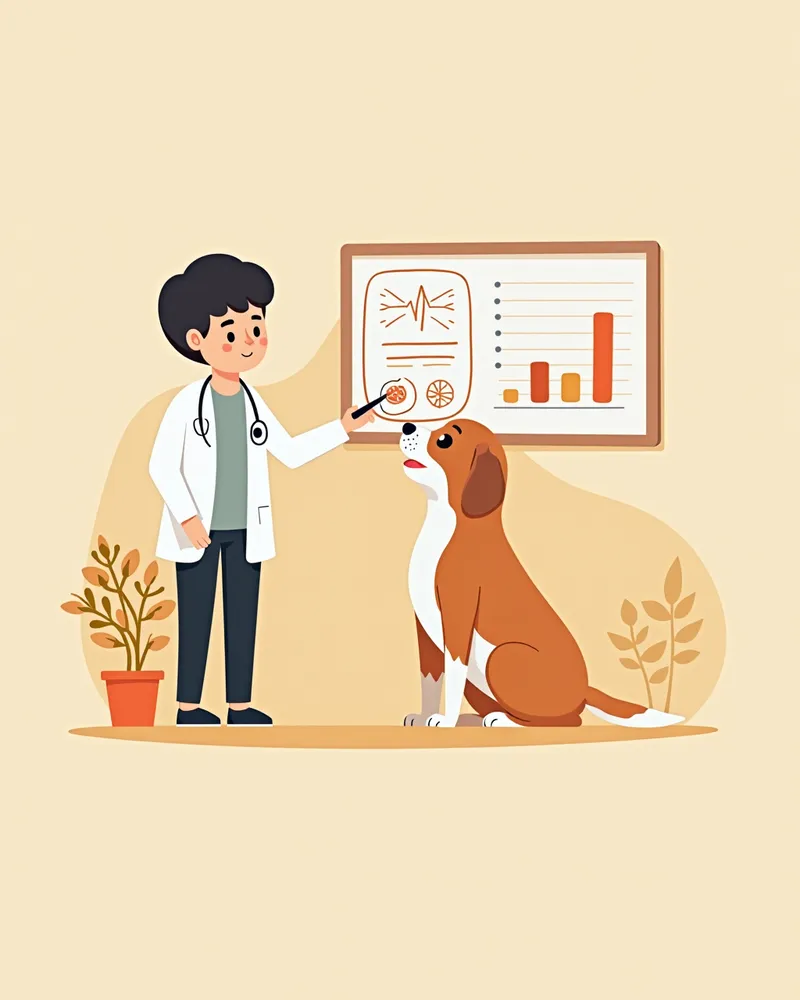
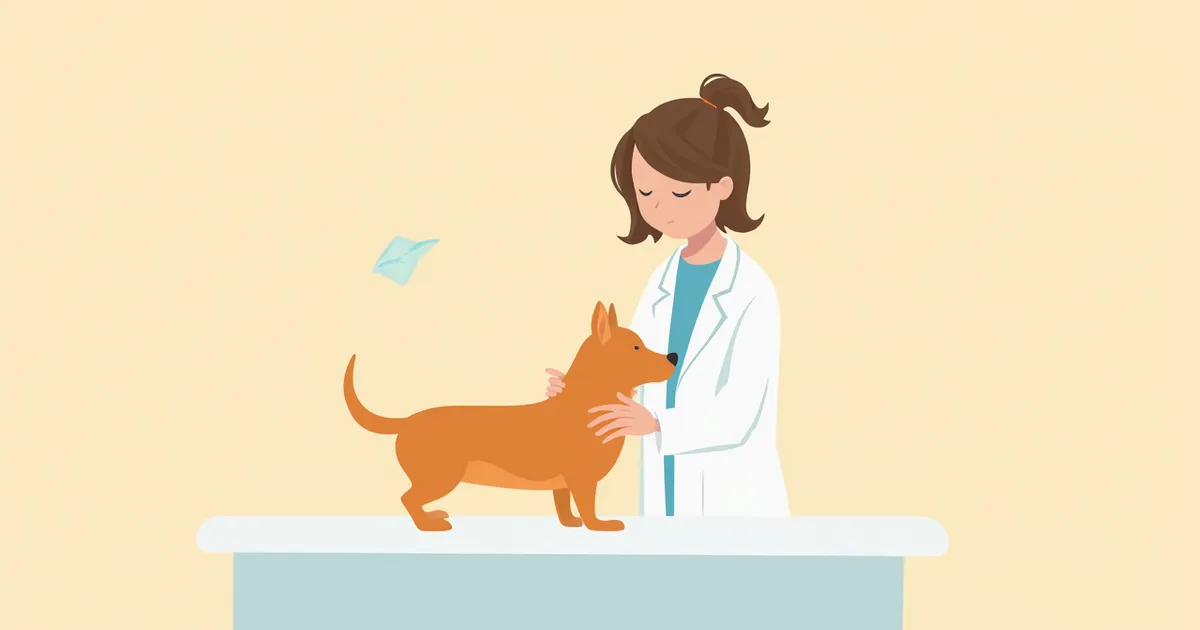
The key to nutritional counseling is a comprehensive assessment of your dog’s age, weight, activity level, and overall health. It’s not just about picking a “good” food; it’s about designing a nutrition plan tailored specifically to your dog. Veterinarians analyze dietary records and evaluate blood test results to identify any nutrient deficiencies. They also adjust the diet by excluding or adding specific ingredients to address allergies or digestive issues. This process lays the foundation for long-term health management.
A veterinarian designing a nutrition plan for a puppy based on its health data

Key Factors to Consider When Selecting a Diet

There are several factors to consider when choosing a diet for your dog. First, carefully review the ingredient list on the food packaging and ensure the product meets AAFCO standards. Second, make sure the food is appropriate for your dog’s age and life stage, as the nutritional composition varies between puppy, adult, and senior formulas. Third, check for potential allergens, especially avoiding any ingredients that have previously triggered allergic reactions in your dog. Fourth, determine whether the food aligns with specific health goals; for instance, specialized diets may be necessary for supporting joint health, kidney function, or digestive improvement. Fifth, observe whether your dog tolerates the food well. If vomiting or diarrhea occurs repeatedly after meals, consult your veterinarian to reassess the diet.
A scene of closely examining the ingredient list on pet food packaging.

Comparison of Characteristics by Puppy Diet Type

ItemAdvantagesDisadvantagesSuitable Cases
Dry foodEasy to store, inexpensive, helps dental healthLow moisture content, so adequate water intake is neededGenerally healthy adult dogs that meet AAFCO complete and balanced standards
Wet foodHigh moisture content, tasty, easy to digestDifficult to store, expensive, less beneficial for dental healthSenior dogs, dogs with poor appetite, cases with kidney problems
Raw foodUses fresh ingredients, may have good palatabilityDifficult to manage hygiene and pathogens, and nutritional balance is often offWhen directly designed and managed by a veterinary nutrition specialist
Homemade dietIngredients can be controlled, allergy-triggering ingredients can be removedDifficult to balance nutrition, requires much time and effortDogs with allergies, management of specific conditions (under expert supervision)

Unlike commercial complete diets, raw and homemade diets often have not undergone feeding trials or nutritional analysis and tend to lack essential nutrients, so be sure to consult your veterinarian before choosing them.

What to Watch Out for During Diet Transition?
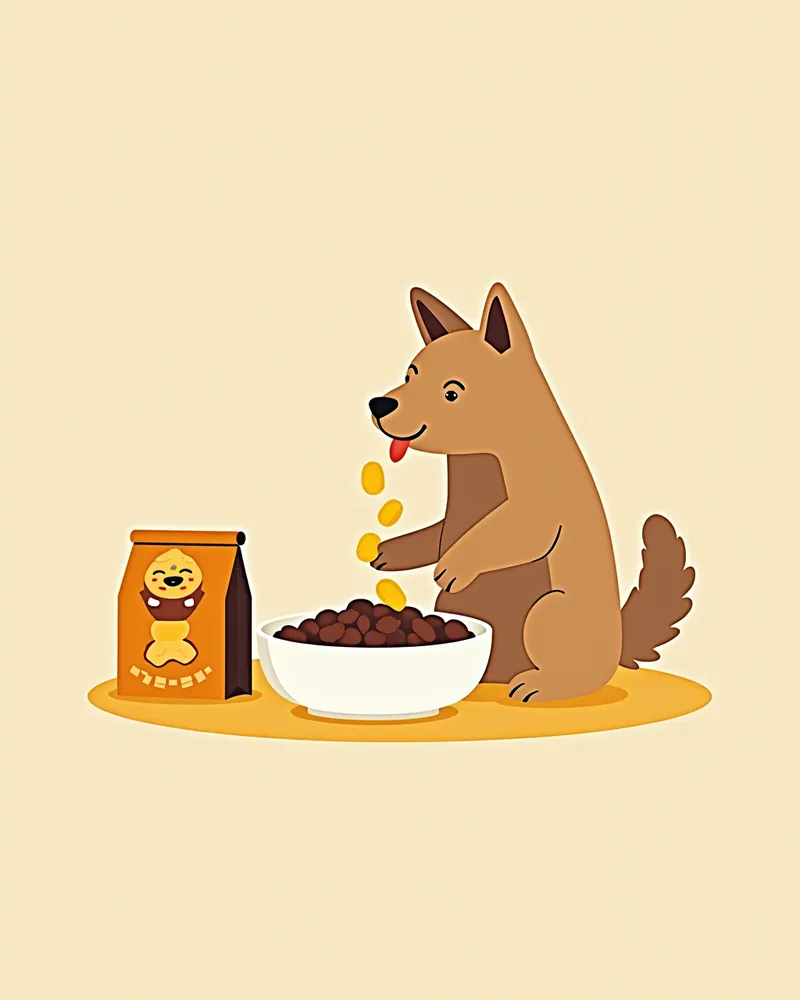
Sudden changes in diet can put stress on your dog’s digestive system, so it’s important to transition gradually. Start by mixing the old and new food in a 75:25 ratio, then after 2–3 days, switch to a 50:50 mix. Next, use a 25:75 ratio before finally transitioning to 100% new food. If your dog experiences diarrhea, vomiting, or a decreased appetite during the transition, slow down the process or return to the previous food. The transition should take at least a week, and you should closely monitor your dog’s response. Abrupt dietary changes can lead to gastrointestinal issues.
Pet owners planning a diet transition schedule

Caution: Poor Dietary Choices Can Lead to Long-Term Health Problems

Feeding your dog human food or excessive treats can lead to nutritional imbalances. In particular, chocolate, garlic, onions, and alcohol are toxic and require immediate veterinary attention. Additionally, long-term consumption of nutritionally inadequate food can result in weakened immunity, hair loss, and fatigue. Dietary management is not just a choice but a cornerstone of health care. Pet owners should always check the ingredients and nutritional information of their dog’s food and maintain the habit of consulting with their veterinarian.

Practical Tips for Dietary Management

Dietary management relies on small, practical habits you can incorporate into your daily routine. First, establish set meal times; feeding your dog two to three times a day on a regular schedule helps reduce strain on the stomach. Second, limit treats to no more than 10% of your dog’s total daily caloric intake. Third, store dry food in airtight containers and keep them out of direct sunlight. Fourth, regularly record your dog’s weight changes; if you notice a sudden increase or decrease, it’s time to review their diet. Fifth, monitor your dog’s bowel movements after meals, as stool consistency and frequency are key indicators of nutritional status.
Puppy Meal and Health Care Diary

Reviewed by a veterinarian

Dr. Tony — Punnawat Phongkittirak

Dr. Tony — Punnawat Phongkittirak

Veterinarian

A veterinarian who majored in veterinary medicine at Khon Kaen University, Thailand, and completed the IVSA program at North Carolina State University in the United States. Drawing on clinical experience at animal hospitals, he works in the pet healthcare field and is dedicated to building a digital care environment that connects pet parents with veterinarians.

Frequently Asked Questions

Can I give my dog human food?
While some human foods are safe for dogs, most can be harmful. Never feed your dog garlic, onions, chocolate, or alcohol, and avoid excessive salt and sugar. If you’d like to give your dog a treat, choose one that’s safe and recommended by your veterinarian.
Can I create a homemade diet?
While it is possible, achieving proper nutritional balance is difficult. Unlike commercially available complete pet foods, homemade diets often haven’t undergone feeding trials or rigorous analysis, making them prone to deficiencies in essential amino acids, calcium, and vitamins. It’s important to consult with a professional or veterinarian and have the diet nutritionally analyzed before choosing this option, as improperly formulated meals can lead to nutrient deficiencies.
What should I do if diarrhea persists after transitioning to a new diet?
Slow down the transition or revert to the previous food. If diarrhea persists for more than three days, consult your veterinarian. Diarrhea may be a sign of nutritional imbalance or an allergic reaction.
What kind of food should I feed my senior dog?
Senior dogs benefit from diets formulated to support joint health, kidney function, and digestion. However, because nutritional needs vary from dog to dog, it’s best to tailor the diet to your pet’s specific health status rather than relying on a one-size-fits-all ingredient profile. For the safest approach, consult your veterinarian to create a personalized nutrition plan.
Why are AAFCO standards important when choosing a diet?
AAFCO standards verify whether pet food is nutritionally balanced. Consistently feeding a complete and balanced diet that meets these standards helps prevent nutritional deficiencies and provides the essential nutrients needed for growth and maintaining good health. Be sure to check for this when choosing your pet’s food.

Share

Related Guides

References

[1] Applied Veterinary Clinical Nutrition, 2nd Ed. (2010). Chapter 3: Nutritional Assessment and Dietary Planning.

[2] Nutrient Requirements of Dogs and Cats, National Research Council (2006). National Academies Press.

[3] Clinical Medicine of the Dog and Cat, 4th Ed. (2019). Elsevier. Section V: Elements of Therapy.

This information is based on veterinary literature and does not replace diagnosis or treatment. Please consult a veterinarian for specific health concerns.

Metapet Co., Ltd. | CEO: Park Sung-yong | Business Reg. No. 417-88-02562 | Seoul, South Korea | Customer Center

Puppy Nutrition & Diet FAQ: Must-Know Tips for Owners | Meongsiljang