
Why Does Anemia Occur in Cats with Kidney Disease? — Causes of EPO Deficiency and Treatment Timing
EPO-deficiency anemia is a common complication in cats with chronic kidney disease. It’s important for pet owners to understand the causes, symptoms, and treatment options for this condition.
Core Concepts of Feline Anemia and CKD (EPO Deficiency)
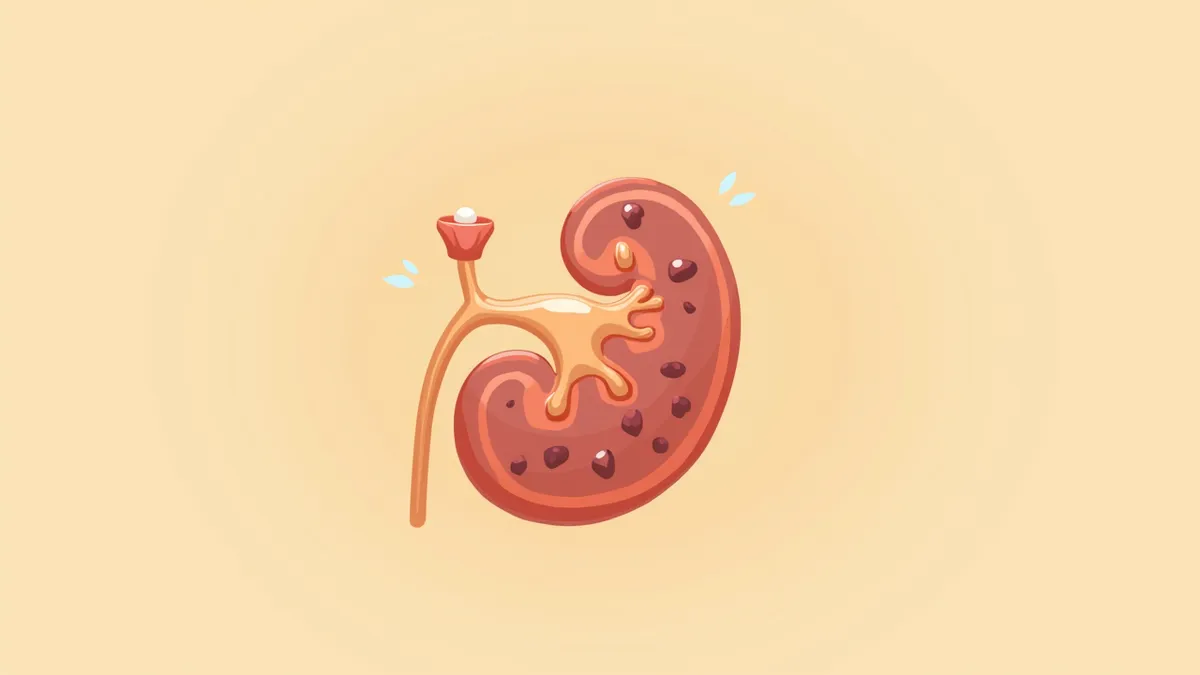
Pathogenesis of EPO-Deficiency Anemia
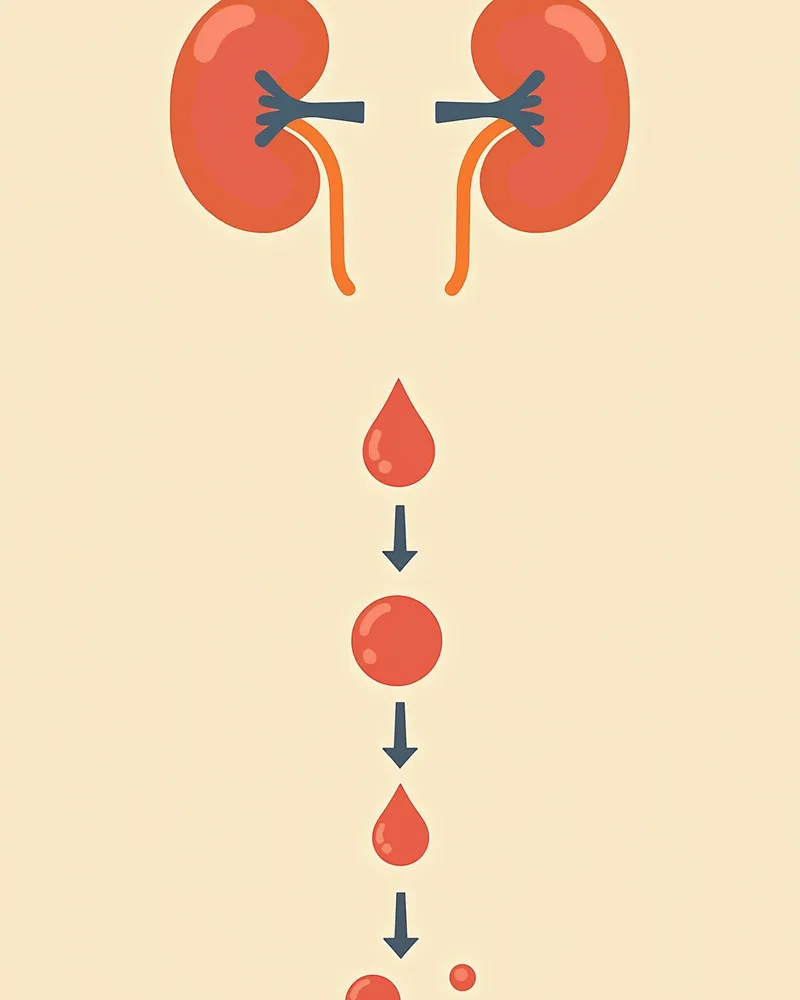
Checklist of Major Anemia Symptoms

Signs Requiring Immediate Veterinary Visit
If your cat exhibits severe difficulty breathing, low blood pressure, decreased consciousness, or sudden signs of shock, seek veterinary care immediately. These symptoms indicate that the anemia has become severe and may require a blood transfusion or other emergency treatment.
Diagnostic Methods and Test Items

Treatment Methods and Management Strategies
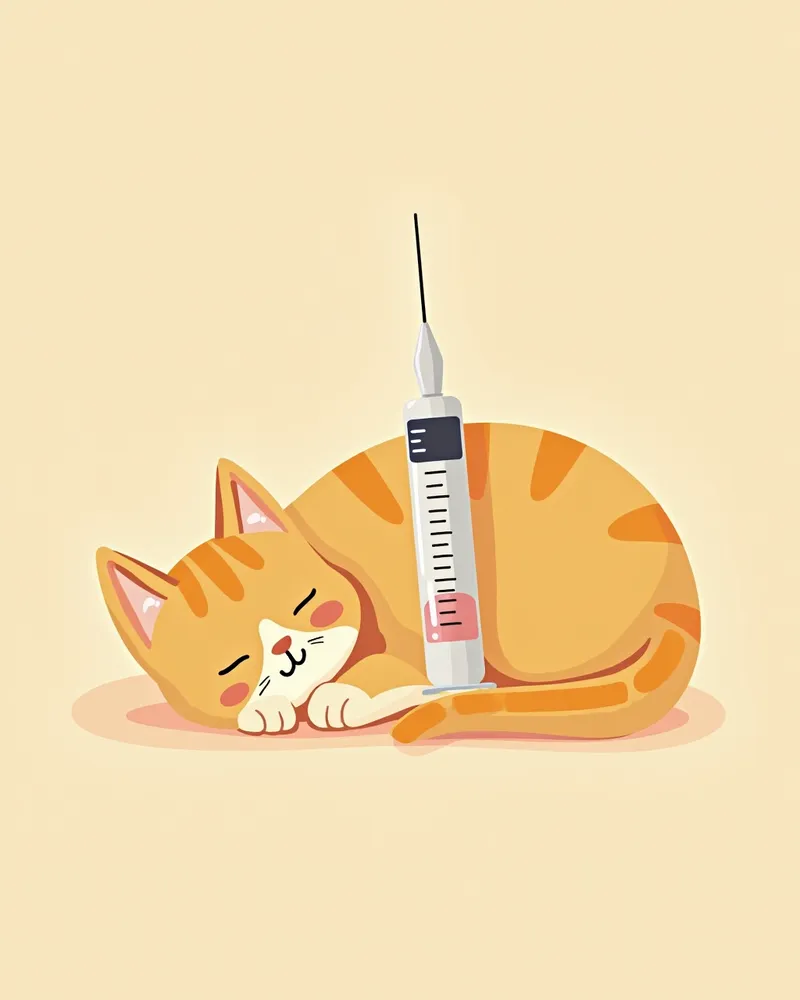
EPO Injection Therapy vs. Blood Transfusion: Pros and Cons
| Item | EPO (ESA) injection | Blood transfusion |
|---|---|---|
| Duration of effect | Several weeks to several months | Several days to several weeks |
| Need for repetition | 1–2 times per week during the maintenance phase | Short-term; repeated as needed |
| Cost | Low | Very high |
| Risk of side effects | Hypertension, seizures, pure red cell aplasia (rare) | Transfusion reactions, risk of infection |
ESA injections are suited to long-term management, while transfusions are suited to acute, severe anemia. Hypertension can develop during ESA use, so blood pressure should be checked regularly.
Precautions and Contraindications
EPO injections can be risky for cats with high blood pressure. Blood transfusions carry a risk of infection, so they should only be performed after thorough testing. Additionally, EPO injections should never be stopped or adjusted without a veterinarian's guidance.
Reviewed by a veterinarian

Dr. Tony — Punnawat Phongkittirak
VeterinarianA veterinarian who majored in veterinary medicine at Khon Kaen University, Thailand, and completed the IVSA program at North Carolina State University in the United States. Drawing on clinical experience at animal hospitals, he works in the pet healthcare field and is dedicated to building a digital care environment that connects pet parents with veterinarians.
Reviewed 2026-06-05
Frequently Asked Questions
Is your cat’s anemia caused by chronic kidney disease?
How often should EPO injections be administered?
When is a blood transfusion necessary?
What are the side effects of EPO injections?
Can anemia be improved through dietary management?
Share
Related Guides

Top 5 Prescription Diets for Cats with Chronic Kidney Disease — Stage-Specific Protein Adjustment

7 Emergency Signs and Causes of Acute Kidney Failure in Dogs You Must Not Miss

Top 5 Cat Kidney Supplements Recommended for 2026

The Ultimate Guide to Choosing Dog Food (by Age and Constitution)

What Is Hydrolyzed Dog Food? Effects and Selection Criteria

Is Spaying or Neutering Necessary? A Summary of Pros and Cons

Dog Surgery Pre- and Post-Operative Care and Recovery Guide

Spaying Female Dogs: Surgical Process and Recovery Care

How to Bathe Your Cat and Precautions

Symptoms and Management of Canine Diabetes
References
[1] Feldman, B. F., & Nelson, R. W. (2022). Textbook of Veterinary Internal Medicine: Diseases of the Dog and Cat, 9th ed. Elsevier.
[2] Kirk, R. W., & Bonagura, J. D. (2021). Current Veterinary Therapy: Small Animal Practice, 5th ed. Elsevier.
[3] American Association of Feline Practitioners (AAFP). (2023). Feline Chronic Kidney Disease Guidelines. Journal of Feline Medicine and Surgery.