

When Do Kittens’ Vision Fully Develop? — A Weekly Developmental Stage Summary
Kittens begin to open their eyes at 7–10 days of age, and their vision reaches adult levels by 8–12 weeks. Check the weekly developmental stages and signs of abnormalities.
When Does a Kitten’s Vision Fully Develop?
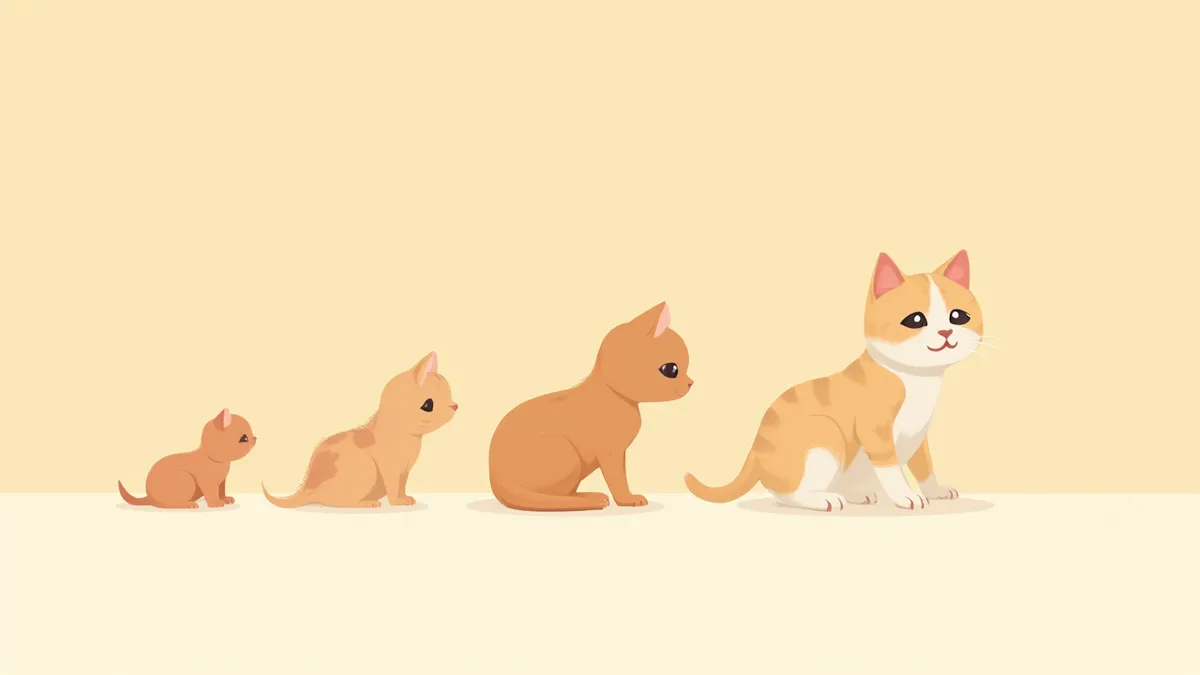
Physiological Background of Kitten Vision Development
Weekly Kitten Vision Development Stages
| Item | 0–7 days old | 7–14 days old | 2–4 weeks old | 4–8 weeks old | 8–12 weeks old |
|---|---|---|---|---|---|
| Eye condition | Completely closed | Eyes begin to open (average 10 days, range 2–16 days) | Completely open | Final iris color completed (4–6 weeks) | Maturation stage continues |
| Vision | None | Light detection only | Direction detection·tracking begins (15–25 days) | Functional vision established (around 5 weeks) | Visual acuity continues to improve |
| Pupillary response | None | None | Appears weakly after 28 days of age | Normal response | Fully mature |
| Owner's actions | Do not touch | Keep a dark environment | Beware of strong light | Play can begin | Adapt to a normal environment |
There are individual differences, and it may be somewhat faster or slower depending on the breed
Characteristics and Precautions Immediately After Eye Opening (7–14 Days)

Signs Requiring Immediate Veterinary Care
If you notice any of the following symptoms, seek veterinary care immediately without delay: one eye remains closed in a kitten older than 14 days; swollen eyelids; yellow or green discharge; frequent eye rubbing or scratching; a cloudy or hazy cornea; or one pupil that is dilated or unresponsive. In particular, neonatal conjunctivitis can lead to corneal damage due to pus accumulation within the eyelids, necessitating early incision and drainage. If left untreated, it can result in permanent blindness.
4–8 Weeks: The Period When Vision Discovers the World

Creating a Safe Environment for Vision Development
- Lighting: For the first two weeks, keep the environment dim with indirect light, then gradually increase brightness. - Stimulation Schedule: After three weeks, introducing moving toys and objects of various colors can be beneficial. - Eye Protection: Avoid strong camera flashes and ensure air conditioner vents do not blow directly into the eyes. - Hygiene: Gently wipe away eye discharge using clean gauze moistened with sterile saline. It is important to avoid frequently touching the area around the eyes with your hands to prevent corneal and conjunctival infections.
Kitten Vision Abnormality Checklist
Breed and Genetic Factors Also Play a Role
Reviewed by a veterinarian

Dr. Tony — Punnawat Phongkittirak
VeterinarianA veterinarian who majored in veterinary medicine at Khon Kaen University, Thailand, and completed the IVSA program at North Carolina State University in the United States. Drawing on clinical experience at animal hospitals, he works in the pet healthcare field and is dedicated to building a digital care environment that connects pet parents with veterinarians.
Reviewed 2026-04-26
Frequently Asked Questions
My kitten is 14 days old and still hasn’t opened its eyes. Is it okay to help?
My kitten’s eyes are still blue. Is that normal?
Is it okay to show a kitten TV or smartphone screens?
When should kittens have their vision tested?
How can I support the visual development of a kitten rescued without its mother?
Share
Related Guides
Top 5 Dog Tear Supplements Recommended for 2026

What is Lutein? Effects on Dog Eye Health

The Best Canine Uveitis Management Products and Selection Criteria: A Comprehensive Guide

Is homemade dog food safe? — Prohibited ingredients to remove and how to balance nutrition
What Is Hemophilia in Dogs? — Warning Signs of Bruising and Bleeding, and Lifelong Management
How to Choose a Cat Litter Box? — A Guide to Size, Litter, and Location
Why Are Your Pet Photos Blurry? — 10 Essential Tips for Great Pet Photos
Why Is My Rescue Dog So Anxious? — Care and Recovery Stages for Abandonment Trauma
Checklist of Essential Questions for Shelter Adoption Interviews
Why Do Cats Wake You Up at Dawn? — Causes and Routine Correction Methods
References
[1] Nelson, R.W., Couto, C.G., Small Animal Internal Medicine, 6th Ed, Ophthalmology Chapter
[2] Gelatt, K.N., Veterinary Ophthalmology, 6th Ed, Feline Ophthalmic Development
[3] Houpt, K.A., Introduction to Animal Behavior and Veterinary Behavioral Medicine, Sensory Development in Kittens