Like
Share
멍실장
고양이 상동행동 원인과 행동 교정·치료 방법 완벽 가이드

The Complete Guide to the Causes of Feline Stereotypic Behavior and Behavioral Correction and Treatment Methods

Brain & CognitionQ&AMeongsiljang Veterinary Advisory Board

Here’s a summary based on veterinary behavioral science explaining why cats develop repetitive abnormal behaviors (stereotypies), and how they can be corrected and treated.

What Is Feline Stereotypic Behavior?
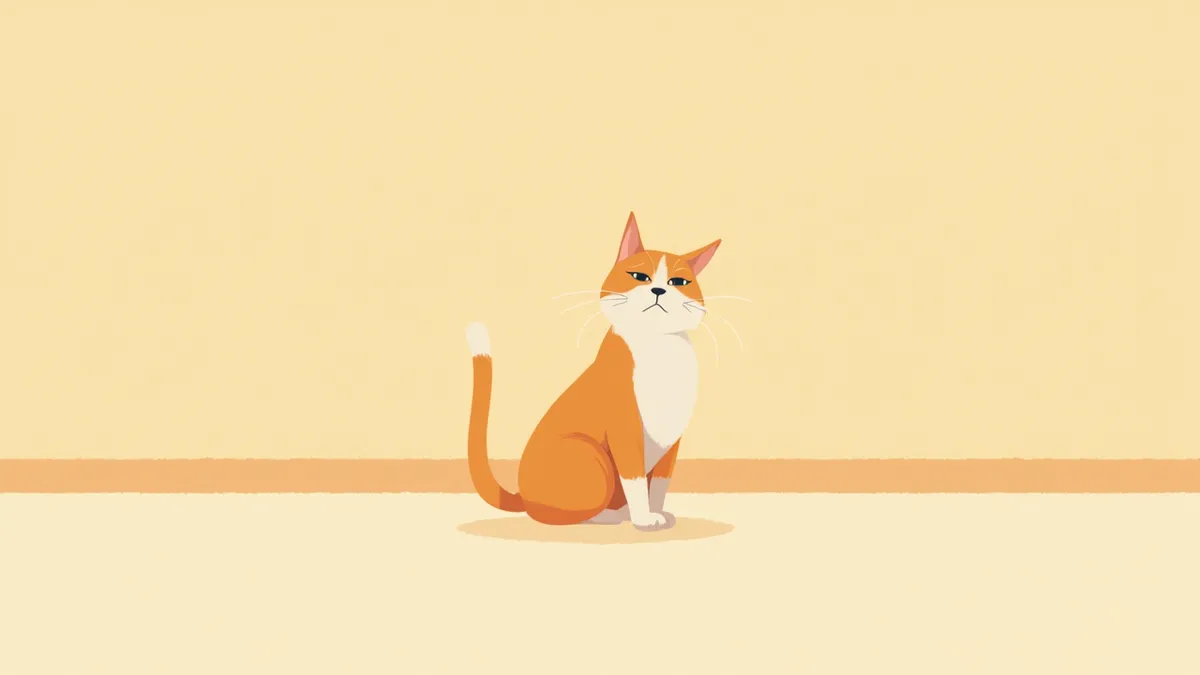
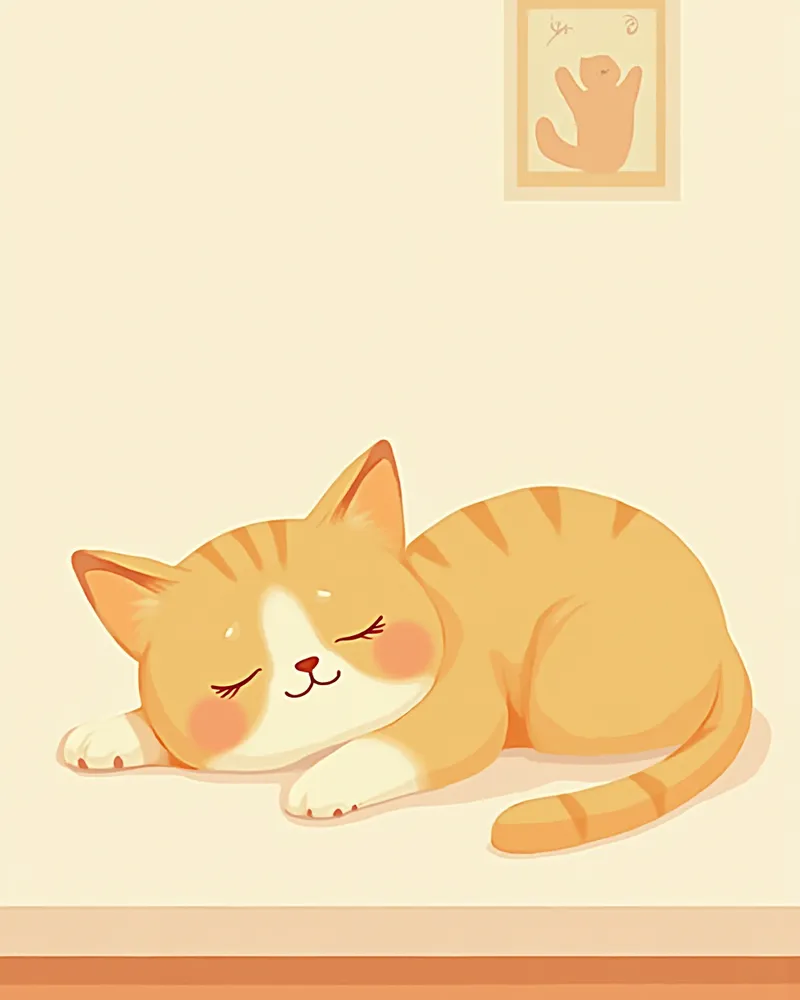
Indoor cats showing repetitive behaviors due to stress
Feline stereotypic behavior is an abnormal pattern in which a cat repeatedly performs the same action without any clear purpose. Examples include excessive grooming, tail chasing, sucking on blankets, and staring into space—compulsive movements that are hard to stop. What’s truly important is that these behaviors are not mere habits, but rather the result of accumulated chronic stress, anxiety, and environmental deprivation. Identifying the underlying cause and modifying the environment before the behavior becomes entrenched will lead to faster recovery.

Why Do Stereotypic Behaviors Develop?
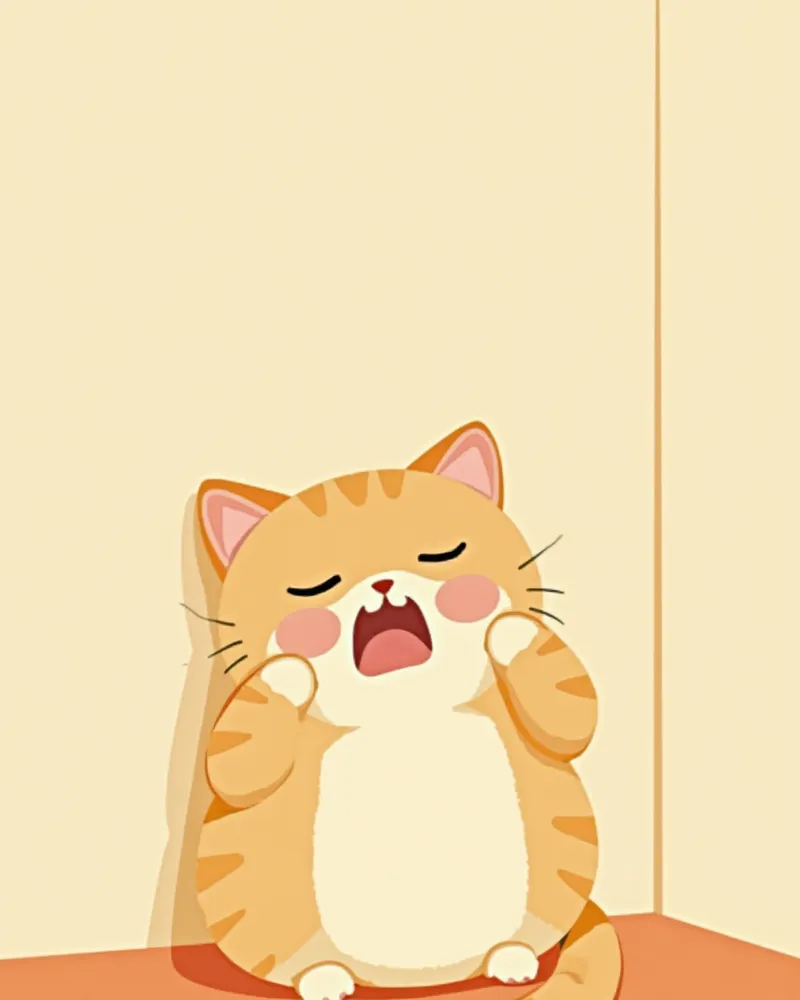
The root causes of compulsive behaviors in cats are chronic stress and environmental deprivation. When confined to small spaces, lacking mental stimulation, or deprived of interaction with their owners, cats may develop repetitive behaviors as a coping mechanism for anxiety. Cats separated from their mothers at an early age or those with a genetic predisposition to anxiety are also more prone to these behaviors. Since pain or underlying medical conditions can trigger repetitive grooming, it’s crucial to first rule out any medical causes.
Cats experiencing stress in environments lacking sufficient environmental enrichment

5 Common Types of Stereotypic Behaviors

Excessive grooming (psychogenic alopecia): This involves repeatedly licking the same area—typically the belly or thighs—until the hair falls out. However, excessive grooming and hair pulling can also stem from physical causes such as skin conditions, so it’s important to rule out medical issues before attributing the behavior to stress.
Tail chasing and self-injury: This behavior involves spinning in circles trying to catch or bite one’s own tail. Self-injurious behaviors can also occur due to pain or skin conditions.
Sucking on blankets or fabrics: This refers to persistently sucking on fabrics such as blankets or clothing. Genetic predispositions (more common in Oriental breeds) or physical issues like gastrointestinal disorders or conditions that increase appetite may be involved, so a veterinary checkup is recommended first.
Staring at empty space or chasing flies: This involves gazing at nothing for extended periods or chasing imaginary objects.
Repetitive pacing: This behavior consists of continuously walking back and forth along the same path without stopping, sometimes accompanied by repetitive movements and vocalizations.

Go to the Vet Immediately If You See These Symptoms

If your pet has severe hair loss exposing the skin, wounds, or bleeding, or if they refuse to eat and exhibit repetitive behaviors, immediate veterinary care is necessary. These symptoms could stem from physical pain, neurological issues, or thyroid disease, so medical tests are needed to rule out these underlying causes first.

How Is Stereotypic Behavior Diagnosed?

The veterinarian first rules out physical health issues through blood tests, skin examinations, and neurological assessments. If no medical cause is found, the diagnosis is made through a behavioral questionnaire that explores when the behavior occurs, how often, how long it lasts, and what triggers it. Recording the repetitive behavior on your smartphone and showing the video during the consultation allows for a much more accurate assessment.

Behavioral Correction Methods — Start with Environmental Enrichment
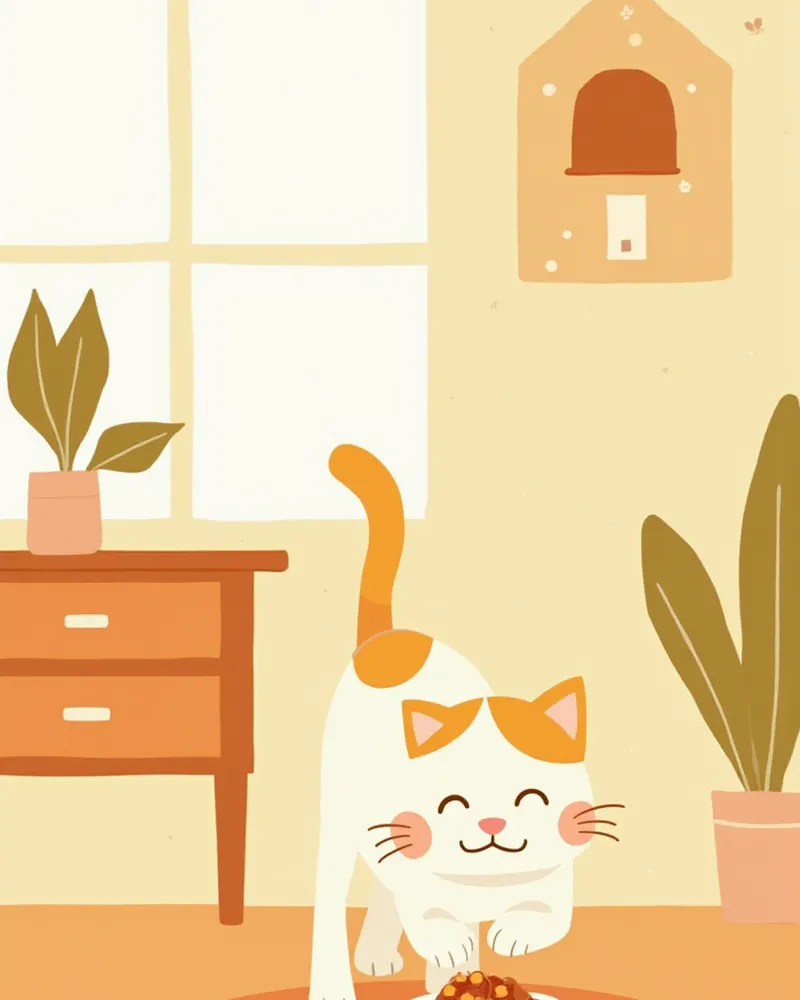
The first step in treating stereotypic behavior is environmental enrichment. Provide cat trees, hiding spots, and clear views out the window, along with two to three focused play sessions per day. Switching to puzzle feeders for meals increases mental stimulation. If you notice established behaviors, it’s more effective to ignore them and avoid punishment, instead redirecting your cat’s attention with toys to encourage alternative behaviors.
A cat playing happily in a well-enriched environment

When Medication Is Necessary

If environmental adjustments alone don’t reduce the behavior, or if the self-harm is severe, a veterinary behaviorist may prescribe medication alongside other interventions. Serotonin-modulating drugs are commonly used, with the dosage and treatment duration tailored by your veterinarian based on your cat’s weight and condition. Since medication alone has limitations, it must be combined with behavior modification to achieve lasting results.
A cat receiving a veterinary consultation

What You Must Never Do During Correction

If you notice repetitive behaviors, yelling or punishing your pet will only increase their anxiety and worsen the behavior. Avoid using spray bottles or loud noises to stop them. Instead, ignore the behavior or gently redirect your pet toward a positive alternative activity.

Reviewed by a veterinarian

Dr. Tony — Punnawat Phongkittirak

Dr. Tony — Punnawat Phongkittirak

Veterinarian

A veterinarian who majored in veterinary medicine at Khon Kaen University, Thailand, and completed the IVSA program at North Carolina State University in the United States. Drawing on clinical experience at animal hospitals, he works in the pet healthcare field and is dedicated to building a digital care environment that connects pet parents with veterinarians.

Frequently Asked Questions

Can feline stereotypic behaviors be completely cured?
While some cases resolve completely, the more ingrained the behavior, the more realistic the goal becomes: reducing its frequency and intensity rather than achieving a full cure. By combining environmental enrichment, behavior modification, and medication, many cats show noticeable improvement.
Does frequent grooming always indicate compulsive behavior?
Grooming is a completely normal behavior for cats, who typically spend a significant amount of time on it each day. As long as the grooming remains within normal limits and doesn't result in hair loss or skin injuries, there's no cause for concern. However, if you notice your cat obsessively licking the same area, leading to hair loss or exposed skin, it may be a sign of compulsive behavior. In such cases, it's important to also rule out underlying medical causes, such as skin conditions.
Why does my dog lick itself?
Pica isn’t caused by a single factor. Genetic predisposition (more common in Oriental breeds) may play a role, and underlying medical issues such as gastrointestinal disorders, conditions that increase appetite (e.g., hyperthyroidism), or gastrointestinal pain can also be involved. Therefore, veterinarians first rule out medical causes before initiating behavioral treatment. If fabric or blanket chewing leads to ingestion of foreign bodies, it poses an emergency risk.
Do multi-cat households experience more instances of same-sex aggression?
The more cats you have, the higher the risk of chronic stress due to territorial competition and resource scarcity, which can lead to an increased likelihood of self-mutilating behaviors. It's important to provide at least one more litter box, food bowl, water bowl, and hiding space than the number of cats you have.
Can I refer my pet to a trainer right away?
It's essential to first rule out any physical health issues at the animal hospital. After that, referring to a veterinary behavior specialist or a certified animal behavior consultant can provide more systematic behavior modification.

Share

Related Guides

References

[1] Ellis, S.L. et al. (2015). 'The influence of body region, handler familiarity and order of region handled on the domestic cat's response to being stroked'. Applied Animal Behaviour Science, 173, pp. 60–67.

[2] Beaver, B.V. (2009). Veterinary Guide to Preventing Behavior Problems in Dogs and Cats. Philadelphia, PA: Saunders.

[3] Bradshaw, J., Casey, R., and Brown, S. (2012). The Behaviour of the Domestic Cat, pp. 128–160. Wallingford: CABI.

[4] Barry, K. and Crowell-Davis, S. (1999). 'Gender differences in the social behavior of the neutered indoor-only domestic cat'. Applied Animal Behaviour Science, 64(3), pp. 193–211.

This information is based on veterinary literature and does not replace diagnosis or treatment. Please consult a veterinarian for specific health concerns.

Metapet Co., Ltd. | CEO: Park Sung-yong | Business Reg. No. 417-88-02562 | Seoul, South Korea | Customer Center

Cat Stereotypic Behavior: Causes, Correction & Treatment Guide | Meongsiljang