

My Dog’s Heart Is Beating Too Slowly — Signs of Bradycardia, AV Block, and Syncope
Canine bradycardia and atrioventricular block are serious conditions caused by abnormalities in the heart's electrical conduction system. Here’s a summary of the key symptoms, causes, and management strategies that pet owners should know.
What Are Bradycardia and Atrioventricular Block in Dogs?
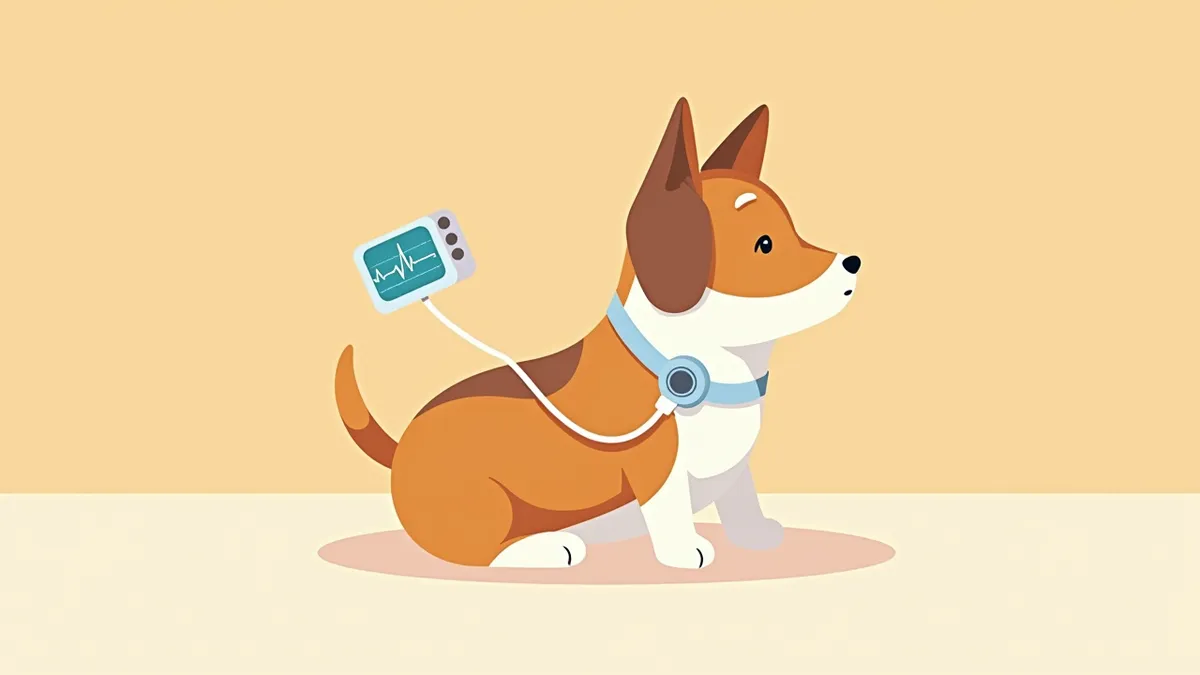
What Are the Main Causes of Bradycardia and Atrioventricular Block?
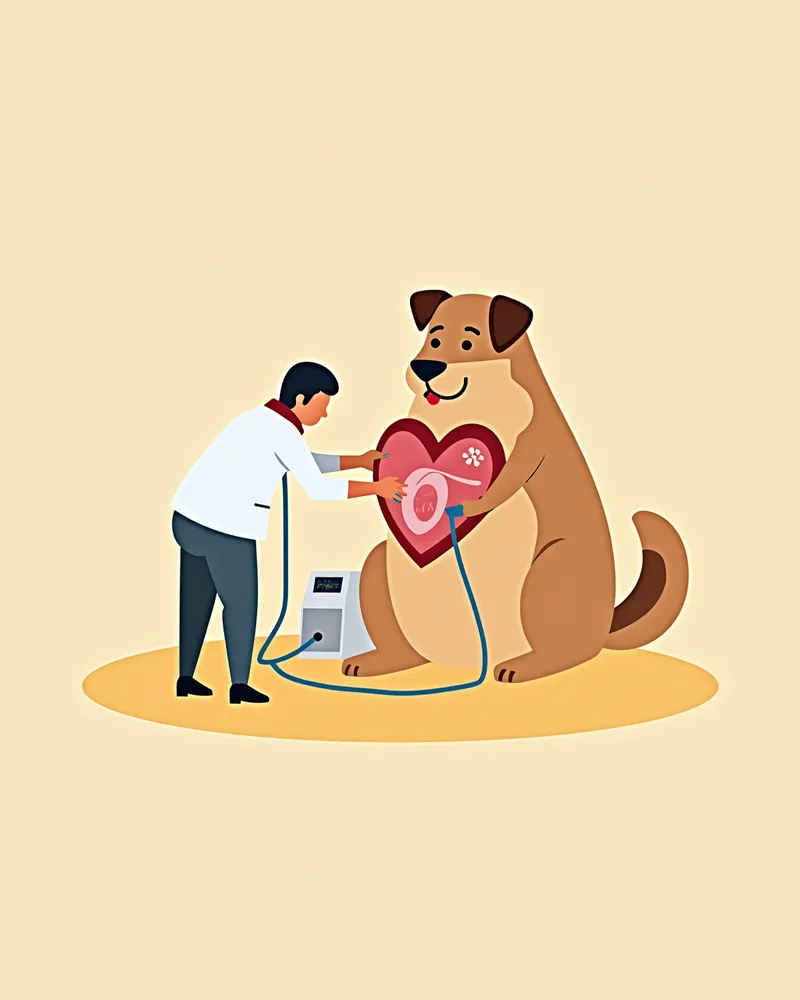
When Do Severe Symptoms Occur?
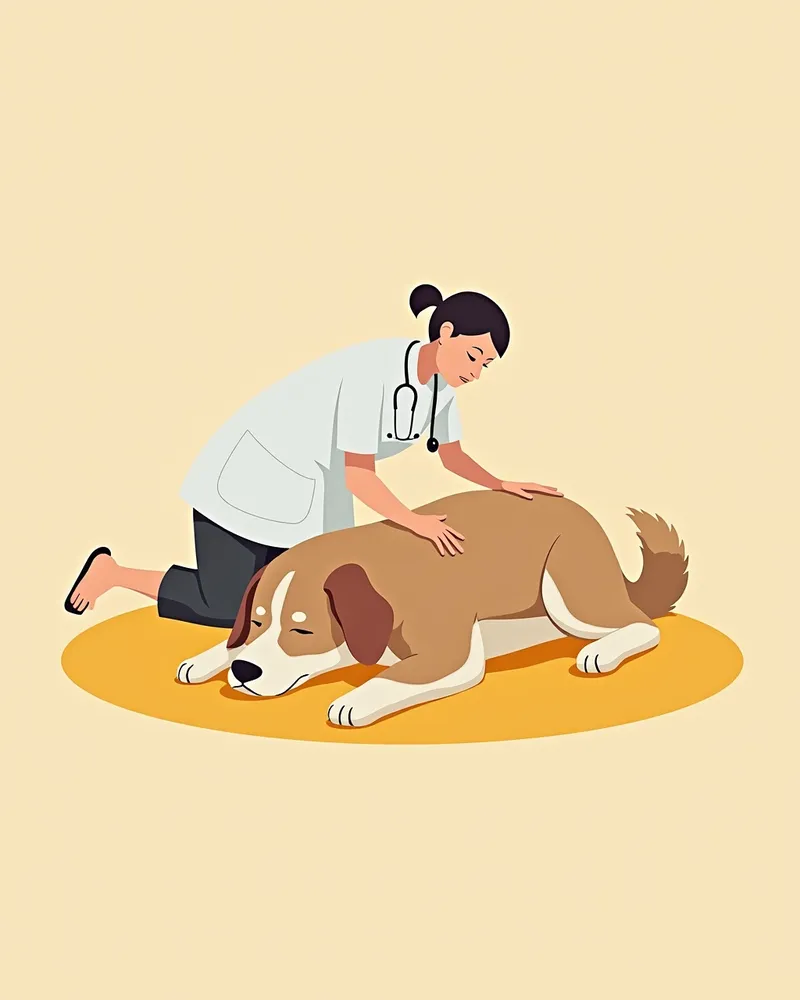
Criteria for Immediate Veterinary Visit
If your dog faints or collapses, seek immediate veterinary care. Cardiac conduction abnormalities can be life-threatening. Stabilization requires electrocardiogram monitoring and medication in an emergency setting.
How Is It Diagnosed?

What Are the Treatment Options?

How Can It Be Managed at Home?

Comparison of Features by Stage of Bradycardia and Atrioventricular Block
| Item | Heart Rate | Main Symptoms | Treatment Needed |
|---|---|---|---|
| Mild (1st degree / Mobitz type I) | Normal to slight decrease | Mostly asymptomatic (benign) | No (monitoring) |
| Moderate (Mobitz type II) | Slowed | Lethargy, risk of syncope | Yes if symptomatic |
| Severe (3rd degree complete block) | Severe bradycardia (ventricular escape beats around 40 beats/min) | Recurrent syncope, reduced cardiac output, risk of sudden death | Immediate treatment (pacemaker) |
Heart rate criteria vary by breed, body size, and exercise habits, so the veterinarian's judgment is important.
Reviewed by a veterinarian

Dr. Tony — Punnawat Phongkittirak
VeterinarianA veterinarian who majored in veterinary medicine at Khon Kaen University, Thailand, and completed the IVSA program at North Carolina State University in the United States. Drawing on clinical experience at animal hospitals, he works in the pet healthcare field and is dedicated to building a digital care environment that connects pet parents with veterinarians.
Reviewed 2026-06-03
Frequently Asked Questions
Can bradycardia and atrioventricular block be treated?
My dog fainted. Could it be bradycardia?
Does bradycardia only occur in older dogs?
How does a pacemaker regulate heart rate?
Can you measure your pet’s heart rate at home?
Share
Related Guides

Coenzyme Q10 Benefits and Administration Guide

Dog Pulmonary Edema Warning — 7 Best Diuretics (Furosemide) for Heart Management

7 Best Prescription Diets for Feline Heart Disease Recommended by Veterinarians — Criteria for Choosing Low-Sodium Food

Dog Respiratory Rate Monitoring Methods FAQ — Key Essentials for Pet Owners

Canine Pleural Effusion (Pleural Effusion) FAQ — Key Information Every Pet Owner Should Know

Dog Nebulizer Therapy FAQ — Key Points Every Pet Owner Should Know

Dog Nasal Tumors FAQ — Key Information Every Pet Owner Should Know

Dog Lung Auscultation Findings FAQ — Key Points Every Pet Owner Should Know

Canine Laryngeal Paralysis FAQ — Key Information Every Pet Owner Should Know

Dog Nosebleeds (Epistaxis) FAQ — Key Information Every Pet Owner Must Know
References
[1] Takemura H, et al. (2021) Canine atrioventricular block: clinical features and long-term outcomes. Journal of Veterinary Cardiology, 35: 1–10.
[2] Wagner A, et al. (2019) Electrocardiographic patterns in bradycardia of dogs: a retrospective study. Veterinary Medicine and Science, 5(4): 456–465.
[3] American College of Veterinary Internal Medicine (ACVIM). (2020) Consensus statement on the diagnosis and management of bradycardia in dogs. J Vet Intern Med, 34(3): 1001–1015.