
Scheduled Meals vs. Free-Feeding: Tailored Feeding Methods Based on Obesity and Digestion
We’ve outlined the differences between scheduled and free-feeding, their pros and cons, recommended feeding methods for different pets, and the correct way to transition between them, all based on veterinary standards.
Feeding Methods: The Difference Between Scheduled Meals and Free-Feeding
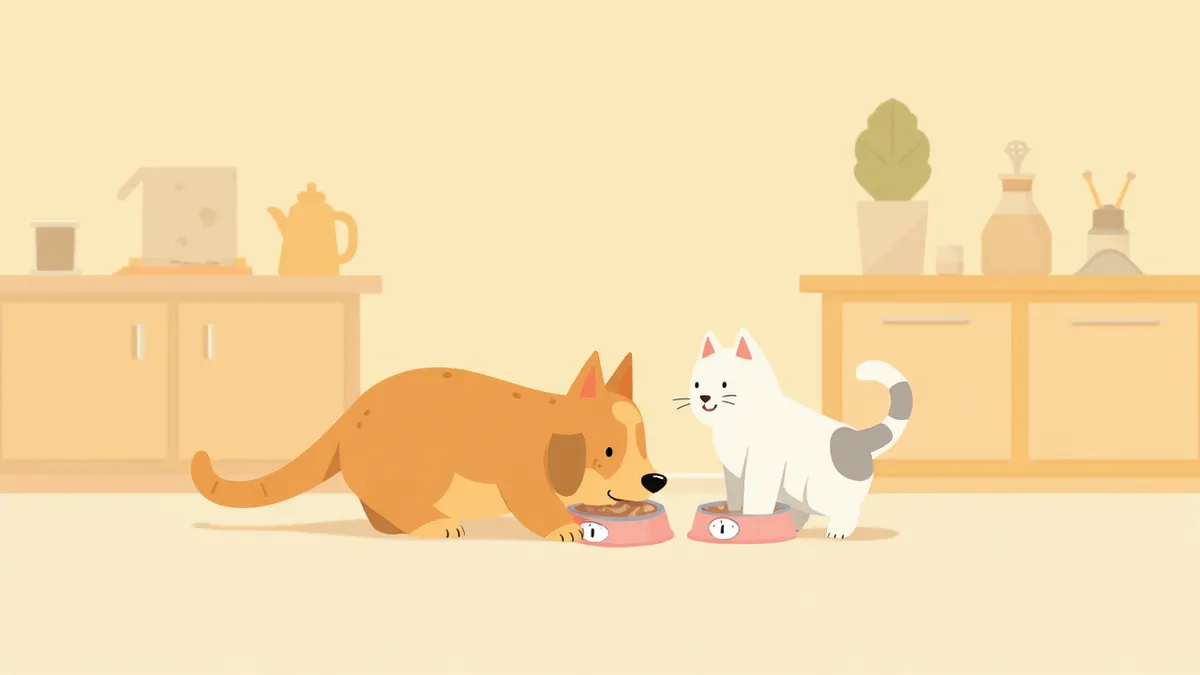
Scheduled Meals and Free-Feeding: What Are They?
Scheduled Meals vs. Free-Feeding Comparison
| Item | Scheduled meals | Free feeding |
|---|---|---|
| Feeding time | 2–3 times a day, 10–20 minutes | Free access 24 hours |
| Weight management | Easy | Difficult |
| Detecting appetite changes | Fast | Slow |
| Obesity risk | Low | High |
| Multi-cat/multi-dog household | Suitable | Not suitable |
| Recommended for | Dogs and most cats | Some solitary adult cats |
General recommendations based on veterinary nutrition textbooks
Why Are Scheduled Meals More Recommended?
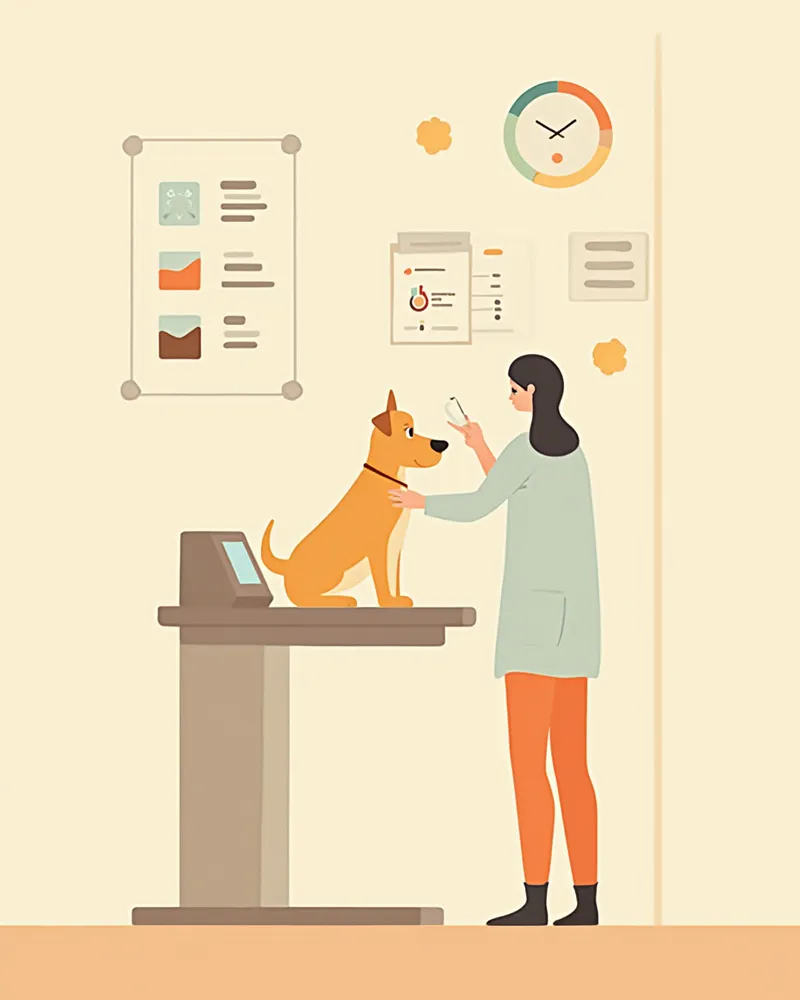
When to Avoid Free-Feeding
We recommend avoiding free-feeding in the following situations: pets with a history of obesity, diabetes, or pancreatitis; large-breed dogs with strong appetites (such as Labrador Retrievers and Golden Retrievers); and multi-pet households, where it is difficult to monitor each animal’s intake, making scheduled meals more appropriate. For puppies (12 months of age or younger), both free-feeding and scheduled meals two to three times daily are acceptable; however, it is important to offer small, frequent meals to reduce the risk of hypoglycemia. Free-feeding is only suitable in limited cases, such as for a single adult cat whose weight is well managed.
How to Switch to Scheduled Meals

Recommended Feeding Methods by Pet Type
Visit the Vet Immediately If Your Pet Suddenly Refuses to Eat
If your pet suddenly refuses to eat for more than 24 hours (puppies) or 48 hours (adult cats), it may not be mere stubbornness. In particular, a decreased appetite is often the first sign of illness in cats, and the longer nutritional intake is delayed, the greater the risk of worsening metabolic and nutritional issues, making early veterinary evaluation crucial. If vomiting, diarrhea, or lethargy occur alongside the loss of appetite, seek immediate veterinary care.
Reviewed by a veterinarian

Dr. Tony — Punnawat Phongkittirak
VeterinarianA veterinarian who majored in veterinary medicine at Khon Kaen University, Thailand, and completed the IVSA program at North Carolina State University in the United States. Drawing on clinical experience at animal hospitals, he works in the pet healthcare field and is dedicated to building a digital care environment that connects pet parents with veterinarians.
Reviewed 2026-04-27
Frequently Asked Questions
Can I switch my cat from free-feeding to scheduled meals?
My dog doesn’t finish his meal within 10 minutes. Is it okay to just leave the food out?
Is using an automatic feeder the same as free-feeding?
Is it okay to free-feed as long as my pet isn't overweight?
How do I calculate the feeding amount?
Share
Related Guides

My Senior Cat Won’t Eat — A Complete Guide to Choosing Food for Cats with Weak Digestion

Top 5 Prescription Diets for Feline Pancreatitis Recommended by Veterinarians — Low-Fat, Highly Digestible Food Guide

Royal Canin vs Hill’s vs Purina vs Orijen — Which Brand Is Right for Your Pet, According to Veterinarians?

Complete Guide to Pulmonary Artery Stenosis in Dogs — From Symptoms to Surgical Treatment Timing

What is Patent Ductus Arteriosus (PDA) in Puppies? — Treatment and Surgical Timing
Dog Mitral Valve Disease (MVD) FAQ — Key Information Every Pet Owner Should Know
Frequently Asked Questions About Hypertensive Heart Disease in Dogs — Key Information Every Pet Owner Should Know

What are the stages of canine heart failure (ACVIM classification)? — At which stage is treatment necessary?
A Complete Guide to Dog ECG Tests: When to Get One and What It Reveals
Should Your Dog Have a Cardiac Ultrasound (Echocardiogram)? — Procedure and Result Interpretation
References
[1] Hand, M.S. et al., Small Animal Clinical Nutrition, 5th Edition, Mark Morris Institute, 2010
[2] Case, L.P. et al., Canine and Feline Nutrition: A Resource for Companion Animal Professionals, 3rd Edition, Mosby, 2011
[3] German, A.J., The Growing Problem of Obesity in Dogs and Cats, Journal of Nutrition, 2006