
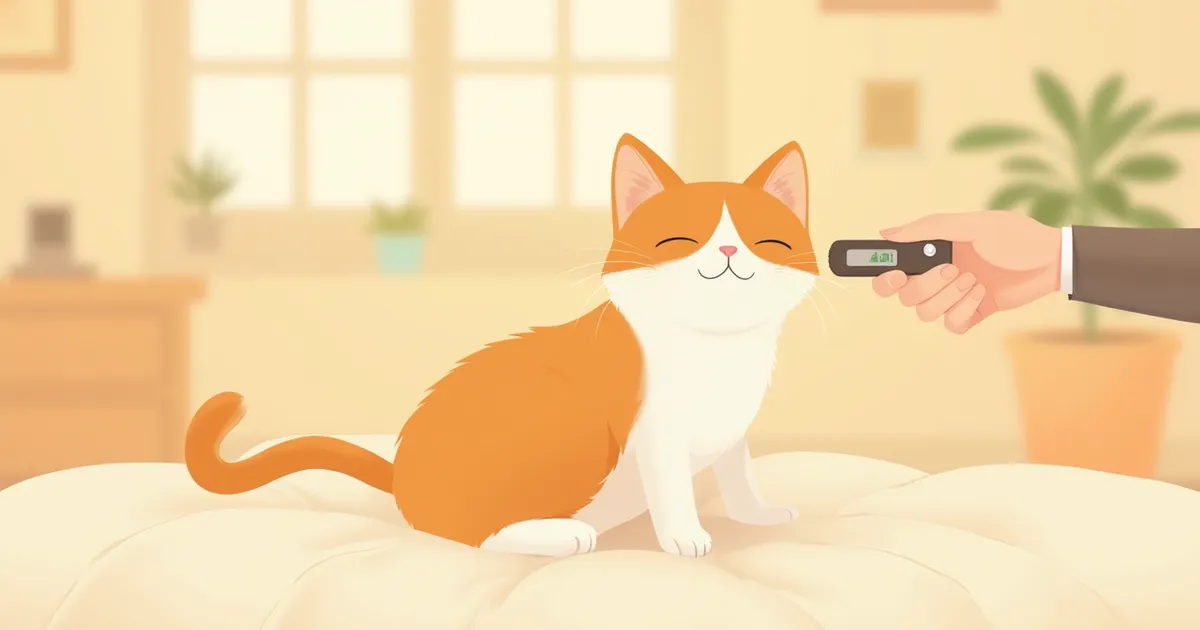
Feline Blood Glucose Testing — Stress Hyperglycemia and Accurate Measurement Methods
Cats can experience blood glucose levels rising up to 300 mg/dL simply due to excitement when visiting the hospital. Here’s a guide to home blood glucose testing to help distinguish stress-induced hyperglycemia from true diabetes.
Why Is the Testing Environment Important for Feline Blood Glucose?

Why Does Stress Hyperglycemia Occur?
Hospital Measurement vs. Home Measurement Comparison
| Item | In-clinic measurement | At-home measurement (ear tip) |
|---|---|---|
| Measurement environment | Excited state in the exam room | Familiar home |
| Effect of stress hyperglycemia | Large (up to 300+ mg/dL) | Almost none |
| Normal reference range | Reference values inaccurate | 70–120 mg/dL |
| Diabetes diagnostic accuracy | Insufficient when used alone | Can be assessed with blood glucose curve |
| Burden on the owner | Consultation cost/travel stress | Initial adjustment needed |
Based on veterinary internal medicine textbooks — at-home blood glucose measurement reduces the effect of stress and helps with diagnosis and insulin dose adjustment; check the blood glucose curve at 1–2 week intervals at home or at the clinic
How to Measure Accurately at Home
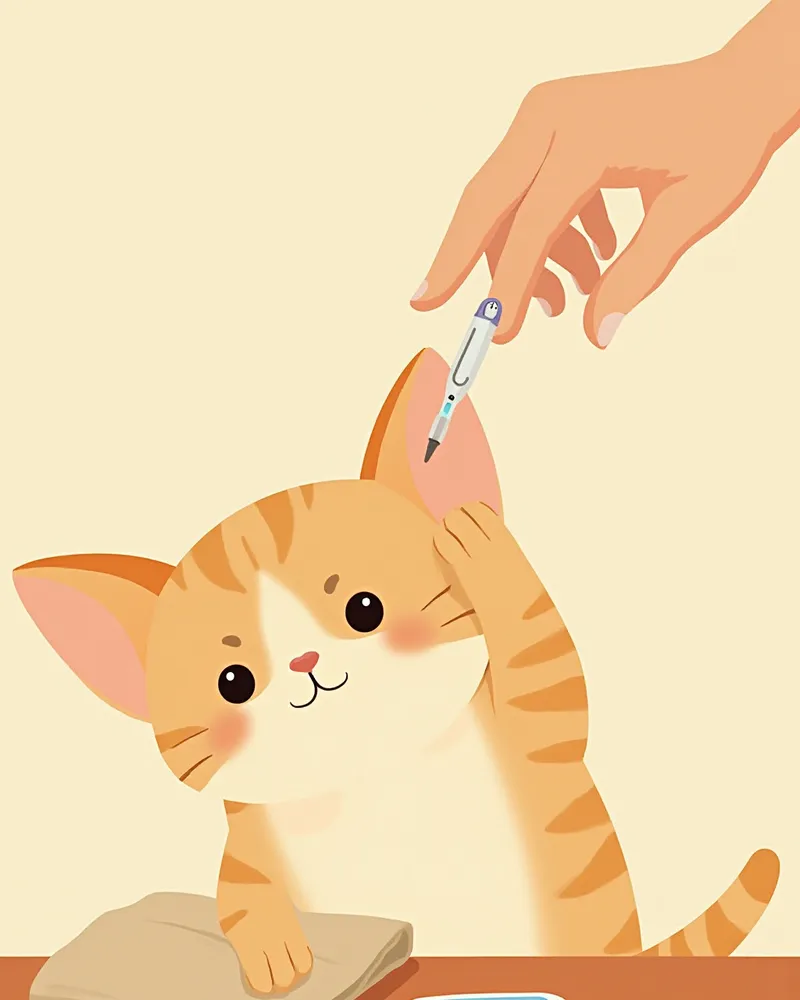
What to Check Before Testing
After adjusting the insulin dose, blood sugar levels may fluctuate for a while, so it’s generally recommended to maintain the same dose for about a week while monitoring the response. Veterinary internal medicine textbooks also advise against arbitrarily increasing the dose during the first week after starting or changing insulin. If the owner increases the insulin dose on their own during this period, the risk of hypoglycemia rises significantly. Therefore, if the measured values differ greatly from usual, it’s essential to consult with your veterinarian before making any changes to the dose.
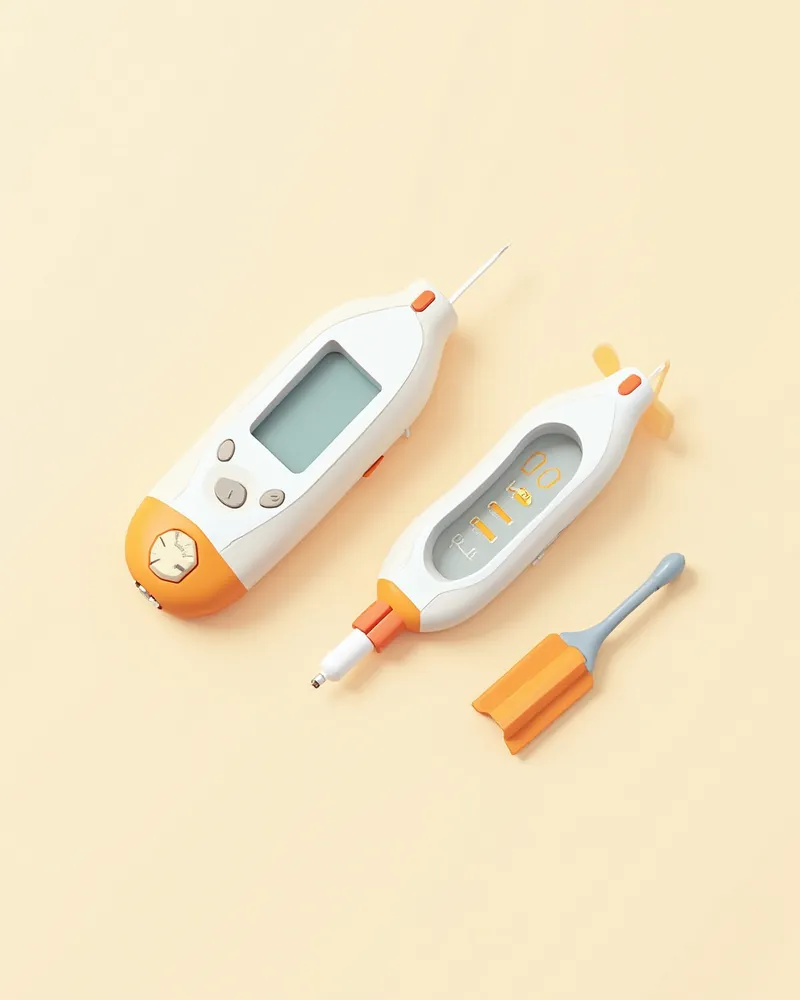
Which Blood Glucose Meter Should You Use?
Criteria for Interpreting Measurement Values
Signs That Require Immediate Veterinary Attention
This is an emergency situation if blood sugar drops below 70 mg/dL with confusion or seizures, or if blood sugar rises significantly with vomiting, loss of appetite, and rapid breathing (suspected diabetic ketoacidosis, especially if above 600 mg/dL, where hyperosmolar syndrome should also be considered). In an emergency, if the pet is conscious, apply honey or sugar water to the gums and immediately transport them to a 24-hour animal hospital.
Reviewed by a veterinarian

Dr. Tony — Punnawat Phongkittirak
VeterinarianA veterinarian who majored in veterinary medicine at Khon Kaen University, Thailand, and completed the IVSA program at North Carolina State University in the United States. Drawing on clinical experience at animal hospitals, he works in the pet healthcare field and is dedicated to building a digital care environment that connects pet parents with veterinarians.
Reviewed 2026-05-07
Frequently Asked Questions
My pet’s blood sugar was 280 mg/dL at the clinic. Does that mean they have diabetes right away?
Drawing blood from the tip of the ear is so difficult. Can’t we use another site?
How often should blood glucose levels be measured to create a curve?
Can I use a human blood glucose meter?
Is it normal for blood sugar levels to fluctuate so frequently?
Share
Related Guides

Top 5 Prescription Dog Foods for Diabetes Recommended by Veterinarians — Blood Sugar-Stabilizing Food Comparison
7 Key Products for Managing Feline Hypercalcemia Recommended by Veterinarians and Selection Criteria

7 Key Points for Canine Thyroid T4 Testing by Veterinarians — From Timing to Result Interpretation

Guide to Interpreting Cat Kidney Values (BUN, Creatinine, SDMA) — Normal Ranges and Stage Meanings

Home Subcutaneous Fluid Administration for Dogs — Home Care Under Veterinary Guidance

Feline Ear Mites: Diagnosis and Treatment Guide for Suspected Dark Earwax

What to Do Immediately When You Find a Tick on Your Dog — Safe Removal and Emergency Response

Guide to Pain Management and Hospice Care for Cats with End-Stage Cancer — Quality of Life Assessment for Pet Owners

Feline Cancer Treatment — A Decision Guide Between Quality of Life and Cost

8 Signs of Suspected Cancer in Senior Cats — Early Detection Through Behavioral Changes
References
[1] Stockham S.L., Scott M.A., Fundamentals of Veterinary Clinical Pathology, 3rd Edition, Chapter 14 Glucose, Ketoamines, and Related Regulatory Hormones
[2] Little S.E., The Cat: Clinical Medicine and Management, 2nd Edition, Chapter 27 Diabetes Mellitus
[3] Burkitt Creedon J.M., Davis H., Advanced Monitoring and Procedures for Small Animal Emergency and Critical Care, 2nd Edition