

What is Allergy IgE Testing for Dogs and Cats? — Differences by Type and How to Choose
Allergy IgE testing for dogs and cats can be performed using either blood or skin samples. Here’s a clear comparison of the two methods, covering their principles, accuracy, costs, and limitations.
Why Perform Allergy IgE Testing?

Two Types of IgE Testing
Serum IgE Testing vs. Intradermal Skin Testing: A Comparison
| Item | Serum IgE test | Intradermal skin test |
|---|---|---|
| Test method | Blood draw then referral to an external laboratory | Shaving the fur and injecting allergens into the skin |
| Anesthesia required | Not required | Sedation may be required |
| Test time | The blood draw is short, but results take time until the external laboratory reports back | Performed the same day, but it is a somewhat time-consuming procedure |
| Medication withdrawal | Discontinuing medication may be required per your veterinarian's instructions | A longer withdrawal may be required per your veterinarian's instructions |
| Accuracy | False positives · false negatives possible; must be interpreted together with clinical signs | Preferred when read by a dermatology specialist, but false positives · false negatives are possible |
| Expertise | Possible at a general clinic | A dermatology specialty clinic is recommended |
| Application | Possible for both dogs and cats (limited reliability in cats) | Mainly used in dogs; limited interpretation · reliability in cats |
Cost, time, and accessibility vary by clinic and region.
Why Serum IgE Testing Is Convenient
Why Intradermal Skin Testing Is More Accurate

What to Check Before Testing
Allergy IgE testing is only meaningful after ruling out parasitic infections, bacterial infections, and food allergies first. Skipping this step can result in wasted time and money. Additionally, since steroids and antihistamines taken before the test can affect the results, it is crucial to follow the veterinarian’s instructions regarding the required withdrawal period. Abruptly stopping medication on the day of the test can be dangerous, so always consult with your vet beforehand to adjust the dosage safely.
How to Use Test Results
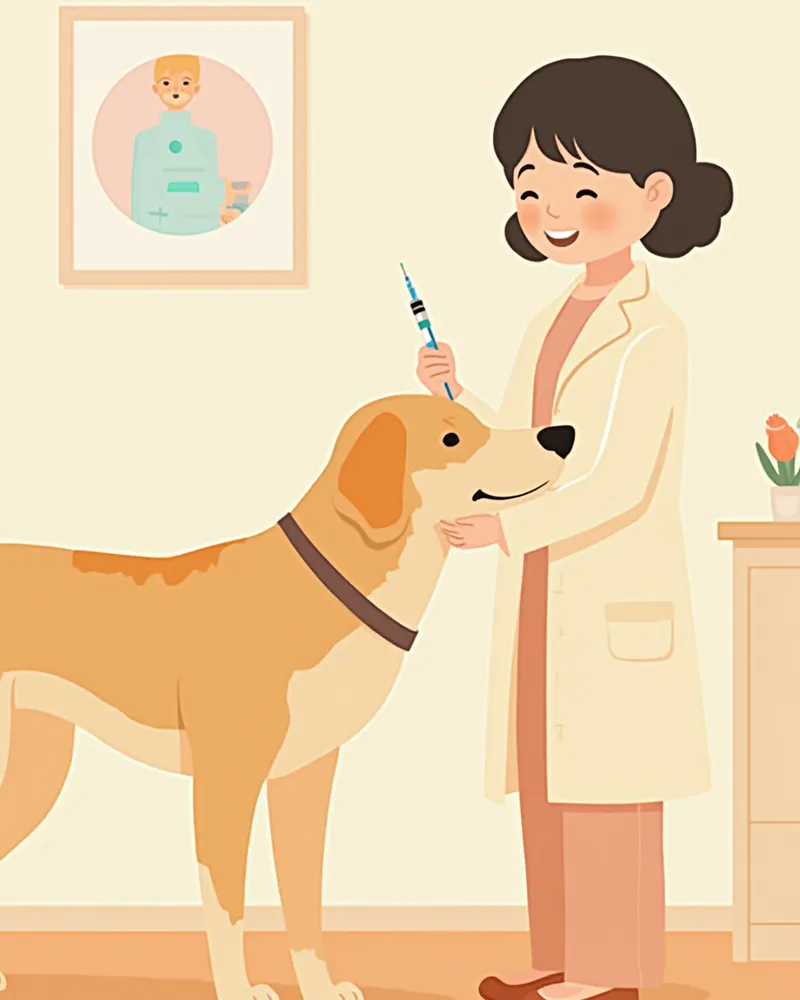
When Is Testing Necessary?
The Situation Is Different for Cats
Diagnosing skin conditions in cats differs from dogs. Textbooks note that the reliability of serum IgE testing (ASIS) in cats has not yet been fully validated, and it may not reliably distinguish between healthy cats and those with other pruritic (itchy) conditions. Therefore, feline atopic skin syndrome (FASS) is not diagnosed based on test results alone. Instead, veterinarians first rule out parasitic, fungal, and bacterial infections, as well as food allergies, before making a diagnosis based on clinical signs and response to treatment. Even when tests are performed, results must be carefully interpreted alongside clinical findings. Feline skin issues are often complex to diagnose, so consultation with a veterinary dermatologist may be necessary.
Reviewed by a veterinarian

Dr. Tony — Punnawat Phongkittirak
VeterinarianA veterinarian who majored in veterinary medicine at Khon Kaen University, Thailand, and completed the IVSA program at North Carolina State University in the United States. Drawing on clinical experience at animal hospitals, he works in the pet healthcare field and is dedicated to building a digital care environment that connects pet parents with veterinarians.
Reviewed 2026-04-21
Frequently Asked Questions
How much does an allergy IgE test cost?
How about allergy testing using saliva or hair?
Do I need to do both a blood test and a skin test?
If the test results are positive, does treatment begin immediately?
Can food allergies also be detected with an IgE test?
Share
Related Guides

Top 5 Medicated Dog Shampoos — For Pyoderma and Bacterial Infections

Veterinarian-Recommended Top 5 Medicated Shampoos for Canine Yeast Dermatitis — Relieves Itching and Greasiness

Top 5 Medicated Cat Shampoos Recommended by Veterinarians — Fungal Dermatitis and Fungal Care

A Lump on Your Dog’s Butt? — Benign vs. Malignant Perianal Gland Tumors and How to Handle Them

Can dog cancer pain be reduced at home? — Palliative care and when to visit the vet

What is Canine Osteosarcoma? — Early Signs and Key Information for Pet Owners

Canine Oral Malignant Melanoma: Frequently Asked Questions — Key Information Every Pet Owner Should Know

Dog Nosebleeds and Sneezing: Signs of Nasal Tumors? — Key Q&A on Symptoms, Diagnosis, and Treatment
What Is Canine Multiple Myeloma? — A Summary of Key Symptoms, Diagnosis, and Treatment

What Are Canine Mast Cell Tumors? — Key Facts on Symptoms, Diagnosis, and Treatment
References
[1] BSAVA Manual of Canine and Feline Dermatology, 4th Edition - Allergy testing and allergen-specific immunotherapy
[2] Favrot C. et al., A prospective study on the clinical features of chronic canine atopic dermatitis and their diagnostic value, 2010
[3] Veterinary Immunology, 11th Edition - Diagnostic Criteria for Canine Atopic Dermatitis