Like
Share
멍실장
고양이 화장실(리터 박스) 선택 가이드

How to Choose a Cat Litter Box? — A Guide to Size, Litter, and Location

ImmunityQ&AMeongsiljang Veterinary Advisory Board

The litter box is a key environmental factor that can either prevent or trigger elimination issues and stress in cats. Choose wisely by considering four key criteria: size, litter type, number of boxes, and location.

What Is a Cat Litter Box?
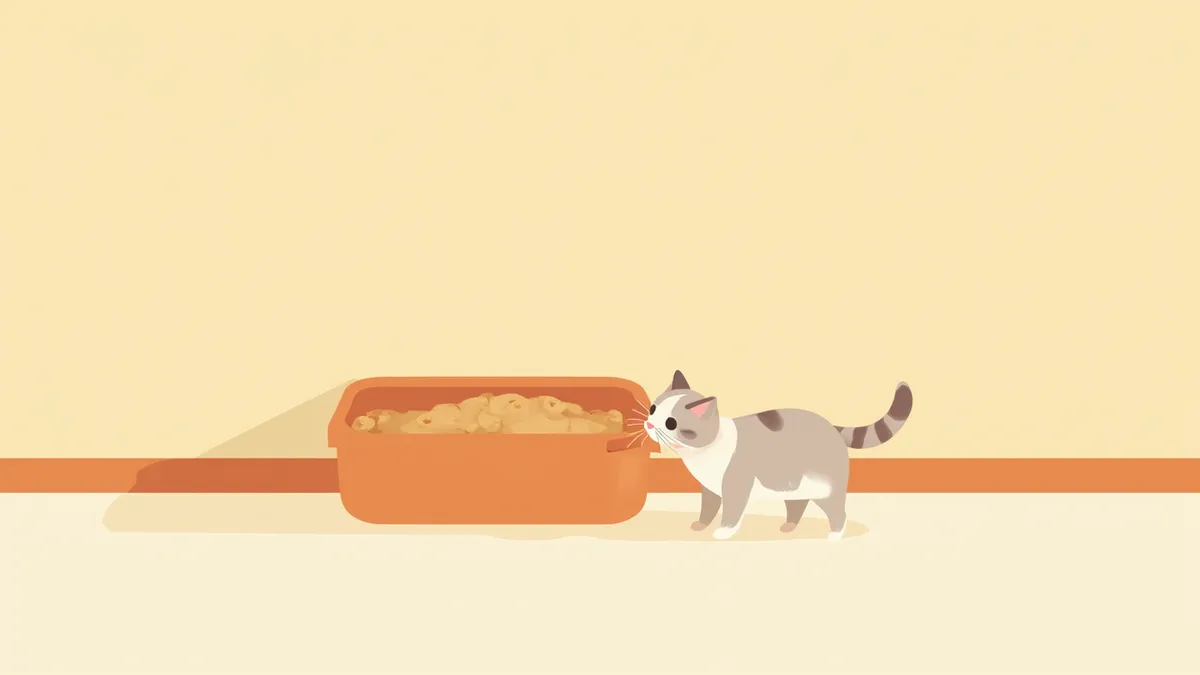
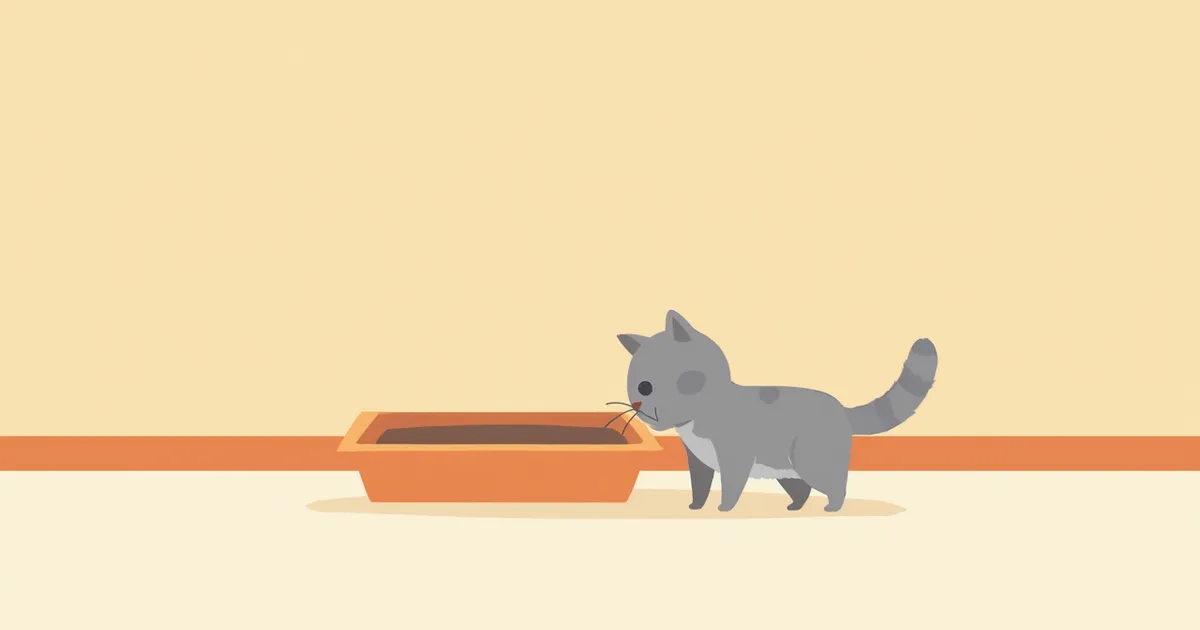
A wide cat litter box placed in a quiet space, with a cat sniffing around it
The litter box is not just a designated space for your cat to relieve themselves; it is the most critical aspect of their living environment, directly influencing their stress levels and elimination habits. The key question is whether it is a litter box your cat actually wants to use. If any of the four essential factors—size, litter type, number of boxes, or location—is off, it can lead to inappropriate elimination outside the box. Veterinary behavior textbooks consistently cite "litter box aversion" as the primary cause of such issues.

Size: 1.5 Times the Cat’s Body Length Is the Standard

If the litter box is too small, cats may avoid using it because they have difficulty turning around or getting into a comfortable position. According to multiple sources in veterinary behavioral medicine, a litter box that is too small and inconvenient to use is one of the most common causes of litter box avoidance.
Basic size guidelines: The litter box should be at least 1.5 times the length of the cat’s body, measured from the tip of the nose to the base of the tail. It should also be wide enough for the cat to turn around without its sides touching the walls. Many adult cats find commercially available litter boxes too small, so some owners opt for larger storage containers instead.
Entry height: For kittens and senior cats, a low-entry design with one side lowered makes it easier to get in and out. As kittens grow, switch them to a larger litter box that matches their body size.
Covered vs. open design: There is no one-size-fits-all answer when it comes to covered (dome-style) versus open litter boxes. Some cats feel more secure in enclosed spaces, while others prefer open designs. Observe your cat’s behavior and choose the style they seem most comfortable with.

Comparison of Litter Box Types

ItemOpen typeDome (hooded) typeAutomatic litter box
Odor releaseGood air circulationOdor tends to stagnate insideDepends on filter
Cat preferenceVaries by individualVaries by individualRequires adaptation
Cleaning convenienceEasyModerateConvenient
Recommended forBasic type that is spacious and easy to enter/exitHomes where the cat prefers enclosed space or where litter scatter is a concernHomes with frequent travel/business trips (adaptation period needed)

Preference for litter box shape varies greatly between individuals. Decide on whether to have a lid based on your cat's reaction (hesitating at the entrance, eliminating outside, etc.), and whatever the type, the key is to keep it large enough and clean.

How to Choose the Right Litter Type

Cats are very sensitive to the texture of litter. A cat accustomed to a specific type may refuse to use the litter box if the texture is changed suddenly.
Bentonite (clumping): Its texture resembles desert sand, making it the preferred choice for most cats.
Tofu/soybean litter: Eco-friendly with low dust, though its odor-absorbing capacity is weaker than that of bentonite.
Silica (crystal): Offers the highest absorption, but many cats dislike it due to the sensation of crystals sticking to their paws.
Wood pellets: Dust-free, but the large particle size leads to mixed preferences among cats.
It is best to avoid strongly scented litters. Fragrances that are pleasant to humans can be irritating to cats.
A comparison of four types of cat litter: bentonite, tofu, silica, and wood pellet

Always Use 'Gradual Replacement' When Changing Litter

If you need to change the type of litter, don’t switch all at once. Start with a mix of 75% old litter and 25% new litter, gradually increasing the proportion of the new litter over 1–2 weeks. A sudden change can cause your cat to avoid the litter box and have accidents on beds, rugs, or other surfaces. For cats already showing elimination issues, the first step is to return to the litter they previously preferred.

Number of Boxes: The 'N+1 Rule' Is the Answer

In feline veterinary behavior, the most well-known guideline is the "N+1 rule," which means providing one more litter box than the number of cats (N) you have.
1 cat: 2 boxes recommended
2 cats: 3 boxes recommended
3 cats: 4 boxes recommended
The reason is simple. In multi-cat households, if a dominant cat "guards" a litter box, a subordinate cat may give up using it and eliminate elsewhere. Additionally, if one box becomes soiled, having another clean alternative ensures the cat has a suitable option.
Two cat litter boxes placed in different areas of the home

Location: 'Quiet and Not a Dead-End'

If you choose the wrong spot, even the best litter box will go unused. Veterinary behavior experts emphasize that the litter box should be placed where it’s easy to access and offers some privacy.
Good locations: Quiet, easy to enter and exit, and not a dead-end—there should be a clear escape route.
Poor locations: Next to noisy appliances like washing machines or boilers, right beside food bowls or sleeping areas, or in high-traffic walkways.
In particular, keep the litter box away from food and sleeping areas. If you live in a multi-story home, place at least one litter box on each floor your cat uses. Cats have a strong instinct to separate their eating and sleeping spaces from their bathroom area.

Cleaning Frequency and Management Tips

Even the best litter box will be rejected by a cat if it’s dirty. According to multiple veterinary behavior studies, cats tend to avoid using a litter box that still carries the scent of their own waste.
Daily: Scoop waste 1–2 times per day (ideally immediately after elimination)
Weekly: Clean the box with a mild (neutral) detergent; avoid strong-scented cleaners and bleach (e.g., pine-scented cleaners or chlorine bleach)
Every 1–3 weeks: Completely empty and replace the litter, then thoroughly rinse the box
Annually: Replace the litter box itself (or sooner if odors have soaked into the plastic)

If Elimination Outside the Litter Box Has Started?

If your pet has suddenly started urinating or defecating outside the litter box, it may not be a simple behavioral issue. Medical causes such as cystitis, urinary tract stones, arthritis, and cognitive dysfunction are also common. In particular, if you notice your pet repeatedly assuming a urination posture or if there is blood in the urine, they should undergo a urinalysis and basic examination at a veterinary clinic within 24 hours. Environmental adjustments should only be considered after ruling out medical causes.

Reviewed by a veterinarian

Dr. Tony — Punnawat Phongkittirak

Dr. Tony — Punnawat Phongkittirak

Veterinarian

A veterinarian who majored in veterinary medicine at Khon Kaen University, Thailand, and completed the IVSA program at North Carolina State University in the United States. Drawing on clinical experience at animal hospitals, he works in the pet healthcare field and is dedicated to building a digital care environment that connects pet parents with veterinarians.

Frequently Asked Questions

Can I use a dome-shaped (hooded) litter box?
It depends on your cat’s preference. If you’re worried about litter tracking, you can use a covered litter box, but odors tend to build up inside more easily, so you’ll need to scoop it more frequently. If your cat shows signs of avoiding the covered box—such as hesitating at the entrance or eliminating outside the box—switch to an open-style litter box.
I’ve heard automatic litter boxes are convenient. Are they safe for my pet?
Adult cats that are sensitive to noise and movement may avoid the new setup. For a safe transition, keep the existing passive litter box available for at least 2–4 weeks while monitoring their adaptation before making the switch.
Shouldn't you keep the litter box in one place?
Even if you follow the N+1 rule, placing litter boxes side by side in the same room causes cats to perceive them as a single unit. In multi-cat households, it’s best to distribute litter boxes across different floors and rooms to avoid issues with dominant cats guarding them.
Don’t scented litters do a better job of controlling odors?
Cats have an extremely sensitive sense of smell, so fragrances that are pleasant to humans can be irritating to them. Strong scents may cause litter box avoidance, so unscented litter is the standard recommendation. Odor issues should be managed not by adding fragrance, but by scooping more frequently and changing the litter regularly.
Can kittens use the same litter box as adult cats?
Use a low-entry litter box with one short side so kittens can easily get in and out. Adult cat litter boxes have higher sides that make entry difficult, which can lead to accidents. As your cat grows, gradually transition to a larger litter box that is at least 1.5 times the length of their body.

Share

Related Guides

References

[1] Introduction to Animal Behavior and Veterinary Behavioral Medicine, Chapter 13: Feline Elimination Disorders

[2] The Cat: Clinical Medicine and Management, 2nd Edition, Chapter 16: Behavioral Problems

[3] Overall K.L., Manual of Clinical Behavioral Medicine for Dogs and Cats, 2013

This information is based on veterinary literature and does not replace diagnosis or treatment. Please consult a veterinarian for specific health concerns.

Metapet Co., Ltd. | CEO: Park Sung-yong | Business Reg. No. 417-88-02562 | Seoul, South Korea | Customer Center

How to Choose a Cat Litter Box: Size, Litter & Location | Meongsiljang