

When to Use Heparin Anticoagulant: A Guide to Timing and Side Effect Precautions
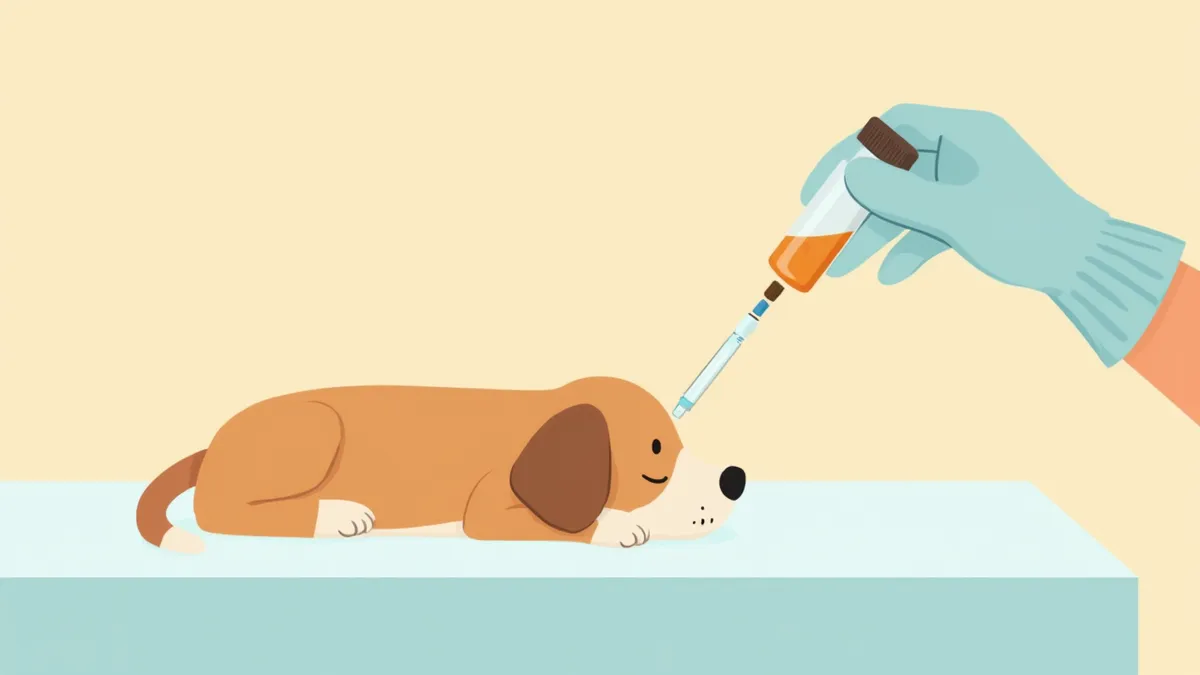
Heparin is a well-known anticoagulant used to prevent and treat blood clots. Here’s a simple guide for pet owners on when it’s used and what to watch out for.
What Is Heparin Anticoagulant?
When Is Heparin Used?
Differences Between Types of Heparin
| Item | Unfractionated Heparin (UFH) | Low-Molecular-Weight Heparin (LMWH) |
|---|---|---|
| Representative drugs | Heparin sodium | Enoxaparin, dalteparin |
| Route of administration | Intravenous or subcutaneous injection | Mainly subcutaneous injection |
| Duration of action | Relatively short (IV: minutes to 1 hour; SC: dosed at q6-12h intervals) | Relatively longer than UFH (varies by drug and species; cats q6-8h, dogs dalteparin at q12h intervals) |
| Monitoring required | Frequently required (aPTT test) | Relatively less (Anti-Xa test) |
| Bleeding risk | Relatively high | Relatively low |
Drug selection is determined by the veterinarian based on the patient's condition.
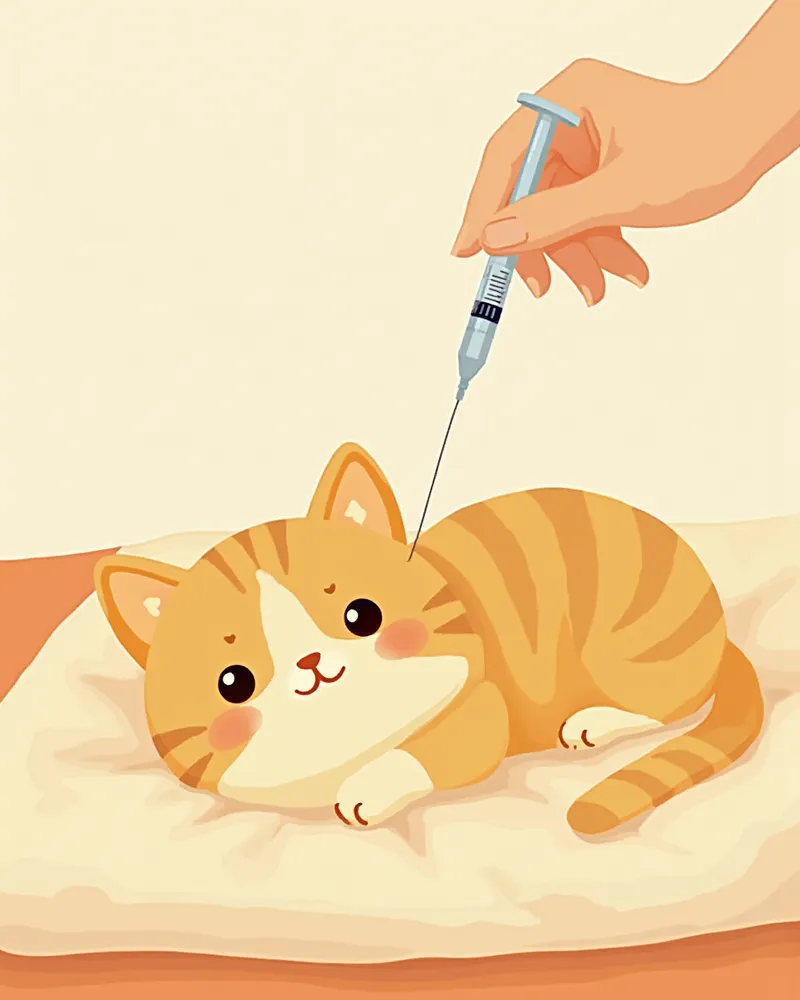
How Is It Administered?
Seek Immediate Veterinary Care in These Cases
If your pet is on heparin, seek immediate veterinary care if you notice any of the following warning signs: bleeding from the gums, nose, or anus that won’t stop; sudden bruising or petechiae on the skin; blood in the urine or stool; lethargy and pale gums; or severe swelling and pain at the injection site. These are classic red flags. Because excessive anticoagulant dosing or individual hypersensitivity can lead to serious bleeding, contact your veterinarian without delay.
What Tests Are Performed During Treatment?

Why It Is Especially Important for Cats
Key Points to Remember When Using Heparin
Heparin significantly increases the risk of bleeding when used together with aspirin, nonsteroidal anti-inflammatory drugs (NSAIDs), or other anticoagulants. Be sure to inform your veterinarian about any supplements or other prescribed medications your pet is currently taking. Additionally, the medication may need to be discontinued for a certain period before procedures such as surgery, tooth extraction, or neutering. Do not stop the medication or change the dosage on your own, as this could lead to recurrent blood clots; always follow your veterinarian's instructions.
Reviewed by a veterinarian

Dr. Tony — Punnawat Phongkittirak
VeterinarianA veterinarian who majored in veterinary medicine at Khon Kaen University, Thailand, and completed the IVSA program at North Carolina State University in the United States. Drawing on clinical experience at animal hospitals, he works in the pet healthcare field and is dedicated to building a digital care environment that connects pet parents with veterinarians.
Reviewed 2026-04-23
Frequently Asked Questions
Can I administer the injection at home myself?
How long does heparin treatment last?
Should I stop giving it right away if side effects appear?
Can we switch to an oral anticoagulant?
Is it okay to go for walks or play while undergoing heparin treatment?
Share
Related Guides

Primary vs. Secondary Veterinary Hospitals: A Comparison

5 Easy-to-Raise Cat Breeds for First-Time Owners — Grooming Difficulty Comparison

Top 7 Short-Legged Dog Breeds

Why Does Your Cat Slowly Blink? — How Should You Respond?
Causes of Cat Zoomies and How to Handle Them

What Does Kneading Mean in Cats? Why Do They Do It?

What Does Cat Head Bumping Mean? Is It a Sign of Affection?

What Is Your Cat Saying Through Body Language? — Reading Tail, Ear, and Vocal Signals

When to Start Pet Hospice Care: Key Criteria for End-of-Life Decisions

Helping Senior Dogs Adapt to Vision Loss
References
[1] Plumb's Veterinary Drug Handbook, 9th Edition - Heparin Sodium
[2] Small Animal Internal Medicine, 6th Edition - Coagulation Disorders
[3] Handbook of Veterinary Pharmacology - Anticoagulants Chapter