Like
Share
멍실장
강아지 고양이 고지혈증 원인과 식이 관리

If Your Pet’s Cholesterol Is High — Causes of Hyperlipidemia and Dietary Management Points

DigestiveQ&AMeongsiljang Veterinary Advisory Board

We’ve compiled a comprehensive overview of the causes, warning signs, and low-fat dietary management for hyperlipidemia in pets, based on veterinary textbook standards. We’ll guide you step by step, from checking for underlying conditions such as pancreatitis and Cushing’s syndrome to transitioning your pet’s diet.

What Is Hyperlipidemia in Pets?
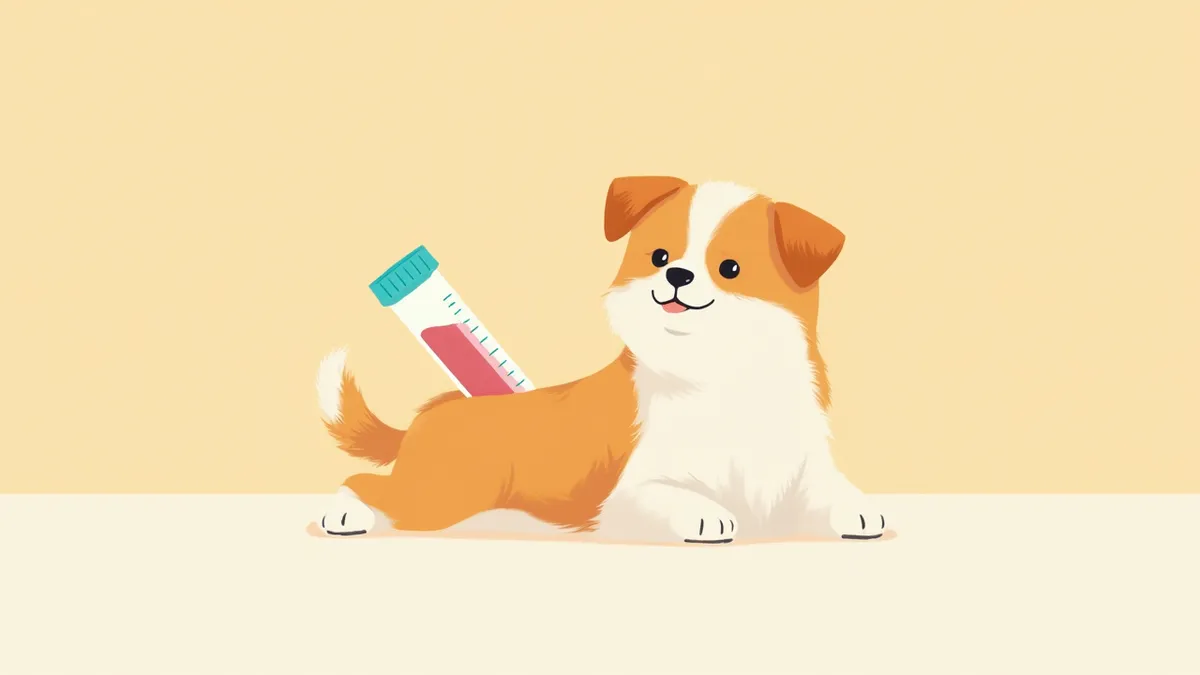
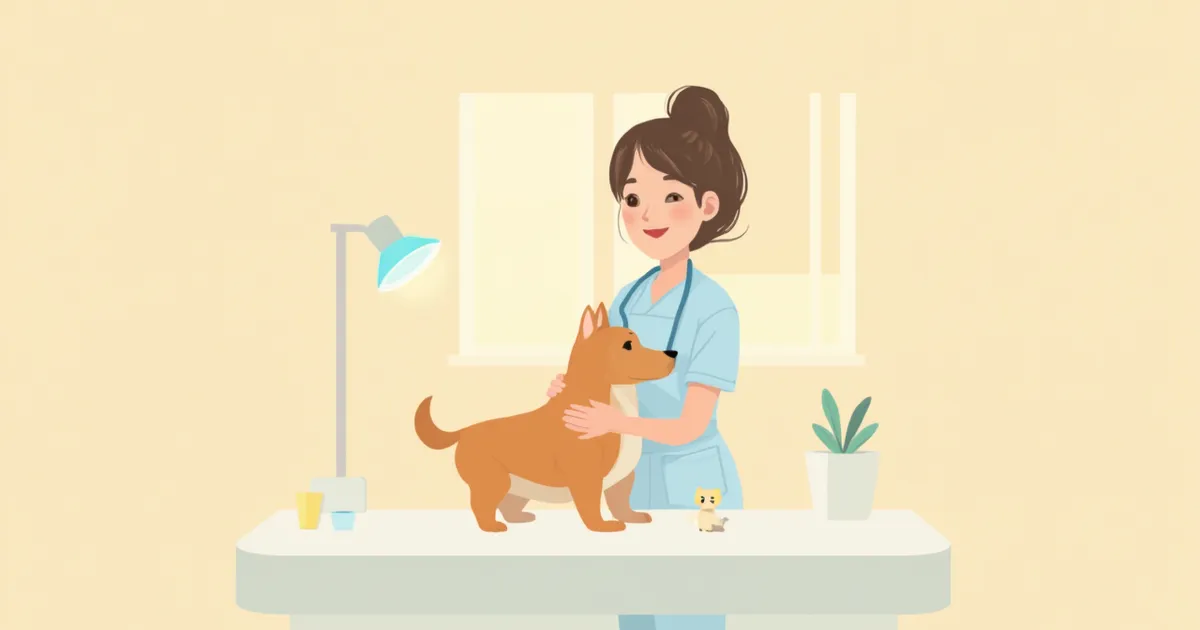
A veterinarian examining a cloudy lipemic blood sample with a dog.
Hyperlipidemia in pets is a metabolic disorder characterized by persistently elevated levels of triglycerides or cholesterol in the blood beyond the normal range. The key to management isn’t simply reducing fatty foods, but first ruling out any underlying conditions. If blood lipid levels remain high even after a 12-hour fast, it’s essential to check for potential underlying diseases such as pancreatitis or Cushing’s syndrome.

Why Does It Occur? — Primary and Secondary

Hyperlipidemia is broadly categorized into two types. - Primary: This form occurs spontaneously in breeds with genetic abnormalities in lipid metabolism, such as Miniature Schnauzers. Spontaneous hypercholesterolemia has also been reported in Rough Collies and Briards. - Secondary: This type develops as a consequence of other underlying conditions, including pancreatitis, Cushing’s syndrome (hyperadrenocorticism), hypothyroidism, diabetes mellitus, nephrotic syndrome, or a high-fat diet. It is associated with acquired cellular damage or hormonal imbalances and is relatively common in pets. If an underlying disease is present, treating that condition is the first step in managing hyperlipidemia.

Suspect It If You See These Signs

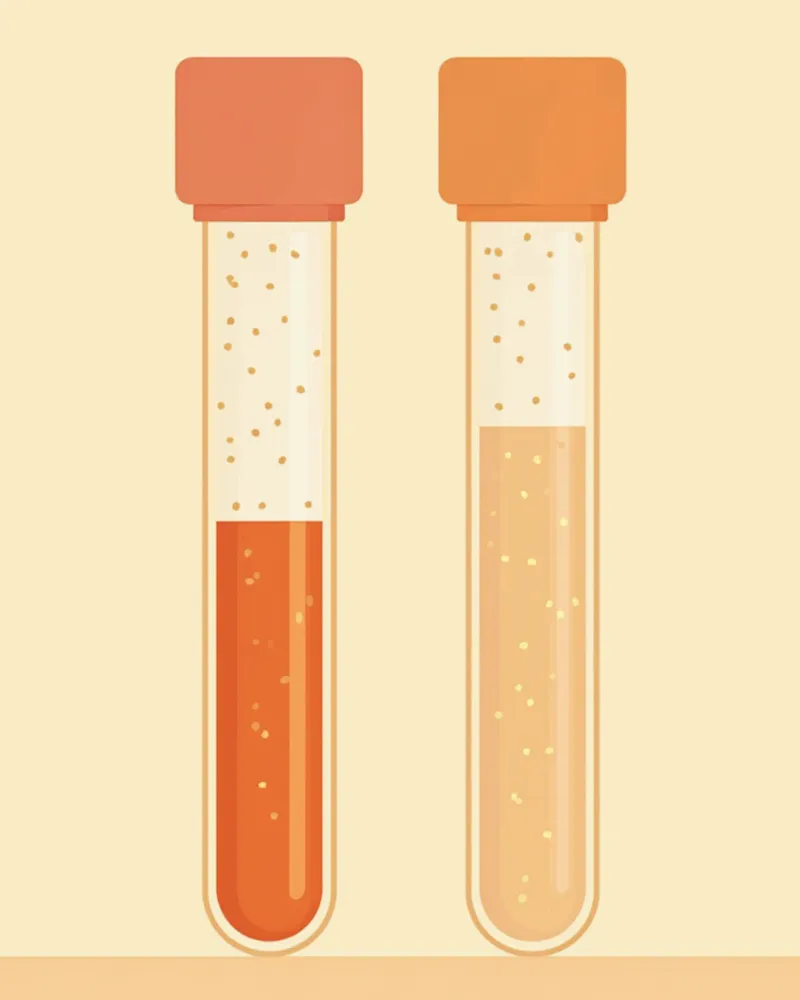
Hyperlipidemia often shows few or no symptoms in its early stages, but as it progresses, the following signs may appear: - Lipemia: Drawn blood appears cloudy and milky. - Loss of appetite and vomiting: Severely elevated triglycerides can lead to pancreatitis. - Abdominal pain and a hunched posture: The abdomen is tender to the touch. - Ocular signs (lipemic aqueous humor): Both primary and secondary hyperlipidemia can cause eye-related symptoms. Blood lipids may accumulate in the anterior chamber of the eye (aqueous humor), causing cloudiness in the front part of the eye, sometimes accompanied by anterior uveitis. - Cutaneous xanthomas: Rarely, yellowish fatty deposits may form on the skin. - Seizures and abnormal behavior: These are rarely seen in cases of severe hypertriglyceridemia.
Comparison image of normal blood and lipemic blood samples

When to Go to the Vet Immediately

If severe vomiting, abdominal pain, and lethargy occur together, there is a possibility that hyperlipidemia has progressed to acute pancreatitis. The risk of complications, including pancreatitis, increases significantly when triglyceride levels are extremely high, causing the blood to appear milky and cloudy (approximately around 1,000 mg/dL). Therefore, if these signs are observed, it is advisable not to delay and to promptly undergo blood tests and abdominal ultrasound to assess the condition of the pancreas. If seizures or decreased consciousness accompany these symptoms, it constitutes an emergency, and immediate veterinary care is required.

How Is It Diagnosed?

An accurate diagnosis starts with a blood test after a 12-hour fast. Since fat levels can temporarily rise after eating, measurements must be taken on an empty stomach to distinguish between primary and secondary causes. We check both triglycerides and cholesterol, and if needed, run additional tests such as pancreatic-specific lipase (cPL/fPL), thyroid hormones, and an ACTH stimulation test to identify any underlying conditions. An abdominal ultrasound is also used to assess the pancreas and liver.

Blood Lipid Level Interpretation Criteria (12-Hour Fast)

ItemNormalBorderlineTreatment needed
Triglycerides (dogs)<150 mg/dL150-400 mg/dL>500 mg/dL
Triglycerides (cats)<100 mg/dL100-200 mg/dL>300 mg/dL
Cholesterol (dogs)<270 mg/dL270-350 mg/dL>500 mg/dL
Pancreatitis riskLowCautionVery high

Based on veterinary internal medicine textbooks. The actual determination is made by the veterinarian, comprehensively considering breed and underlying disease.

The Key to Dietary Management — Low-Fat Diet
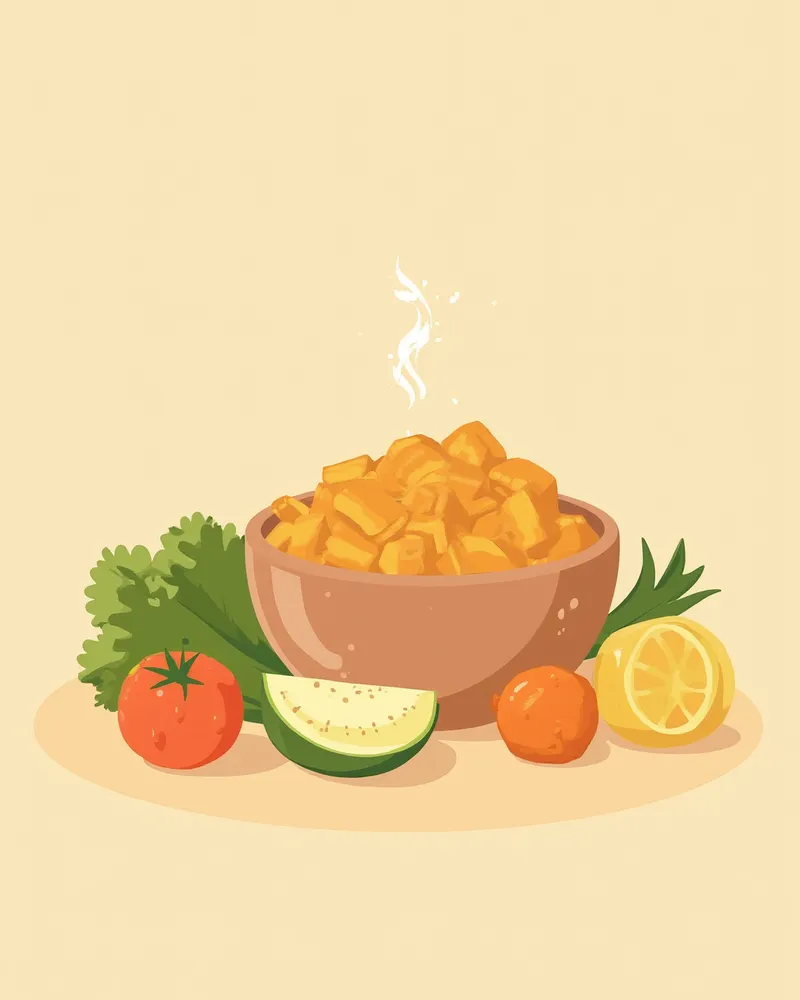
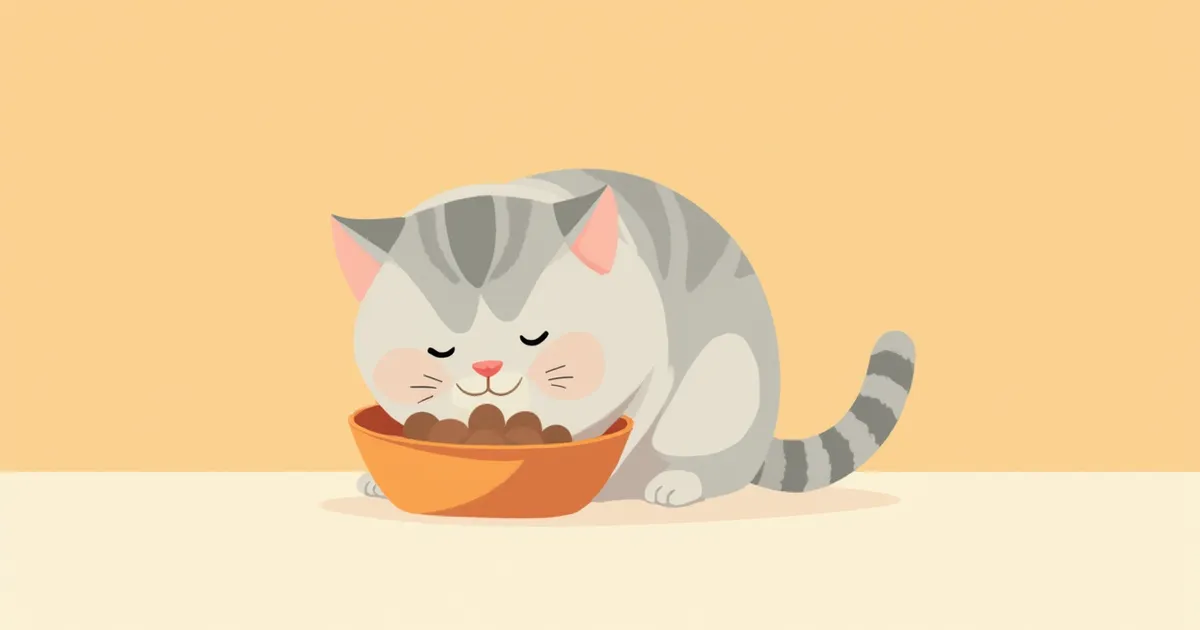
Diet is half the treatment. The key is to keep fat content as low as possible. - Prescription diets: Use a veterinarian-prescribed low-fat gastrointestinal prescription diet as the foundation. - Strictly limit treats: Completely avoid cheese, sausages, butter, and fried foods. - No human food: Absolutely no high-fat human foods like pork belly or ribs—not even a single bite. - Omega-3 supplementation: Supplements containing EPA and DHA may be used to help manage lipid metabolism, but always consult your veterinarian to determine the appropriate dosage and effectiveness. - Dietary fiber: While fiber is sometimes used to lower cholesterol in humans, its effects in dogs and cats are not yet clearly established. Consult your veterinarian to decide if it’s necessary. Improvements are typically confirmed at a follow-up check-up 4–8 weeks later.
An image of a pet's diet featuring low-fat food and omega-3 supplements.

Precautions When Changing Diets

Switching your pet’s food all at once can cause diarrhea or vomiting. Instead, gradually transition over 7 to 10 days by mixing the old and new foods. Also, even if a product is labeled “low-fat,” always check the actual fat content on the ingredient list. Breeds with a genetic predisposition, such as Miniature Schnauzers, need to maintain a low-fat diet for life.

Management Points to Do Together at Home

In addition to diet, overall lifestyle management is essential. - Weight management: Obesity can worsen hyperlipidemia. The goal is to maintain a Body Condition Score (BCS) of 4–5 out of 9. - Regular walks and play: Light aerobic exercise, such as walking, for at least 30 minutes twice a day is recommended. - Regular check-ups: Monitor blood values through blood tests every 3–6 months. - Supplement consultation: Always consult your veterinarian before using supplements like omega-3 fatty acids or carnitine. If there is an underlying condition, treating that primary disease takes priority. If you’re interested in managing pancreatitis, please refer to our guide on Symptoms and Treatment of Canine Pancreatitis.

Reviewed by a veterinarian

Dr. Tony — Punnawat Phongkittirak

Dr. Tony — Punnawat Phongkittirak

Veterinarian

A veterinarian who majored in veterinary medicine at Khon Kaen University, Thailand, and completed the IVSA program at North Carolina State University in the United States. Drawing on clinical experience at animal hospitals, he works in the pet healthcare field and is dedicated to building a digital care environment that connects pet parents with veterinarians.

Frequently Asked Questions

If my pet has hyperlipidemia, will they need to take medication for the rest of their life?
Not at all. In secondary cases, the levels often return to normal once the underlying condition (such as pancreatitis or Cushing’s disease) is treated. Even in primary cases, diet management alone is often sufficient for control. Medication is prescribed by your veterinarian only when dietary adjustments prove inadequate.
Can cats develop hyperlipidemia?
Yes, cats can develop hyperlipidemia. Like dogs, it can occur relatively frequently and is often associated with underlying conditions such as diabetes mellitus, obesity, and hepatic lipidosis (fatty liver disease). Postprandial hyperlipidemia, a temporary rise in lipid levels after eating, can also be observed in healthy cats.
What low-fat treats can I give my pet?
Boiled chicken breast (with skin removed), small amounts of cooked carrots, pumpkin, and broccoli, and low-fat, low-sugar treats like blueberries are good choices. Avoid cheese, sausages, and peanut butter.
How long will it take for the values to return to normal?
The timeline depends on the underlying cause and the intensity of management. With just a diet change, noticeable improvement can occur as soon as 4 weeks, though it typically takes 8 to 12 weeks. If treatment for an underlying condition is required, it may take 3 to 6 months or longer.
Why are Miniature Schnauzers prone to hyperlipidemia?
Miniature Schnauzers are known to have a genetic predisposition to lipid metabolism disorders, although the exact underlying mechanism remains unclear. The condition typically manifests as hypertriglyceridemia, or elevated triglyceride levels, with both frequency and severity tending to increase with age. It is important to maintain a low-fat diet from an early age and schedule regular veterinary check-ups.

Share

Related Guides

References

[1] Ettinger SJ, Feldman EC. Textbook of Veterinary Internal Medicine, 8th Ed. Chapter: Hyperlipidemia in Dogs and Cats

[2] Nelson RW, Couto CG. Small Animal Internal Medicine, 6th Ed. Chapter: Disorders of Lipid Metabolism

[3] Xenoulis PG, Steiner JM. Lipid metabolism and hyperlipidemia in dogs. The Veterinary Journal, 2010

[4] Clinical Medicine of the Dog and Cat, 4th Ed. Endocrine and Metabolic Disorders

This information is based on veterinary literature and does not replace diagnosis or treatment. Please consult a veterinarian for specific health concerns.

Metapet Co., Ltd. | CEO: Park Sung-yong | Business Reg. No. 417-88-02562 | Seoul, South Korea | Customer Center

High Cholesterol in Pets: Hyperlipidemia Causes & Diet Tips | Meongsiljang