

Dog Pancreatitis: How to Tell if It’s Acute or Chronic — From Symptoms to Dietary Management
If your dog experiences repeated vomiting and loss of appetite, it could be pancreatitis. We’ve compiled evidence-based information from veterinary textbooks, including how to distinguish between acute and chronic forms, emergency symptoms, and low-fat dietary management.
If Your Dog Is Vomiting Repeatedly and Crouching — Should You Go to the Vet Now?

What’s the Difference Between Acute and Chronic?
| Category | Acute Pancreatitis | Chronic Pancreatitis |
|---|---|---|
| Onset | Sudden occurrence | Gradual progression |
| Symptoms | Severe vomiting, intense abdominal pain | Intermittent vomiting, decreased appetite |
| Course | Recovery possible with prompt treatment | Progressive decline in pancreatic function |
| Complications | Risk of multiple organ failure | Diabetes mellitus, digestive disorders |
| Urgency | May constitute an emergency | Requires long-term management |
Suspect Pancreatitis If You See These Symptoms

Go to the Vet Immediately If You See These Symptoms
If vomiting persists, or if you notice signs of severe dehydration or shock (such as dry or tacky gums), extreme abdominal pain upon palpation, or a rapid decline in overall condition, your pet may be suffering from severe acute pancreatitis. Delayed treatment can lead to multiple organ failure, so please visit an animal hospital immediately. Do not hesitate if you observe a sudden drop in energy or extreme lethargy.
Why Does Pancreatitis Occur? Causes and Risk Factors
How Is Diagnosis and Treatment Performed?
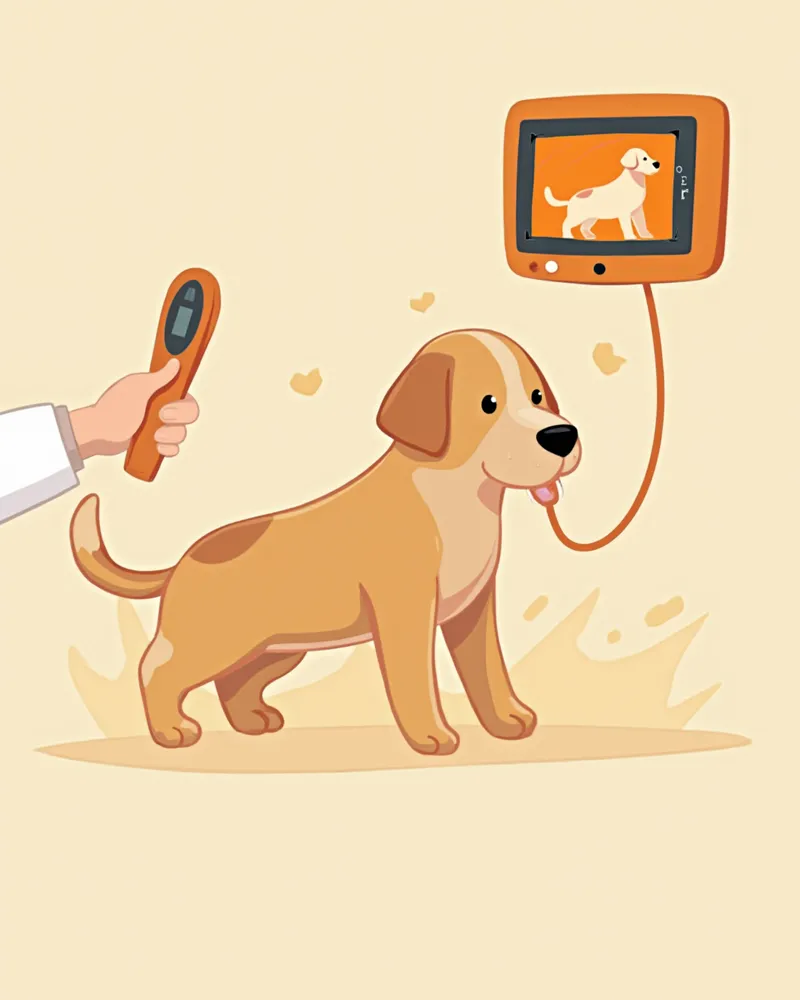
Dietary Management After Recovery Is Key

Foods to Absolutely Avoid
| Category | Foods to Avoid |
|---|---|
| High-fat meats | Beef, lamb, rabbit, sausages, processed meats |
| High-fat fish | Salmon, sardines |
| Dairy products | Cheese, cream cheese, regular yogurt, butter |
| Snacks | Jerky, sausage-shaped treats, peanut butter |
| Others | Cooking oils, tofu |
Never Share Human Food With Your Pet
Sharing leftover holiday or restaurant meals with your pet is one of the most common causes of pancreatitis. Even if your pet begs for it, seasoned meats, fried foods, and greasy broths can trigger severe acute pancreatitis. It’s important that everyone in the family follows this rule.
Long-Term Management Points to Prevent Recurrence

Reviewed by a veterinarian

Dr. Tony — Punnawat Phongkittirak
VeterinarianA veterinarian who majored in veterinary medicine at Khon Kaen University, Thailand, and completed the IVSA program at North Carolina State University in the United States. Drawing on clinical experience at animal hospitals, he works in the pet healthcare field and is dedicated to building a digital care environment that connects pet parents with veterinarians.
Reviewed 2026-04-13
Frequently Asked Questions
Does my pet need to be on a low-fat diet for life after being diagnosed with pancreatitis?
Should I fast my pet at home if it shows symptoms of pancreatitis?
Is there a particular reason why Miniature Schnauzers are especially prone to this condition?
Can pancreatitis lead to diabetes?
How much does it cost to treat pancreatitis in dogs?
Share
Related Guides
My Senior Cat Won’t Eat — A Complete Guide to Choosing Food for Cats with Weak Digestion
Top 5 Prescription Diets for Feline Pancreatitis Recommended by Veterinarians — Low-Fat, Highly Digestible Food Guide

Royal Canin vs Hill’s vs Purina vs Orijen — Which Brand Is Right for Your Pet, According to Veterinarians?
Insect Emergencies (Bees, Wasps, Ticks, and More)

Emergency Response for Cats with Rapid Breathing

Causes and How to Check When Your Dog Drinks a Lot of Water

Causes of Dog Tremors and Assessing Urgency
Causes of Fever in Dogs and How to Respond

Emergency Response for Dog Heatstroke

Feline Stress Signals and Management: A Comprehensive Guide to Key Signs Owners Often Miss
References
[1] Applied Veterinary Clinical Nutrition, 2nd Ed — Chapter 12: Nutritional Management of Pancreatitis
[2] Clinical Medicine of the Dog and Cat, 4th Ed — Chapter 25: Nutrition of the Critically Ill Dog and Cat
[3] Fundamentals of Veterinary Clinical Pathology, 3rd Edition — Pancreatitis
[4] Small Animal Internal Medicine, 6th Ed — Exocrine Pancreatic Disease