
Causes and How to Check When Your Dog Drinks a Lot of Water
If your dog is drinking more water than usual, it could be a sign of an underlying health issue rather than simple thirst. Here’s a breakdown of daily water intake guidelines and when to visit the vet.
What Does It Mean When Your Dog Drinks a Lot of Water?
Normal Water Intake Reference Table
Daily Normal and Warning Thresholds by Body Weight
| Item | Normal Intake | Caution Threshold (Polydipsia/Polyuria) |
|---|---|---|
| 3kg (Small Breed) | 150–180ml | 270ml or more |
| 5kg | 250–300ml | 450ml or more |
| 10kg (Medium Breed) | 500–600ml | 900ml or more |
| 20kg | 1,000–1,200ml | 1,800ml or more |
| 30kg (Large Breed) | 1,500–1,800ml | 2,700ml or more |
Exceeding 90ml per 1kg of body weight per day is judged as polydipsia/polyuria (per veterinary internal medicine textbook standards)
Checklist of Symptoms to Watch For Together
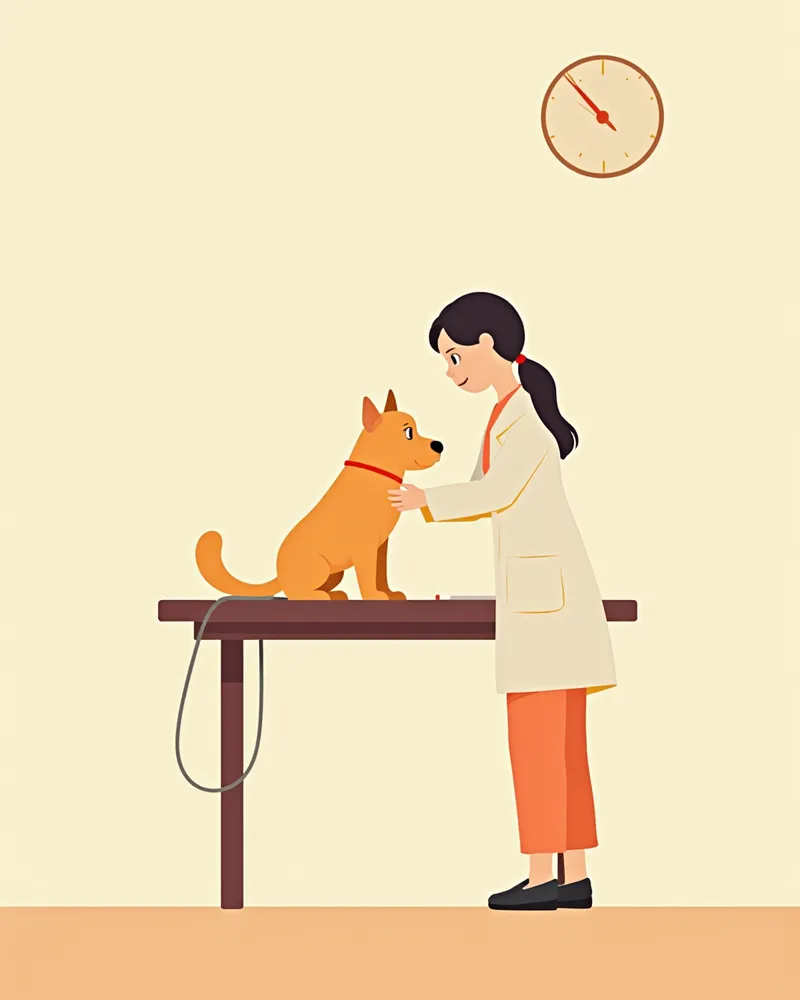
Emergency Signs Requiring Immediate Veterinary Visit
If you notice any of the following symptoms together, please visit a veterinary clinic within 24 hours: - Vomiting immediately after drinking water - Urine that is dark brown or contains blood - Extreme lethargy and weakness throughout the day - Rapid, labored breathing or pale gums - Vomiting and diarrhea occurring simultaneously These signs can indicate progression to dehydration, acute kidney failure, or diabetic ketoacidosis, making prompt fluid therapy and blood tests essential.
Four Main Causes of Excessive Water Drinking

Diagnostic Process at the Veterinary Clinic
Why You Should Not Forcefully Restrict Water
Excessive thirst is a sign that your pet’s body is losing fluids. If you remove the water bowl on your own, it can lead to acute dehydration and kidney damage, making the situation much more dangerous. Until the underlying cause is identified, allow your pet to drink freely, but measure and record the amount consumed over 24 hours using a measuring cup, and share this information with your veterinarian.
Management Tips to Practice at Home

Reviewed by a veterinarian

Dr. Tony — Punnawat Phongkittirak
VeterinarianA veterinarian who majored in veterinary medicine at Khon Kaen University, Thailand, and completed the IVSA program at North Carolina State University in the United States. Drawing on clinical experience at animal hospitals, he works in the pet healthcare field and is dedicated to building a digital care environment that connects pet parents with veterinarians.
Reviewed 2026-04-19
Frequently Asked Questions
Can drinking a lot of water in the summer be a sign of illness?
How long should I wait before taking my pet to the vet?
Could it be because I’ve been giving my pet salty treats?
What if your pet is drinking a lot of water but urinating less?
Which test should I start with?
Share
Related Guides

Chitosan Effects and Obesity/Fat Absorption
Top 5 Weight-Management Dog Food Recommendations for 2026

7 Best Cat Weight-Loss Diets Recommended by Veterinarians and How to Choose
Causes of Limping in Dogs and How to Respond

Causes and Treatment of Canine Ear Inflammation
Types of Dog Skin Diseases and How to Manage Symptoms
Dog Sneezing: Causes, Step-by-Step Care, and Signs to Visit the Vet
Dog Nosebleeds: Causes and Warning Signs Requiring Veterinary Care
Causes of Drooling in Cats, Step-by-Step Management, and Signs Requiring a Vet Visit: A Complete Guide
If Your Cat Suddenly Collapses: Causes and Warning Signs of Fainting
References
[1] Ettinger SJ, Feldman EC. Textbook of Veterinary Internal Medicine, 8th ed. Polyuria and Polydipsia chapter
[2] Nelson RW, Couto CG. Small Animal Internal Medicine, 6th ed. Disorders of Water Metabolism
[3] Applied Veterinary Clinical Nutrition, 2nd Ed. Water Requirements in Dogs