
Like
Share
멍실장
강아지 초콜릿 먹은 뒤 증상 — 시간대별 변화와 응급 신호

Symptoms After a Dog Eats Chocolate — Changes by Time Period and Emergency Signs

Emergency/ToxicitySymptomsMeongsiljang Veterinary Advisory Board

When a dog eats chocolate, symptoms such as vomiting, hyperexcitability, muscle tremors, and seizures typically appear in that order, starting 4 to 6 hours later. We’ve outlined how symptoms change over time, emergency signs that require immediate veterinary care, what pet owners should and should not do.

What Is Chocolate Poisoning in Dogs?

A puppy sitting next to a piece of dark chocolate
Chocolate poisoning in dogs is an emergency condition caused by the absorption of theobromine and caffeine from chocolate into the dog’s body, leading to symptoms such as vomiting, diarrhea, increased heart rate, muscle tremors, and seizures. What’s truly important is that symptoms often don’t appear immediately after ingestion but typically begin 4 to 6 hours later. However, if a large amount is consumed, symptoms can start as soon as within one hour, so you shouldn’t rely solely on the passage of time. Even if your dog seems fine right after eating chocolate, never let your guard down. The risk increases with darker chocolates and baking cocoa, and it’s also higher in smaller dogs.

Symptom Changes by Time Period — 4 to 6 Hours Is the Turning Point

Theobromine is metabolized slowly in dogs, with a half-life of approximately 17 to 18 hours. As a result, symptoms typically do not appear immediately after ingestion but rather emerge several hours later. The table below outlines the general progression of symptoms. However, the onset and severity can vary depending on the dog’s weight, the type of chocolate consumed, and the amount ingested. Therefore, do not rely solely on the timeline to feel reassured; instead, consult your veterinarian based on the fact that ingestion occurred.

Progression of Symptoms by Time Since Ingestion

ItemMain symptomsGuardian's action
0–2 hoursAlmost no symptoms, or drooling·pantingCall the hospital·note the amount eaten and the time
2–6 hoursVomiting·diarrhea·hyperexcitability·increased thirstTransport to hospital — golden time for inducing vomiting
6–12 hoursTachycardia·muscle tremors·hyperthermiaBegin emergency hospitalization treatment
12–24 hoursSeizures·arrhythmia·faintingTop-level emergency, oxygen·ECG monitoring
24–72 hoursRecovery stage or residual neurological symptomsMaintain fluids·reevaluate

Individual variation is large. Even after eating the same amount, symptoms may appear sooner or later.

Symptom Checklist for Pet Owners to Check

Record the exact time of ingestion, and contact your veterinarian immediately if you notice any of the following signs.
Vomiting and diarrhea: These are often the first symptoms to appear. The vomit may have a chocolate-like color.
Excessive restlessness and agitation: Your pet may be unable to stay still and panting more than usual.
Increased heart rate: You may feel a rapid and strong heartbeat when placing your hand on their chest.
Muscle tremors and stiffness: You may observe subtle shaking in the legs or body.
Seizures and collapse: Loss of consciousness and convulsions constitute a critical emergency.
A puppy showing suspected symptoms of chocolate poisoning

If You See These Symptoms, Go to a 24-Hour Veterinary Clinic Immediately

If you notice any of the following symptoms—seizures, muscle rigidity, loss of consciousness, or severe tachycardia (a rapid heartbeat)—it is a medical emergency. During transport, lay your dog on its side to keep the airway clear. Do not put your hand in your dog’s mouth during a seizure; instead, remove any surrounding hazards and proceed directly to the clinic. Immediate treatment within minutes significantly increases the chances of recovery.

Risk Dosage by Chocolate Type and Body Weight

The danger of chocolate isn’t determined by the amount eaten in grams, but by the theobromine dose per kilogram of body weight (mg/kg). The same single piece can be fatal for a 5kg dog, while it may only cause mild gastrointestinal upset in a 30kg large-breed dog. Generally, symptoms begin when the theobromine dose exceeds 20mg/kg, cardiovascular symptoms appear at 40mg/kg or more, and severe neurological symptoms occur at 60mg/kg or higher.

Risk Threshold by Chocolate Type (Based on 20 mg Theobromine per kg of Body Weight)

ItemTheobromine content (per g)5kg danger threshold amount10kg danger threshold amount
White chocolateNearly 0mgPractically harmlessPractically harmless
Milk chocolateAbout 2mgAbout 50gAbout 100g
Dark chocolateAbout 5–10mgAbout 10–20gAbout 20–40g
Baking chocolate / cocoa powderAbout 14–25mgAbout 4–7gAbout 8–14g

The numbers above are the 'amount at which symptoms may begin,' not a 'safe amount.' As a rule, if a dog eats any kind of chocolate, consult a veterinary clinic.

Why Is Chocolate Dangerous for Dogs?

Theobromine is a methylxanthine compound similar to caffeine. Dogs metabolize and excrete this substance much more slowly than humans, so it stays in their system longer and has a prolonged effect. In dogs, the half-life of theobromine is approximately 17.5 hours, and enterohepatic circulation—where the substance is excreted in bile and then reabsorbed in the intestines—further extends its duration of action. Theobromine blocks adenosine receptors in cells and increases the release of catecholamines (such as norepinephrine), simultaneously stimulating the heart, central nervous system, and muscles, which can lead to tachycardia, hyperexcitability, muscle tremors, and seizures. Because caffeine acts in the same way, dark and baking chocolates with high cocoa content are especially dangerous.
An educational illustration showing how theobromine affects a dog's heart and nervous system.

What Pet Owners Should Do Before Going to the Clinic

1) Write down exactly when your dog ate the chocolate, what kind it was, how much was consumed, and your dog’s weight. 2) If possible, bring the packaging or any leftover pieces. The cocoa content label is very helpful in determining the appropriate treatment. 3) Calling the veterinary clinic ahead of time to share your dog’s condition allows treatment to begin immediately upon arrival. 4) If ingestion occurred within 1–2 hours, inducing vomiting at the clinic is effective. As time passes, the chocolate is absorbed, reducing the effectiveness of this treatment.

Actions Pet Owners Must Never Take

Inducing vomiting at home with salt water or hydrogen peroxide can cause esophageal burns and aspiration pneumonia. Giving milk or yogurt does not help with detoxification and may instead worsen pancreatitis or vomiting due to the fat content in chocolate. "Waiting and watching" is the most dangerous choice—symptoms can suddenly worsen with seizures after 4–6 hours. Never administer human-activated charcoal or sedatives without veterinary guidance. Instead of searching online, call your veterinarian immediately.

Diagnosis and Treatment Process at the Clinic
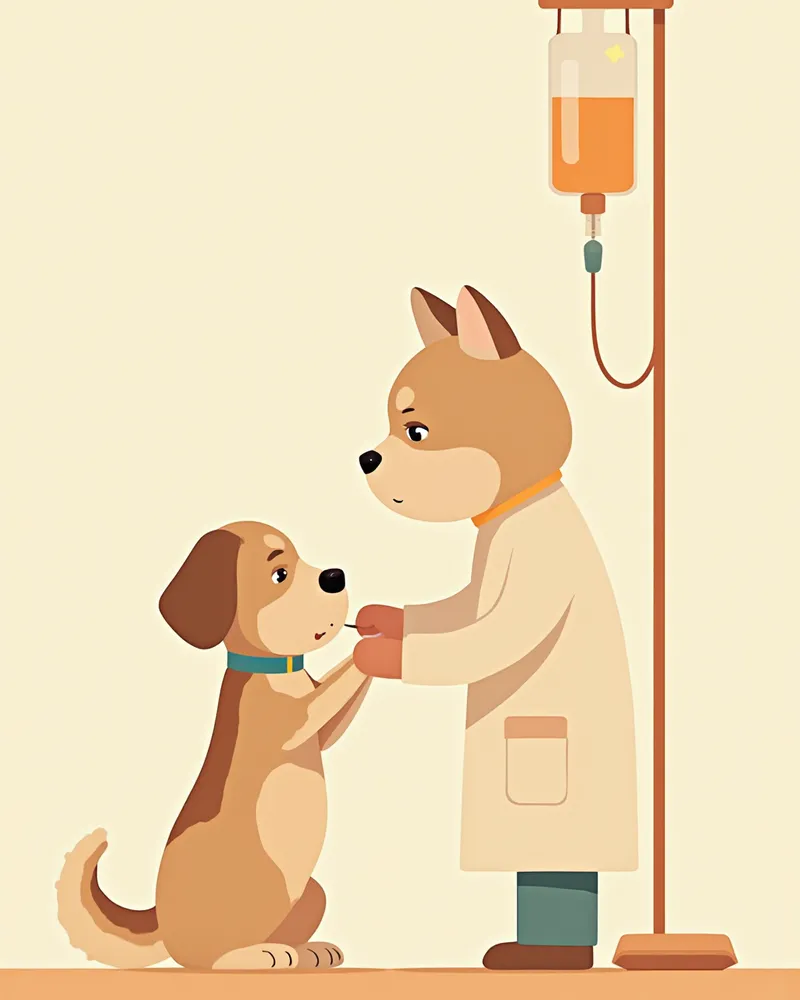
At the clinic, we first assess the risk based on when and how much was ingested, as well as your dog’s weight, and then proceed with treatment in this order: 1) If ingestion was recent, we induce vomiting and administer activated charcoal; 2) We use intravenous fluids to help flush out theobromine; 3) For rapid or irregular heartbeats, we administer cardiovascular medications; 4) For seizures, we give anticonvulsants. Hospitalization typically lasts 24 to 48 hours, and severe cases may require oxygen therapy and continuous ECG monitoring. The specific medications and dosages are determined by the veterinarian based on your dog’s individual condition.
A puppy receiving intravenous fluid therapy at the animal hospital

Reviewed by a veterinarian

Dr. Tony — Punnawat Phongkittirak

Dr. Tony — Punnawat Phongkittirak

Veterinarian

A veterinarian who majored in veterinary medicine at Khon Kaen University, Thailand, and completed the IVSA program at North Carolina State University in the United States. Drawing on clinical experience at animal hospitals, he works in the pet healthcare field and is dedicated to building a digital care environment that connects pet parents with veterinarians.

Frequently Asked Questions

Is white chocolate dangerous too?
White chocolate contains very little theobromine, so the risk of poisoning is quite low. However, its high fat and sugar content can trigger pancreatitis and vomiting. Be especially cautious with "sugar-free" white chocolate, as it may contain xylitol, which is even more dangerous. Always check the ingredient list, and if your pet has consumed any, consult your veterinarian right away.
Should I go to the vet even if my pet only ate a small amount?
The key factor isn't the amount of chocolate consumed, but rather the theobromine dose in milligrams per kilogram of body weight (mg/kg). If a small dog weighing 5 kg or less has eaten even a single piece of dark or baking chocolate, veterinary consultation is necessary. Even with milk chocolate, it's safer to call your vet for advice if you're unsure about the specific product or if some time has passed since ingestion.
If there are no symptoms, is it okay to just monitor the situation?
No, that’s not correct. Theobromine is absorbed and metabolized slowly, so symptoms often don’t appear until 4 to 6 hours after ingestion. Just because your pet seems fine now doesn’t mean they’re safe. If you’re certain they’ve ingested it, it’s best to contact your veterinarian for a risk assessment, even if no symptoms are present.
What about sugar-free chocolate?
It can be even more dangerous. Sugar-free products may contain xylitol, which is extremely toxic to dogs and can cause hypoglycemia and liver damage. If a product contains both theobromine and xylitol, the risk is doubled, and you should seek emergency veterinary care immediately.
Are chocolate cookies and other snacks just as dangerous?
Chocolate in cookies, cereal, and ice cream is dangerous in the same way. Although these products often contain less cocoa than dark chocolate and may therefore pose a lower risk, they can also contain other toxic ingredients such as xylitol or raisins. Please note the type, amount, and time of ingestion, and consult your veterinarian.

Share

Related Guides

References

[1] Blackwell's Five-Minute Veterinary Consult Clinical Companion, Small Animal Toxicology, 3rd Edition (2024), Chapter 71 — Chocolate and Caffeine

[2] The Dog Care Handbook: Things I Wish My Vet Had Told Me — Chocolate Toxicity Section

[3] Notes on Canine Internal Medicine, 4th Edition — Theobromine Poisoning

This information is based on veterinary literature and does not replace diagnosis or treatment. Please consult a veterinarian for specific health concerns.

Metapet Co., Ltd. | CEO: Park Sung-yong | Business Reg. No. 417-88-02562 | Seoul, South Korea | Customer Center

Dog Ate Chocolate: Symptoms by Time & Emergency Signs | Meongsiljang