Like
Share
멍실장
고양이가 토해요 — 헤어볼 케어 제품 추천

Cat Keeps Vomiting — How to Distinguish Between Hairball Care Products and Signs Requiring a Vet Visit

DigestiveSymptomsMeongsiljang Veterinary Advisory Board

The most common cause of vomiting in cats is hairballs. We’ve compiled a clear guide to help you distinguish between normal and emergency signs, compare hairball-formulas, pastes, and cat grass, and choose the right option based on ingredients.

Cat Vomiting: In Most Cases, Hairballs Are the Cause
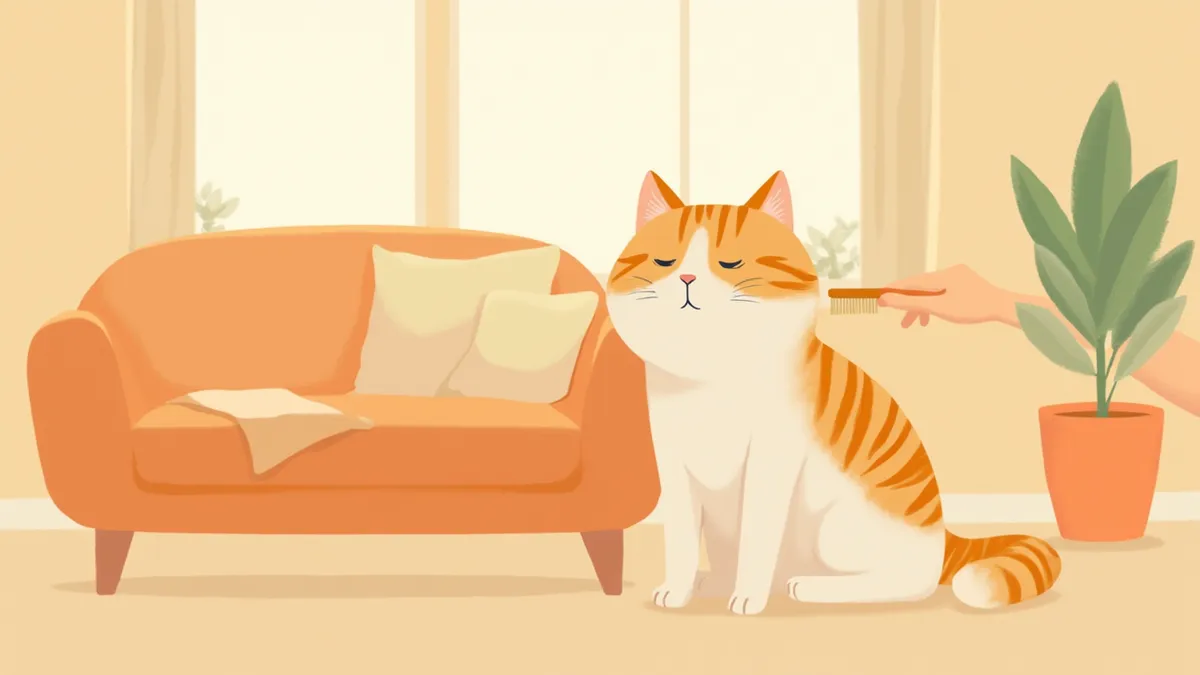
A guardian brushing their cat
Vomiting in cats is a symptom where the contents of the stomach are expelled through the mouth, and hairballs are one of the most common causes. Hairballs occur frequently in long-haired breeds, but most cats are "healthy vomiters" who occasionally vomit yet otherwise remain healthy, so it rarely leads to serious health issues. However, since there are many causes of vomiting besides hairballs, it is crucial to monitor both the frequency of vomiting and any accompanying symptoms. If vomiting becomes noticeably more frequent than usual or is accompanied by loss of appetite, lethargy, or weight loss, the cause may not be a simple hairball. If hairballs are the culprit, regular grooming along with laxatives containing liquid paraffin (petrolatum) or fiber supplements such as psyllium can help manage the symptoms.

Why Do Hairballs Form and Why Do Cats Vomit Them?

Cats spend a significant portion of their waking hours grooming by licking their fur, which inevitably leads them to swallow loose hair. Because cats have a unique pattern of gastrointestinal motility when fasting, swallowed hair often fails to pass smoothly from the stomach into the duodenum and tends to remain in the stomach. As this retained hair gradually clumps together, it forms a hairball. While hairballs are usually expelled naturally in the feces, they may be vomited if they remain in the stomach for an extended period and irritate the stomach lining. Hairballs are more common in long-haired breeds, and their frequency may increase during heavy shedding seasons. If the vomited material appears as a thin, elongated clump of hair, it is typically a normal hairball expulsion.

At-a-Glance Comparison of 3 Types of Hairball Care Products

ItemHairball FoodHairball PasteCat Grass
Main ActionFiber promotes stool passageLubricant makes it slipperyNatural stimulation induces expulsion
Recommended FrequencyDaily main diet2–3 times a weekFree feeding
Suitability for Short-haired BreedsSuitableSuitableSupplementary
Suitability for Long-haired BreedsRecommendedStrongly recommendedSupplementary
Approximate Monthly CostKRW 20,000–40,000KRW 10,000–20,000KRW 5,000–10,000
Burden on Senior CatsRisk of constipation with excess fiberLowLow

Based on average market prices as of April 2026; varies by product and volume.

Hairball Vomiting vs. Other Causes — Owner Checklist
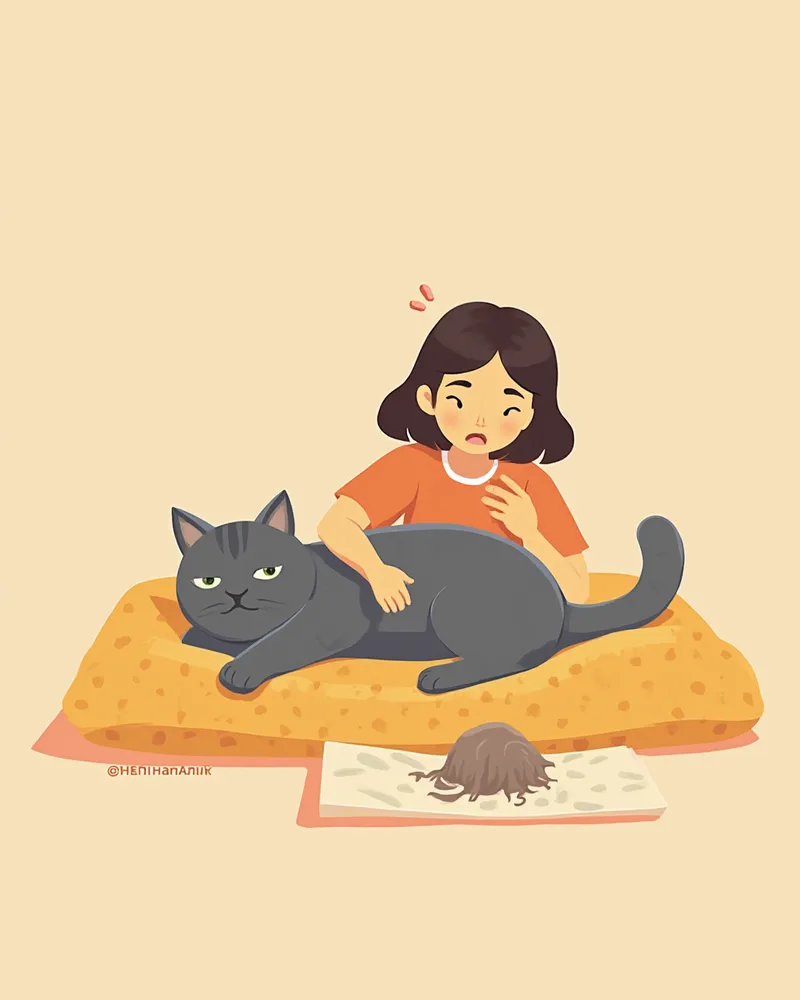
Here are the key signs to help you determine whether your pet is vomiting due to a hairball or another underlying issue. - Appearance of vomit: If it looks like a thin, elongated clump of hair, it’s likely a hairball. If you see only liquid or undigested food, suspect another cause. - Frequency: Occasional vomiting with otherwise normal health usually points to a hairball. However, if vomiting becomes noticeably more frequent than usual, a veterinary checkup is necessary. - Appetite: A normal appetite suggests a simple hairball. Loss of appetite or weight loss may indicate a gastrointestinal disorder. - Energy level: If your pet returns to normal behavior immediately after vomiting, that’s a good sign. Lethargy, weakness, or hiding are warning signs that require attention. - Stool condition: Finding hair in the stool means the hairball is being passed normally through the digestive tract.
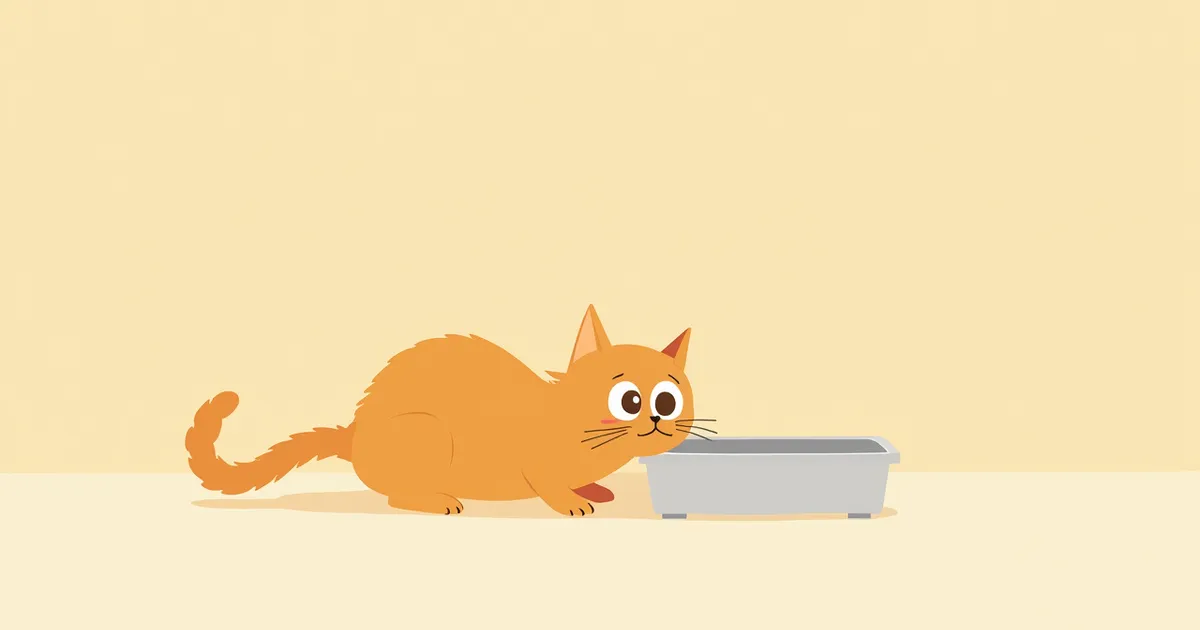
A pet owner examining their cat's vomit

Go to the Vet Immediately for This Type of Vomiting

If you notice any of the following signs, take your pet to a 24-hour emergency veterinary clinic immediately. These symptoms may indicate a life-threatening emergency such as intestinal obstruction, ingestion of a foreign object, or kidney failure, rather than a simple hairball. - Vomiting four or more times within 24 hours - Bright red blood or coffee-ground-like material in the vomit - Dry heaving or retching without producing anything for more than 30 minutes - A distended abdomen that is painful to the touch - Inability to drink water for more than 12 hours

4 Key Ingredients in Hairball Care Products

Safe

식이섬유(셀룰로오스)

헤어볼이 변으로 배출되도록 도움

Dosage: 사료 기준 8~10% 함량

미국사료관리협회(AAFCO) 권장 범위

Caution

유동 파라핀(미네랄 오일)

위·장에서 윤활제 역할로 헤어볼 배출

Dosage: 페이스트 기준 약 1cm/일

수의내과학 교과서 기재

Safe

맥아 추출물(몰트)

장 운동 촉진 및 기호성 향상

Dosage: 페이스트 0.5~1cm/일

Safe

오메가-3 지방산

피부·털 윤활로 빠지는 털 자체를 감소

Dosage: 체중 1kg당 30mg/일

수의영양학 교과서 기재

How to Choose the Right Product for Your Cat
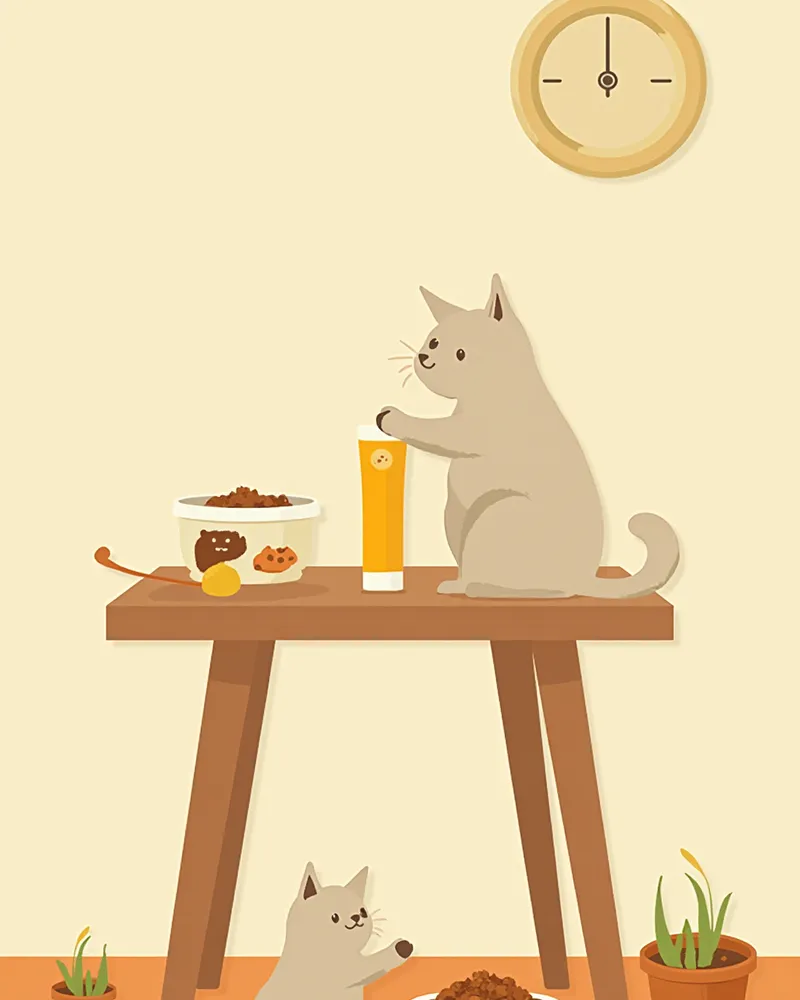
Choose the right approach based on your cat’s condition for best results. - Short-haired cats or occasional hairballs: Hairball control food alone is sufficient. - Long-haired cats or frequent hairballs: Combine hairball control food with paste, 2–3 times per week. - Long-haired cats during seasonal changes: Offer paste daily and allow free access to cat grass. - Senior cats: Paste places less strain on the stomach than high-fiber food. When using paste for the first time, start with a pea-sized amount to check for acceptance and stool consistency before gradually increasing the dose.
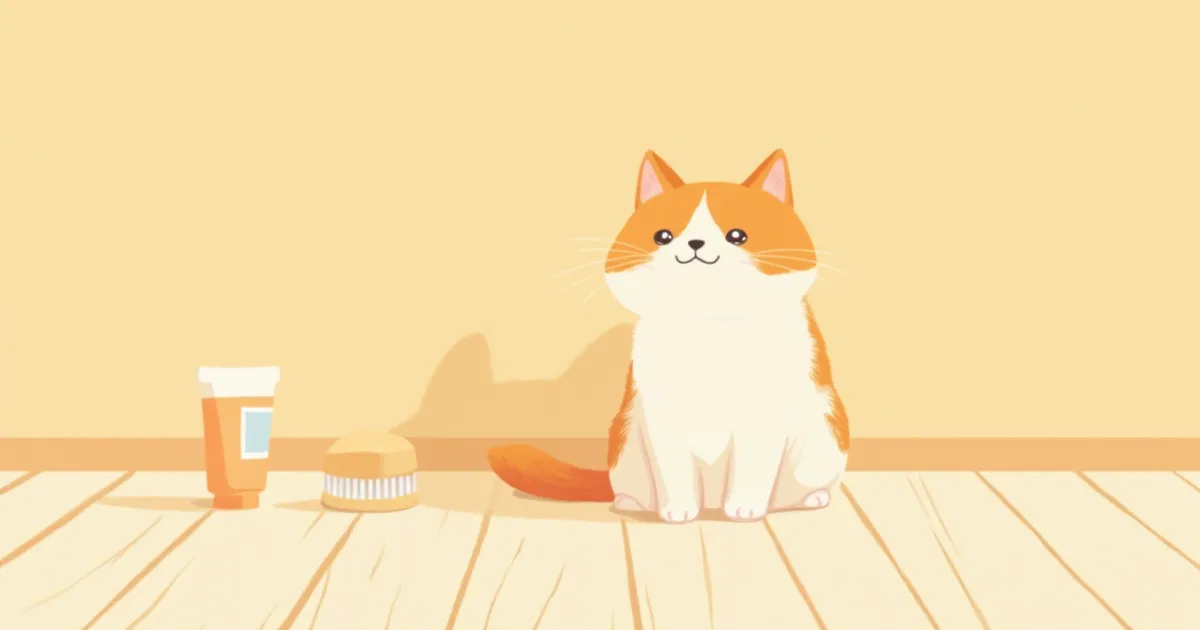
A display of hairball care food, paste, and cat grass.

Daily Care to Prioritize Over Products

Hairball care products work best when combined with regular grooming. Brushing out loose fur before it can be ingested reduces the amount of hair swallowed, thereby decreasing hairball formation. This is especially true for long-haired breeds, for which regular brushing and, when necessary, clipping are known to be beneficial. - Short-haired breeds: 2–3 times per week, gently with a rubber brush - Long-haired breeds: Once daily, using a two-step process with a slicker brush followed by a regular comb - Seasonal transitions: Daily brushing with focused removal of undercoat using a slicker brush Providing an automatic water fountain to encourage adequate water intake can also help. Consistent daily care, even if only for a short time, can help reduce the frequency of vomiting.

If There’s No Improvement After 3 Months, Suspect Other Causes

If your cat continues to vomit despite using hairball care products consistently for over a month, there may be an underlying cause. Chronic gastritis, inflammatory bowel disease, hyperthyroidism, and chronic kidney disease can all lead to vomiting. It’s best to visit a veterinary clinic for blood tests and an abdominal ultrasound to accurately identify the cause.

Points to Note When Using Food and Paste Together
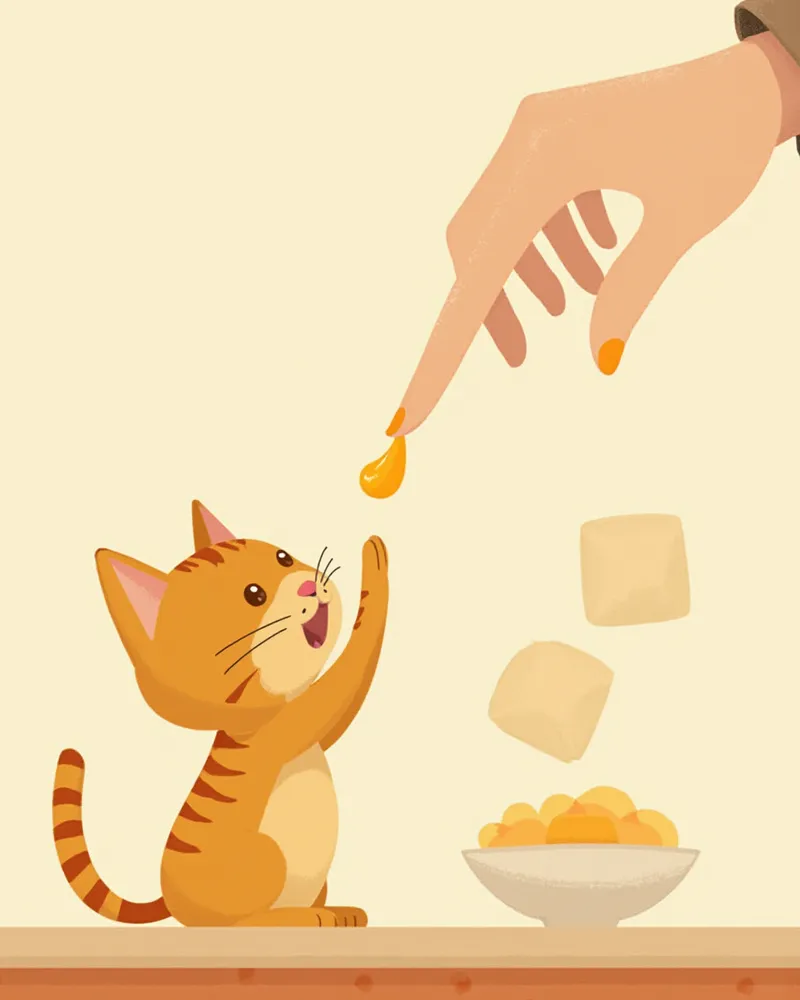
It’s common to feed hairball-control kibble as the main diet while also giving a hairball paste. However, too much dietary fiber can actually lead to constipation or reduced nutrient absorption. - Hairball kibble + paste: Limit the paste to 2–3 times per week. - Regular kibble + paste: You can give the paste daily, up to the recommended serving size. - Pastes containing liquid paraffin: Wait at least 2 hours before or after meals, as they can interfere with the absorption of fat-soluble vitamins. When switching to a new product, gradually mix it in over the course of a week.
The owner is feeding the cat hairball paste by hand.

Reviewed by a veterinarian

Dr. Tony — Punnawat Phongkittirak

Dr. Tony — Punnawat Phongkittirak

Veterinarian

A veterinarian who majored in veterinary medicine at Khon Kaen University, Thailand, and completed the IVSA program at North Carolina State University in the United States. Drawing on clinical experience at animal hospitals, he works in the pet healthcare field and is dedicated to building a digital care environment that connects pet parents with veterinarians.

Frequently Asked Questions

My cat won’t eat the hairball paste. Is it okay to force-feed it?
Forcing medication can cause stress and may actually lead to more vomiting. Instead, try gently applying a small amount to your pet’s fingers or front paws so they can lick it off naturally, or mix a small dose into their favorite treats or wet food. Since these products come in various flavors such as malt, tuna, and chicken, it’s best to choose one that matches your pet’s preferences.
Does cat grass really help with hairball elimination?
The rough leaves of cat grass can stimulate the stomach and induce vomiting. However, since the amount consumed varies from cat to cat, the effectiveness can differ significantly. While it can be a good supplementary aid, food and paste are more reliable for main care. If a cat eats too much cat grass, it may actually lead to increased vomiting.
Do kittens need hairball care products too?
Hairballs are uncommon in kittens under six months old because they groom less frequently. Start establishing a regular brushing routine after six months, and consider introducing a hairball-control diet once your cat reaches one year of age. We do not recommend giving strong hairball pastes too often to young cats.
Is it okay to give my pet food right after they vomit?
It’s best to let the stomach rest for about 1–2 hours. Giving food or medication right away can irritate the stomach and cause more vomiting. Offer small amounts of water frequently, and start meals at half the usual portion, gradually increasing as tolerated. If your pet vomits more than twice in one day, reduce the amount given that day and monitor their condition closely.
How can you tell the difference between a cat coughing up a hairball and dry heaving?
When a cat coughs up a hairball, it typically involves a few strong retching motions followed by the expulsion of a thin, elongated clump of fur. In contrast, dry heaving is characterized by the cat stretching its neck out and making gagging sounds without producing anything. If dry heaving persists for more than 30 minutes, it may indicate a foreign object lodged in the esophagus or stomach, requiring immediate veterinary attention.

Share

Related Guides

References

[1] Schaer M., Gaschen F., Clinical Medicine of the Dog and Cat, 4th Ed, Chapter on Vomiting and Gastrointestinal Disorders, 2017

[2] Little S., The Cat: Clinical Medicine and Management, Chapter on Gastrointestinal Diseases, 2012

[3] AAFCO, Official Publication: Cat Food Nutrient Profiles and Fiber Guidelines, 2023

This information is based on veterinary literature and does not replace diagnosis or treatment. Please consult a veterinarian for specific health concerns.

Metapet Co., Ltd. | CEO: Park Sung-yong | Business Reg. No. 417-88-02562 | Seoul, South Korea | Customer Center

Cat Keeps Vomiting — Hairball Care vs. Vet-Visit Signs | Meongsiljang