Like
Share
멍실장
고양이 침흘림 원인과 단계별 대처법, 병원 가야 할 신호 총정리

Causes of Drooling in Cats, Step-by-Step Management, and Signs Requiring a Vet Visit: A Complete Guide

Oral HealthSymptomsMeongsiljang Veterinary Advisory Board

We’ve outlined the causes of drooling in cats and how to assess its urgency. Learn how to handle each cause—such as stomatitis, toxin ingestion, and kidney failure—and what you should never do at home.

First, Assess the Condition of Your Cat’s Drooling

Urgency assessment for drooling in cats
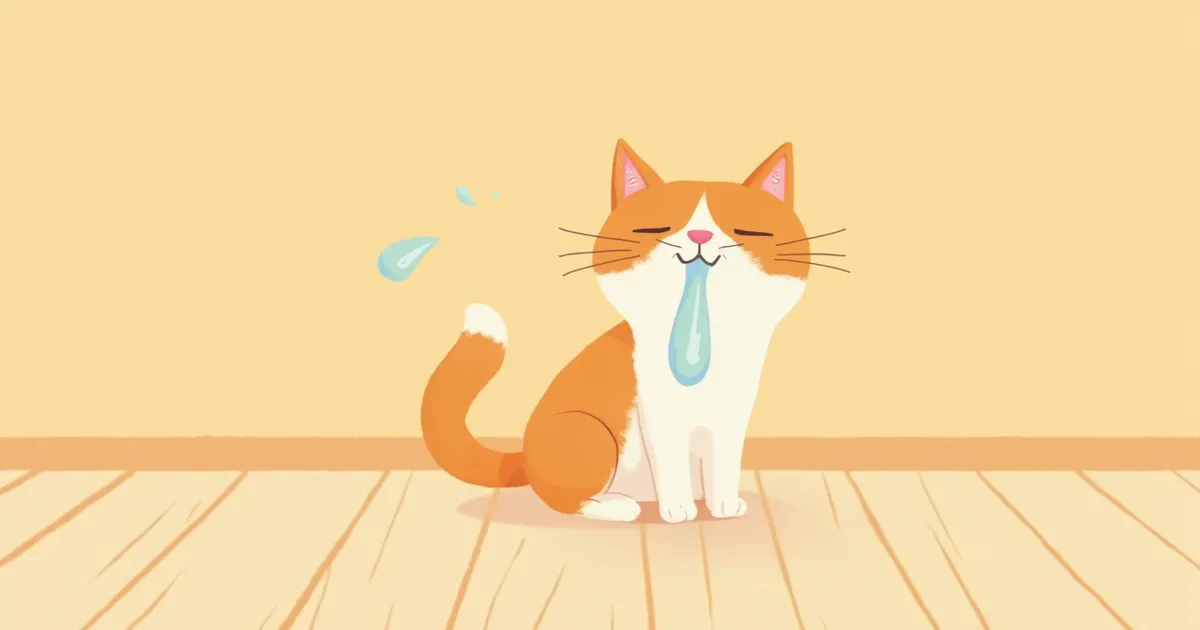
Excessive drooling in cats can stem from various causes, such as oral pain, digestive issues, or exposure to toxins, leading to overproduction of saliva or difficulty swallowing. The key factors to monitor are how frequently it occurs, the volume of saliva, and whether other symptoms are present. Occasional, minimal drooling may simply indicate stress or excitement. However, if drooling persists alongside a decreased appetite or nausea, it could signal an oral or systemic health issue. Assess the urgency based on the amount of saliva and how long the symptoms last.

Urgency Levels for Cat Drooling — Check This Table First

ItemMildModerateSevere
FrequencyOccasional (1–2 times a day)Frequent (several times a day)Continuous
Saliva conditionClear and in small amountsFoamy, moderate amountSticky and blood-tinged, large amount
Accompanying symptomsNone or normal appetiteBad breath, decreased appetiteNausea, coughing, lethargy
Behavioral changesSimilar to usualHiding, decreased groomingSharply reduced movement, convulsions
Recommended actionHome observation (24–48 hours)Visit the hospital within 48 hoursEmergency hospital immediately

If symptoms started suddenly or toxin ingestion is suspected, go to an emergency animal hospital immediately even if mild.

Checklist of Symptoms Accompanying Drooling

Bad breath (halitosis): This is a classic sign of periodontal disease or stomatitis. If you notice a foul, rotting odor that differs from the usual smell of food, it’s worth investigating. Decreased appetite: Pain in the mouth can make chewing difficult. If your pet sits down to eat but then walks away, it’s a sign that needs attention. Nausea or dry heaving: This could indicate gastrointestinal issues or exposure to toxins. Scratching the mouth with front paws or excessive licking: These behaviors signal discomfort or the presence of a foreign object. Lethargy or a sudden drop in activity levels: This may indicate that the condition has progressed to affect the entire body.
Checklist for abnormal oral symptoms in cats

Signs Requiring Immediate Emergency Veterinary Care

If your pet is drooling excessively and exhibiting any of the following symptoms, you should go to an emergency veterinary clinic immediately: 1) convulsions or seizures, 2) difficulty breathing or panting, 3) refusal to eat or drink for more than 24 hours, 4) pale or bluish gums or tongue, or 5) suspected ingestion of toxic plants or detergents. Cats are animals that tend to hide their symptoms, so by the time signs become apparent, the condition is often already quite advanced.

When Oral Disease Is the Cause — The Most Common Cause

One common cause of drooling in cats is oral disease. When there’s pain in the mouth, you may notice a decreased appetite, dropping food, chewing on only one side, or bad breath.
Periodontal disease (gum disease): This condition involves inflammation of the gums, characterized by redness and severe bad breath. Fortunately, consistent at-home oral care starting from kittenhood can help prevent or even reverse gum inflammation.
Stomatitis (oral mucosal inflammation): This condition causes widespread inflammation and tissue overgrowth throughout the oral mucosa. As it becomes chronic, the inflammation and pain worsen, making it difficult for the cat to swallow saliva properly, leading to drooling.
Foreign objects: Drooling may suddenly increase if items such as bone fragments, string, or yarn become lodged in the gums or tongue.
Forcing your cat’s mouth open at home can result in bites, and a thorough oral examination may require sedation, so it’s safest to have a veterinarian check it.

When Toxins or Systemic Diseases Are the Cause
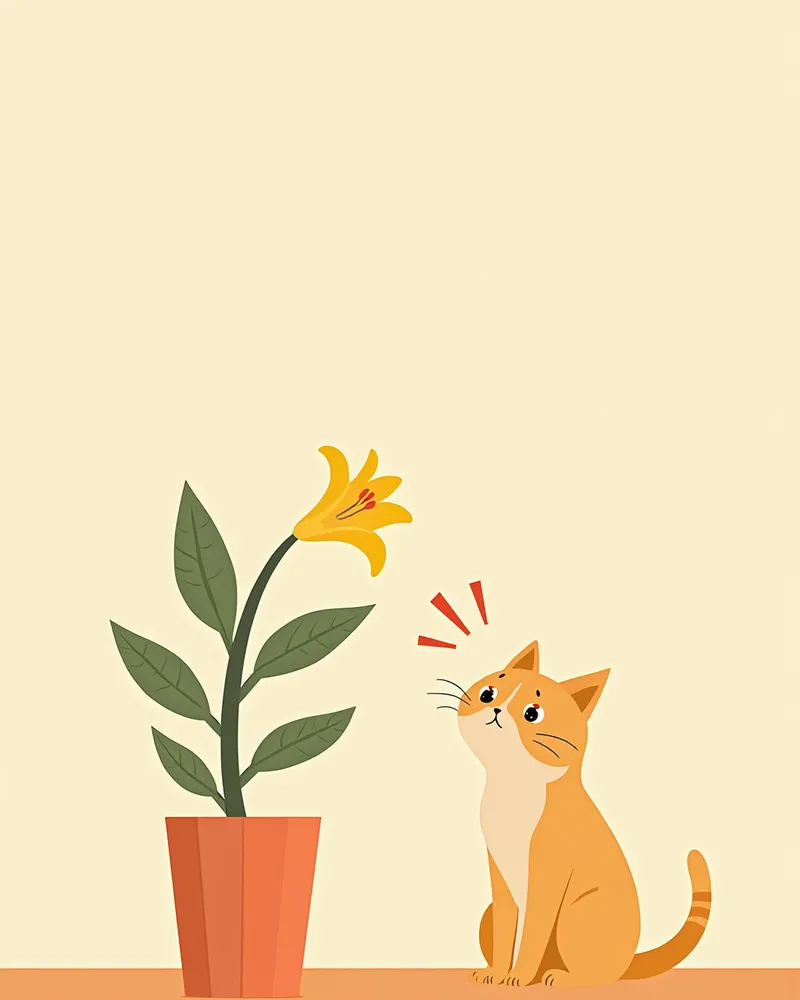
Toxin ingestion: Saliva production can increase suddenly if your pet licks toxic plants such as lilies, azaleas, aloe, or onions, or comes into contact with detergents or pesticides. Prompt treatment is essential in these cases.
Chronic kidney disease: When kidney function declines, uremic toxins accumulate, leading to oral ulcers and drooling.
Upper respiratory viruses: Infections with herpesvirus or calicivirus can cause ulcers in the mouth and on the tongue, accompanied by drooling.
Neurological or vestibular disorders: Drooling may also occur in cases of seizures or vestibular dysfunction.
The relationship between plants toxic to cats and drooling

What Examinations and Treatments Will Be Performed at the Clinic?

We start with an oral exam and, if needed, narrow down the cause with blood tests, X-rays, and urinalysis. - Oral disease → dental scaling, extractions, and antibiotic prescriptions - Stomatitis → steroids and immunosuppressants; full-mouth extractions in severe cases - Toxin ingestion → induced vomiting or activated charcoal administration at the clinic - Kidney failure → fluid therapy and dietary management Treatment varies significantly depending on the underlying cause, so self-diagnosing or giving human medications can be dangerous. Always consult a veterinarian for a proper diagnosis first.

Things You Should Never Do at Home

Giving your cat human medications like Tylenol (acetaminophen) or ibuprofen can lead to liver failure, acute kidney failure, and even death. Attempting to remove a foreign object yourself often pushes it deeper. If you notice excessive drooling, identify the underlying cause first, and always follow your veterinarian’s instructions for treatment.

How to Prevent Drooling with Regular Oral Care
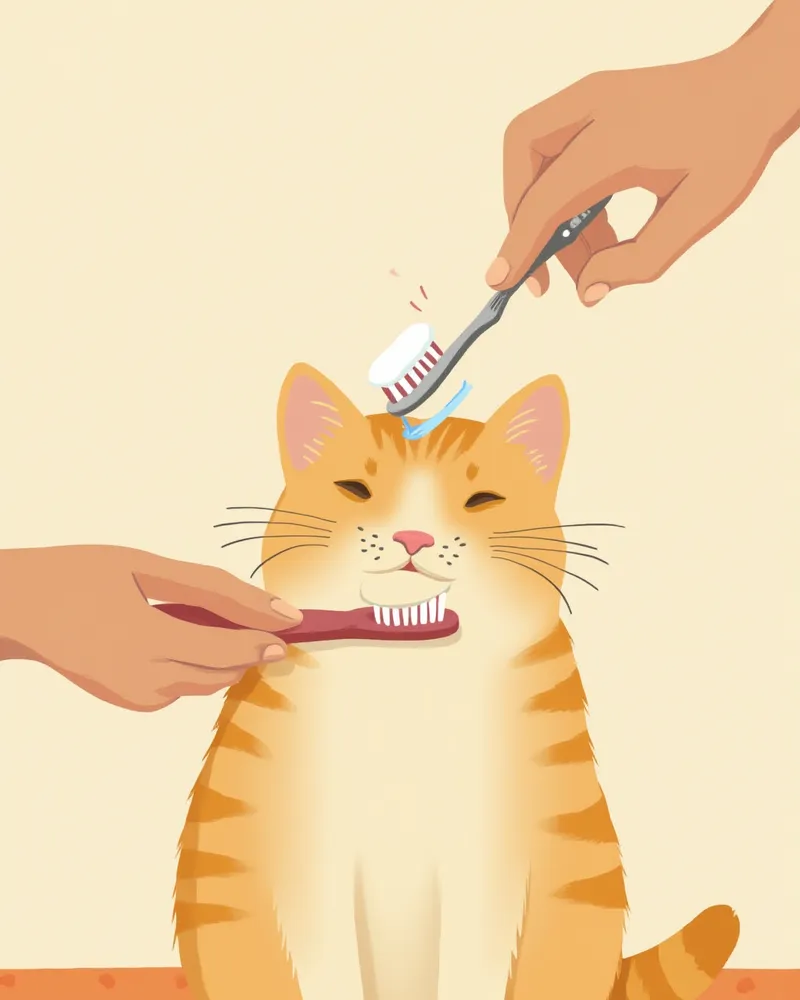
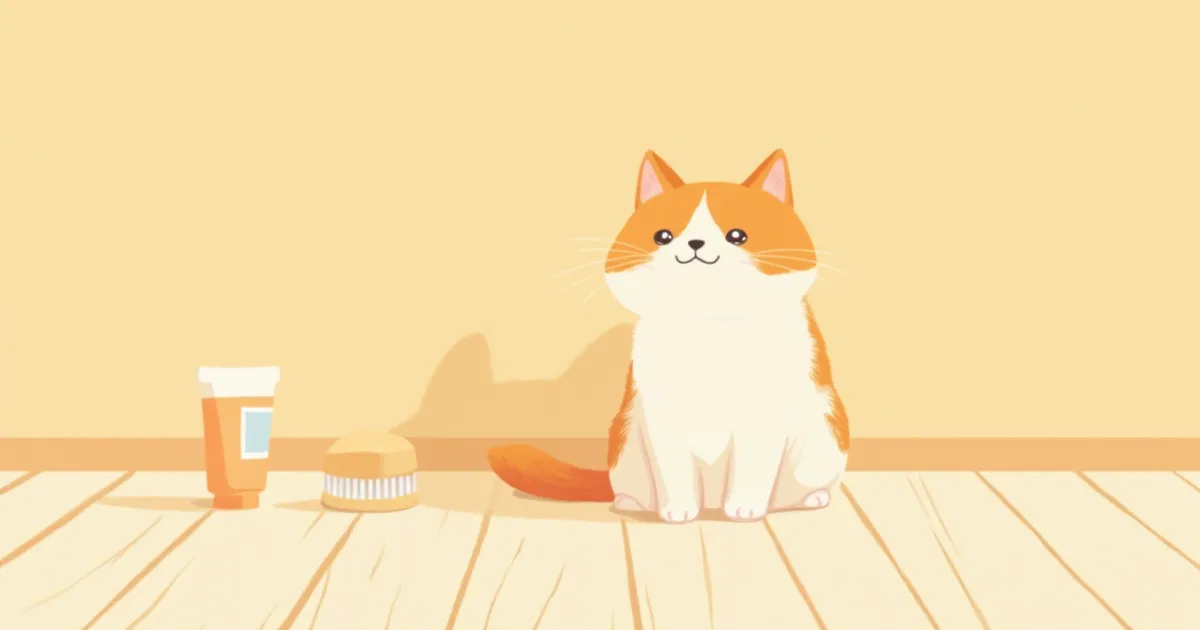
Establishing a brushing routine: Gradually acclimating your cat to tooth brushing from a young age can significantly reduce the risk of periodontal disease. Always use toothpaste formulated specifically for cats, as human toothpaste is toxic to them.
Regular oral examinations: Scheduling at least one dental checkup per year enables early detection of issues.
Removing toxic plants: For safety, completely remove lilies, azaleas, and other toxic plants from your home.
Documenting changes: If your cat suddenly begins drooling, keep a record of what they ate and any environmental changes, as this information will be very helpful during the veterinary visit.
How to Maintain Your Cat’s Oral Health Through Brushing

Reviewed by a veterinarian

Dr. Tony — Punnawat Phongkittirak

Dr. Tony — Punnawat Phongkittirak

Veterinarian

A veterinarian who majored in veterinary medicine at Khon Kaen University, Thailand, and completed the IVSA program at North Carolina State University in the United States. Drawing on clinical experience at animal hospitals, he works in the pet healthcare field and is dedicated to building a digital care environment that connects pet parents with veterinarians.

Frequently Asked Questions About Drooling in Cats

Do cats drool when they’re feeling happy?
That’s right. Some cats drool a little when they’re being cuddled or purring. If the amount is small and there are no other symptoms, there’s no need to worry too much.
My pet suddenly started drooling. When should I go to the vet?
If it started suddenly and the amount is large, it’s safest to visit a vet within 24 hours. If you suspect your pet has ingested a toxin, head to an emergency animal hospital right away.
My pet is drooling and not eating. Why is this happening?
It’s highly likely that pain in the mouth is the cause. Severe periodontal disease or stomatitis can make chewing itself painful, leading to food refusal. Prompt veterinary evaluation is necessary.
Can stomatitis be cured?
Mild cases can be managed with proper care. In severe cases, symptoms often improve significantly after full tooth extraction. The goal is to enhance quality of life rather than achieve a complete cure.
Is drooling more dangerous in older cats?
That’s right. For senior cats, we should also consider the possibility of kidney failure or tumors. If your cat is seven years or older, it’s best to have them checked promptly.

Share

Related Guides

References

[1] Ettinger SJ, Feldman EC, Côté E. Textbook of Veterinary Internal Medicine, 8th Edition. Elsevier Saunders, 2017.

[2] Little SE. The Cat: Clinical Medicine and Management, 2nd Edition. Elsevier, 2022.

[3] Reiter AM, Gracis M. BSAVA Manual of Canine and Feline Dentistry and Oral Surgery, 4th Edition. BSAVA, 2018.

This information is based on veterinary literature and does not replace diagnosis or treatment. Please consult a veterinarian for specific health concerns.

Metapet Co., Ltd. | CEO: Park Sung-yong | Business Reg. No. 417-88-02562 | Seoul, South Korea | Customer Center

Drooling in Cats: Causes, Care & Emergency Signs | Meongsiljang