Like
Share
멍실장
고양이 몸떨림 원인과 단계별 대처법, 병원 가야 할 신호 총정리

My Cat Is Trembling — Causes and Emergency Signs That Mean It’s Time to Go to the Vet

Brain & CognitionSymptomsMeongsiljang Veterinary Advisory Board

The causes of trembling in cats range from cold and fear to epilepsy, poisoning, and kidney failure. We’ve outlined the urgency levels and the warning signs that mean it’s time to rush to an emergency vet.

Cat Tremors: Causes and Urgency Levels at a Glance

A cat that is trembling
Feline tremors occur when muscles involuntarily and repeatedly contract, causing part or all of the body to shake. The causes range widely from temporary factors like cold or fear to conditions requiring immediate treatment, such as epilepsy, poisoning, or hypoglycemia. What truly matters is observing when the tremors started, which body parts are affected, and how frequently they occur. Identifying these three factors allows for a quick assessment of whether the situation is an emergency.

Urgency Assessment Table by Tremor Stage

StageCharacteristicsRecommended Action
MildOccurs only temporarily in cold or stressful situations; stops once the trigger is removedRemove the cause and observe for 30 minutes
ModeratePersists even at rest, accompanied by decreased appetite and lethargyVisit a veterinary clinic within 24 hours
SevereContinuous, accompanied by seizures, altered consciousness, or abnormal breathingSeek immediate emergency veterinary care
Even if symptoms appear mild, if they last longer than 24 hours, they should be considered moderate or more severe.

Accompanying Symptoms That Must Be Checked

Tonic-clonic seizures: The body twists and tremors won’t stop—this is the most dangerous sign.
Intention tremors: Trembling that occurs only when trying to move—suggests cerebellar dysfunction.
Falling to one side or staggering: A sign of vestibular disease or brain abnormalities.
Unequal pupil sizes: Indicates possible nervous system damage.
Drooling or foaming at the mouth: Common in cases of poisoning or epileptic seizures.
Sudden vision loss: Associated with hypertensive nerve damage.
Cats showing signs of neurological abnormalities

Go to an Emergency Vet Immediately — Do Not Wait for These Signs

If a seizure lasts longer than five minutes or recurs two or more times within 10 to 20 minutes, seek emergency veterinary care immediately. Loss of consciousness, unresponsive pupils, bluish gums, or irregular breathing indicate a life-threatening emergency. During transport, place your cat in a dark box to minimize stimulation.

Neurological Causes — Abnormal Signals from the Brain

Epilepsy (seizure disorder) is one of the primary neurological causes of tremors in cats. It occurs when abnormal electrical discharges in the brain trigger repeated seizures and shaking. Although inflammatory diseases of the brain and meninges, such as granulomatous meningoencephalitis, are relatively rare in cats, they can present with poorly controlled, recurrent seizures as a main symptom. Vestibular disease arises from abnormalities in the inner ear or brainstem, which control balance, and manifests as ataxia (staggering), head tilt, and nystagmus (involuntary eye movements). Because treatment strategies vary significantly depending on the underlying cause, diagnostic tests such as brain MRI or cerebrospinal fluid analysis may be necessary.

Systemic Disease Causes — When the Body’s Condition Affects the Brain
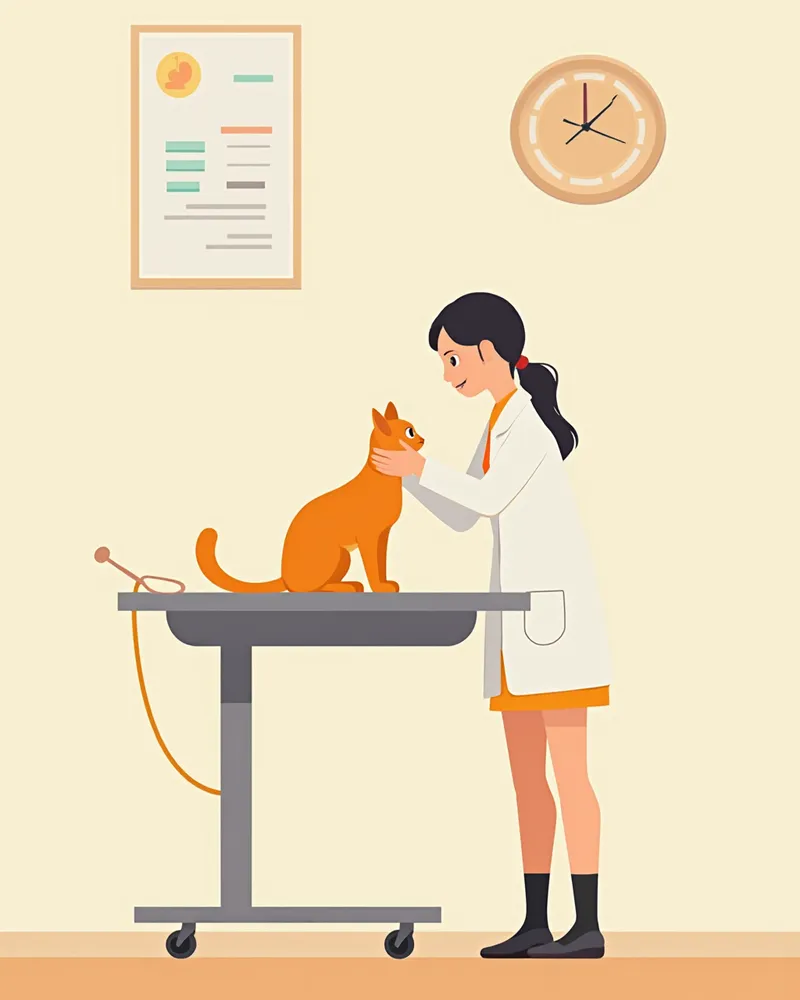
Hypoglycemia: This can occur in cats that haven’t eaten for a long time or are undergoing diabetes treatment. When blood sugar drops, neurological symptoms such as weakness, staggering (ataxia), and tremors may appear.
Toxicity: Cats are particularly sensitive to concentrated pyrethroid insecticides like permethrin, which can cause severe tremors and seizures due to neurotoxicity. Common household toxins such as lilies, onions, and xylitol are also highly dangerous, but because they affect different systems—kidneys, red blood cells, and metabolism, respectively—their symptoms can vary. If exposure is suspected, seek veterinary care immediately.
Kidney failure and uremia: When waste products (toxins) accumulate in the body, they can affect the nervous system, leading to muscle tremors and convulsions.
Hypothermia: When body temperature falls below the normal range, muscles begin to shiver as the body attempts to generate heat.
A veterinarian examining a cat.

Diagnosis and Treatment Process at the Veterinary Clinic

After a physical exam, the vet will first run blood tests to check for abnormalities in blood sugar, kidney function, and electrolytes. If needed, brain MRI or CT scans will be used to look for structural issues in the nervous system, and a cerebrospinal fluid test will help determine whether meningitis or inflammation is present. Treatment depends on the underlying cause. For epilepsy, long-term anticonvulsant medication is required, while poisoning cases need detoxification therapy and intensive inpatient care. Hypoglycemia can be quickly corrected with intravenous glucose fluids.

Breed-Specific Precautions

Certain breeds are genetically predisposed to neuromuscular disorders. Siamese cats are the breed most commonly reported with myasthenia gravis, while Abyssinian cats are also known to be relatively susceptible to acquired myasthenia gravis. These neuromuscular conditions can lead to symptoms such as muscle weakness, tremors, and cervical ventroflexion, where the head is held low. Regardless of breed, senior cats aged 10 years and older may exhibit tremors, vision loss, or behavioral changes due to intracranial diseases such as brain tumors or hypertensive encephalopathy, making regular check-ups and blood pressure management especially important.

Safety Management and Observation Tips at Home
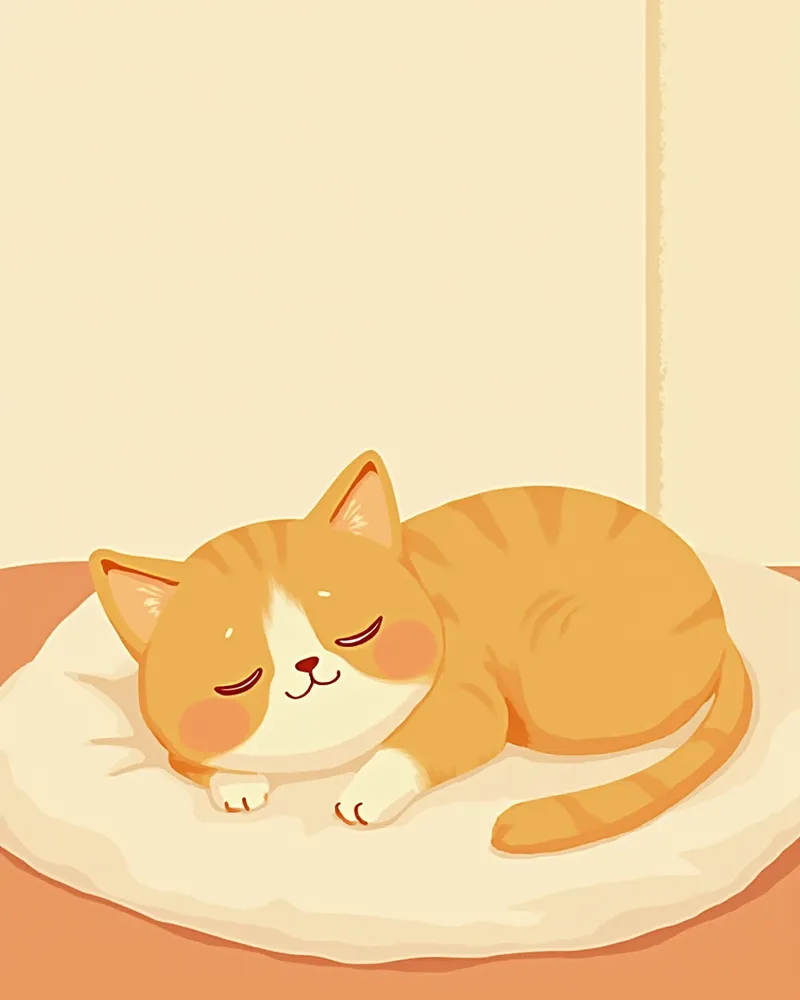
If your cat starts trembling, move them to a quiet, dimly lit area to minimize stimulation. During a seizure, never put your hands near their mouth, and clear away nearby furniture to prevent injury. Note the start time, duration, and affected body parts, or record a video—this information will be very helpful during the veterinary visit. If your cat is on anticonvulsant medication, do not stop it abruptly; always consult your veterinarian first.
A cat resting in a quiet and safe space

Reviewed by a veterinarian

Dr. Tony — Punnawat Phongkittirak

Dr. Tony — Punnawat Phongkittirak

Veterinarian

A veterinarian who majored in veterinary medicine at Khon Kaen University, Thailand, and completed the IVSA program at North Carolina State University in the United States. Drawing on clinical experience at animal hospitals, he works in the pet healthcare field and is dedicated to building a digital care environment that connects pet parents with veterinarians.

Frequently Asked Questions

My cat twitches while sleeping. Could it be a seizure?
Tremors during sleep are usually a normal response during REM sleep. If your pet stops trembling immediately upon waking and behaves normally, there’s no need to worry. However, if the trembling continues after waking or your pet appears unresponsive, it could be a post-seizure state, and you should seek veterinary care immediately.
How can you tell if your pet is shivering from the cold?
Shivering caused by the cold should stop within 5 to 10 minutes once your pet is warmed up. However, if the shivering persists even in a warm environment, or if your pet also shows a loss of appetite and lethargy, it may be due to another underlying issue, so it’s best to visit the clinic.
My cat is lethargic after vaccination. Is this normal?
Mild shivering or a low-grade fever within 24 hours after vaccination can be a normal immune response, and most pets recover within a day. However, if symptoms persist for more than 48 hours or are accompanied by vomiting or difficulty breathing, it may indicate an allergic reaction, so please contact your veterinarian immediately.
Can I give my cat human medication for tremors?
Absolutely not. Human pain relievers and anticonvulsants can cause severe toxicity in cats. Acetaminophen (Tylenol) is particularly dangerous, as even a small amount can be fatal. Always use only medications prescribed by your veterinarian.
My pet’s tremors keep coming back. How can I manage them?
For chronic neurological conditions such as epilepsy, it is essential to administer anticonvulsant medication consistently and maintain a seizure diary. A sudden increase in seizure frequency or another seizure occurring within three hours of medication administration signals the need for dosage adjustment. Regular blood tests to monitor drug levels are also important.

Share

Related Guides

References

[1] Norsworthy GD et al., The Cat: Clinical Medicine and Management, 2nd Edition, Elsevier Saunders, 2011

[2] Silverstein DC, Hopper K (eds.), Feline Emergency and Critical Care Medicine, 2nd Ed, Wiley Blackwell, 2015

[3] Platt SR, Olby NJ (eds.), BSAVA Manual of Canine and Feline Neurology, 4th Ed, BSAVA, 2013

This information is based on veterinary literature and does not replace diagnosis or treatment. Please consult a veterinarian for specific health concerns.

Metapet Co., Ltd. | CEO: Park Sung-yong | Business Reg. No. 417-88-02562 | Seoul, South Korea | Customer Center

My Cat Is Trembling: Causes & Emergency Signs to See a Vet | Meongsiljang