Like
Share
멍실장
강아지 고양이 호흡곤란 응급 단계별 대처

If Your Dog or Cat Is Having Trouble Breathing — Stage-by-Stage Warning Signs of Respiratory Distress and How to Respond

RespiratorySymptomsMeongsiljang Veterinary Advisory Board

The urgency of respiratory distress in dogs and cats varies depending on the stage. We’ve organized the symptoms, criteria for emergency transport, and initial home care steps by stage.

What Is a Respiratory Distress Emergency?

A pet owner watching their dog breathe heavily
Respiratory distress is a medical emergency in dogs and cats, occurring when they cannot breathe in oxygen normally, leading to whole-body hypoxia. This is a race against time. If your pet is panting with an open mouth, has blue-tinged tongue or gums, or is breathing with its neck extended while sitting, you must seek immediate veterinary care. Even being held can worsen their condition, so avoid unnecessary stimulation. Instead, gently place them on a towel and transfer them to a carrier for safe transport.

Assessing Urgency Across the 4 Stages of Respiratory Distress

ItemStage 1 (Mild)Stage 2 (Moderate)Stage 3 (Severe)Stage 4 (Most Urgent)
Breathing PatternMild pantingPersistent rapid breathingOpen-mouth breathingUnable to stand / decreased consciousness
Tongue / Gum ColorPinkPale pinkPale to grayBlue (cyanosis)
PostureNormalAvoiding lying downSitting with neck extendedCollapsed on its side
ResponseExamination within 24 hoursSame-day examinationImmediate emergency roomImmediate emergency room + oxygen during transport

Stage 2 and above absolutely require an in-person examination.

Critical Warning Signs to Check

Certain signs serve as clear indicators that it’s time to head to the vet immediately.
Cyanosis: If your pet’s tongue or gums turn blue or purple, it indicates a lack of oxygen.
Orthopnea: If your pet sits with its neck stretched out and elbows splayed, it signals serious issues in the lungs or chest cavity, making normal breathing difficult.
Rapid breathing: Noticeably fast, shallow, or short breaths, even when at rest, are warning signs.
Abdominal breathing: If your pet’s belly rises and falls like a balloon, it indicates increased strain on the diaphragm.
Snoring or wheezing: Unusual airway sounds (such as stridor) may suggest upper airway obstruction.
A pet owner’s hand checking their dog’s gum color

Go to the Emergency Room Immediately If You See These Signs

If your pet’s tongue or gums turn blue, their entire abdomen heaves with each breath, or they sit with their neck extended, mouth open, and drooling, this is a critical emergency. Transport them with minimal stimulation, keeping the carrier door open, and ensure good ventilation by cracking a car window during transit. Do not force food or water, nor apply pressure to the chest. Call the clinic ahead of time so they can prepare an oxygen chamber for immediate treatment upon arrival.

Main Causes of Respiratory Distress

The causes fall into four main categories. Upper airway obstruction is typically seen in brachycephalic airway syndrome, laryngeal paralysis, or foreign body aspiration. Lower airway disease involves bronchospasm and inflammation, such as in bronchitis or feline asthma. Parenchymal lung disease includes pneumonia, pulmonary edema, and pulmonary contusion. Thoracic cavity disease refers to conditions like pneumothorax, pleural effusion, or diaphragmatic hernia, which physically restrict the space available for lung expansion. Emergency initial treatments—such as oxygen therapy, thoracocentesis, or endotracheal intubation—vary depending on the underlying cause.

Step-by-Step Treatment in the Emergency Room

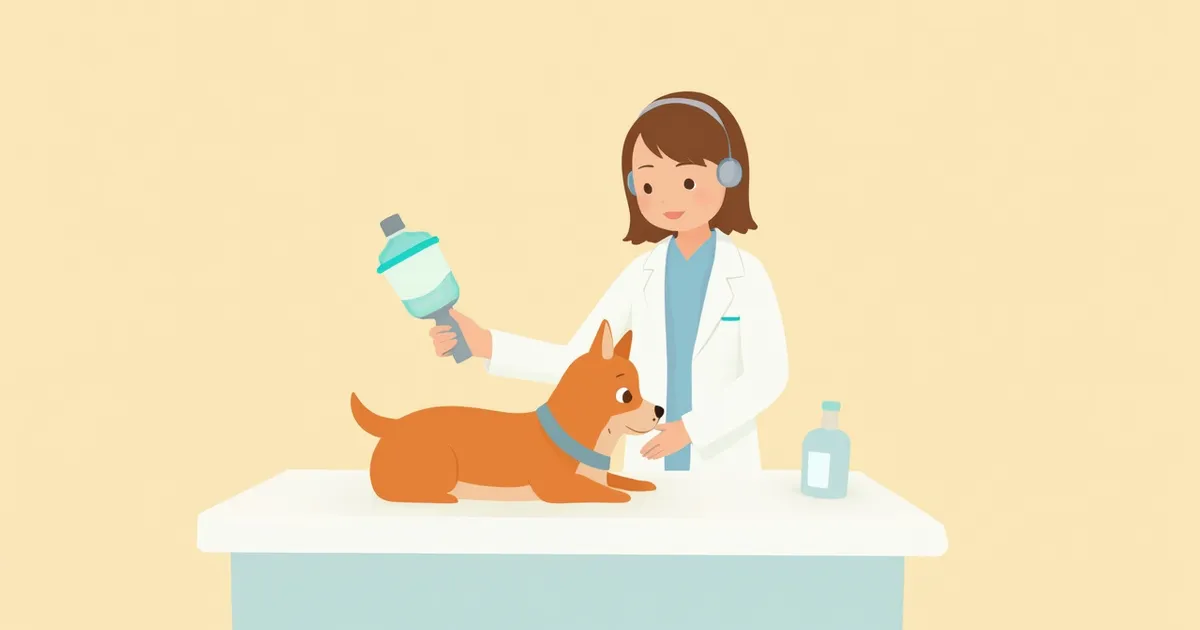
In the emergency room, we first stabilize the patient in an oxygen booth to minimize stress. Oxygen therapy alone often reduces the respiratory rate, after which we identify the underlying cause through auscultation, temperature measurement, ultrasound, and X-rays in that order. Treatment depends on the diagnosis: diuretics for pulmonary edema, bronchodilators and steroids for asthma, and thoracentesis to remove air or fluid in cases of pleural effusion or pneumothorax. For severe cases, we progressively escalate care to high-flow nasal cannula oxygen therapy or endotracheal intubation with mechanical ventilation.
A cat waiting to stabilize in an oxygen booth

What You Can Do at Home Before Transport

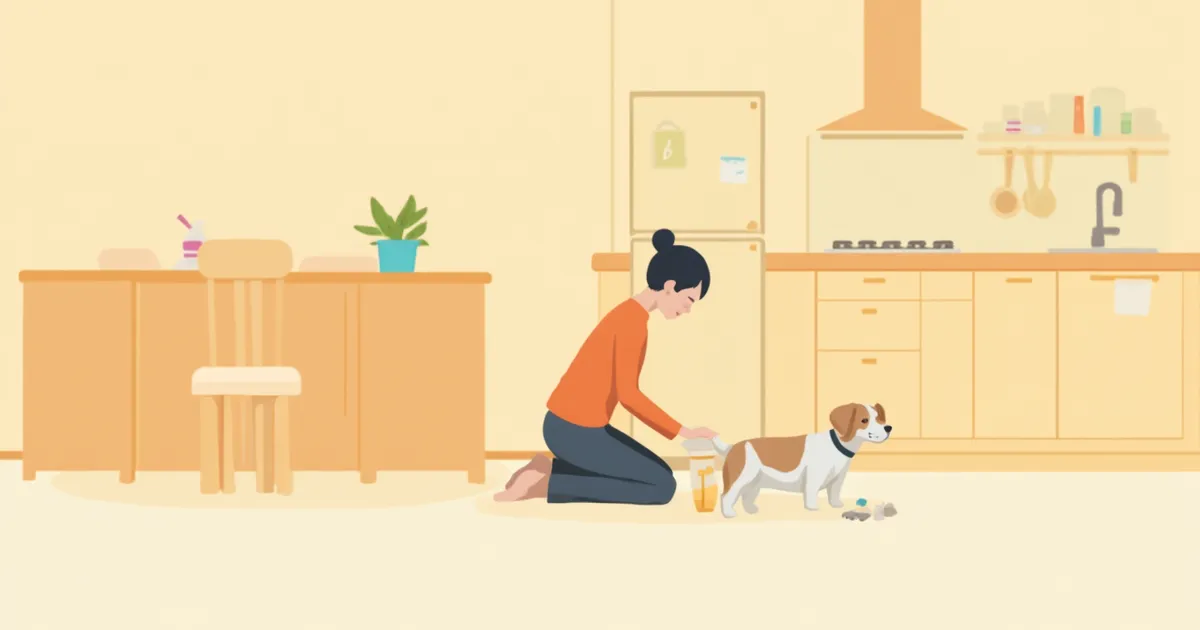
The single most important goal at home is to prevent the condition from worsening.
Minimize stimulation: Avoid calling your pet or forcing them to stand up.
Temperature control: Keep the environment at a comfortable temperature—use air conditioning in summer and maintain adequate warmth in winter.
Maintain posture: Move your pet only while keeping them in the position they find most comfortable.
Prepare the carrier: Line the carrier with a towel to reduce vibration, and opt for a top-entry carrier for easier access.
Head to the clinic immediately: Do not let your guard down even if your pet appears to be improving; proceed directly to an in-person veterinary examination.
Attempt CPR or artificial respiration only if your pet’s heart and breathing have completely stopped.

For Cats and Brachycephalic Breeds, Seek Emergency Care Even for Slight Abnormalities

Cats have a tendency to hide respiratory distress until it becomes severe, so by the time owners notice, the condition is often critical. A cat breathing with its mouth open is always an emergency. Brachycephalic breeds (French Bulldogs, Pugs, Pekingese, Persians) are prone to rapid deterioration in hot weather or during excitement due to their airway structure. If you notice louder-than-usual breathing sounds or pale gums, visit the vet immediately on the same day.

Points for Preventing Recurrence and Daily Management

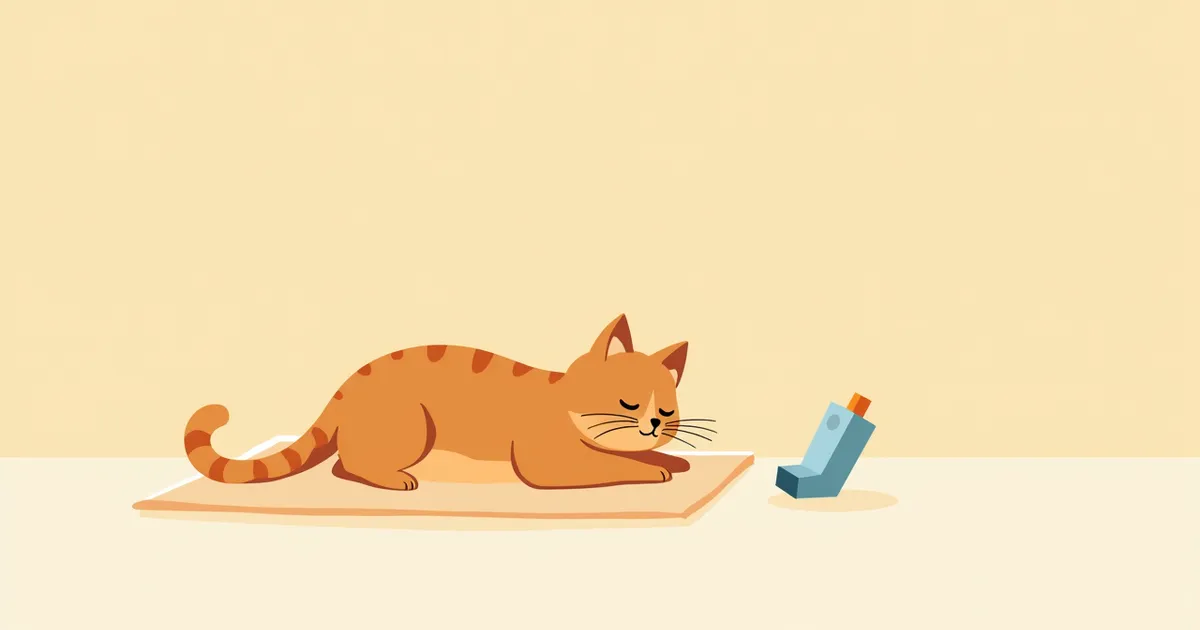
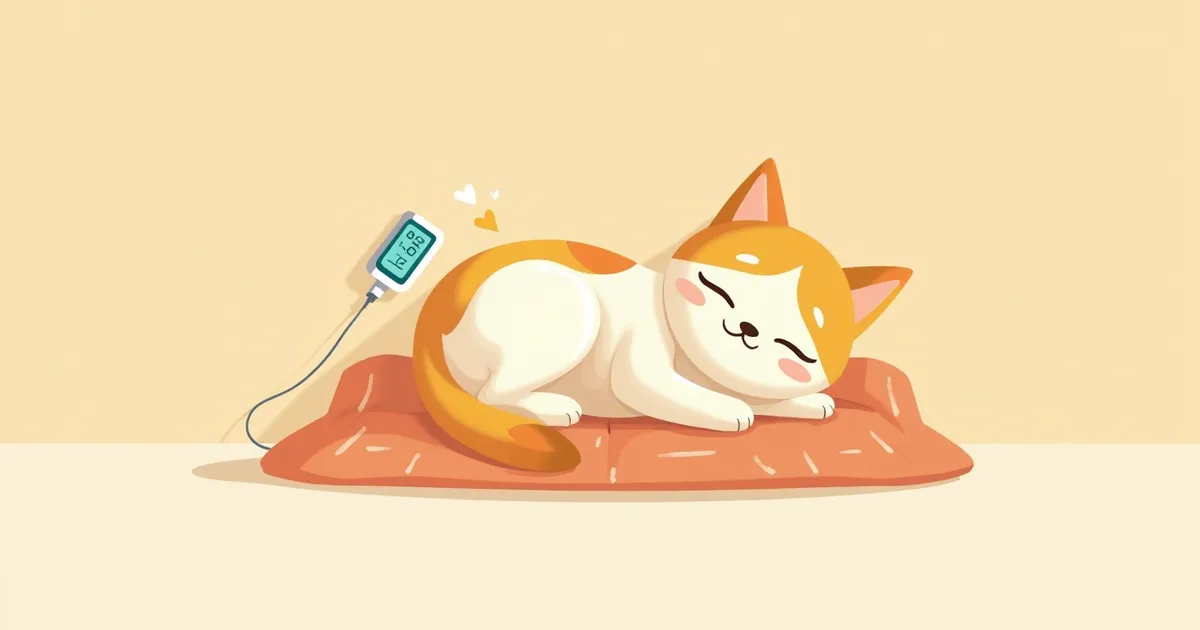
Once a pet has experienced an episode of acute respiratory distress, the same problem can recur, so everyday management is crucial. Regularly measuring and recording the resting or sleeping respiratory rate helps you quickly spot worsening signs that deviate from the normal baseline. For pets with heart disease, it’s important to administer prescribed medications consistently without missing doses, and weight management is a key preventive measure for overweight pets. Brachycephalic breeds should avoid walks during the hottest part of the day in summer, while cats should be kept away from irritants such as dust, perfumes, and cigarette smoke as much as possible. If you’re concerned about related symptoms, check out our Guide to Causes of Dog Cough as well.
Dogs and cats resting comfortably at home

Reviewed by a veterinarian

Dr. Tony — Punnawat Phongkittirak

Dr. Tony — Punnawat Phongkittirak

Veterinarian

A veterinarian who majored in veterinary medicine at Khon Kaen University, Thailand, and completed the IVSA program at North Carolina State University in the United States. Drawing on clinical experience at animal hospitals, he works in the pet healthcare field and is dedicated to building a digital care environment that connects pet parents with veterinarians.

Frequently Asked Questions

Is rapid breathing a sign of an emergency, or just simple excitement?
Rapid breathing after excitement or activity should gradually return to normal once your pet rests in a calm environment. However, if the fast breathing persists after rest, or if the color of the tongue or gums changes, it is an emergency sign.
I have an oxygen canister at home. Can I use it right away?
It’s fine to hold the mask close to your pet’s face and let the mist flow gently. Forcing a tight fit can actually cause stress and worsen their condition.
What can I do for my pet during the 30-minute drive?
Keep the window slightly open to ensure proper ventilation, and avoid placing your pet on your lap or shaking them. Secure the carrier on the passenger seat floor to minimize vibrations.
My cat is breathing with its mouth open. Is it okay since this usually happens right after playing?
Mouth breathing in cats is almost always abnormal. Cats have a tendency to hide respiratory distress until it becomes severe, so by the time symptoms are visible, the condition has often worsened significantly. Even if the mouth breathing occurs right after play, it’s safest to minimize stimulation immediately and move the cat to a calm environment. If the cat doesn’t fully recover within a few minutes, take them to an emergency clinic right away.
If similar symptoms reappear after being discharged from the emergency room, what should you do?
Conditions often deteriorate more rapidly than during the initial emergency. Don’t wait—return to the clinic where your pet was previously treated right away.

Share

Related Guides

References

[1] King LG, Textbook of Respiratory Disease in Dogs and Cats, Saunders, 2004

[2] Creedon JM & Davis H, Advanced Monitoring and Procedures for Small Animal Emergency and Critical Care, 2nd Ed, Wiley-Blackwell, 2023

[3] Silverstein DC & Hopper K, Small Animal Critical Care Medicine, 2nd Ed, Elsevier, 2015

This information is based on veterinary literature and does not replace diagnosis or treatment. Please consult a veterinarian for specific health concerns.

Metapet Co., Ltd. | CEO: Park Sung-yong | Business Reg. No. 417-88-02562 | Seoul, South Korea | Customer Center

Respiratory Distress in Dogs & Cats: Warning Signs by Stage | Meongsiljang