Like
Share
멍실장
노견 식욕부진 원인과 대처

Causes and Management of Loss of Appetite in Senior Dogs

DigestiveSymptomsMeongsiljang Veterinary Advisory Board

Loss of appetite in senior dogs may not be a simple sign of aging but could indicate an underlying disease. We’ve outlined how to address each cause and when to visit the vet.

What Is Loss of Appetite in Senior Dogs?
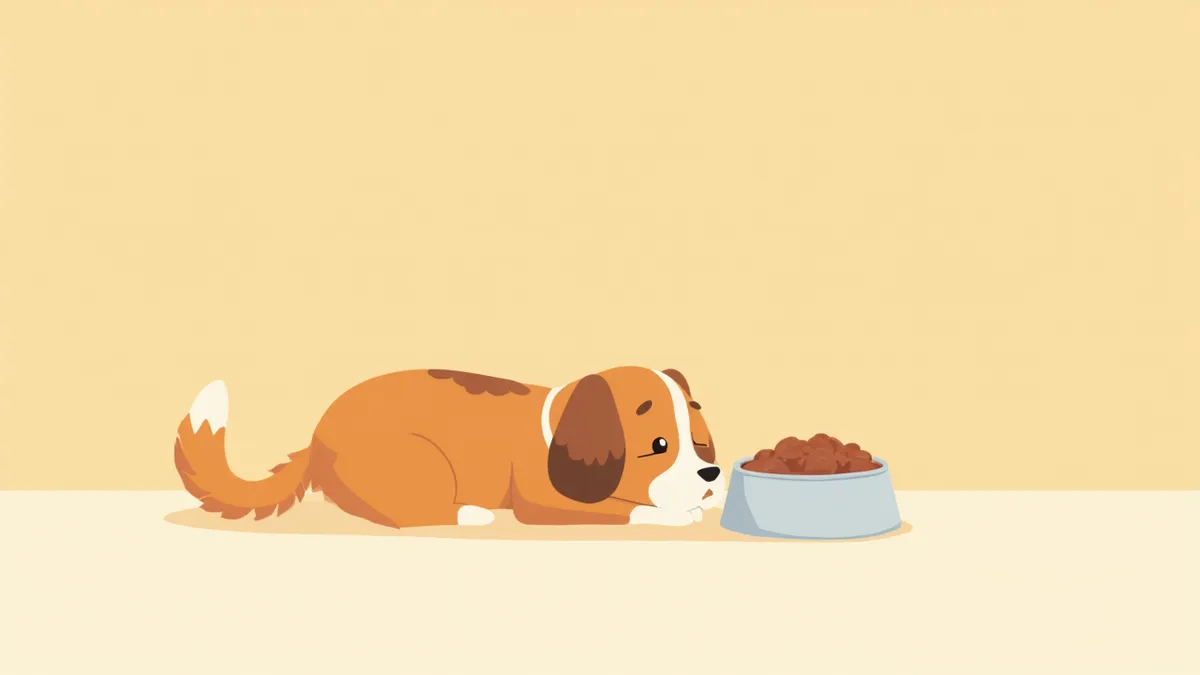
Concept image for senior dog loss of appetite
Loss of appetite in senior dogs refers to a noticeable decrease in food intake or complete refusal to eat in dogs aged seven years and older. If this lack of appetite persists for more than a day or gradually worsens, it is safest to seek veterinary care rather than dismissing it as a normal part of aging. According to veterinary internal medicine textbooks, anorexia is not a symptom specific to a single disease but is considered a "nonspecific sign" resulting from various underlying causes. In reality, it can manifest in diverse underlying conditions such as liver disease, kidney disease, or tumors, and may also be triggered by factors like diet, medications, or stress. Therefore, it is important to view this not merely as a change in taste preferences, but as a signal that "something is wrong in the body," and to identify the underlying cause.

Criteria for Assessing Urgency

The urgency of loss of appetite varies depending on how long it lasts and what other symptoms are present. Use the table below to quickly assess your pet’s condition. In particular, if your pet refuses water or experiences vomiting and diarrhea alongside the loss of appetite, consider the severity level one step higher.

Urgency Levels by Stage of Loss of Appetite

ItemStage 1: ObserveStage 2: CautionStage 3: Emergency
DurationWithin 12 hours24–48 hoursMore than 48 hours
Water intakeNormalDecreasedRefuses
Activity levelSimilar to usualNoticeably decreasedBarely moves
Accompanying symptomsNoneVomiting/diarrhea 1–2 timesRepeated vomiting/diarrhea, lethargy
ResponseObserve at homeHospital within 24 hoursImmediate emergency room

For senior dogs aged 7 and older, it is safer to judge them one stage higher.

Checklist for Loss of Appetite in Senior Dogs
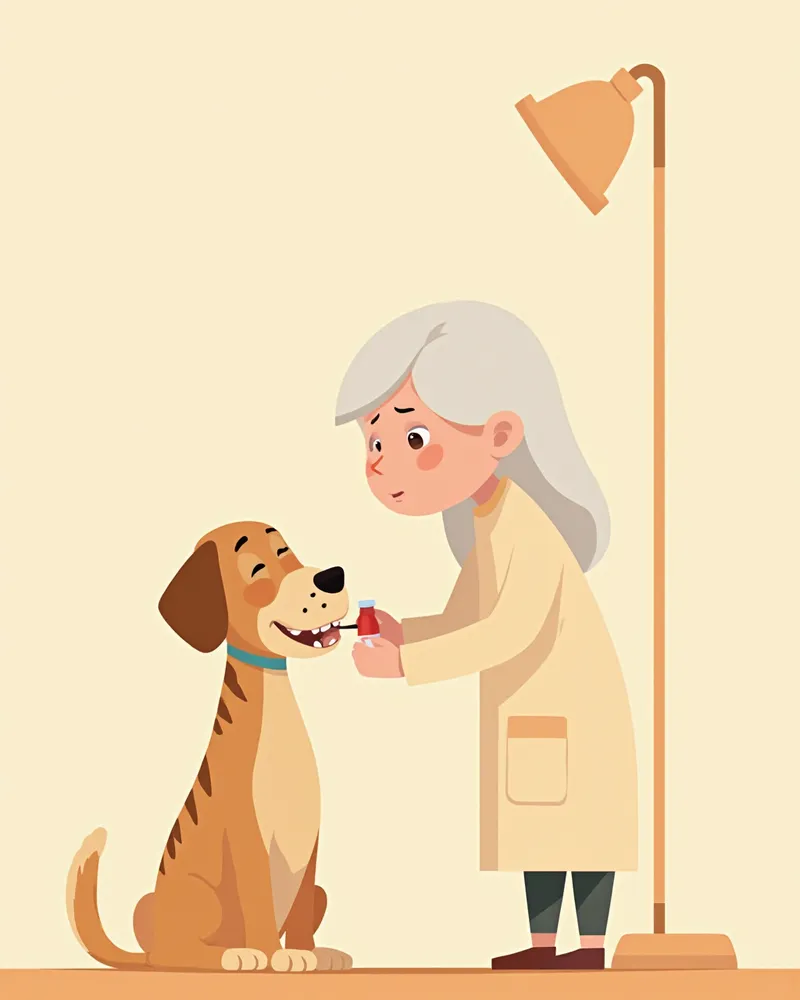
To narrow down the cause, it’s important to look beyond simply “not eating” and check for specific accompanying symptoms.
Dental or oral issues: Hesitating in front of the food bowl or chewing on only one side
Gastrointestinal disorders: Vomiting, diarrhea, abdominal distension, increased burping
Kidney disease: Drinking more water and producing more urine
Liver disease: Yellowing of the gums, vomiting
Pain-related conditions: Reluctance to move, flinching when touched
Cognitive decline: Standing dazed as if forgetting mealtime
Checklist for Loss of Appetite in Senior Dogs

Signs That Require an Immediate Vet Visit

If any of the following apply, please visit a veterinary clinic without delay. Senior dogs have declining organ function and reduced physical resilience, so prolonged loss of appetite can quickly lead to dehydration and electrolyte imbalances. - Complete fasting for more than 48 hours - Refusing to drink water - Pale or yellow gums - Repeated vomiting, bloody stools, or black tarry stools - Labored breathing or appearing about to collapse - A hard, distended abdomen

Five Main Causes

Veterinary internal medicine textbooks categorize the causes of anorexia in senior dogs into five main groups. 1. Periodontal disease and oral pain: Senior dogs are prone to gum and severe dental diseases, which can cause pain while chewing and lead to refusal of food. You may notice hesitation at the food bowl, along with bad breath or bleeding gums. 2. Chronic kidney disease: Accumulation of uremic toxins can cause nausea. 3. Liver and gallbladder disease: Loss of appetite often occurs alongside jaundice. 4. Heart disease: Declining heart function can worsen overall condition, leading to reduced appetite and lethargy. 5. Cognitive dysfunction syndrome: As age-related cognitive decline progresses, changes in eating patterns and daily behaviors may occur.
Main Causes of Loss of Appetite in Senior Dogs

Diagnostic Procedures at the Veterinary Clinic

Because the treatment approach varies significantly depending on the underlying cause, an accurate diagnosis is paramount. Typically, the diagnostic process begins with a physical examination, followed by baseline tests including a complete blood count, serum chemistry panel, thyroid hormone assessment, urinalysis, and abdominal ultrasound. If indicated, radiographs and a dental examination may also be performed. Your veterinarian will determine the appropriate scope of testing and fluid therapy based on your pet’s body weight and overall clinical condition.

Home Care Measures

Here are some things you can try at home before and after your vet visit. However, if your pet has gone more than 12 hours without eating at all, please prioritize a veterinary visit over home care.
Adjust food temperature: Warming the food to near body temperature enhances its aroma and can stimulate appetite.
Change the texture: Soak dry kibble in lukewarm water or chicken broth to soften it.
Small, frequent meals: Instead of feeding twice a day, split the daily ration into four to five smaller meals.
Quiet environment: Provide a separate, quiet space for mealtime to minimize noise and distractions.
Home care strategies for managing loss of appetite in senior dogs

Mistakes to Avoid

This is a common mistake made by pet owners. Although well-intentioned, these actions can actually worsen the condition. - Luring pets with human food (especially seasoned meats and dairy products) - Forcing the mouth open to feed (risk of aspiration pneumonia) - Arbitrarily increasing the dosage of nutritional supplements or vitamins - Waiting and watching for over a week, assuming it’s just due to old age - Purchasing and administering appetite stimulants without consulting a veterinarian

Prevention and Daily Care Tips
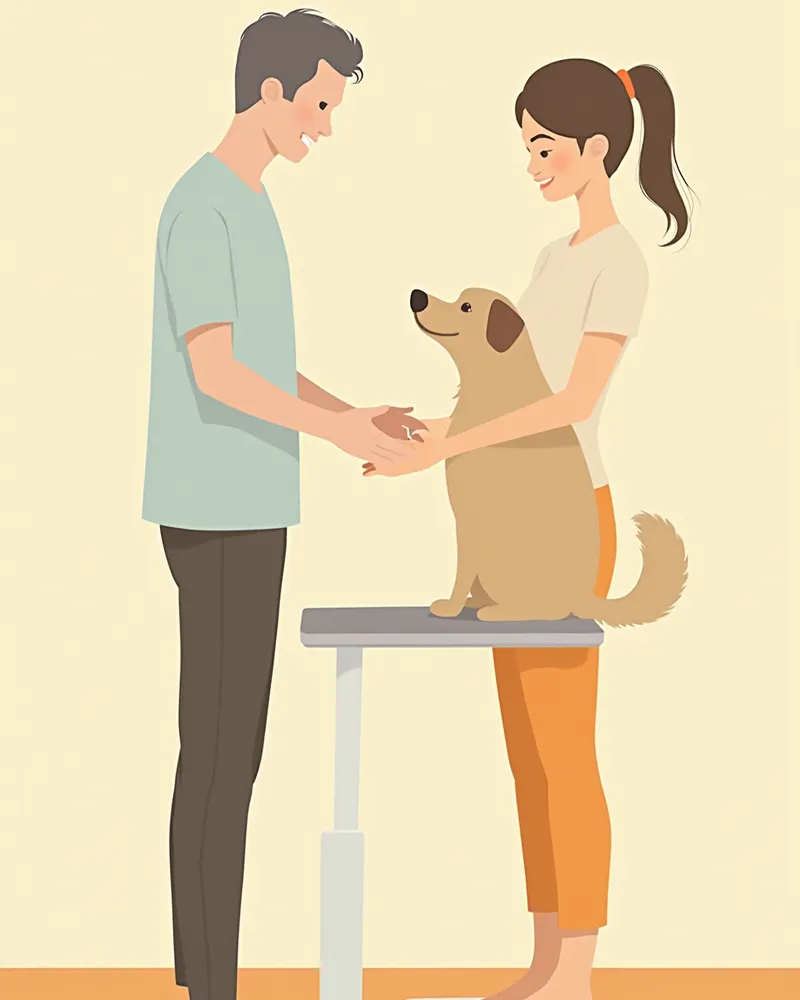
To help reduce loss of appetite in senior dogs, consistent daily care is key. During the senior stage, starting at age 7, internal organ function and body composition can gradually change even if the dog appears perfectly healthy on the outside. Therefore, regular health check-ups to monitor weight and overall condition are essential. Dental health is particularly easy for owners to overlook; if you notice bleeding gums or severe bad breath, a dental examination is necessary. Keep a log of your dog’s food intake and weight on the same day each week, and make a note if you observe a noticeable decrease compared to usual. Sharing these records with your veterinarian will significantly speed up the diagnostic process to identify the underlying cause.
Preventive care tips for senior dogs

Reviewed by a veterinarian

Dr. Tony — Punnawat Phongkittirak

Dr. Tony — Punnawat Phongkittirak

Veterinarian

A veterinarian who majored in veterinary medicine at Khon Kaen University, Thailand, and completed the IVSA program at North Carolina State University in the United States. Drawing on clinical experience at animal hospitals, he works in the pet healthcare field and is dedicated to building a digital care environment that connects pet parents with veterinarians.

Frequently Asked Questions

Is it okay for an older dog to skip a meal for about a day?
Senior dogs aged seven and older experience a general decline in organ function, so fasting for more than 24 hours can lead to metabolic disturbances such as dehydration and electrolyte imbalances. Monitor your dog closely if the fast exceeds 12 hours, and for safety, visit a veterinary clinic if it goes beyond 24 hours.
Is it okay if my pet drinks water but refuses to eat?
It’s a good sign that your pet is drinking water, but it doesn’t mean you can relax. Pets often drink only water when they’re experiencing oral pain or in the early stages of kidney or liver disease. If this behavior persists for more than 48 hours, a veterinary visit is necessary.
Is it okay to give my pet an appetite stimulant?
Never administer this medication without a prescription. If the underlying cause is kidney or liver disease, the drug could place additional strain on the liver. Always consult your veterinarian first.
My pet happily eats treats but refuses to eat their regular kibble.
This is selective anorexia, often caused by cognitive changes or dental pain. Try changing the texture of the food, and if it persists for more than four weeks, schedule a health check-up.
If your pet still won’t eat after you’ve warmed the food, what should you do next?
If your pet shows no response to changes in temperature and food texture for more than 48 hours, it is safest to stop home care and have them undergo blood tests and an abdominal ultrasound at the clinic.

Share

Related Guides

References

[1] Notes on Canine Internal Medicine, 4th Ed - Anorexia/Hyporexia/Inappetence

[2] Applied Veterinary Clinical Nutrition, 2nd Ed

[3] The Dog Care Handbook - Senior Dog Care

This information is based on veterinary literature and does not replace diagnosis or treatment. Please consult a veterinarian for specific health concerns.

Metapet Co., Ltd. | CEO: Park Sung-yong | Business Reg. No. 417-88-02562 | Seoul, South Korea | Customer Center

Loss of Appetite in Senior Dogs: Causes & Management | Meongsiljang