

Emergency Response for Button Battery Ingestion in Dogs and Cats
Swallowing a button battery is a time-critical emergency that can cause esophageal corrosion and perforation. Do not induce vomiting, withhold food, and seek immediate veterinary care.
What Is Button Battery Ingestion?

Why Is It So Dangerous?
Risk Levels by Battery Type
| Item | Lithium coin (CR2032, etc.) | Alkaline button (LR44, etc.) | Cylindrical AA/AAA |
|---|---|---|---|
| Voltage | 3V | 1.5V | 1.5V |
| Rate of esophageal damage | Tissue necrosis possible within 15 minutes | Corrosive damage on contact | Relatively slow |
| Perforation risk | Very high | High | Moderate |
| Urgency | Remove immediately if lodged in esophagus | Immediately | Immediately |
All battery ingestions are emergencies. Do not self-diagnose.
Suspect Immediately If You See These Signs

Actions to Absolutely Avoid
Never induce vomiting at home using hydrogen peroxide, salt water, or any other method. As the battery travels back up the esophagus, it can cause additional burns and increase the risk of aspiration pneumonia. Conversely, the myth that giving water activates the current and makes the situation more dangerous is false. Veterinary textbooks state that rinsing with honey, sucralfate (the most ideal option), or water can actually slow the rate of tissue damage. Therefore, if your pet is conscious, offering a small amount of honey on the way to the clinic may be helpful, but the most critical step is to avoid any delay in transport. Do not probe the mouth with your fingers, as this can push the battery deeper into the esophagus. Your immediate priority is to identify the battery’s specifications (ideally by bringing the packaging or an identical product) and head straight to a 24-hour emergency veterinary hospital.
How Is It Treated at the Clinic?
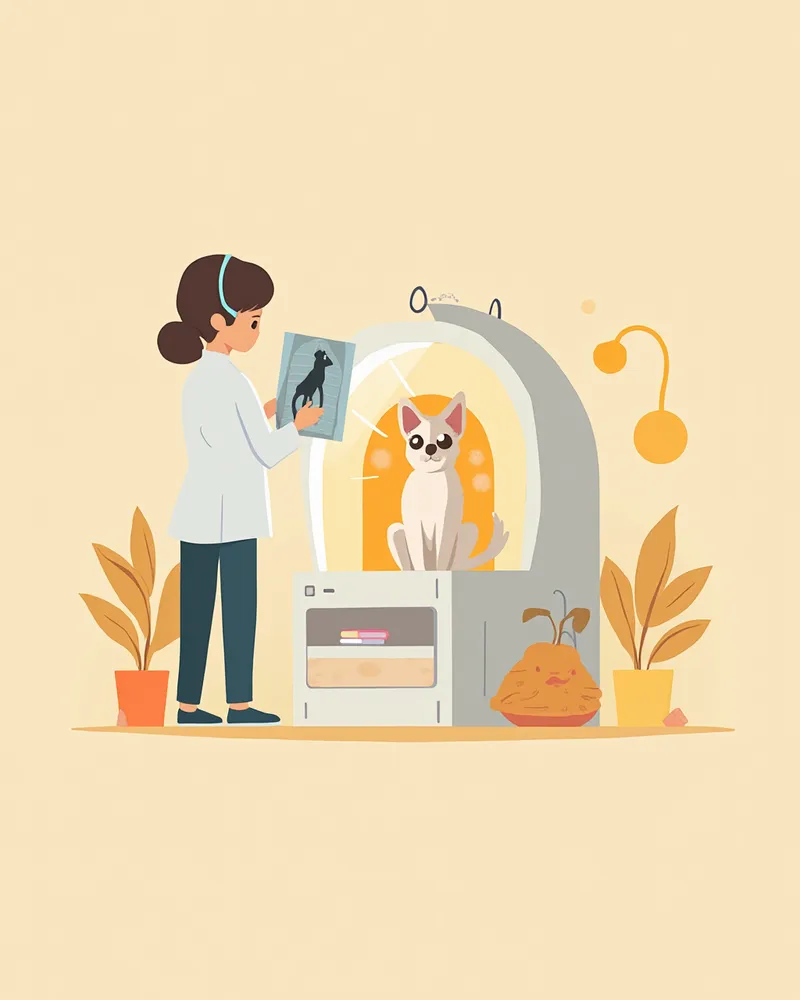
Post-Removal Care Is Even More Important
Pay Special Attention to Cats
Cats are not safe from button battery ingestion accidents either. Since they often have a habit of putting strings, rubber bands, and small objects in their mouths while playing, they may pick up a battery dropped on the floor and swallow it. Battery exposure frequently occurs through remote controls or electronic toys, so owners often overlook batteries that have fallen behind remotes on dining tables or vanities, behind TV remotes, or under electronic scales. It is especially important to dispose of packaging immediately after replacing batteries in remotes, seal used batteries by wrapping both sides with tape before recycling them, and keep toys containing batteries out of your cat’s reach.
Prevention Checklist to Practice at Home

Reviewed by a veterinarian

Dr. Tony — Punnawat Phongkittirak
VeterinarianA veterinarian who majored in veterinary medicine at Khon Kaen University, Thailand, and completed the IVSA program at North Carolina State University in the United States. Drawing on clinical experience at animal hospitals, he works in the pet healthcare field and is dedicated to building a digital care environment that connects pet parents with veterinarians.
Reviewed 2026-04-27
Frequently Asked Questions
It’s been 1 to 2 hours since they swallowed it. Is it okay to just monitor them?
I’m not sure if my pet swallowed a battery. Is there a way to check?
Is it okay to wait for it to pass naturally?
How much will the treatment cost?
When can I start feeding my pet after the procedure?
Share
Related Guides

Primary vs. Secondary Veterinary Hospitals: A Comparison

5 Easy-to-Raise Cat Breeds for First-Time Owners — Grooming Difficulty Comparison

Top 7 Short-Legged Dog Breeds
Cat Losing Weight Despite Eating Well — Guide to Suspecting Hyperthyroidism and Diabetes

Symptoms After a Dog Eats Chocolate — Changes by Time Period and Emergency Signs

Senior Dog Vitality Decline — Comprehensive Supplement Recommendation Guide

Dog Bad Breath — Dental Care Product Comparison

Why Is My Dog Scratching So Much? — Allergy Causes and How to Choose Care Products
Post-Blood Donation in Dogs and Cats: Warning Signs of Side Effects You Must Not Miss and How to Respond

Our Dog Was Stung by a Bee — Anaphylactic Shock Warning Signs and Immediate Response
References
[1] Tanaka J, Yamashita M, Kajigaya H. Esophageal electrochemical burns due to button type lithium batteries in dogs. Vet Hum Toxicol, 1998;40(4):193–196.
[2] Varga A, Kovács T, Saxena A. Analysis of complications after button battery ingestion in children. Pediatr Emerg Care, 2018;34(6):443–446.
[3] Blackwell's Five-Minute Veterinary Consult Clinical Companion, Small Animal Toxicology, 3rd Edition — Home Care and Recreational Products