Like
Share
멍실장
강아지 머리기울임 원인과 단계별 대처법, 병원 가야 할 신호 총정리

Head Tilt in Dogs — Is It a Danger Signal? A Guide to When to Visit the Vet

Brain & CognitionSymptomsMeongsiljang Veterinary Advisory Board

If your dog suddenly tilts its head to one side, it could be a sign of vestibular system dysfunction or a brain or ear condition. Here’s a step-by-step breakdown of the possible causes and their urgency.

What Is Head Tilt in Dogs?
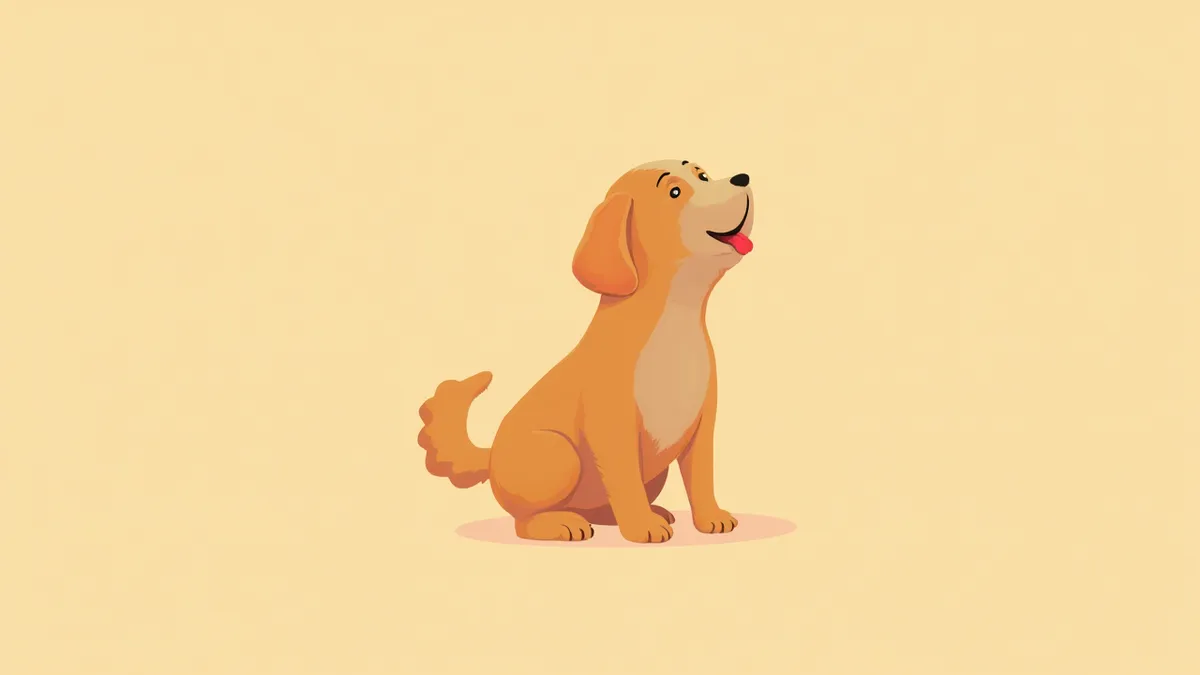
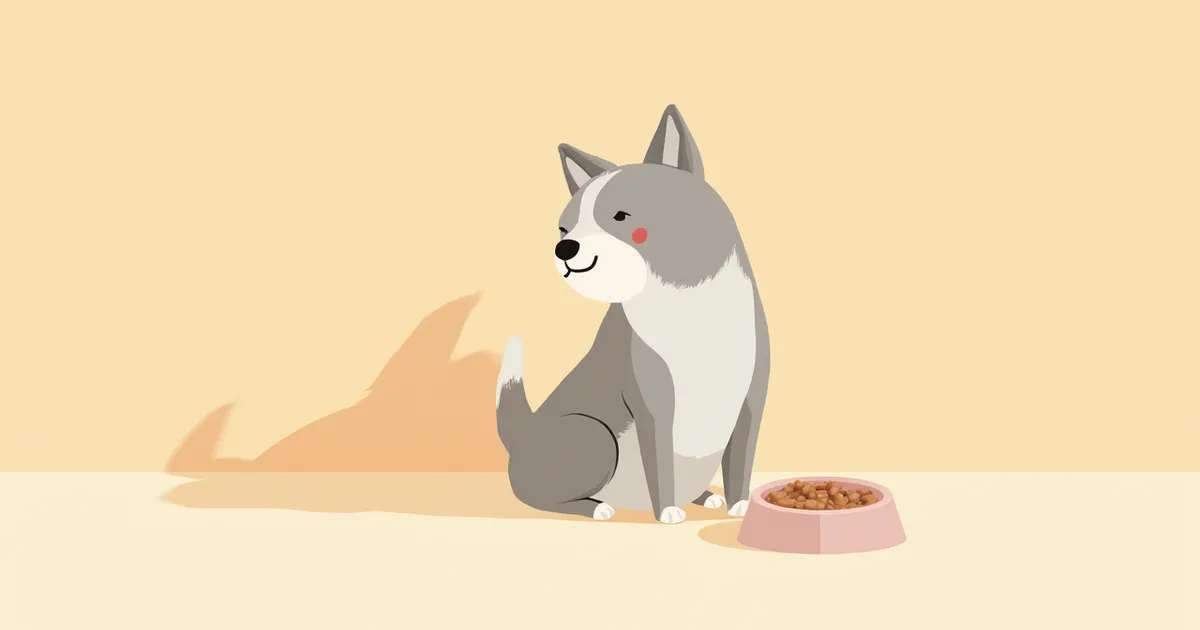
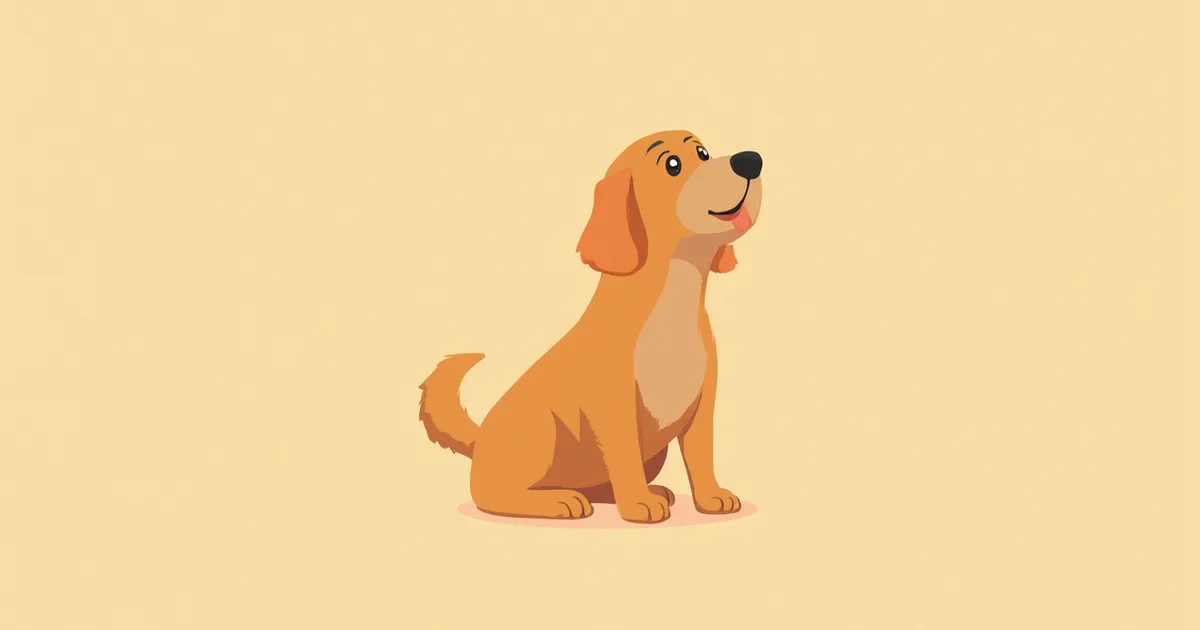
A dog tilting its head
Head tilt in dogs is a neurological symptom caused by dysfunction of the vestibular system (inner ear and vestibular nerve), which controls balance, or by underlying conditions such as ear infections or brain disease. It is characterized by the head rotating around the first cervical vertebra so that one ear sits lower than the other, serving as an abnormal sign indicative of vestibular dysfunction. While briefly turning the head toward a sound is normal behavior, a persistent head tilt accompanied by rapid eye movements (nystagmus), stumbling, or walking in circles suggests a vestibular disorder and should be evaluated. Because the underlying cause varies depending on whether the condition is peripheral (inner ear or vestibular nerve) or central (brainstem or cerebellum), it is important to have a veterinarian determine the cause as soon as possible.

Do You Need to Go to the Vet Right Now? — Urgency Level Check

Check your pet’s current condition using the steps below.
StageSymptom CombinationAction
🟢 MildOccasional tilting, no other abnormalitiesSchedule a vet appointment for today
🟡 CautionPersistent tilting + 1–2 episodes of vomitingVisit the clinic today
🔴 EmergencyTilting + seizures, loss of consciousness, or inability to walkSeek emergency veterinary care immediately

Checklist of Accompanying Symptoms

Check for the following symptoms along with head tilting:
Nystagmus (eye tremors): The eyes move rapidly side-to-side or up and down. This is a classic sign of vestibular system dysfunction.
Staggering and falling: The pet may lean to one side and fall, or walk in circles.
Nausea and vomiting: These occur due to dizziness, similar to motion sickness.
Compulsive circling: The pet spins continuously in one direction.
Decreased consciousness: The pet responds slowly or appears dazed when called by name.
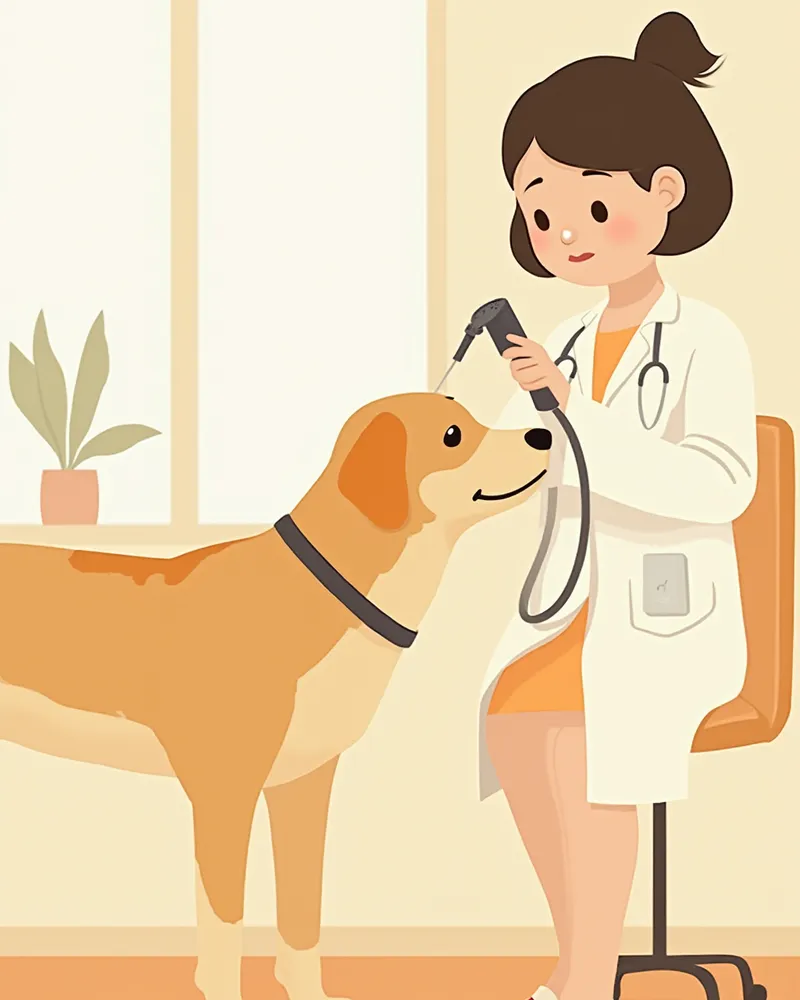
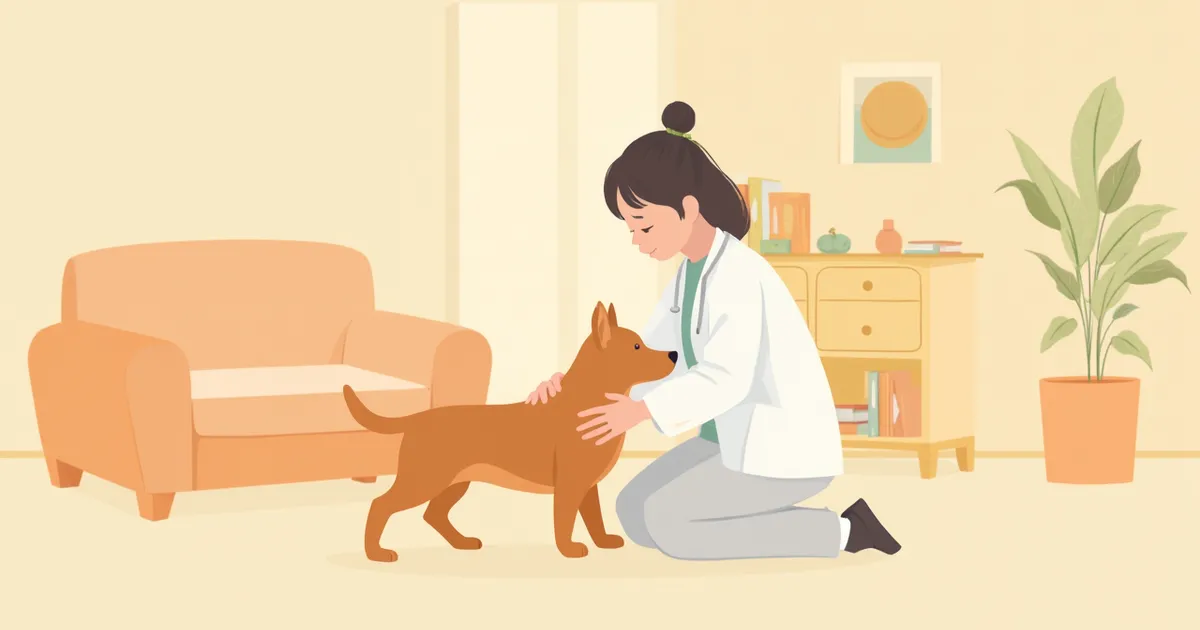
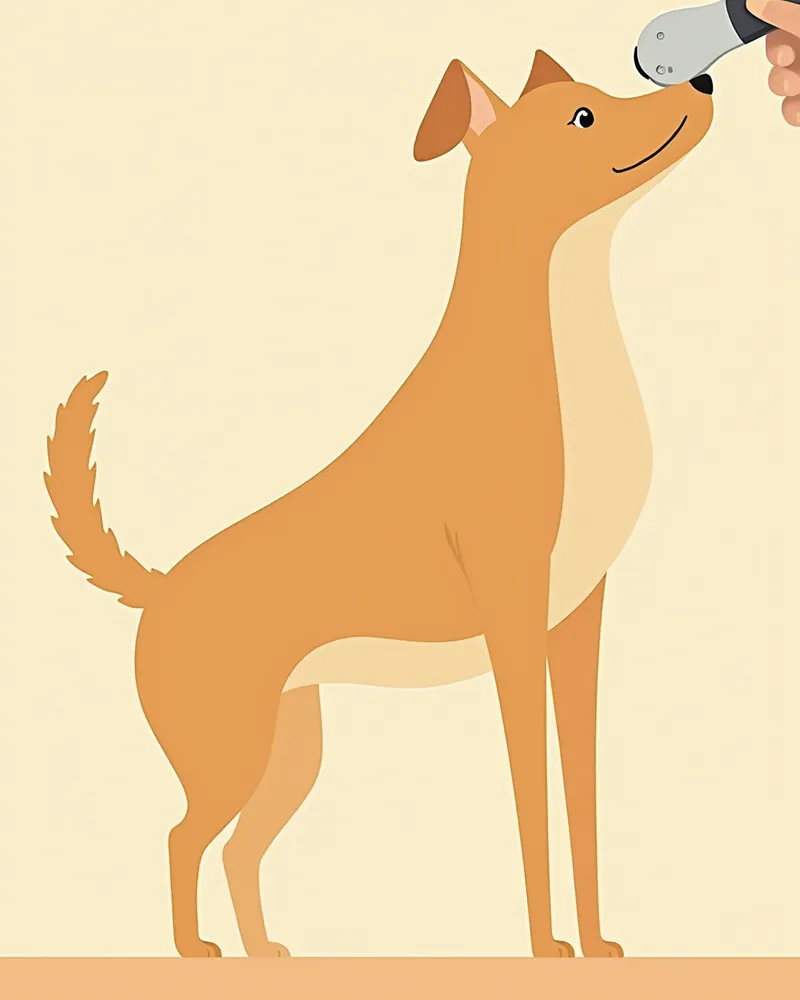
A puppy getting an ear exam at the veterinary clinic

If You See These Symptoms, Go to an Emergency Vet Immediately

If your pet exhibits any of the following symptoms—seizures (generalized convulsions), sudden collapse or inability to stand, unequal pupil sizes, or decreased consciousness with no response to their name—seek emergency veterinary care immediately. These signs may indicate a lesion in the brainstem or cerebellum.

The Most Common Cause — Peripheral Vestibular Disorders
Peripheral vestibular disorders are the most common cause of head tilt. They occur when problems in the inner ear or the vestibular nerve (the eighth cranial nerve) disrupt your pet’s sense of balance.
Geriatric (idiopathic) vestibular syndrome: This condition arises suddenly in older dogs with no identifiable underlying cause. It is typically a non-progressive disorder with a favorable prognosis. Recovery usually begins within a few days with supportive care alone, taking about two weeks or longer, though some dogs may retain a slight head tilt.
Otitis media/interna (OMI): This is a peripheral vestibular disorder caused by infection. Suspect this if you notice an odor or discharge from the ear.
Other causes: Nasopharyngeal polyps, trauma, and certain ototoxic ear medications (such as aminoglycosides) can also cause peripheral vestibular disorders.
Close-up of a dog's inner ear examination

More Serious Causes — Central Vestibular Disorders and Brain Disease
When the brainstem or cerebellum is affected, central vestibular disease can occur. This condition can be more dangerous than peripheral vestibular disease because it may present with additional signs such as decreased consciousness or limb paralysis.
Brain tumors (neoplasms): One of the most common causes of central vestibular disease, with symptoms gradually worsening in middle-aged to senior dogs.
Encephalitis and meningoencephalitis: These can result from infections or immune-mediated disorders (such as idiopathic meningoencephalitis), and cerebrospinal fluid (CSF) analysis may be required for diagnosis.
Cerebrovascular disorders (ischemic stroke): A cause of sudden-onset symptoms, with thromboembolic events reported in certain breeds.
Differential diagnosis of systemic and metabolic diseases: Blood and thyroid function tests are recommended to rule out systemic conditions such as hypothyroidism.
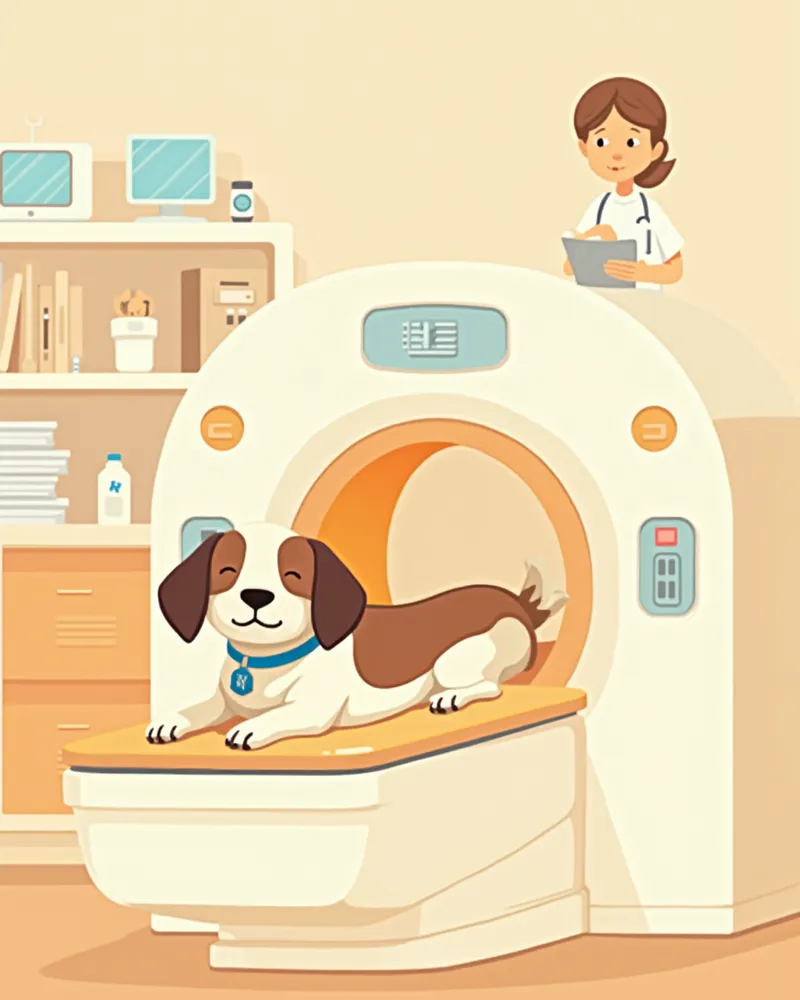
A dog undergoing an MRI scan

4 Steps to Take at Home Before Visiting the Vet

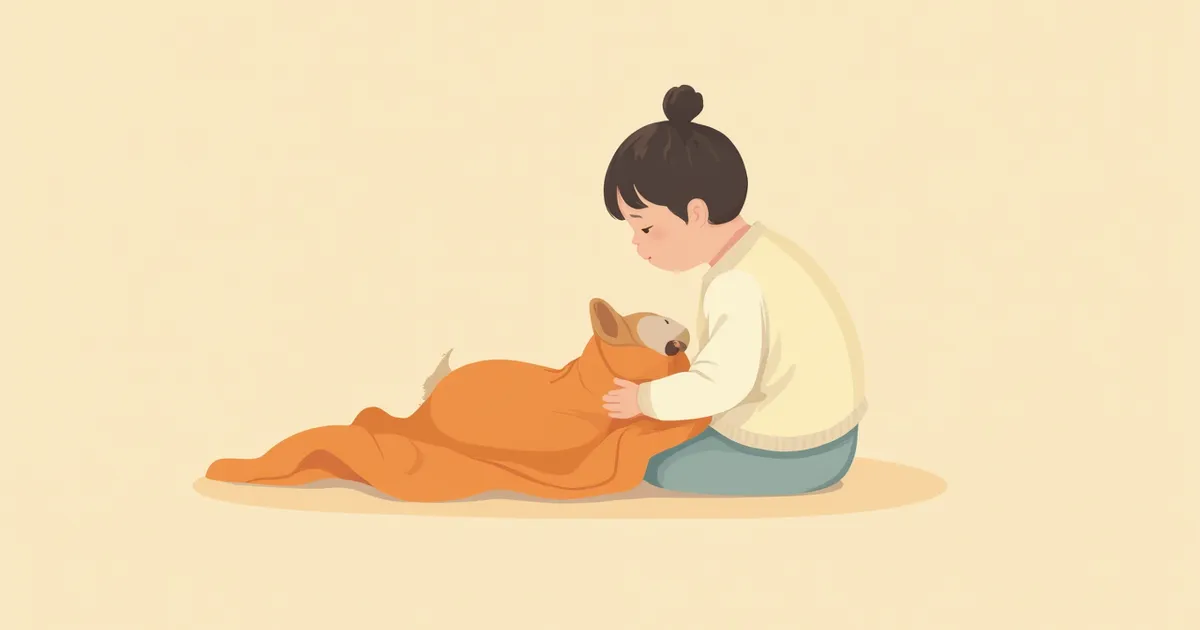
If there are no emergency signs, please follow these steps before visiting the clinic: 1. Place your pet in a safe, low area — Keep them on the floor to prevent falls from stairs or sofas. 2. Do not force food or water — Forcing intake during nausea can lead to aspiration into the airways. 3. Record symptoms on video — Showing the veterinarian footage of eye movements and gait patterns can aid in diagnosis. 4. Do not leave your pet alone — Stay close to monitor for any sudden seizures.

Geriatric Vestibular Syndrome — Often Resolves Naturally, But Don’t Be Complacent

If your dog is eight years or older and suddenly develops head tilting, unsteadiness, or vomiting, it’s likely geriatric vestibular syndrome. This condition typically arises without a clear cause, and most dogs recover within one to four weeks. However, because its symptoms can overlap with those of brain tumors or encephalitis, a veterinary examination is essential to rule out these serious conditions. Don’t assume everything will be fine based on symptoms alone—please seek professional care.

Diagnosis and Treatment Process at the Veterinary Clinic
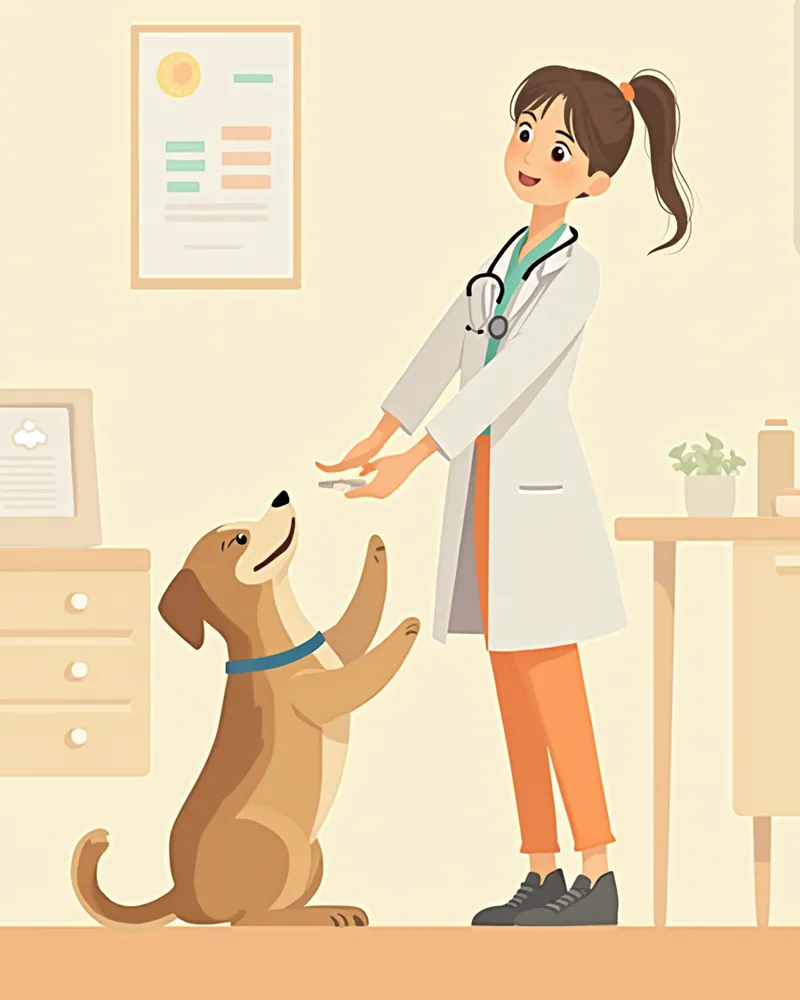
Veterinarians first distinguish between peripheral and central forms through neurological examinations. Additional tests are then conducted based on the underlying cause.
Ear examination: To check for infections in the inner and middle ear.
Blood and urine tests: To rule out systemic diseases such as thyroid disorders and Cushing’s syndrome.
CT and MRI: For detailed imaging when brain lesions are suspected.
Treatment varies depending on the cause, and veterinarians determine the appropriate course of action, such as antibiotics or supportive care, based on the patient’s condition.
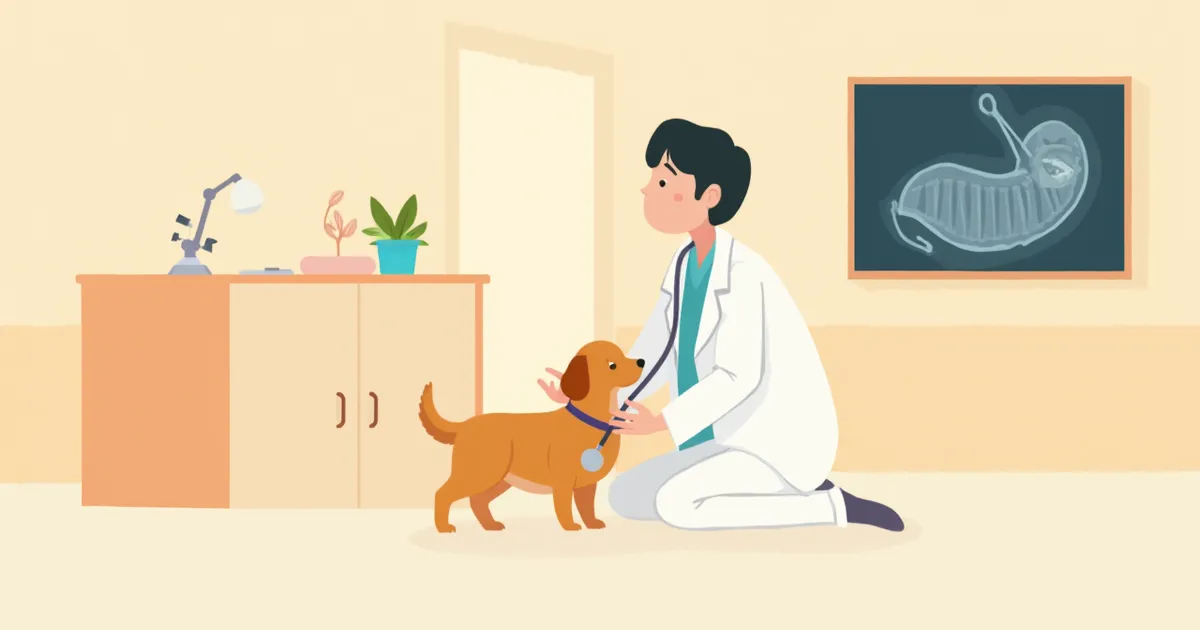
A puppy undergoing a neurological examination

Reviewed by a veterinarian

Dr. Tony — Punnawat Phongkittirak

Dr. Tony — Punnawat Phongkittirak

Veterinarian

A veterinarian who majored in veterinary medicine at Khon Kaen University, Thailand, and completed the IVSA program at North Carolina State University in the United States. Drawing on clinical experience at animal hospitals, he works in the pet healthcare field and is dedicated to building a digital care environment that connects pet parents with veterinarians.

Frequently Asked Questions

My dog has suddenly started tilting his head. Should I take him to the vet today?
If your pet isn’t experiencing seizures, fainting, or an inability to walk, a same-day appointment should be fine. However, if any of these emergency symptoms are present, you should take your pet to an emergency animal hospital immediately.
My dog’s head tilt keeps getting better and worse. Is it okay to just monitor it?
If symptoms recur, it may indicate a persistent ear infection or brain lesion. If you notice any worsening pattern, it's safest to have your pet evaluated by a veterinarian for an accurate diagnosis.
The vet said my senior dog has vestibular syndrome. How can I help at home?
Keep your pet away from stairs and elevated surfaces, and provide a non-slip area for them to rest. If vomiting is severe, consult your veterinarian for anti-nausea medication. Most pets recover within 1 to 4 weeks.
Can head tilting recur even after it has completely resolved?
Vestibular syndrome in senior dogs can recur. If ear infections were the cause, it may come back if proper care isn’t maintained. The key to preventing recurrence is fully treating the underlying condition and keeping up with regular veterinary check-ups.
Can you tell the difference between an ear infection and a brain problem at home?
It’s difficult to make a definitive distinction. If your pet has an odor or discharge from the ears and frequently scratches them, an ear infection is likely. However, an accurate diagnosis requires neurological and imaging examinations. A veterinary consultation is essential.

Share

Related Guides

References

[1] Thomas WB. Vestibular dysfunction. Vet Clin North Am Small Anim Pract. 2000;30(1):227-49.

[2] Troxel MT, Drobatz KJ, Vite CH. Signs of neurologic dysfunction in dogs with central versus peripheral vestibular disease. J Am Vet Med Assoc. 2005;227(4):570-4.

[3] Brandt T, Strupp M. General vestibular testing. Clin Neurophysiol. 2005;116(2):406-26.

[4] Angelaki DE, Cullen KE. Vestibular system: the many facets of a multimodal sense. Annu Rev Neurosci. 2008;31:125-50.

This information is based on veterinary literature and does not replace diagnosis or treatment. Please consult a veterinarian for specific health concerns.

Metapet Co., Ltd. | CEO: Park Sung-yong | Business Reg. No. 417-88-02562 | Seoul, South Korea | Customer Center

Why Is My Dog Tilting Its Head? Warning Signs and When to See a Vet | Meongsiljang