Like
Share
멍실장
강아지 밥 안 먹을 때 원인과 대처 - 식욕부진 응급 기준

Causes and Responses to Loss of Appetite in Dogs - Emergency Criteria for Anorexia

DigestiveSymptomsMeongsiljang Veterinary Advisory Board

Here’s a summary of the causes of loss of appetite in dogs, home care tips, and emergency signs that require immediate veterinary attention. If the lack of appetite lasts more than 24 hours, there’s a higher chance of an underlying internal medical condition.

What Is Loss of Appetite in Dogs?
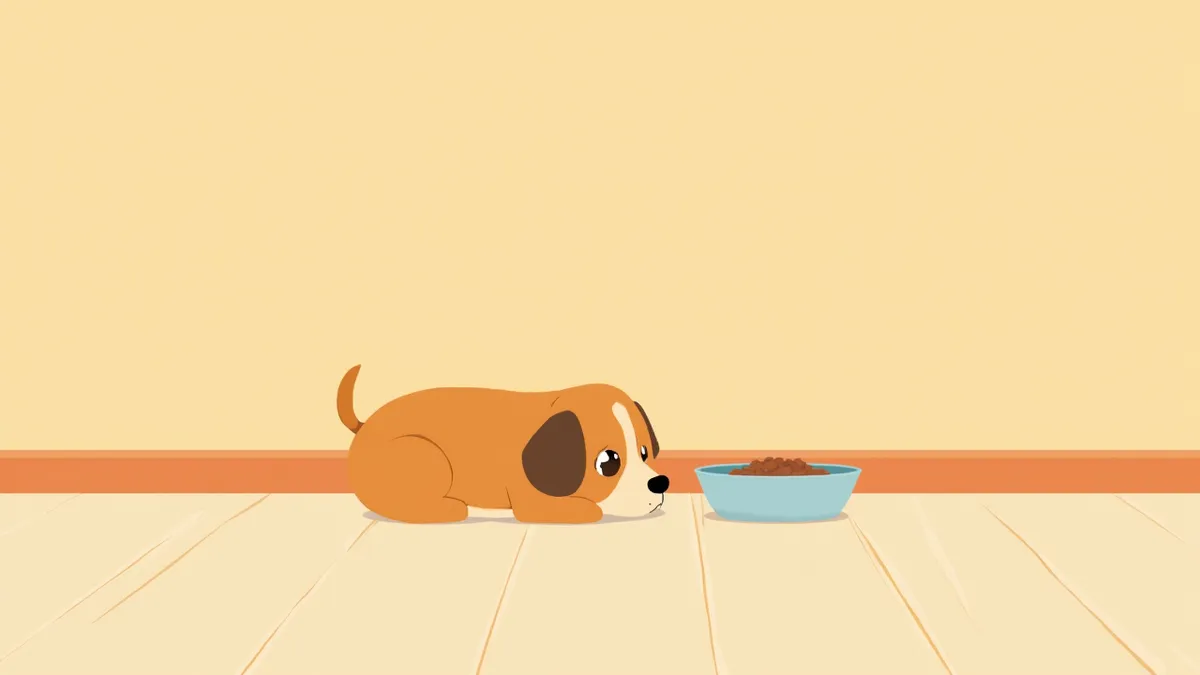
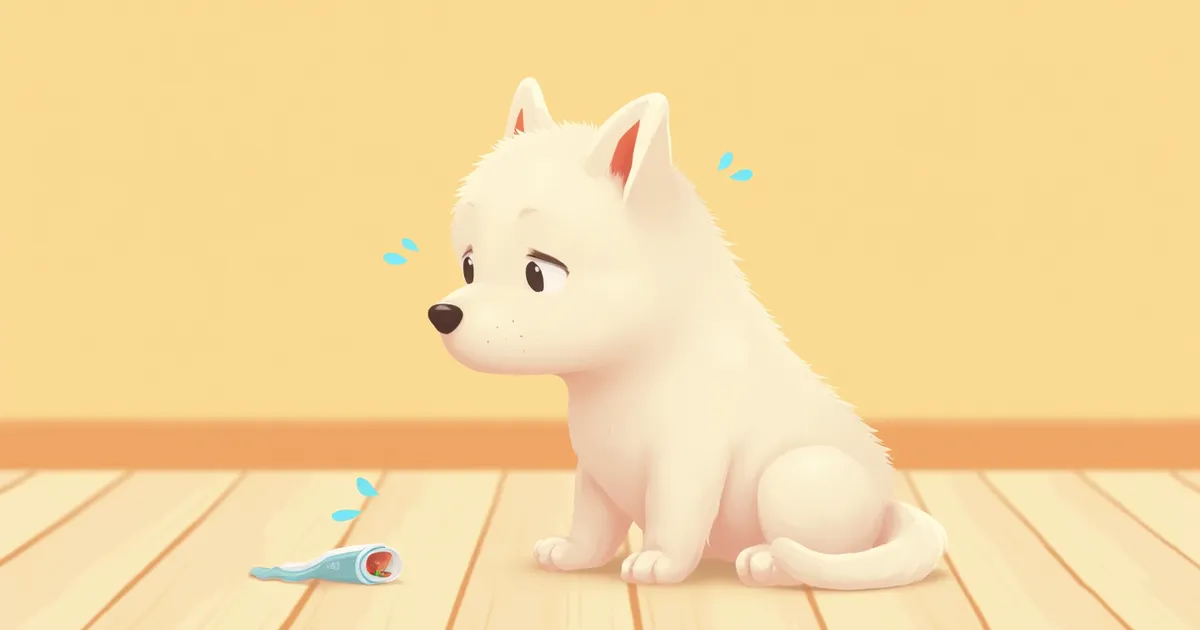
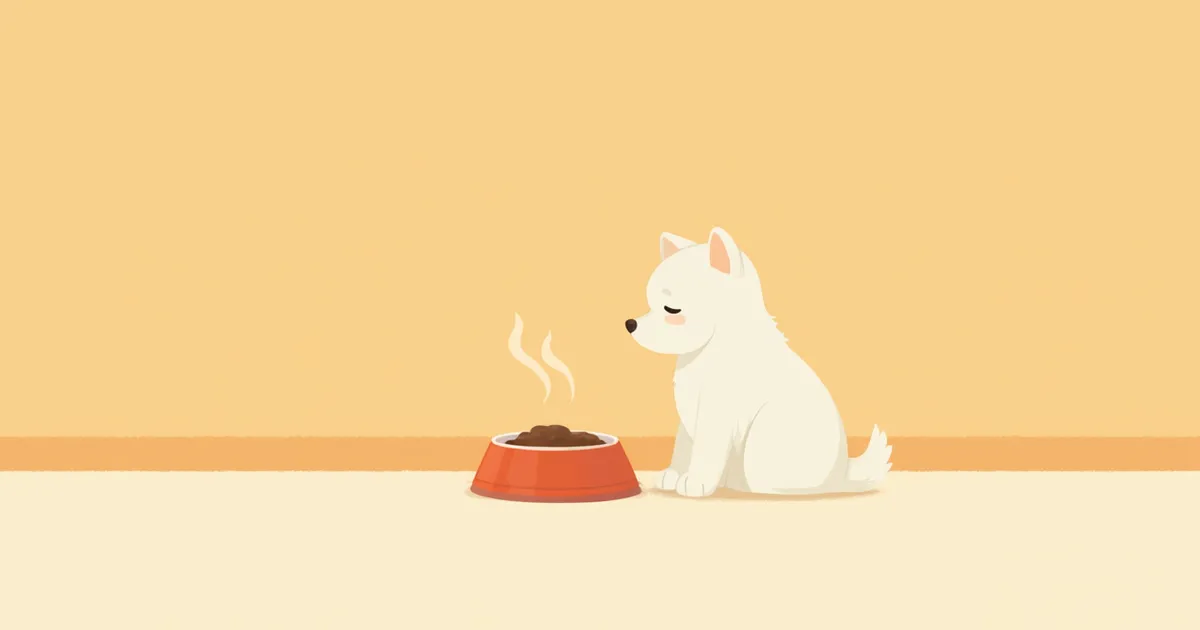
A puppy lying down in front of its food bowl
Loss of appetite in dogs refers to a condition where a dog eats less than usual or refuses food entirely, despite being physically capable of eating. The key is to monitor not only how long the refusal lasts but also changes in energy levels and water intake. If your dog refuses both food and water, or eats less than half of their normal amount for more than two days, it may be a sign of an internal medical issue rather than mere stubbornness. According to veterinary internal medicine textbooks, complete refusal to eat is classified as "anorexia," while a significant reduction in food intake is termed "hyporexia."

Assessing Urgency by Stage of Loss of Appetite

The appropriate response depends on how long your pet has refused food and what other symptoms are present. First, check your pet’s condition using the table below. The explanations following the table will be covered in detail in the next section.

Urgency Based on Duration of Food Refusal

ItemWithin 12 hours12–24 hours24–48 hours48 hours or more
UrgencyLowCautionWarningEmergency
ResponseObserveTry to improve palatabilityClinic visitImmediate clinic
When Accompanying Symptoms Are PresentCareful observationClinic visitImmediate clinicEmergency transport

For small dogs under 5kg, senior dogs over 7 years, and puppies, judge one level faster

Checklist of Main Causes for Not Eating
There are many possible reasons why a dog might refuse to eat. According to standard veterinary internal medicine textbooks, the main causes include:
Gastrointestinal diseases: Conditions such as gastritis, pancreatitis, or ingestion of foreign objects, which are often accompanied by abdominal pain.
Liver or kidney disease: Loss of appetite due to nausea.
Dental problems: Pain while chewing caused by periodontal disease or stomatitis.
Fever or infection: Decreased appetite associated with an elevated body temperature.
Stress: Anxiety triggered by changes in environment, unfamiliar people, or other animals.
Medication side effects: Commonly seen shortly after taking antibiotics or anti-inflammatory drugs.
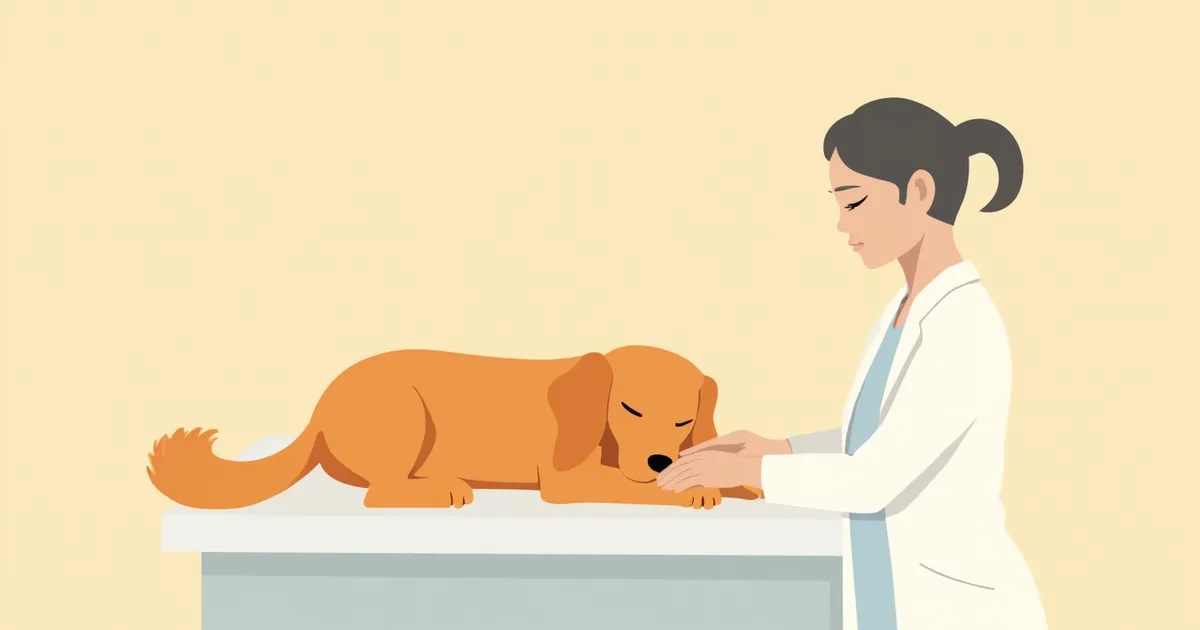
A veterinarian examining a puppy's mouth.

Emergency Signs Requiring Immediate Veterinary Care

Seek emergency veterinary care without delay if you notice any of the following: vomiting and diarrhea occurring together, abnormal gum color, abdominal distension, or a significant decrease in water intake. Puppies are at much greater risk than adult dogs for rapid energy depletion and hypoglycemia, so it is crucial to contact your veterinarian immediately, even if the refusal to eat has only been brief.

Distinguishing Simple Pickiness from Disease Signs

Not all loss of appetite indicates a disease. Temporary refusal to eat can occur due to excessive treat consumption, hot weather, or being in heat. The key to distinguishing between a medical issue and other causes is energy level and water intake.
Simple pickiness: The pet remains active, drinks water normally, and still eats treats.
Sign of illness: The pet appears lethargic, refuses water, and even ignores treats.
If your pet eats treats but refuses regular food, it is likely a matter of food preference.

Home Care Measures You Can Try

If your pet shows no other signs of illness and has only been refusing food lightly for 12 to 24 hours, you can try some home care measures first.
Warm up the food: Gently heat it in the microwave to enhance its aroma.
Add toppings: Mix in a small amount of salt-free chicken breast or pollack broth.
Check the feeding environment: Ensure the bowl is in a quiet spot and separate from other pets.
Stop treats: Withhold treats for 24 hours to help restore their appetite.
However, never force-feed your pet or give them human food. Seasonings, onions, and grapes can be toxic.
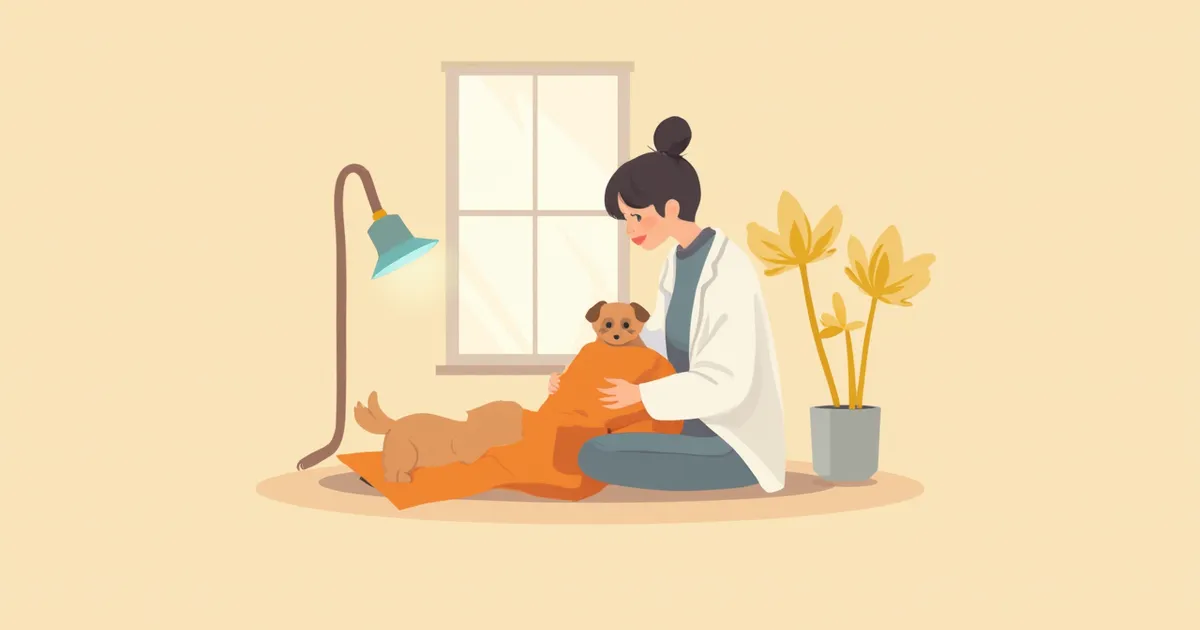
Adding toppings to gently warmed pet food

Additional Precautions for Senior, Puppy, and Small-Breed Dogs

In senior dogs aged seven and older, loss of appetite is often the first sign of internal medical conditions such as chronic kidney disease, heart disease, or tumors. Puppies have fewer energy reserves than adult dogs, so even a short period without food can quickly put them at risk for hypoglycemia. Small-breed dogs with low body weight may also develop lethargy or neurological symptoms if they refuse food for an extended period. For these groups, it is important to consult a veterinarian promptly rather than adopting a “wait-and-see” approach for a day.

Tests and Treatment Approaches at the Veterinary Clinic
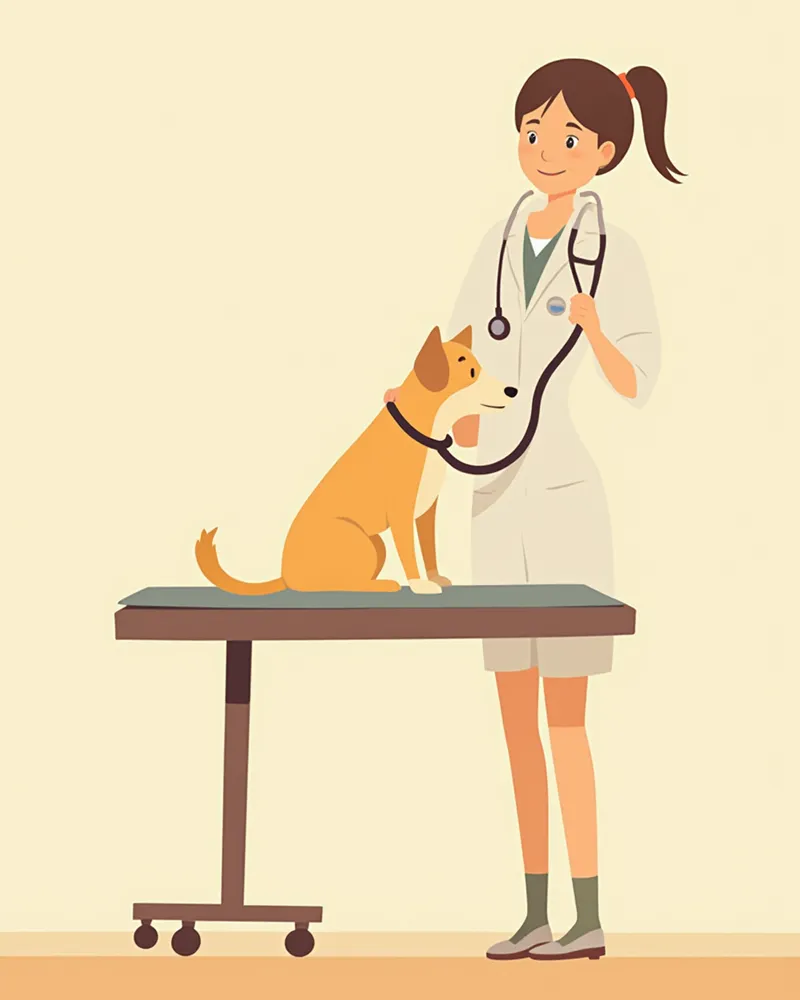
At the veterinary clinic, we conduct step-by-step tests to identify the cause. Initially, we perform a basic physical exam, check body temperature, and examine the mouth. If necessary, this is followed by blood tests (liver, kidney, and pancreatic values) and abdominal ultrasound and X-rays. Treatment varies significantly depending on the cause. For gastritis, gastrointestinal protectants are used. For pancreatitis, the approach depends on severity. In mild cases, if hydration status is good, management is done on an outpatient basis with antiemetics and fluids. In moderate to severe cases with dehydration, hospitalization is required for fluid therapy to correct dehydration. For periodontal issues, scaling is necessary. Since the veterinarian determines the dosage and administration schedule based on weight, please avoid self-medication.
A veterinarian examining a puppy on the examination table.

Management to Prevent Recurrence After Appetite Recovery

Dogs that have experienced a loss of appetite are at risk of recurrence. Check the key management points after recovery.
Consistent feeding times: Feed twice a day at set times.
Control treat ratio: Measure and manage treat portions directly to ensure they do not replace main meals.
Regular weight checks: Record weight monthly to detect changes in food intake.
Stress management: Maintain the usual diet during environmental changes.
Annual health checkups: Senior dogs should have checkups every six months for early detection.
Changes in food intake are often the first sign of many internal medicine conditions, so consistent observation is most important.

Reviewed by a veterinarian

Dr. Tony — Punnawat Phongkittirak

Dr. Tony — Punnawat Phongkittirak

Veterinarian

A veterinarian who majored in veterinary medicine at Khon Kaen University, Thailand, and completed the IVSA program at North Carolina State University in the United States. Drawing on clinical experience at animal hospitals, he works in the pet healthcare field and is dedicated to building a digital care environment that connects pet parents with veterinarians.

Frequently Asked Questions

My dog hasn’t eaten all day, but he’s drinking water normally. Is this okay?
While the risk of dehydration is low if your pet is drinking water, if the condition persists for more than 24 hours, we cannot rule out the possibility of an internal medical issue. Please monitor their energy levels and check for vomiting or diarrhea. If there is no improvement by the second day, we recommend visiting a veterinary clinic for an examination.
My pet happily eats treats but refuses to eat their regular food. Could this be a sign of illness?
It’s more likely a matter of food preference than an illness. However, if the proportion of treats is too high, it can lead to nutritional imbalances. Try withholding treats for 24 hours and offering only the regular food. If your pet still refuses to eat, consider switching to a different food or adding a topper to enhance palatability.
Are there specific foods that can help with a dog’s loss of appetite?
The combination of salt-free chicken breast, pollack broth, and pumpkin puree helps enhance palatability. However, certain human foods—such as onions, grapes, chocolate, and xylitol—pose a risk of toxicity and must be strictly avoided. If your pet has a condition requiring a prescription diet, please consult your veterinarian before making any choices.
My pet isn’t eating after taking their medication. What should I do?
Some medications, such as antibiotics, anti-inflammatories, and heart medications, can cause nausea. Do not stop giving the medication on your own; instead, contact your prescribing veterinarian to discuss adjusting the administration method or adding a gastrointestinal protectant.
Should I take my puppy to the vet if it hasn’t eaten for a few hours?
Puppies have far fewer energy reserves than adult dogs, so even a short period of not eating can lead to hypoglycemia much more quickly. Therefore, if your puppy refuses food, it’s important to contact your veterinarian right away—unlike with adult dogs, you shouldn’t wait. If you notice signs such as lethargy, tremors, seizures, or low body temperature, seek emergency veterinary care immediately.

Share

Related Guides

References

[1] Notes on Canine Internal Medicine, 4th Ed - Anorexia/Hyporexia/Inappetence

[2] Small Animal Critical Care Medicine, 3rd Ed - Appetite Regulation

[3] Applied Veterinary Clinical Nutrition, 2nd Ed - Cancer-Associated Malnutrition

This information is based on veterinary literature and does not replace diagnosis or treatment. Please consult a veterinarian for specific health concerns.

Metapet Co., Ltd. | CEO: Park Sung-yong | Business Reg. No. 417-88-02562 | Seoul, South Korea | Customer Center

Dog Loss of Appetite: Causes, Care & When to See a Vet | Meongsiljang