
Causes of Feline Constipation and How to Manage Them
We’ve compiled a comprehensive, evidence-based veterinary guide covering the causes of feline constipation, a symptom checklist, emergency warning signs, home care strategies, and preventive measures.
When Should You Be Concerned About Feline Constipation?
How to Assess the Severity of Constipation
| Stage | Time Between Bowel Movements | Stool Characteristics | Recommended Action |
|---|---|---|---|
| Mild | 36–48 hours | Hard, small stools | Adjust water intake and diet |
| Moderate | 48–72 hours | Very dry stools, straining | Consult a veterinarian |
| Severe | More than 72 hours | Inability to defecate, accompanied by vomiting | Seek immediate veterinary care |
Suspect Constipation If You Notice These Symptoms
Danger Signs Requiring Immediate Veterinary Care
If your cat hasn’t had a bowel movement for more than 72 hours and is also vomiting, completely refusing food, and showing signs of weakness, this is an emergency. These symptoms can lead to intestinal obstruction or severe dehydration, so immediate veterinary care is essential. Seek urgent treatment right away if you feel a hard mass when gently pressing the abdomen or if your cat shows extreme signs of pain.
Why Does Feline Constipation Occur?
How Is Constipation Diagnosed and Treated at the Clinic?
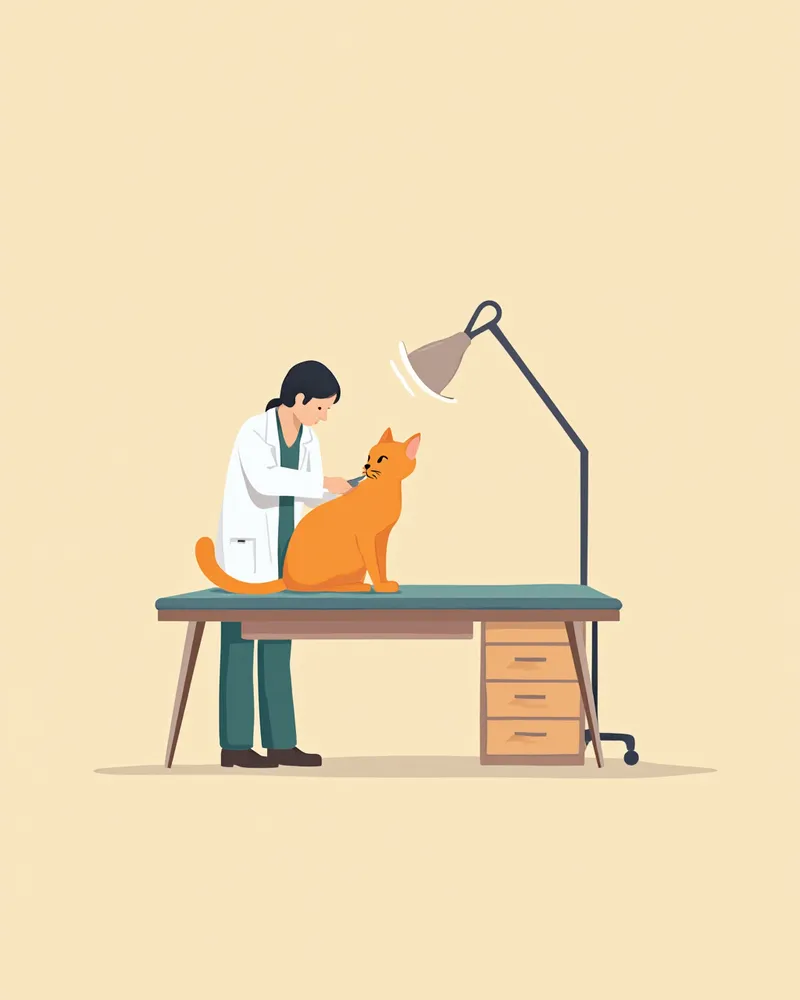
Initial Home Care Strategies
Recurring Constipation Can Lead to Megacolon
If constipation recurs, the colon can gradually stretch and lose its ability to contract on its own, leading to a condition called megacolon. When megacolon becomes difficult to manage with medication, surgical removal of the colon may be necessary. If your pet experiences constipation more than twice a month or requires frequent enemas, be sure to discuss a long-term management plan with your veterinarian.
Daily Habits for Preventing Constipation
Reviewed by a veterinarian

Dr. Tony — Punnawat Phongkittirak
VeterinarianA veterinarian who majored in veterinary medicine at Khon Kaen University, Thailand, and completed the IVSA program at North Carolina State University in the United States. Drawing on clinical experience at animal hospitals, he works in the pet healthcare field and is dedicated to building a digital care environment that connects pet parents with veterinarians.
Reviewed 2026-04-16
Frequently Asked Questions
Does it mean my cat is constipated if they don’t have a bowel movement even once a day?
Can I give my cat human laxatives or enemas?
Can feeding olive oil help with constipation?
Is there a specific type of food that is good for constipation?
What should I do if my cat’s constipation keeps coming back?
Share
Related Guides
My Senior Cat Won’t Eat — A Complete Guide to Choosing Food for Cats with Weak Digestion
Top 5 Prescription Diets for Feline Pancreatitis Recommended by Veterinarians — Low-Fat, Highly Digestible Food Guide

Royal Canin vs Hill’s vs Purina vs Orijen — Which Brand Is Right for Your Pet, According to Veterinarians?
Dog Straining to Urinate: Causes, Step-by-Step Management, and Signs You Need to See a Vet
If Your Cat Suddenly Can’t Jump — Arthritis, Muscle Loss, and When to See a Vet
Emergency Response for Button Battery Ingestion in Dogs and Cats
Emergency First Aid for Pet Burns: How to Distinguish Between Thermal and Chemical Burns

Complete Guide to Emergency Response for Drowning Dogs and Cats

Causes of Bad Breath in Dogs and Management Tips
Causes of Cat Hair Loss and How to Manage Them
References
[1] Washabau RJ, Day MJ. Canine and Feline Gastroenterology. Elsevier, 2013. Chapter 57: Large Intestine.
[2] Little SE. The Cat: Clinical Medicine and Management. Elsevier, 2012. Chapter 26: Alimentary Tract.
[3] Bertoy RW. Megacolon in the cat. Veterinary Clinics of North America: Small Animal Practice, 2002;32(4):901-915.
[4] Plumb DC. Plumb's Veterinary Drug Handbook. 9th ed. Wiley-Blackwell, 2018. Lactulose monograph.