

Dog Sneezing: Causes, Step-by-Step Care, and Signs to Visit the Vet
While occasional sneezing in dogs is normal, continuous sneezing, changes in nasal discharge color, or the presence of nosebleeds may signal an upper respiratory infection. We’ve outlined a symptom checklist by cause, criteria for when to seek immediate veterinary care, and step-by-step home care tips.
How to Tell if Your Dog’s Sneezing Is Normal or a Warning Sign
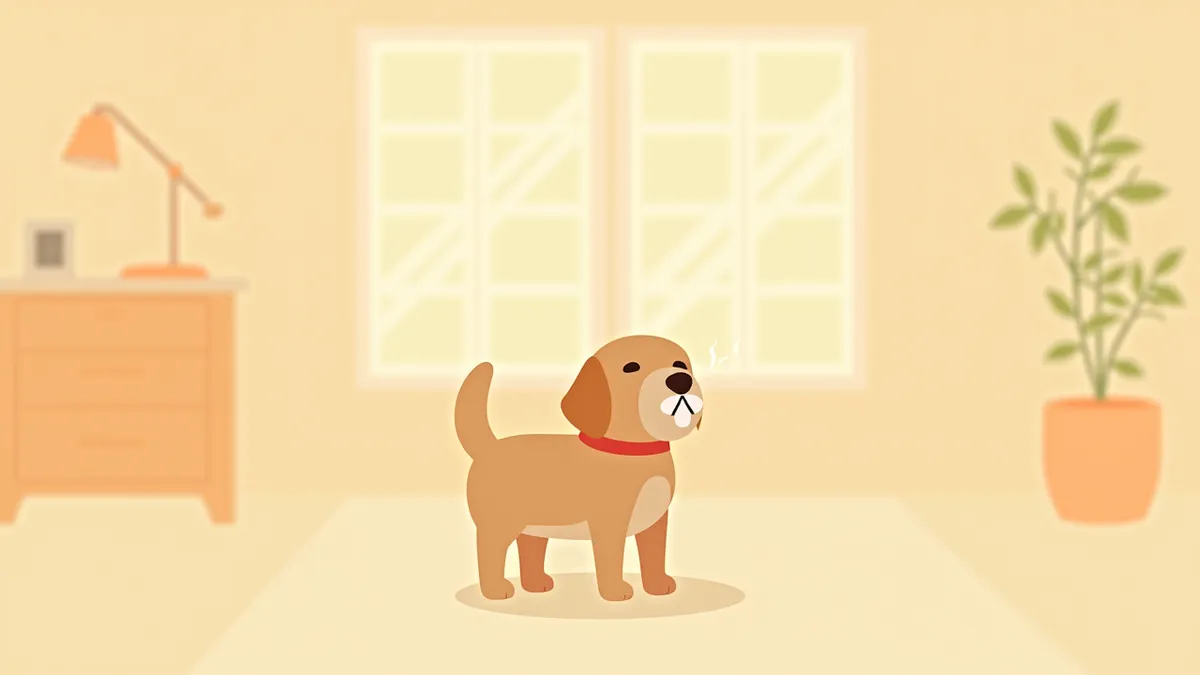
Three Levels of Sneezing Severity: Judgment Criteria
| Item | Main Symptoms | Recommended Action |
|---|---|---|
| Mild | Only occasional sneezing, clear nasal discharge, normal appetite and energy | Observe for 1–2 days |
| Severe | Frequent, repeated sneezing, yellow/green nasal discharge, accompanied by coughing and eye discharge | Visit the vet soon |
| Emergency | Nosebleed/blood-tinged nasal discharge, difficulty breathing, lethargy and complete loss of appetite | Go to the vet immediately |
If symptoms persist for more than a few days or worsen rapidly, go to the vet immediately regardless of stage.
Identifying the Cause Through Accompanying Symptoms — Checklist
If You See These Symptoms, Go to the Vet Immediately
If your pet is bleeding from the nose or has blood-tinged nasal discharge, take them to a veterinary clinic immediately. Other emergency signs include abnormally rapid or labored breathing, open-mouth breathing, pale or bluish gums (cyanosis), sudden weakness, or difficulty standing. These are critical signs of respiratory distress that require urgent attention—go to the vet right away. Do not attempt to block the nose or force a nasal flush at home.
Infectious Causes — When Viruses and Bacteria Are the Culprits
Non-Infectious Causes — Allergies, Foreign Bodies, and Reverse Sneezing

Diagnosis and Treatment Approaches at the Veterinary Clinic
Small-Breed and Senior Dogs May Deteriorate More Quickly
Small-breed and senior dogs require closer monitoring, even when the symptom is just sneezing. Older dogs are relatively more likely to have underlying conditions such as chronic bronchitis or tumors, so the cause may not be a simple infection. In small-breed dogs, structural airway issues like tracheal collapse can also worsen coughing and respiratory symptoms. Therefore, if sneezing persists for several days or your small-breed or senior dog appears to be struggling to breathe, don’t hesitate to visit the vet.
Preventing Sneezing and Home Care Tips
Reviewed by a veterinarian

Dr. Tony — Punnawat Phongkittirak
VeterinarianA veterinarian who majored in veterinary medicine at Khon Kaen University, Thailand, and completed the IVSA program at North Carolina State University in the United States. Drawing on clinical experience at animal hospitals, he works in the pet healthcare field and is dedicated to building a digital care environment that connects pet parents with veterinarians.
Reviewed 2026-06-01
Frequently Asked Questions
My dog has sneezed more than 10 times in a row. Should I take him to the vet?
It sounds like they’re making a squeaky noise while sucking in air. Is this also a sneeze?
Can a dog's cold be transmitted to humans?
Why is my pet only getting a runny nose from one nostril?
Is it okay if my pet sneezes blood?
Share
Related Guides
Top Recommended Feline Bronchodilators and Selection Criteria: A Complete Guide

Best Recommendations and Selection Criteria for Monitoring Your Cat’s Respiratory Rate (RR) During Sleep for Heart Care
Best Recommendations and Selection Criteria for Monitoring Your Dog’s Respiratory Rate (RR) During Sleep for Heart Care
Dog Skin Bruises and Petechiae: Causes and Criteria for When to Visit the Vet
Symptoms and Management of Liver Disease in Dogs
Early Signs of Kidney Failure in Dogs and How to Manage It
Dog Seizure First Aid Guide

Causes of Feline Diarrhea and Emergency Care

Causes of Feline Constipation and How to Manage Them

Types of Feline Skin Diseases and How to Manage Symptoms
References
[1] Nelson, R.W. & Couto, C.G., Small Animal Internal Medicine, 5th edition, Elsevier, 2014
[2] Ettinger, S.J., Feldman, E.C. & Côté, E., Textbook of Veterinary Internal Medicine, 8th edition, Elsevier, 2017
[3] Cohn, L.A., Canine Nasal Disease, Veterinary Clinics of North America: Small Animal Practice, 44(1), 2014
[4] Syring, R.S. et al., The Veterinary Workbook of Small Animal Clinical Cases, Case 43: Upper Respiratory Infection, Wiley-Blackwell, 2021