Like
Share
멍실장
고양이 요로폐색 증상과 응급 대처

Feline Urinary Tract Obstruction: Symptoms and Emergency Response

UrinarySymptomsMeongsiljang Veterinary Advisory Board

Feline lower urinary tract obstruction is a life-threatening emergency in which the urethra becomes blocked, preventing urination. It is most common in male cats. Here’s a clear overview of the symptoms, causes, hospital treatment process, and ways to prevent recurrence.

Why Is Feline Urinary Tract Obstruction an Emergency?
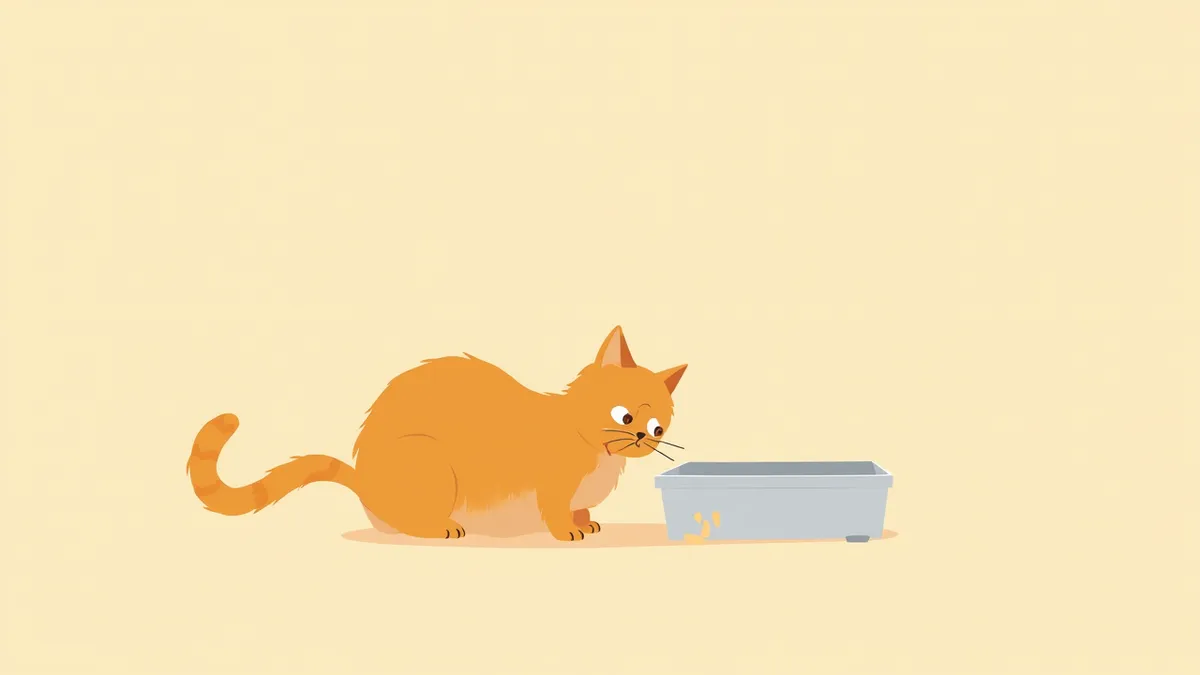
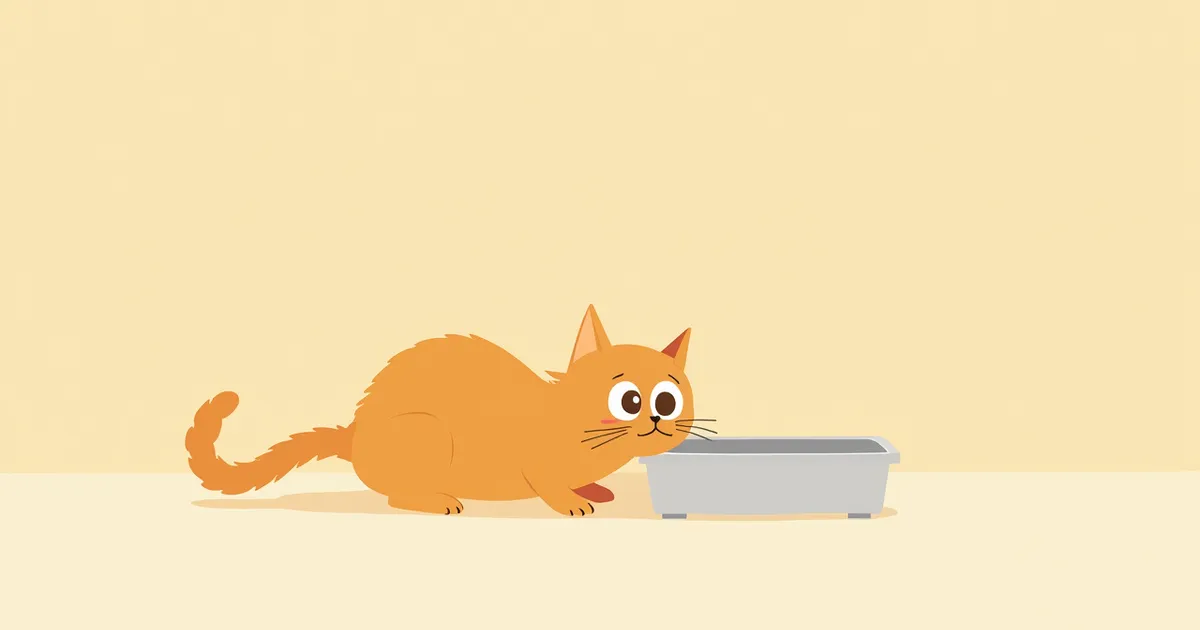
An illustration of a cat showing discomfort in front of the litter box
Feline urinary tract obstruction is an emergency that requires immediate veterinary attention. It occurs when the urethra becomes blocked, preventing the cat from urinating at all. According to veterinary emergency medicine textbooks, urinary tract obstruction is one of the most common acute emergencies in male cats. Male cats are at much higher risk of blockage than females because their urethra is narrower and longer. If not treated promptly, it can lead to acute kidney failure and electrolyte imbalances (such as hyperkalemia), which can be life-threatening.

What Causes Urinary Tract Obstruction?

There are many possible causes of feline lower urinary tract obstruction, as outlined in standard veterinary emergency medicine textbooks.
CauseDescriptionFrequency
Urethral plugA blockage formed by the accumulation of proteins, crystals, and cellular debris in the urethraMost common
Uroliths (urinary stones)Struvite or calcium oxalate stones become lodged in the urethraNot uncommon
Urethral spasmInflammation causes the urethral muscles to contract, leading to obstructionReported as one of the causes
Blood clot or mucus plugBlood clots or mucus resulting from bleeding or inflammation obstruct the urethraReported as a common cause
IdiopathicCases in which no specific cause can be identifiedA significant number of cases

Suspect Urinary Tract Obstruction If You See These Symptoms

Repeated trips to the litter box: Your pet frequently enters the litter box but produces little to no urine, or only passes a few drops at a time.
Vocalizing during urination: Your pet cries out or makes distressed sounds while straining to urinate.
Abdominal pain on palpation: Your pet reacts with significant pain or aggression when the lower abdomen (bladder area) is touched.
Vomiting and loss of appetite: Toxins that should be eliminated through urine accumulate in the body, leading to vomiting and a complete refusal to eat.
Lethargy: Unlike their usual behavior, your pet remains inactive and hides in corners.
Repeated licking of the genital area: Due to discomfort, your pet continuously licks the genital region.
Illustration of a checklist for cats showing symptoms of urinary tract obstruction

Go to an Emergency Clinic Immediately If Unable to Urinate for Over 12 Hours

If your cat is unable to urinate at all, especially when accompanied by vomiting, lethargy, and loss of appetite, take them to a 24-hour emergency veterinary clinic immediately. Failure to pass urine can lead to acute kidney failure and severe electrolyte imbalances. Elevated blood potassium levels can result in life-threatening cardiac arrhythmias, such as bradycardia and circulatory collapse. In cases of urinary tract obstruction, time is of the essence.

Why Does It Occur More Frequently in Male Cats?

According to veterinary textbooks, the male cat’s urethra is narrower and longer than the female’s, with the narrowest point located at the distal end near the tip of the penis. Most cases of urinary tract obstruction occur precisely in this constricted area. Female cats have a shorter, wider urethra, so they are less likely to experience blockage even if stones or plugs of the same size form. As a result, urinary tract obstruction is a condition that occurs far more frequently in males than in females. However, it can rarely occur in females due to stones or tumors, so any signs of abnormal urination should be evaluated regardless of sex. Additionally, obesity, indoor living, stress, and a diet primarily consisting of dry food are known risk factors.

What Treatments Are Provided at the Clinic?
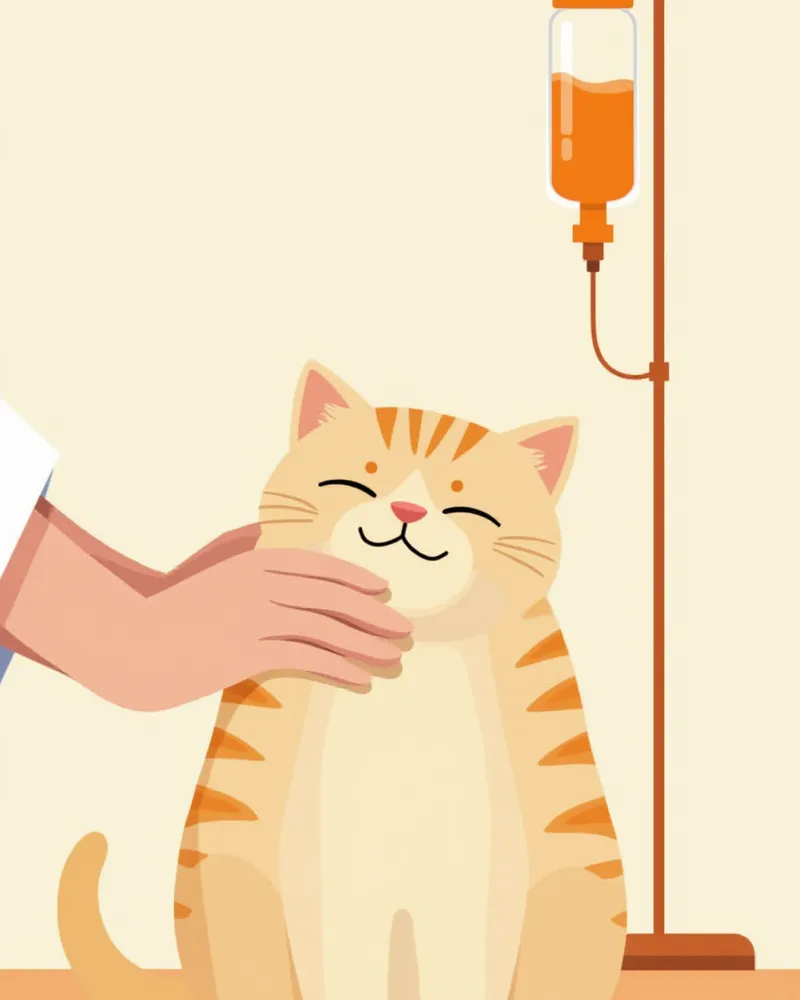
Upon arrival at the clinic, the veterinarian will first check kidney function and electrolyte levels through blood and urine tests. The cornerstone of treatment is urethral catheterization. The catheter helps flush out or wash away the blockage to restore urine flow. While catheterization is the standard treatment, some stable cats without severe metabolic abnormalities or stones may be considered for non-catheter decompression methods. After catheter placement, the cat will be hospitalized for the necessary duration to receive fluid therapy, correct dehydration, and monitor kidney values until they return to normal.
An illustration of a cat receiving treatment at a veterinary clinic

Surgery May Be Necessary for Recurrent Cases

According to veterinary emergency medicine textbooks, a perineal urethrostomy may be considered for male cats with recurrent urinary tract obstructions. This procedure involves removing the narrow distal portion of the urethra and creating a new, wider urinary opening. After surgery, the widened urethra significantly reduces the likelihood of blockage. However, the surgery does not prevent stone formation itself. Dietary management and regular check-ups remain essential post-operatively.

Closely Monitor for Signs of Recurrence After Discharge

Urinary tract obstruction is a condition with a high risk of recurrence once it has occurred. Since re-obstruction can happen shortly after discharge, special attention is required. Continue to closely monitor your pet’s urine output, urination posture, and appetite changes after going home. If you notice straining or an inability to urinate, contact your veterinarian immediately.

Lifestyle Management to Prevent Urinary Tract Obstruction

Increase water intake: The most important step is to increase your cat’s daily water consumption. Effective strategies include feeding wet food, placing multiple water bowls around the home, and using a filtered water fountain.
Maintain a healthy weight: Obesity is a risk factor for urinary tract diseases. Adjust portion sizes to help your cat maintain an ideal body weight.
Manage stress: Stress from environmental changes or conflicts in multi-cat households is a major trigger for lower urinary tract disease. Provide one litter box per cat plus one extra, and ensure there are quiet, safe spaces available.
Regular check-ups: Having urine tests performed every six to twelve months can help detect stones or crystals before they form.
An illustration of a healthy cat drinking water from a water dispenser

Reviewed by a veterinarian

Dr. Tony — Punnawat Phongkittirak

Dr. Tony — Punnawat Phongkittirak

Veterinarian

A veterinarian who majored in veterinary medicine at Khon Kaen University, Thailand, and completed the IVSA program at North Carolina State University in the United States. Drawing on clinical experience at animal hospitals, he works in the pet healthcare field and is dedicated to building a digital care environment that connects pet parents with veterinarians.

Frequently Asked Questions

Can female cats also develop urinary tract obstruction?
Female cats have a shorter and wider urethra, so they are much less likely to develop urinary tract obstructions than males. However, obstructions can occasionally occur due to bladder stones or tumors, so if you notice any signs of abnormal urination, it’s important to visit the vet.
How much does treatment for a urinary tract obstruction cost?
Treatment costs vary depending on the severity of the obstruction, the length of hospitalization, and whether complications arise. Your veterinarian will provide a precise cost estimate during your consultation.
Will switching to a different food prevent the problem?
Prescription diets can help reduce the formation of urinary stones, but food alone cannot provide 100% prevention. For optimal results, it’s essential to also ensure adequate water intake, maintain a healthy weight, and manage stress.
Are urinary tract obstruction and cystitis different conditions?
Cystitis is an inflammation of the bladder, while urinary tract obstruction occurs when the urinary passage itself becomes blocked. According to veterinary textbooks, inflammation can increase protein and mucus levels in the urine, which raises the risk of forming a urethral plug. Cystitis is relatively common, but urinary tract obstruction is a medical emergency.
Does neutering reduce the risk of urinary tract obstruction?
Neutering itself does not directly prevent urinary tract obstruction. Regardless of whether a pet is neutered, the key to prevention lies in adequate water intake, proper diet management, and weight control.

Share

Related Guides

References

[1] Feline Emergency and Critical Care Medicine, 2nd Ed — Chapter 42: Emergency Urinary Surgery

[2] The Veterinary Workbook of Small Animal Clinical Cases — Case 19: Urethral Obstruction in Cats

[3] Advanced Monitoring for Small Animal Emergency and Critical Care, 2nd Ed — Urinary Catheterization

[4] Segev G, Livne H, Ranen E, Lavy E. Urethral obstruction in cats: predisposing factors, clinical, clinicopathological characteristics and prognosis. J Feline Med Surg 2011;13(2):101–108.

This information is based on veterinary literature and does not replace diagnosis or treatment. Please consult a veterinarian for specific health concerns.

Metapet Co., Ltd. | CEO: Park Sung-yong | Business Reg. No. 417-88-02562 | Seoul, South Korea | Customer Center

Feline Urinary Obstruction: Symptoms & Emergency Care | Meongsiljang