

If Your Dog’s Gums or Tongue Turn Blue — Causes of Cyanosis and When to Go to the Vet
Cyanosis, where your dog's gums or tongue turn blue, is an emergency symptom that requires immediate attention. We've outlined the causes, ranging from heart and respiratory issues, along with step-by-step response methods and signs indicating when to head straight to the vet.
Dog Cyanosis: Check Immediately If You See These Symptoms
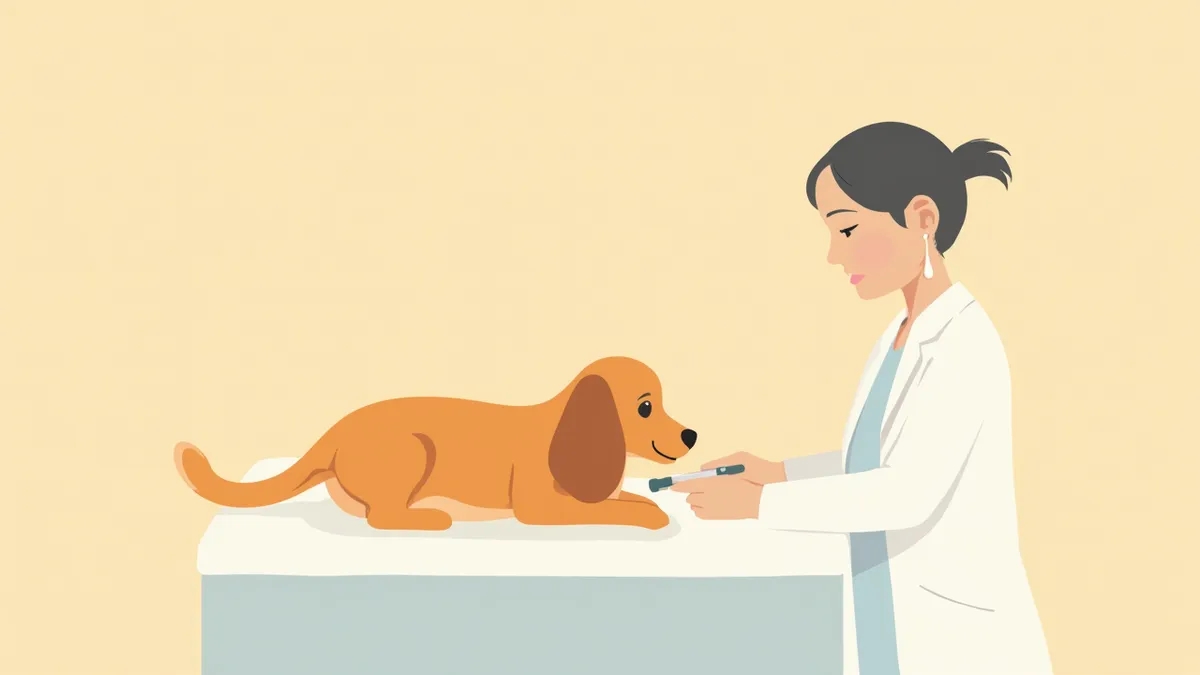
Cyanosis Severity Assessment Guide
| Item | Caution stage | Danger stage | Immediate emergency |
|---|---|---|---|
| Gum/tongue color | Slightly purplish | Distinctly purple/blue | Blue/gray |
| Breathing status | Rapid and shallow | Severe gasping | Barely breathing |
| Level of consciousness | Present, anxious | Dazed or staggering | Unresponsive/collapsed |
| Recommended response | Book a vet appointment same day | Go to the ER now | Call the vet while en route |
Check gum color under natural light. Colors may look different under fluorescent light.
Checklist of Symptoms Accompanying Cyanosis

If You See These Signs, Go to the Emergency Room Immediately
If your dog’s gums turn blue or gray, they struggle to breathe, or they lose consciousness, do not wait—seek immediate veterinary care. Cyanosis can become life-threatening within minutes. Keep your dog lying down and minimize movement while transporting them. Call the clinic ahead of time to inform them of your estimated arrival time.
Main Cause of Cyanosis ① — Heart Disease
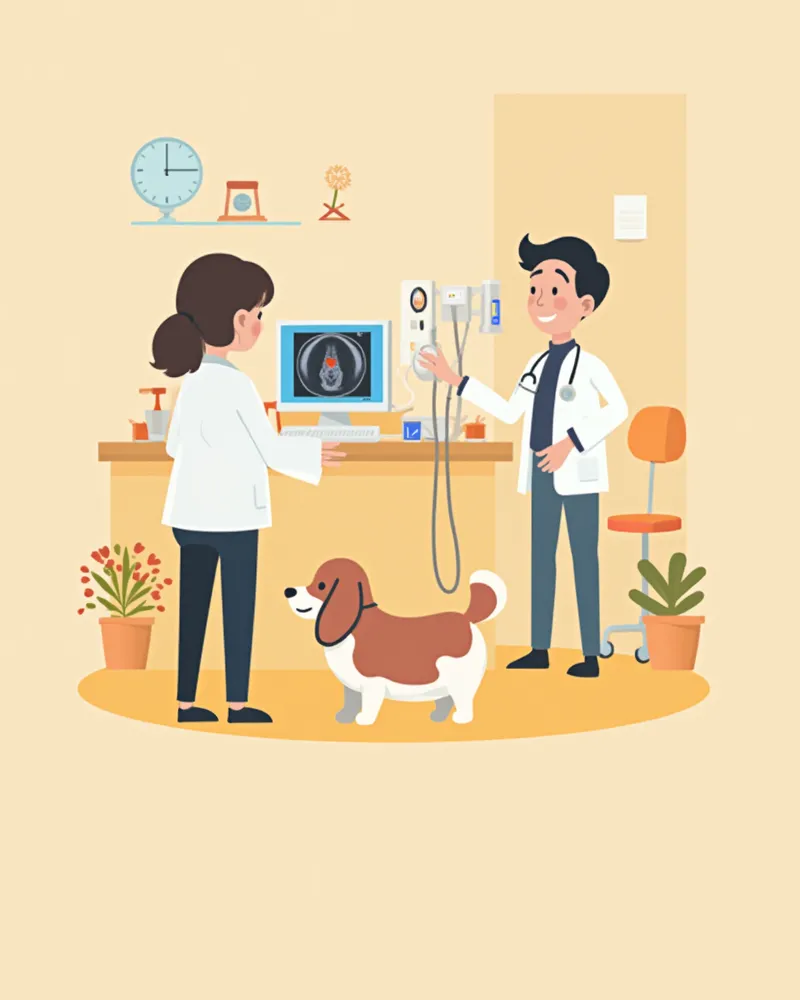
Main Cause of Cyanosis ② — Respiratory Issues and Other Causes
Step-by-Step Response — Actions to Take After Discovering Cyanosis
If You Have a Small-Breed or Senior Dog, Always Check Gum Color
Small-breed dogs are prone to heart disease, and senior dogs often have weakened cardiopulmonary function, increasing their risk of cyanosis. Healthy gums should be moist and pink. Make it a habit to check your dog’s gum color under natural light once a month; this helps you catch warning signs early. If you notice any color change from the norm, consult your veterinarian right away.
Daily Care Points for Preventing Cyanosis

Reviewed by a veterinarian

Dr. Tony — Punnawat Phongkittirak
VeterinarianA veterinarian who majored in veterinary medicine at Khon Kaen University, Thailand, and completed the IVSA program at North Carolina State University in the United States. Drawing on clinical experience at animal hospitals, he works in the pet healthcare field and is dedicated to building a digital care environment that connects pet parents with veterinarians.
Reviewed 2026-05-28
Frequently Asked Questions
Can you perform emergency first aid at home if your dog shows signs of cyanosis?
My pet had a brief episode of bluish discoloration, but they seem fine now. Should I take them to the vet?
My dog’s gums have a slight purple tint. Could this be an early sign of cyanosis?
Which breeds are more susceptible to cyanosis?
How can you tell the difference between cyanosis and pale gums (a sign of anemia)?
Share
Related Guides
Coenzyme Q10 Benefits and Administration Guide
Dog Pulmonary Edema Warning — 7 Best Diuretics (Furosemide) for Heart Management

7 Best Prescription Diets for Feline Heart Disease Recommended by Veterinarians — Criteria for Choosing Low-Sodium Food
Symptoms of Medication Overdose and Emergency Response

How to Handle Food Poisoning and Spoiled Food in Dogs and Cats

Complete Guide to Handling Dog Electrical Cord Chewing Accidents

Causes and Management of Loss of Appetite in Senior Dogs

Snakebite Emergency Response
How to Handle Dog Bite Wounds: From First Aid to Veterinary Treatment

Emergency Response for Dog and Cat Fall Injuries
References
[1] Nelson, R.W. & Couto, C.G. (2019). Small Animal Internal Medicine, 6th Ed. Elsevier. Chapter 7: Approach to the Patient with Respiratory Distress.
[2] Ettinger, S.J., Feldman, E.C. & Côté, E. (2017). Textbook of Veterinary Internal Medicine, 8th Ed. Elsevier. Chapter 25: Cyanosis.
[3] Bexfield, N. & Lee, K. (2014). Notes on Canine Internal Medicine, 4th Ed. Wiley-Blackwell.