
Like
Share
멍실장
반려동물 출혈 지혈 응급처치

Emergency First Aid for Bleeding in Pets

ImmunitySymptomsMeongsiljang Veterinary Advisory Board

We’ve outlined the emergency first-aid steps for controlling bleeding and the warning signs to watch for that pet owners should take before reaching the veterinary clinic in cases of bleeding in dogs and cats.

What Is Emergency First Aid for Bleeding in Pets?

A pet owner applying gauze and pressure to stop bleeding from a dog's leg wound.
First aid for bleeding in pets involves the initial steps you can take to control bleeding and stabilize your pet’s condition before reaching the veterinary clinic. The most critical action is to apply direct pressure with clean (sterile) gauze until the bleeding is controlled. If blood is spurting or doesn’t stop after five minutes, it could indicate a damaged blood vessel, so maintain pressure and head to the clinic immediately. Veterinary emergency medicine textbooks emphasize that for severe injuries, it’s essential to stabilize the entire body and check for internal damage before addressing external wounds. Therefore, calmly assessing the airway, breathing, and circulation (ABCs) can be life-saving.

Assessing Bleeding Severity and Urgency

The severity of bleeding varies depending on its color, flow, and volume. Use the table below to quickly assess the situation and determine the appropriate next steps.
SeverityCharacteristicsOwner Action
MildBlood seeping out; minor scratchesDisinfect the area and monitor at home
ModerateContinuous bleeding; 1–2 gauze pads soaked redApply pressure for 5 minutes, then visit a vet
SevereSpurting blood (arterial); signs of shockMaintain pressure and seek immediate veterinary care
Suspected internal bleedingPale, weak, or distended abdomen, even without traumaCarry the pet directly to an emergency clinic

Critical Bleeding Warning Signs to Check
It’s not just visible bleeding that’s dangerous. If you notice any of the following signs, suspect internal bleeding or shock.
Gum color: Pale or gray gums instead of pink may indicate hemorrhagic shock.
Breathing: Shallow, rapid breathing or panting signals oxygen deprivation.
Pulse: A weak, rapid pulse on the inner thigh suggests poor circulation.
Consciousness: No response when called or stumbling indicates reduced blood flow to the brain.
Abdomen: A distended belly without external injury could mean internal bleeding in the abdominal cavity.
A veterinarian checking a puppy's gum color and pulse.

When to Go Immediately to the Emergency Clinic

If any of the following apply, do not attempt home treatment. Maintain pressure to control bleeding and go immediately to a 24-hour veterinary clinic. - Blood spurts in rhythm with the heartbeat (arterial bleeding) - Bleeding does not stop after applying firm pressure for 5 minutes - The gums are pale or consciousness is impaired - Blood is coming from the nose, mouth, anus, or urethra - The animal is lethargic or collapsing after a traffic accident or fall, even if no external injuries are visible

Hemostasis Methods by Bleeding Site

The method of applying pressure varies slightly depending on the affected area. The fundamental principle in veterinary emergency medicine is to apply direct pressure with clean gauze or a bandage until bleeding is controlled. For extremities such as the paws and legs, elevate them above the level of the heart. For areas where direct pressure is difficult, such as the abdomen or chest, simply apply gauze and transport the pet to a clinic immediately. A clean hand towel or bath towel can also be used as a temporary measure. Tourniquets are specialized equipment that carry the risk of tissue necrosis; therefore, we do not recommend that pet owners apply them.

Comparison of Hemostasis Tips by Site

ItemNailsEars/tailLegs/torso
Compression time3–5 minutes5–10 minutes5 minutes or more
AidsStyptic powder, cornstarchBandage, elastic bandGauze + bandage
Criteria for visiting the hospitalIf bleeding doesn't stop within 10 minutesVisit later even if bleeding stopsImmediately
CautionsWatch for nail root infectionEar shaking causes rebleedingNo direct tourniquet

ABCD Emergency First Aid Steps to Follow at Home

When veterinarians see emergency patients, they first look for bleeding sites and assess circulatory (perfusion) status. Pet owners can also reduce mistakes by checking in the ABCD order below.
A (Airway): Check for blood, foreign objects, or vomit in the mouth and remove them.
B (Breathing): Observe whether the chest is rising and falling, and check if breathing is too rapid or has stopped.
C (Circulation): Check gum color and pulse, and apply pressure to bleeding sites.
D (Disability): Check for consciousness, posture, and seizures.
Following this order helps you stay calm and ensures you don’t miss the most important steps.
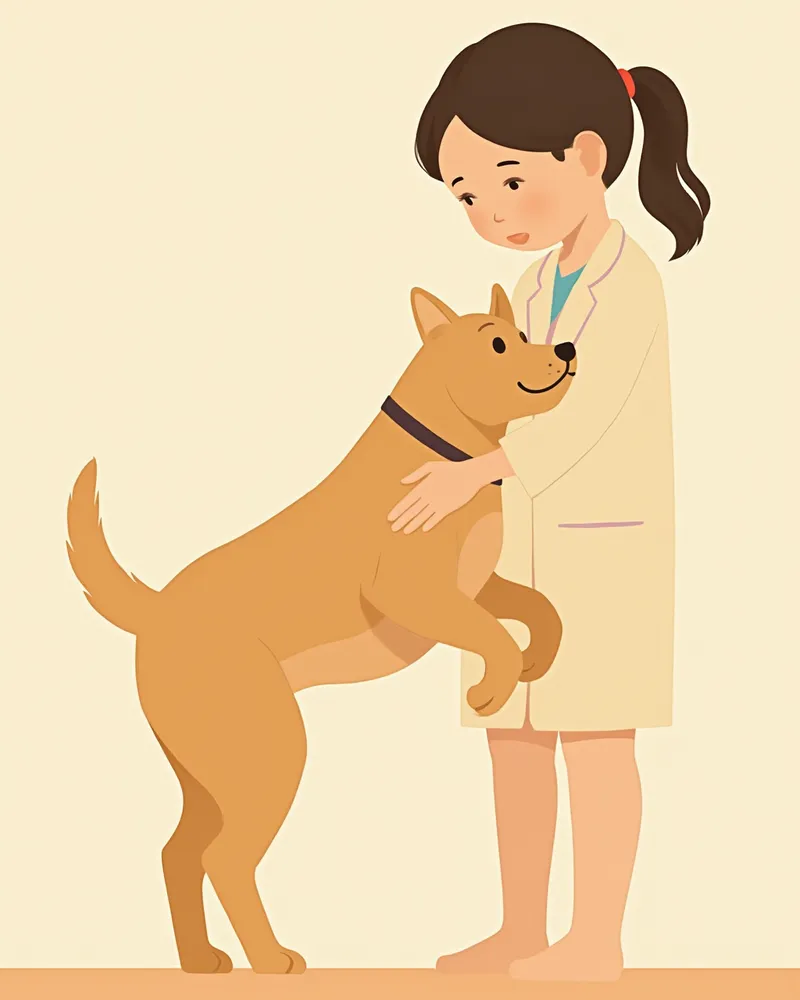
A pet owner checking on their dog according to the emergency treatment procedure

Special Precautions for Cats and Small-Breed Dogs

Cats and small-breed dogs have a smaller total blood volume, so even the same amount of blood loss can lead to shock much more quickly. According to veterinary anesthesia and emergency medicine textbooks, losing more than 15% of total blood volume triggers early signs of shock, such as pale gums, rapid heart rate, and cold extremities. When blood loss exceeds 30%, the condition rapidly worsens into severe shock, characterized by low blood pressure and decreased consciousness. Because small animals have a lower absolute blood volume, they reach these critical thresholds faster, so even seemingly minor bleeding should never be taken lightly. Since cats are highly sensitive to stress, wrap them in a towel, place them in a carrier, and transport them as quietly as possible. Small dogs lose body heat quickly, so wrap them in a blanket to maintain warmth.

Post-Hemostasis Care and Preventing Rebleeding

Bleeding stopping doesn’t mean the healing process is over. For the next 24 hours, check the wound frequently and keep your pet from licking it by using an Elizabethan collar. If you’ve applied a bandage, remove it immediately if you notice the toes feel cold or look swollen, as this indicates the bandage is too tight. Clean the area with chlorhexidine or saline solution; avoid alcohol and hydrogen peroxide, which can irritate the tissue. If swelling or discharge persists after 48 hours, there may be an infection, so please visit your veterinarian.
A dog resting with a cone collar and bandaged paw.

Essential Emergency Kit Items to Keep at Home

Emergencies strike without warning. Keep the following items in a clearly visible spot so you can act quickly in the early stages.
Sterile gauze and bandages: Essential for direct pressure.
Self-adhesive elastic bandage: For securing dressings; use a pet-specific version.
Normal saline: The safest option for wound irrigation.
Chlorhexidine solution: Dilute before using as an antiseptic.
Hemostatic powder: Useful for bleeding from nail injuries.
Elizabethan collar, transport carrier, and blanket: Necessary for safe transport and maintaining body temperature.
24-hour emergency clinic phone number: Keep it posted on your refrigerator.

Reviewed by a veterinarian

Dr. Tony — Punnawat Phongkittirak

Dr. Tony — Punnawat Phongkittirak

Veterinarian

A veterinarian who majored in veterinary medicine at Khon Kaen University, Thailand, and completed the IVSA program at North Carolina State University in the United States. Drawing on clinical experience at animal hospitals, he works in the pet healthcare field and is dedicated to building a digital care environment that connects pet parents with veterinarians.

Frequently Asked Questions

My pet’s nail broke and is bleeding. Can I stop the bleeding at home?
Yes, bleeding from a nail usually stops within 3 to 5 minutes if you apply styptic powder or cornstarch and press firmly. However, if the bleeding persists for more than 10 minutes or if your pet seems in pain when walking, there may be damage to the nail bed or a risk of infection, so it’s important to have it checked at a veterinary clinic.
Is it okay to tie a tourniquet tightly?
We don’t recommend that pet owners apply a tourniquet themselves. If it’s tied too tightly, it can cause tissue necrosis and nerve damage; if it’s too loose, it may actually worsen the bleeding. It’s safer to apply firm pressure with a clean gauze pad for at least five minutes while transporting your pet to the clinic.
Can I apply ointment directly to the wound?
Do not apply ointment until the bleeding has stopped. Doing so can make pressure hemostasis more difficult and allow the ointment to remain in the wound as a foreign body, increasing the risk of infection. The proper approach is to first control the bleeding, clean the area with sterile saline, and then apply only the ointment prescribed by your veterinarian.
There’s no visible bleeding, but my pet is lethargic and weak after a traffic accident. Is this okay?
This is definitely not okay. Even if there are no visible external injuries, there is a very high likelihood of internal bleeding in the abdominal or thoracic cavity. Pale gums and rapid breathing indicate that your pet is going into shock. Wrap them in a blanket to minimize movement, carry them carefully, and head to a 24-hour veterinary clinic immediately.
My cat frequently has nosebleeds. Is this an emergency?
Recurrent nosebleeds may not be simple accidents but could signal systemic conditions such as clotting disorders, tumors, or high blood pressure. It is especially concerning if the bleeding occurs from only one nostril or if you also notice bruising on the gums or skin. It’s best to bring the used tissue with the blood and seek veterinary care on the same day.

Share

Related Guides

References

[1] Drobatz KJ, Reineke EL, Costello MF, Culp WTN. Feline Emergency and Critical Care Medicine, 2nd Ed. Wiley-Blackwell, 2018

[2] Silverstein DC, Hopper K. Small Animal Critical Care Medicine, 3rd Ed. Elsevier, 2023

[3] The Dog Care Handbook: Things I Wish My Vet Had Told Me — Emergency Chapter

This information is based on veterinary literature and does not replace diagnosis or treatment. Please consult a veterinarian for specific health concerns.

Metapet Co., Ltd. | CEO: Park Sung-yong | Business Reg. No. 417-88-02562 | Seoul, South Korea | Customer Center

Emergency First Aid for Bleeding in Dogs and Cats | Meongsiljang