
Dog Pancreatitis: How to Tell if It’s Acute or Chronic — From Symptoms to Dietary Management
If your dog experiences repeated vomiting and loss of appetite, it could be pancreatitis. We’ve compiled evidence-based information from veterinary textbooks, including how to distinguish between acute and chronic forms, emergency symptoms, and low-fat dietary management.

Why Your Cat Is Meowing Excessively
We’ve outlined the behavioral and medical causes to consider when a cat meows excessively, along with steps owners can take to help.

Emergency Response for Respiratory Arrest — Golden Time Guide for Dog and Cat CPR
Respiratory arrest in dogs and cats is an emergency that requires immediate action within four minutes. We’ve outlined everything pet owners need to know, including how to confirm breathing has stopped, the correct sequence for rescue breathing and chest compressions, and when to transport your pet to the hospital.

Causes of Frequent Urination in Dogs
Frequent urination in dogs can be a sign of conditions such as cystitis, urinary stones, or diabetes. We’ve compiled a guide to help you determine the cause and urgency, along with a checklist you can use at home.

Heartworm Infection Symptoms and Treatment
What symptoms appear when infected with heartworms, and how is treatment carried out? Here’s a summary of symptoms and treatment processes by infection stage.

If Your Dog or Cat Falls from a Height — Dangerous Internal Injury Signs Even If They Look Fine
We’ve compiled the emergency symptoms that can appear when dogs or cats fall from heights, the criteria for when you should immediately visit a vet, and how to safely transport and monitor your pet.

Causes and Treatment of Canine Paw Eczema
Canine foot eczema is a condition characterized by inflammation of the skin between the toes. This guide covers everything from causes and symptoms to treatment and home care, all based on evidence from veterinary dermatology textbooks.

Causes of Cat Vomiting and How to Respond
Cat vomiting can stem from a variety of causes, ranging from hairballs to serious internal diseases. We’ve compiled a comprehensive guide based on veterinary textbooks, covering how to assess the urgency of vomiting, how to respond depending on the cause, and preventive care strategies.

My Dog Vomited — Should I Go to the Vet Now or Wait?
Dog vomiting can stem from a wide range of causes, from simple overeating to intestinal obstruction. Based on veterinary textbooks, we’ve outlined the causes behind different vomit colors, emergency warning signs, and initial home care steps.

Dog Allergy Symptoms and Management
Itching is the most common symptom of allergies in dogs. We’ve compiled a guide based on veterinary textbooks to help you distinguish between atopic, food, and flea allergy symptoms, as well as proper diagnosis and management methods.

Cat Dysuria: Causes, Step-by-Step Management, and Signs It’s Time to Go to the Vet
If your cat is straining in the litter box but no urine comes out, it may be experiencing difficulty urinating. We’ve clearly outlined everything you need to know—from identifying the cause and assessing urgency to hospital treatment and home care.

Causes of Excessive Drooling in Dogs, Step-by-Step Response, and Signs Indicating a Vet Visit: A Complete Guide
If your dog suddenly starts drooling excessively, it’s important to first identify the cause, which could be a foreign object in the mouth, periodontal disease, poisoning, or a neurological issue. We’ve outlined the urgency level 3 and the signs that indicate an immediate trip to the vet.

If Your Cat’s Belly Is Suddenly Swollen — Causes of Abdominal Distension and When to Visit the Vet
If your cat’s belly suddenly swells, it could be due to serious conditions such as ascites, FIP, or intestinal obstruction. We’ve outlined the criteria for assessing urgency and the signs that indicate an immediate vet visit, step by step.

If Your Cat Develops Ascites — Causes and When to Visit the Vet
Feline ascites is a sign of serious underlying conditions such as FIP, liver disease, or heart disease. We’ve outlined the diagnostic methods and treatment approaches for each cause, as well as the warning signs that require an immediate visit to an emergency veterinary clinic.

Canine Ascites: Causes, Step-by-Step Management, and Signs Requiring Veterinary Care
Canine ascites is a sign of serious underlying conditions such as heart, liver, or kidney disease, or tumors. We’ve outlined the symptoms by cause, step-by-step management strategies, and warning signs that require immediate veterinary attention.

My Cat Keeps Stumbling — Causes of Balance Loss and When to Go to the Vet
If your cat suddenly starts stumbling or collapses, it could indicate a problem with the vestibular system or the central nervous system. Here’s how to assess the urgency based on the cause and the warning signs that mean you should head to the vet immediately.

Dog Balance Loss: Causes, Step-by-Step Management, and Signs Requiring Veterinary Care
If your dog suddenly starts stumbling or tilting its head, it could indicate an issue with the inner ear’s vestibular system or a neurological problem in the brain. We’ve outlined the symptom differences based on the underlying cause, along with warning signs that require immediate veterinary care.

My Cat Is Trembling — Causes and Emergency Signs That Mean It’s Time to Go to the Vet
The causes of trembling in cats range from cold and fear to epilepsy, poisoning, and kidney failure. We’ve outlined the urgency levels and the warning signs that mean it’s time to rush to an emergency vet.

Causes of Cat Stumbling, Step-by-Step Response, and Signs You Need to Go to the Vet: A Complete Guide
There are many possible causes for a cat stumbling, ranging from vestibular system disorders to brain tumors and poisoning. We’ve outlined how to assess urgency based on symptom severity and the warning signs that mean you should head to the vet right away.

Causes of Dog Stumbling, Step-by-Step Response, and Signs You Need to Go to the Vet: A Complete Guide
If your dog suddenly starts stumbling while walking, it could be a sign of a neurological or vestibular issue, or an ear problem. Here’s a step-by-step breakdown of the causes and their urgency.

My Cat Is Lethargic — Causes of Lethargy and Warning Signs to Visit the Vet
If your cat suddenly becomes lethargic and refuses to move, the cause could range from neurological issues to systemic illnesses. Learn how to accurately assess the urgency based on the duration of symptoms and any accompanying signs.

Dog Limping — A Guide to Suspected Conditions by Front and Hind Leg Causes
When a dog limps, the suspected condition varies depending on which leg is affected. Here’s a breakdown of the differences in causes between front and hind legs, along with warning signs that require an immediate vet visit.

Insect Emergencies (Bees, Wasps, Ticks, and More)
We’ve compiled a guide to help you recognize symptoms in pets during insect-related emergencies—such as bee, wasp, tick, caterpillar, centipede, and fire ant stings or bites—and outline step-by-step first aid measures and criteria for when to visit the vet.

Emergency Response for Cats with Rapid Breathing
We’ve outlined the warning signs pet owners should immediately check for when their cat is breathing rapidly or panting with its mouth open, along with the proper emergency response steps. This guide walks you through each stage, from assessing the urgency to transporting your cat to the vet.

Causes and How to Check When Your Dog Drinks a Lot of Water
If your dog is drinking more water than usual, it could be a sign of an underlying health issue rather than simple thirst. Here’s a breakdown of daily water intake guidelines and when to visit the vet.

Causes of Dog Tremors and Assessing Urgency
Dogs may tremble for a variety of reasons, ranging from normal responses like cold or excitement to serious conditions such as poisoning or seizures. We’ve outlined the criteria for assessing urgency and key points to check at home.

Causes of Fever in Dogs and How to Respond
We’ve put together a guide on the causes of fever in dogs and how to respond at each stage. You can easily check the normal body temperature range and the signs that indicate an immediate trip to the vet.

Emergency Response for Dog Heatstroke
We’ve outlined the stage-by-stage symptoms of heatstroke in dogs, along with on-site first aid, veterinary treatment, high-risk breeds, and summer prevention tips.

Feline Stress Signals and Management: A Comprehensive Guide to Key Signs Owners Often Miss
Feline stress manifests as behavioral changes triggered by external stimuli or environmental shifts. It’s crucial for pet owners to accurately recognize these often-overlooked signs and intervene early.

When a Membrane Covers Your Cat’s Eye — Causes and Suspected Conditions of Third Eyelid (Nictitating Membrane) Exposure
When a cat’s third eyelid becomes visible, it can be caused by a range of issues, from mild lethargy to Horner’s syndrome or even eye pain. The urgency is determined by whether one or both eyes are affected and by any accompanying symptoms.

Why Is My Cat Grooming So Much? — Causes of Overgrooming and Hidden Disease Signals
Excessive grooming, such as frequent scratching or obsessive licking of a specific area, can be a sign of various skin conditions in cats, including flea allergy, atopy, food allergies, and fungal infections. Here’s a summary of patterns by body part, emergency criteria, and treatment approaches based on the underlying cause.

If Your Dog Ingested Xylitol — Step-by-Step Signals You Cannot Miss at 30 Minutes, 12 Hours, and 72 Hours
If your dog ingests xylitol, found in sugar-free gum, toothpaste, and certain medications, hypoglycemia can develop within 30 minutes, and liver damage may begin within 12 hours. Here’s a breakdown of symptoms by time frame and guidance on when to seek emergency care.

If Your Dog or Cat Inhaled Smoke — Emergency Signs of Inhalation Injury and Immediate Actions
Here’s a step-by-step guide to recognizing emergency symptoms in pets that have inhaled smoke at a fire scene and the immediate actions you should take.

The Ultimate Guide to Emergency Response for Pet Traffic Accidents
This guide walks you through the steps to take immediately after your pet is involved in a traffic accident, covering securing scene safety, emergency care for bleeding and shock, and proper transport methods, so you can respond calmly and correctly without making any mistakes.

Sudden Excessive Hair Loss in Cats: Causes and Management Guide
Sudden, excessive hair loss in cats can signal a variety of underlying causes, including parasites, allergies, and stress. We’ve outlined the criteria for assessing urgency and key checkpoints you can use to monitor your cat at home.

Dog Skin Bruises and Petechiae: Causes and Criteria for When to Visit the Vet
If you notice bruises or small red spots on your dog’s skin, it could be a sign of a blood clotting disorder. We’ve compiled the causes, urgency level, and criteria for when to visit the vet, based on veterinary resources.
Symptoms and Management of Liver Disease in Dogs
We’ve put together a clear, easy-to-read guide covering the early signs, causes, diagnosis, treatment, breed-specific precautions, and prevention tips for liver disease in dogs.

Early Signs of Kidney Failure in Dogs and How to Manage It
I’ve outlined the early signs of kidney failure in dogs and how to manage it at each stage. Early detection is key to protecting your dog’s kidney health.

Dog Seizure First Aid Guide
Our veterinary advisory team has compiled the correct first aid steps for seizures in dogs, along with warning signs that require immediate veterinary care.

Causes of Feline Diarrhea and Emergency Care
I’ll share the main causes of diarrhea in cats, how to assess its urgency, and emergency care steps you can take at home.

Causes of Feline Constipation and How to Manage Them
We’ve compiled a comprehensive, evidence-based veterinary guide covering the causes of feline constipation, a symptom checklist, emergency warning signs, home care strategies, and preventive measures.

Types of Feline Skin Diseases and How to Manage Symptoms
We’ve compiled a guide to common feline skin diseases, including their types and symptoms, along with situation-specific care tips and criteria for visiting the vet, all based on veterinary textbooks.

Emergency Response and Recovery for Dog Fractures
Learn to quickly recognize the symptoms of fractures in dogs, and get a detailed understanding of everything from on-site first aid to hospital treatment and the recovery process.

Causes and Management of Itching in Dogs
I’ve compiled the main causes of itching in dogs, criteria for assessing urgency, and proper management strategies based on veterinary textbooks.

Causes and Management of Canine Anemia – From Symptoms of Regenerative and Non-regenerative Anemia to Treatment
Based on veterinary resources, I’ve compiled information on the causes, symptoms, diagnosis, treatment, and home care for anemia in dogs.

Early Signs and Management of Feline Chronic Kidney Disease
Feline chronic kidney disease is often missed in its early stages because symptoms are subtle. Here’s a clear breakdown of stages 1 through 4, key signs for early detection, and dietary and fluid management strategies—all grounded in veterinary textbooks.

Causes of Cat Sneezing and How to Respond
Cat sneezing can stem from a variety of causes, ranging from simple dust irritation to upper respiratory infections. We’ve compiled a guide based on veterinary textbooks to help you assess urgency and respond appropriately depending on the cause.

Causes and Management of Excessive Eye Discharge and Tearing in Dogs
If your dog’s eye discharge or tearing suddenly increases, here’s a vet-approved guide based on veterinary ophthalmology textbooks: causes by discharge color, how to assess urgency, breed-specific precautions, and home care tips.

How to Distinguish the Causes of a Dog’s Cough and Related Diseases
We’ve outlined how to distinguish the causes of a dog’s cough—such as kennel cough, tracheal collapse, and heart disease—based on the sound and pattern of the cough, along with criteria for determining when it’s an emergency.

Causes of Hematuria in Dogs and Emergency Response
If you notice blood in your dog’s urine, it could be due to a range of causes, from cystitis to thrombocytopenia. Here’s a guide to assessing the urgency based on urine color and how to respond in an emergency.

Causes of Limping in Dogs and How to Respond
The causes of limping in dogs can range from simple muscle soreness to fractures and joint diseases. We’ve compiled a guide based on veterinary textbooks to help you assess urgency, check symptoms by cause, and take appropriate emergency measures.

Causes and Treatment of Canine Ear Inflammation
If your dog is constantly scratching its ears or they have an unpleasant odor, it may be a sign of ear inflammation (otitis externa). We’ve compiled the causes, a symptom checklist, treatment options, and prevention tips based on veterinary textbooks.

Types of Dog Skin Diseases and How to Manage Symptoms
Dog skin diseases vary in symptoms and treatment depending on the cause, such as bacterial infections, fungal infections, allergies, or parasites. We’ve compiled a guide to identifying symptoms by type and knowing when to visit the vet, based on veterinary dermatology textbooks.

Dog Sneezing: Causes, Step-by-Step Care, and Signs to Visit the Vet
While occasional sneezing in dogs is normal, continuous sneezing, changes in nasal discharge color, or the presence of nosebleeds may signal an upper respiratory infection. We’ve outlined a symptom checklist by cause, criteria for when to seek immediate veterinary care, and step-by-step home care tips.

Dog Nosebleeds: Causes and Warning Signs Requiring Veterinary Care
Nosebleeds in dogs can stem from a variety of causes, ranging from trauma to blood clotting disorders and tumors. Here’s a summary of a three-tiered urgency assessment, step-by-step first aid measures, and warning signs that require immediate veterinary care.

Causes of Drooling in Cats, Step-by-Step Management, and Signs Requiring a Vet Visit: A Complete Guide
We’ve outlined the causes of drooling in cats and how to assess its urgency. Learn how to handle each cause—such as stomatitis, toxin ingestion, and kidney failure—and what you should never do at home.

If Your Cat Suddenly Collapses: Causes and Warning Signs of Fainting
We’ve compiled the causes and emergency response steps for when a cat suddenly collapses or faints. Check out the main causes, such as heart disease, anemia, and hypoglycemia, along with signs that indicate an immediate trip to the vet.

Causes of Fainting in Dogs, Step-by-Step Emergency Response, and Signs Requiring Veterinary Care: A Complete Guide
Our veterinary advisory team has compiled the causes of sudden collapse (syncope) in dogs, signs that require immediate veterinary care, and step-by-step emergency response measures.

Cat Cyanosis: Causes, Step-by-Step Response, and Signs You Need to Go to the Vet
If your cat’s gums or tongue have turned blue, it’s a medical emergency that requires immediate attention. Here’s a breakdown of the causes of cyanosis, its progressive symptoms, and the warning signs that mean you need to rush to the vet right away.

If Your Dog’s Gums or Tongue Turn Blue — Causes of Cyanosis and When to Go to the Vet
Cyanosis, where your dog's gums or tongue turn blue, is an emergency symptom that requires immediate attention. We've outlined the causes, ranging from heart and respiratory issues, along with step-by-step response methods and signs indicating when to head straight to the vet.

If Your Dog’s Gums Suddenly Turn Pale — Causes and Emergency Signs That Mean You Should Go to the Vet
If your dog’s gums have turned pale, it could indicate an emergency such as heart disease, anemia, or shock. We’ve outlined how to assess the urgency based on gum color and the signs that mean you should go to the vet immediately.

Cat Squinting: Causes, Step-by-Step Management, and Signs It’s Time to Visit the Vet
A cat squinting its eyes shouldn’t be ignored—it could lead to blindness. Here’s a step-by-step guide to understanding the causes, such as herpesvirus, corneal ulcers, and glaucoma, along with how to address each one and when it’s time to visit the vet.

If Your Dog Is Squinting — Suspect Corneal Injury and Signs to Seek Veterinary Care
When your dog squints or keeps its eyes partially closed, it’s a sign that something may be wrong with its eyes. Here’s a step-by-step guide to handling the issue based on the cause, along with clear indicators for when to seek immediate veterinary care.

Causes of Weight Loss in Dogs, Step-by-Step Management, and Signs You Need to Visit the Vet: A Complete Guide
If your dog is eating well but still losing weight, it could be a sign of digestive issues, kidney problems, tumors, or other underlying conditions. A weight loss of more than 5% within two weeks is a red flag that requires an immediate vet visit.

Why Is My Dog Suddenly Trembling? Causes and Emergency Signs Requiring Veterinary Care
Dog trembling can stem from a variety of causes, ranging from mild triggers like cold or nervousness to serious conditions such as brain disorders or toxin ingestion. We’ve outlined step-by-step how to identify dangerous tremors and when to seek veterinary care.

Cat Head Tilt: Causes, Step-by-Step Management, and Signs Requiring Veterinary Care
If your cat suddenly tilts its head to one side, it may indicate a vestibular system disorder. Here’s a breakdown of the differences between peripheral and central causes, warning signs that require immediate veterinary care, and step-by-step management strategies.

Head Tilt in Dogs — Is It a Danger Signal? A Guide to When to Visit the Vet
If your dog suddenly tilts its head to one side, it could be a sign of vestibular system dysfunction or a brain or ear condition. Here’s a step-by-step breakdown of the possible causes and their urgency.

If Your Dog Ingested Bleach or Detergent — When to Never Induce Vomiting and Emergency Signs
We’ve outlined the symptoms that occur when a dog ingests corrosive substances like bleach, household cleaners, or dish soap, explained why inducing vomiting can further damage the esophagus, and summarized the first-aid steps you should take at home.

Dog Itching — A Guide to Suspected Conditions by Cause: Allergies, Parasites, and Bacteria
The most common causes of itching in dogs are allergies, parasites, and bacterial or fungal infections. You can make an initial assessment based on the affected area and accompanying symptoms, but if the itching persists for more than 24 hours, a veterinary examination is necessary.

Redness and Discharge in Your Dog’s Eyes — Suspected Conditions by Cause and When to Visit the Vet
Redness and discharge in your dog’s eyes can signal various eye conditions, such as conjunctivitis, corneal ulcers, or entropion. I’ll explain how to assess the urgency based on the color of the discharge and accompanying symptoms, and how to respond quickly.

My Dog Is Drinking Too Much Water — A Guide to Suspecting Diabetes, Kidney Disease, and Cushing’s Syndrome
We’ve compiled the accompanying symptoms of diabetes, chronic kidney disease, and Cushing’s syndrome to watch for when your dog suddenly starts drinking excessive amounts of water, along with the emergency criteria that warrant an immediate trip to the vet.

Emergency Response for Embedded Plant Thorns
We’ve compiled the emergency assessment criteria and safe response steps that pet owners should know immediately when a plant thorn becomes embedded in their pet’s paw pad or skin during a walk.

Emergency Response for Swallowed Fishhooks
Learn how to assess the urgency and provide proper first aid when your pet swallows a fishhook. We’ve also outlined why you should never pull on the line and the key principles for transporting your pet to the hospital.

Emergency Response for String/Cord Ingestion: Linear Foreign Body Symptoms and Criteria for Immediate Veterinary Care
We’ve outlined the symptoms and urgency levels when dogs or cats ingest string or thread, actions you should never take at home, and the diagnostic and treatment steps performed at the veterinary clinic.

If Your Dog Acts Strange After Contrast Media — Allergy Emergency Symptoms and Immediate Response
We’ve put together everything pet owners need to know about contrast media allergies, including their definition, early warning signs, emergency response steps, and preventive protocols for follow-up examinations.

Emergency Response Guide for Vaccine Side Effects
We’ve compiled a clear overview of post-vaccination side effects by severity, criteria for identifying emergencies, and home care tips. Don’t miss the signs of anaphylaxis.

Antibiotic Allergy Emergency
We’ve outlined how to quickly recognize and respond to emergency symptoms of antibiotic allergies in pets. This guide covers the warning signs that require immediate veterinary care, as well as prevention tips.
Symptoms of Medication Overdose and Emergency Response
We’ve put together a clear, easy-to-follow guide covering the symptoms of pets accidentally ingesting human medications, how to assess the urgency, what to do before reaching the vet, and what to expect during treatment.

How to Handle Food Poisoning and Spoiled Food in Dogs and Cats
We’ve compiled the signs of food poisoning in dogs and cats after they’ve eaten spoiled or toxic foods, along with emergency steps you can take at home and guidelines for when to visit the vet.

Complete Guide to Handling Dog Electrical Cord Chewing Accidents
We’ve compiled information on the symptoms of electric shock, oral burns, and pulmonary edema that can occur when a dog chews on an electrical cord, along with immediate first aid steps, veterinary diagnostics, and prevention tips.

Causes and Management of Loss of Appetite in Senior Dogs
Loss of appetite in senior dogs may not be a simple sign of aging but could indicate an underlying disease. We’ve outlined how to address each cause and when to visit the vet.

Snakebite Emergency Response
Regardless of whether the snake is venomous, it is essential to transport your pet to a veterinary clinic immediately. Check the wound location, swelling, and breathing status, and act quickly within the golden hour.

How to Handle Dog Bite Wounds: From First Aid to Veterinary Treatment
Dog bites may look like small puncture wounds on the surface, but they often cause deep tissue damage underneath. We’ve outlined the step-by-step process from initial first aid to veterinary treatment and infection prevention.

Emergency Response for Dog and Cat Fall Injuries
We’ve compiled emergency response steps to assess the risk of fractures and internal injuries when a pet falls from a height, and to safely transport them to a veterinary clinic.
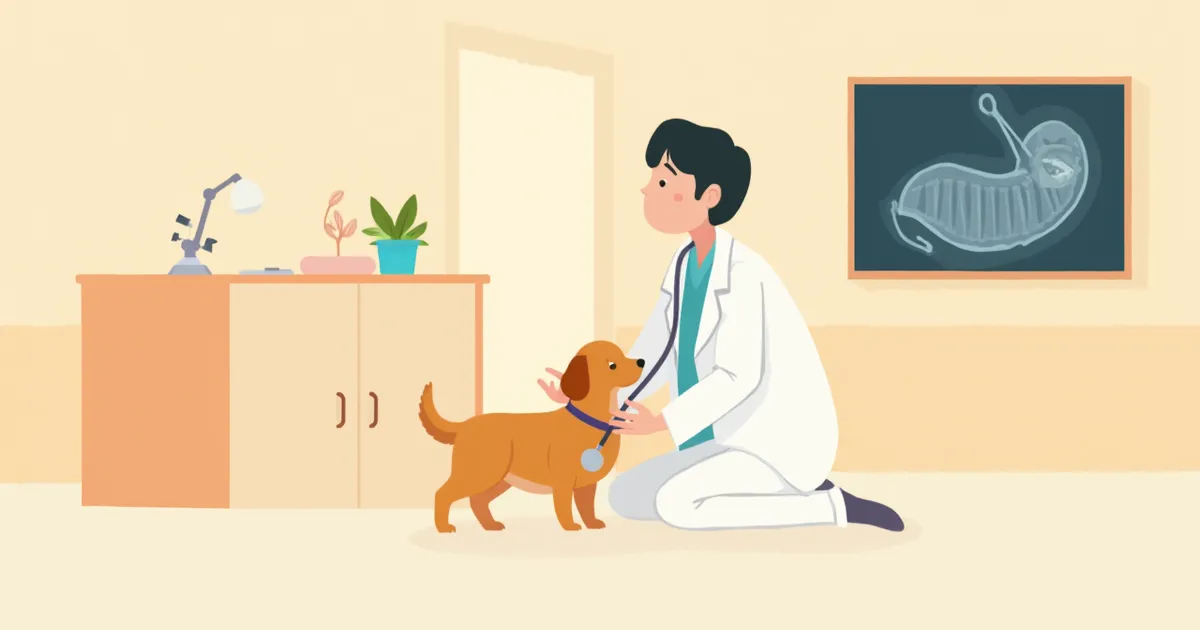
Emergency Response for Pets Swallowing Foreign Objects: Symptoms, Urgency, and Clinic Decision Guide
We’ve compiled veterinary-backed guidance to help you assess the urgency and respond safely when your dog or cat swallows a foreign object. Be sure to check when inducing vomiting at home is not recommended.

When Your Cat Is Drooling Excessively: Causes and Emergency Assessment Criteria
We’ve organized the causes of drooling in cats into four categories: oral, toxic, gastrointestinal, and neurological, and we’ll share emergency signs that require immediate veterinary care along with tips for home management.

Cold Paws and Ears (Hypothermia Signs)
Cold paws and ears in dogs and cats can be early signs of hypothermia. Here’s what normal body temperature looks like and how to respond at each stage.

If Your Cat Is Drinking Too Much Water — Warning Signs of Kidney Disease and Diabetes, and How to Respond
Sudden excessive water drinking in cats can be a classic sign of conditions such as kidney disease, diabetes, or hyperthyroidism. If your cat drinks more than 45 ml per kilogram of body weight per day, a veterinary checkup is recommended.

Assessing Urgency When Your Cat Stops Eating
Here’s a guide on when to take your cat to the vet if they stop eating, along with a checklist of accompanying symptoms to watch for. We’ll also share key management strategies to prevent fatty liver disease.
Complete Guide to Causes and Management of Swelling in Dogs
Swelling in dogs can stem from a variety of causes, ranging from simple puffiness to serious conditions like heart failure, kidney failure, or allergies. We’ve outlined the causes by affected area, warning signs that require immediate veterinary care, and tips for managing swelling at home.

Dog Jaundice: Symptoms and Causes
Jaundice in dogs is an urgent warning sign of liver, bile duct, or red blood cell abnormalities. If your dog's gums and the whites of their eyes turn yellow, you should visit a vet within 24 hours.

Swollen Belly in Dogs: Causes, Emergency Signs, and Management Guide
We’ve compiled a list of possible conditions to suspect when your dog’s belly is swollen, warning signs that require an immediate vet visit, and key checkpoints you can monitor at home.

Causes and Responses to Loss of Appetite in Dogs - Emergency Criteria for Anorexia
Here’s a summary of the causes of loss of appetite in dogs, home care tips, and emergency signs that require immediate veterinary attention. If the lack of appetite lasts more than 24 hours, there’s a higher chance of an underlying internal medical condition.

Causes of Cat Eye Discharge and Management
Learn how to assess the urgency of your cat’s eye discharge based on its color and amount, along with cause-specific remedies and home care tips.

Feline Urinary Tract Obstruction: Symptoms and Emergency Response
Feline lower urinary tract obstruction is a life-threatening emergency in which the urethra becomes blocked, preventing urination. It is most common in male cats. Here’s a clear overview of the symptoms, causes, hospital treatment process, and ways to prevent recurrence.

Dog Straining to Urinate: Causes, Step-by-Step Management, and Signs You Need to See a Vet
If your dog is straining to urinate but little or no urine comes out, suspect difficulty urinating. Here’s a veterinary-backed guide to assessing urgency based on the cause and step-by-step management strategies.

If Your Cat Suddenly Can’t Jump — Arthritis, Muscle Loss, and When to See a Vet
When senior cats struggle to jump onto cat trees or beds, over 90% of cases are due to degenerative joint disease (DJD) and muscle loss. Here’s a summary of stage-by-stage warning signs, criteria for immediate veterinary care, and key home care tips.

Emergency Response for Button Battery Ingestion in Dogs and Cats
Swallowing a button battery is a time-critical emergency that can cause esophageal corrosion and perforation. Do not induce vomiting, withhold food, and seek immediate veterinary care.

Emergency First Aid for Pet Burns: How to Distinguish Between Thermal and Chemical Burns
For pets with burns, cooling the affected area within the first 15 minutes can make all the difference in survival and scarring. We’ve outlined how to distinguish between thermal and chemical burns, along with what you should and absolutely should not do at home.

Complete Guide to Emergency Response for Drowning Dogs and Cats
We’ve outlined the critical first five minutes of response that can determine whether your pet survives a drowning incident, along with guidelines for when to transport them to a veterinary clinic. Learn the proper sequence for pet CPR and tips for maintaining body temperature.